





 Portuguese
  English
  Spanish
  3 min of reading


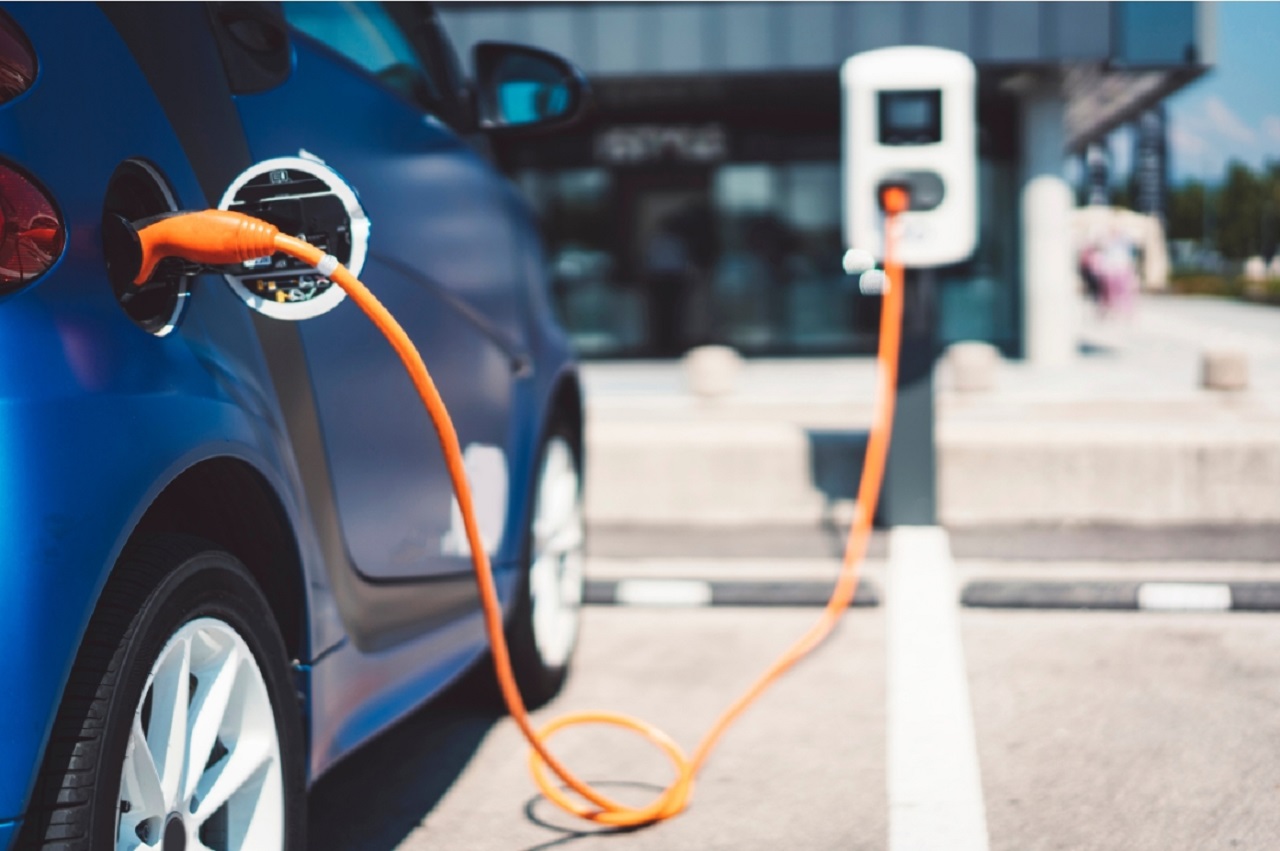
Changes in the Automotive Sector Will Favor the Use of Steel Both in Vehicle Assembly and in Car Charging Points
The automotive sector has undergone a transformation in recent years, with electric cars already a reality in several countries, both due to environmental impact and autonomy. Various automakers already have some platform of electric vehicles in their catalog, and the automaker Volvo has imposed on itself to produce only electric cars starting this year.
The Reality of Electric Cars in Brazil and the World
Electric cars are already a reality in several countries. And in addition to causing changes in the fuel market, this automotive sector promises to also affect the steel industry; in 2018, the ABM (Brazilian Association of Metallurgy, Materials and Mining) predicted that by 2030, most automakers will have some platform of electric vehicles in their portfolios – the Swedish Volvo, for example, has imposed on itself to produce only electric cars starting this year.
ARTICLE CONTINUES BELOW
See also
-
Chinese SUV priced at R$ 432,000 arrives in Brazil and challenges traditional models: GWM Wey 07 Dark Edition has 512 hp, over 5 meters, goes from 0 to 100 in 4.9 seconds, and aims to surpass SW4 in technology.

-
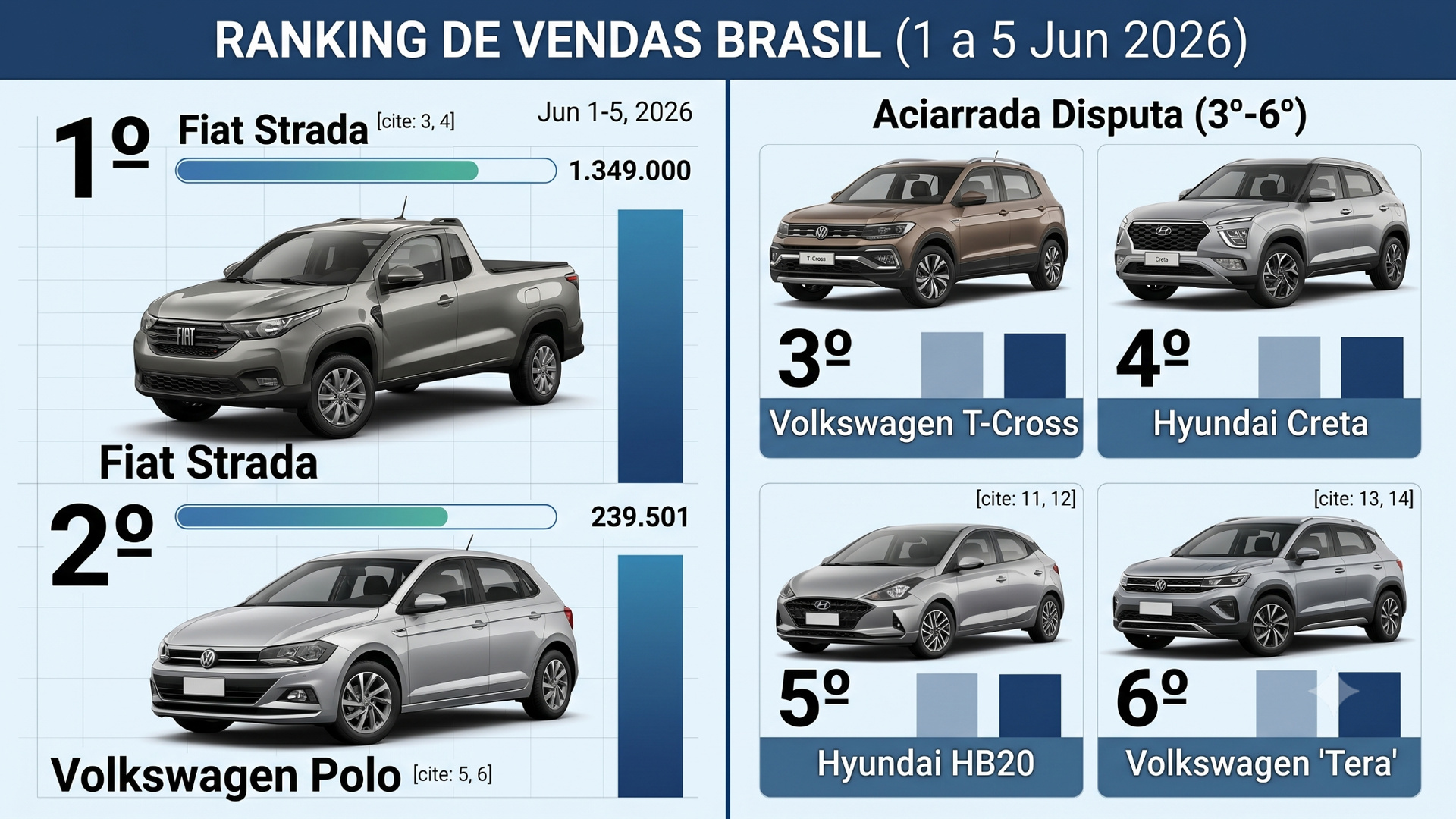
Currently best-selling cars in Brazil in June 2026: Fiat Strada leads the way, Volkswagen Polo catches up, and SUVs like T-Cross, Creta, HB20, and Tera intensify the competition in the national ranking.

-
Mitsubishi surprises the Brazilian market with cuts of up to R$ 55,000, expands bonuses for trade-ins, and pressures rivals in SUVs and pickups.

-
It is not the oil-bathed belt: Chevrolet Sonic addresses complaints from Onix owners with an unprecedented change in the design, new suspension, MTV technology in the shock absorbers, and fuel consumption of up to 14.8 km/l. Chevrolet Sonic addresses complaints from Onix owners. And it is not the belt.
Part of this European movement is due to a proposed law that prohibits the sale of cars with internal combustion engines starting in 2035. However, those who believe that this action will not reverberate globally are mistaken: it is already speculated that the popularization of electric cars will increase the demand for electric steel and high-strength steel, in addition to stainless steel used to protect the batteries that equip hybrid cars.
According to Giovanni Marques da Costa, the marketing manager of Açovisa, the automotive industry is adapting to the new demands for low emissions and better cost-benefit for customers, who are increasingly demanding. This impacts the steel market in general. “A great example is the consumer preference shift from hatchback cars since the 2000s. Today, hatchbacks are the majority, but that hasn’t meant the steel sector has lost out.”
Electric Cars Boost the Steel Market
Although the structure of the electric car is almost identical to that of the “conventional” car, the major change is due to the electric motors and battery systems, as both utilize a chain of new steels, whether or not ferrous. Regarding the amount of steel used in the assembly of electric cars, it is lower in final weight, since there is no presence of a transmission system, fuel tank, and other elements and systems present in combustion cars, however, the amount of high-value-added steel is much greater, making the manufacturing cost of the electric car on average higher.
Thus, the final weight in kilograms of the electric vehicle is slightly below that of the combustion car, as the complete and large battery system compensates for the lack of elements present in the combustion car.
Costa also points out that in addition to the use of steel in the assembly of cars, other elements related to the electric car sector can offset this weight, such as the construction of thousands of charging stations throughout Brazil, most of which are made largely of steel.
About Açovisa
Açovisa has over 25 years of experience in the steel market and is considered one of the leaders in the national steel industry.
Its headquarters in Guarulhos, covering 15,000 m², is equipped with chemical and metallographic laboratories, in addition to cutting-edge equipment for conducting tests, analyses, and issuing documentation, such as quality certificates. It has 400 employees across more than 13 units, with a presence throughout Brazil.
 Valdemar Medeiros
Graduated in Journalism and Marketing, he is the author of over 20,000 articles that have reached millions of readers in Brazil and abroad. He has written for brands and media outlets such as 99, Natura, O Boticário, CPG – Click Petróleo e Gás, Agência Raccon, among others. A specialist in the Automotive Industry, Technology, Careers (employability and courses), Economy, and other topics. For contact and editorial suggestions: valdemarmedeiros4@gmail.com. We do not accept resumes!
-

-

-

-
The automotive sector has undergone a transformation in recent years, with electric cars already a reality in several countries, both due to environmental impact and autonomy. Various automakers already have some platform of electric vehicles in their catalog, and the automaker Volvo has imposed on itself to produce only electric cars starting this year.
The Reality of Electric Cars in Brazil and the World
Electric cars are already a reality in several countries. And in addition to causing changes in the fuel market, this automotive sector promises to also affect the steel industry; in 2018, the ABM (Brazilian Association of Metallurgy, Materials and Mining) predicted that by 2030, most automakers will have some platform of electric vehicles in their portfolios – the Swedish Volvo, for example, has imposed on itself to produce only electric cars starting this year.
-
Chinese SUV priced at R$ 432,000 arrives in Brazil and challenges traditional models: GWM Wey 07 Dark Edition has 512 hp, over 5 meters, goes from 0 to 100 in 4.9 seconds, and aims to surpass SW4 in technology.
-
Currently best-selling cars in Brazil in June 2026: Fiat Strada leads the way, Volkswagen Polo catches up, and SUVs like T-Cross, Creta, HB20, and Tera intensify the competition in the national ranking.
-
Mitsubishi surprises the Brazilian market with cuts of up to R$ 55,000, expands bonuses for trade-ins, and pressures rivals in SUVs and pickups.
-
It is not the oil-bathed belt: Chevrolet Sonic addresses complaints from Onix owners with an unprecedented change in the design, new suspension, MTV technology in the shock absorbers, and fuel consumption of up to 14.8 km/l. Chevrolet Sonic addresses complaints from Onix owners. And it is not the belt.



Part of this European movement is due to a proposed law that prohibits the sale of cars with internal combustion engines starting in 2035. However, those who believe that this action will not reverberate globally are mistaken: it is already speculated that the popularization of electric cars will increase the demand for electric steel and high-strength steel, in addition to stainless steel used to protect the batteries that equip hybrid cars.
According to Giovanni Marques da Costa, the marketing manager of Açovisa, the automotive industry is adapting to the new demands for low emissions and better cost-benefit for customers, who are increasingly demanding. This impacts the steel market in general. “A great example is the consumer preference shift from hatchback cars since the 2000s. Today, hatchbacks are the majority, but that hasn’t meant the steel sector has lost out.”
Electric Cars Boost the Steel Market
Although the structure of the electric car is almost identical to that of the “conventional” car, the major change is due to the electric motors and battery systems, as both utilize a chain of new steels, whether or not ferrous. Regarding the amount of steel used in the assembly of electric cars, it is lower in final weight, since there is no presence of a transmission system, fuel tank, and other elements and systems present in combustion cars, however, the amount of high-value-added steel is much greater, making the manufacturing cost of the electric car on average higher.
Thus, the final weight in kilograms of the electric vehicle is slightly below that of the combustion car, as the complete and large battery system compensates for the lack of elements present in the combustion car.
Costa also points out that in addition to the use of steel in the assembly of cars, other elements related to the electric car sector can offset this weight, such as the construction of thousands of charging stations throughout Brazil, most of which are made largely of steel.
About Açovisa
Açovisa has over 25 years of experience in the steel market and is considered one of the leaders in the national steel industry.
Its headquarters in Guarulhos, covering 15,000 m², is equipped with chemical and metallographic laboratories, in addition to cutting-edge equipment for conducting tests, analyses, and issuing documentation, such as quality certificates. It has 400 employees across more than 13 units, with a presence throughout Brazil.

Graduated in Journalism and Marketing, he is the author of over 20,000 articles that have reached millions of readers in Brazil and abroad. He has written for brands and media outlets such as 99, Natura, O Boticário, CPG – Click Petróleo e Gás, Agência Raccon, among others. A specialist in the Automotive Industry, Technology, Careers (employability and courses), Economy, and other topics. For contact and editorial suggestions: valdemarmedeiros4@gmail.com. We do not accept resumes!




Be the first to react!