






 Portuguese
  Spanish
  3 min of reading
  0 comments



Advantages, Disadvantages, and Important Tips to Avoid Traps When Acquiring Your Vehicle at Auction
Buying auction cars is a common practice in Brazil, but it involves risks that many are unaware of. This article explores the truths behind car auctions, highlighting the different types of auctions, their advantages and disadvantages, as well as providing valuable tips for buyers, according to the video from the Meu Carro LifeStyle channel.
Types of Car Auctions in Brazil
In Brazil, there are two main types of car auctions: those from insurance companies and those from financial institutions.
Insurance Auctions
These auctions occur when a car suffers total loss, reaching about 70-75% of its Fipe table value for recovery. Insurance companies put these vehicles up for auction to try to recover part of the money paid in compensation. These vehicles are inspected, ensuring a certain level of safety in the purchase.
-
Nissan X-Trail e-Power debuts as a hybrid SUV that runs like an electric vehicle, uses a 1.5 turbo engine only as a generator, promises up to 1,039 km per tank, and arrives in the Philippines with 204 hp, a 482-liter trunk, and a competitive price.

-
Cheaper than Civic and Corolla, this Korean sedan offers a giant 520-liter trunk, 2.0 flex engine, and 6-speed automatic transmission; the Kia Cerato EX 2.0 2022 stands out as an ideal option for those who prioritize interior space and comfort.
-
An old Nissan Bluebird received the motor, inverter, and battery from the Leaf, became electric, and kept the body intact in a conversion done in the United Kingdom.

-
The car that most Brazilians buy today may cease to exist by 2030, and automakers already know that the 1.0 aspirated engine with manual transmission is numbered in the country.


Financial Auctions
These occur when the buyer of the vehicle fails to pay the financing, and the financial institution repossesses the car to recover the debt. Usually, these vehicles are in good condition, without major structural damage.
Advantages of Auction Cars
- Attractive Prices: Auction cars are generally sold at prices well below market value, offering a great opportunity for those seeking savings;
- Spare Parts: For those who own hard-to-maintain vehicles, acquiring an auction car can be a solution to obtain original spare parts at a lower cost;
- Rare Vehicles: In some cases, it is possible to find rare or classic vehicles at affordable prices, which can be a great opportunity for collectors.
Disadvantages of Auction Cars
- Damage History: Many auction cars, especially those from insurance companies, have already suffered significant damage, which can compromise the safety and durability of the vehicle.
- Depreciation: Vehicles with auction history tend to be depreciated in the market, which can make future resale more difficult.
- Insurance: Some insurance companies do not accept providing insurance for cars that have gone through auctions, complicating the protection of the asset.
- Inspection Difficulty: In auctions, cars are closed, and it is not possible to inspect the interior, electrical system, and engine in detail before purchase, increasing the risk of acquiring a vehicle with hidden problems.
- Time in the Lot: Cars that remain parked in the auction lot for a long time can accumulate dirt and additional damage, such as sunburned paint or damaged mechanical components.
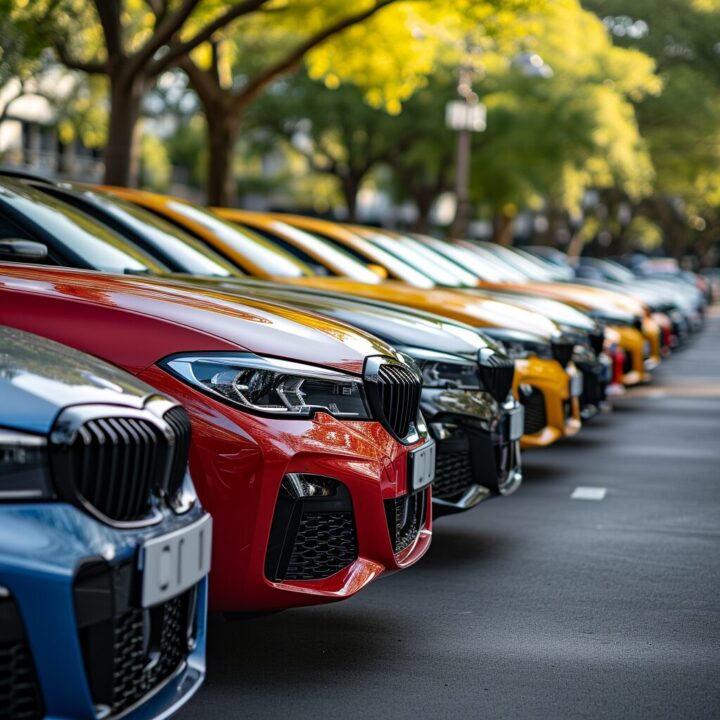
Valuable Tips for Buying Auction Cars
- Vehicle Check: Always perform a vehicle check to verify the car’s history, including accidents, auction passage, and insurance impediments. There are reliable companies that offer this service at an affordable cost.
- Pre-purchase Inspection: Before making the purchase, conduct a pre-purchase inspection to ensure the vehicle is in good condition and does not have serious structural issues.
- Beware of Very Low Prices: Excessively low prices can be a sign of serious problems. Carefully evaluate the cost-benefit.
- Technical Knowledge: If possible, bring a trusted mechanic to help evaluate the vehicle during the auction.
- Documentation: Check the vehicle’s documentation and the procedures for post-purchase regularization, which may be more bureaucratic for auction vehicles.




Be the first to react!