





 Portuguese
  English
  Spanish
  4 min of reading
  0 comments


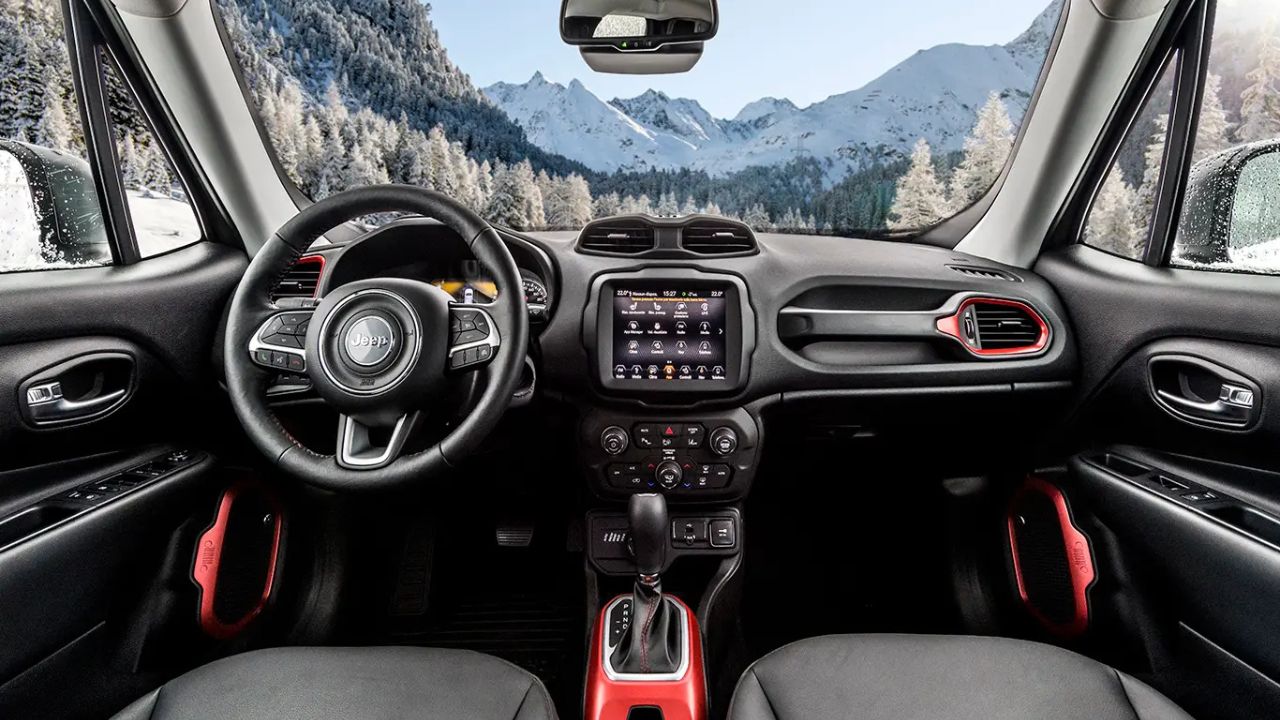
Discover The Cars That Were Successful Only In Brazil, Such As Jeep Renegade, Honda HR-V, Fiat Palio, Hyundai Tucson, And Nissan Kicks, And Understand Why They Conquered The Brazilian Public.
In Brazil, certain cars achieved true success — selling well, making history, and generating national pride — despite having failed in other markets.
Models like the Jeep Renegade, Honda HR-V, Fiat Palio, Hyundai Tucson (1st generation), and Nissan Kicks shone here thanks to local adaptations and targeted campaigns, becoming symbols of the Brazilian market.
See The 5 Cars That Are Sales Success In Brazil
Honda HR-V: The SUV That Became An Urban Fad
The Honda HR-V is another example of how Brazil can dictate a car’s fate. Since its debut in 2015, the model has established itself as one of the best-selling SUVs in the country.
-
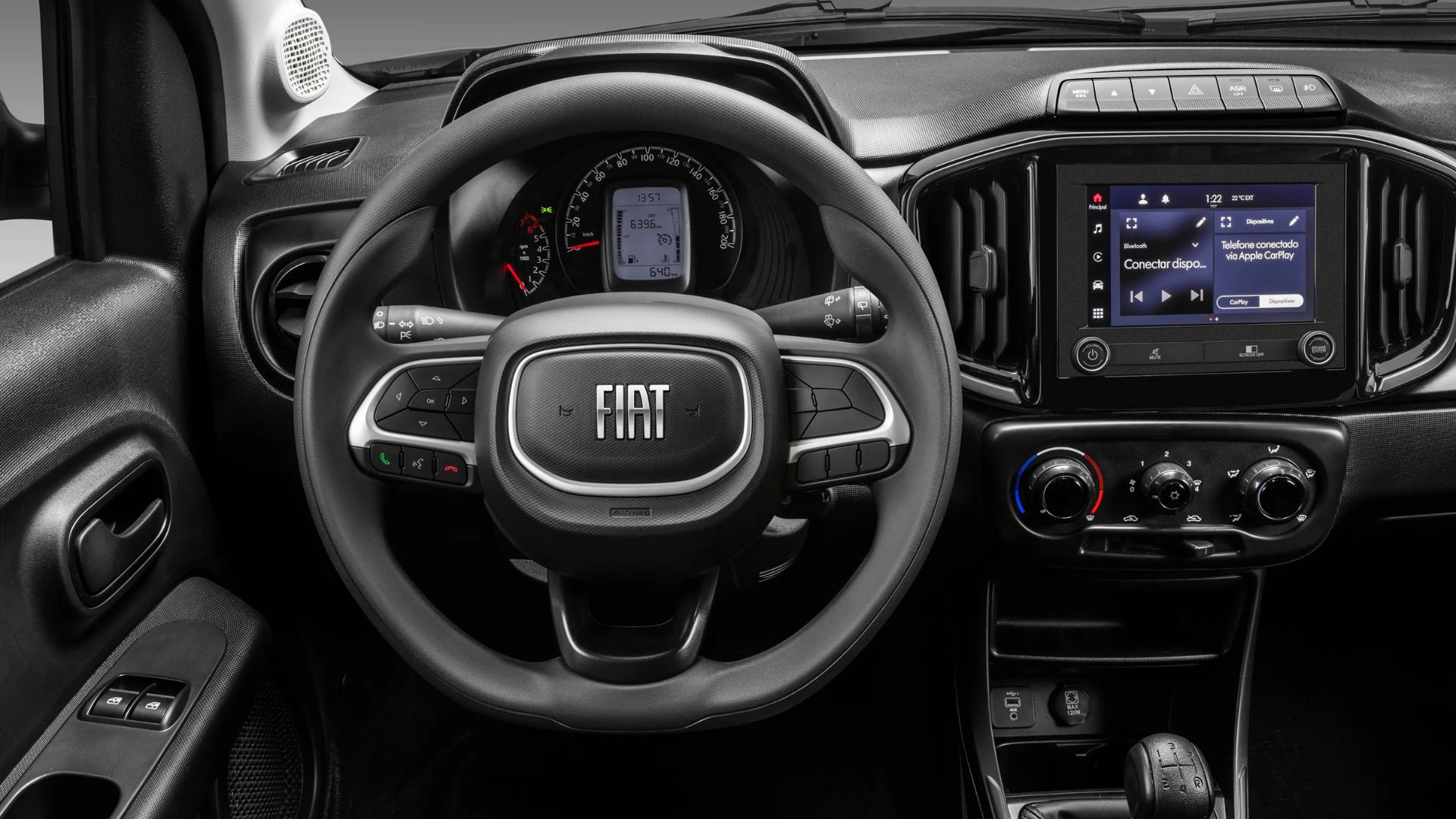
With a 1.0 engine producing 75 hp and costing less than R$ 70,000, Fiat’s car returns to the podium as the cheapest in the country; a temporary promotion for the 2026 Like version reduces the price of the Fiat Mobi.
-
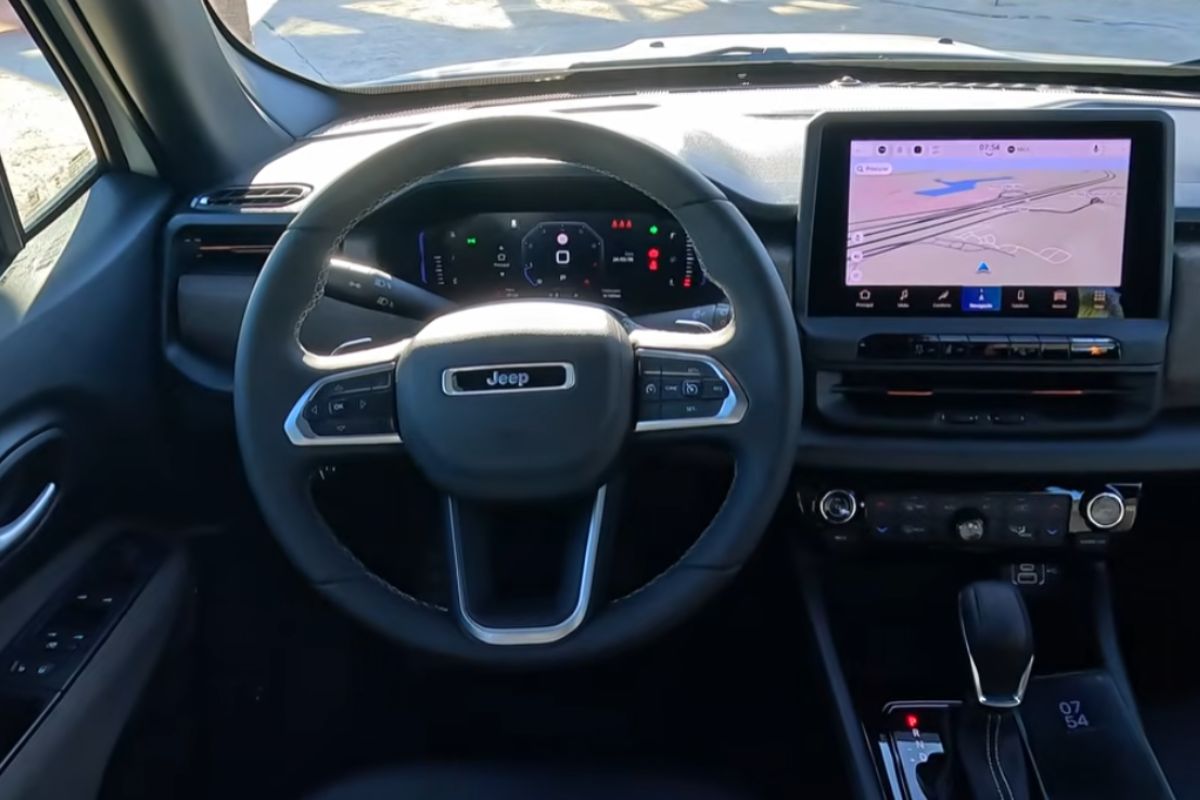
With a mild hybrid system of 48 V, 176 hp and a price of R$ 175,990 in the Sahara version, the new Jeep Renegade changes mostly on the inside, improves slightly in fuel consumption, and remains almost the same car.
-
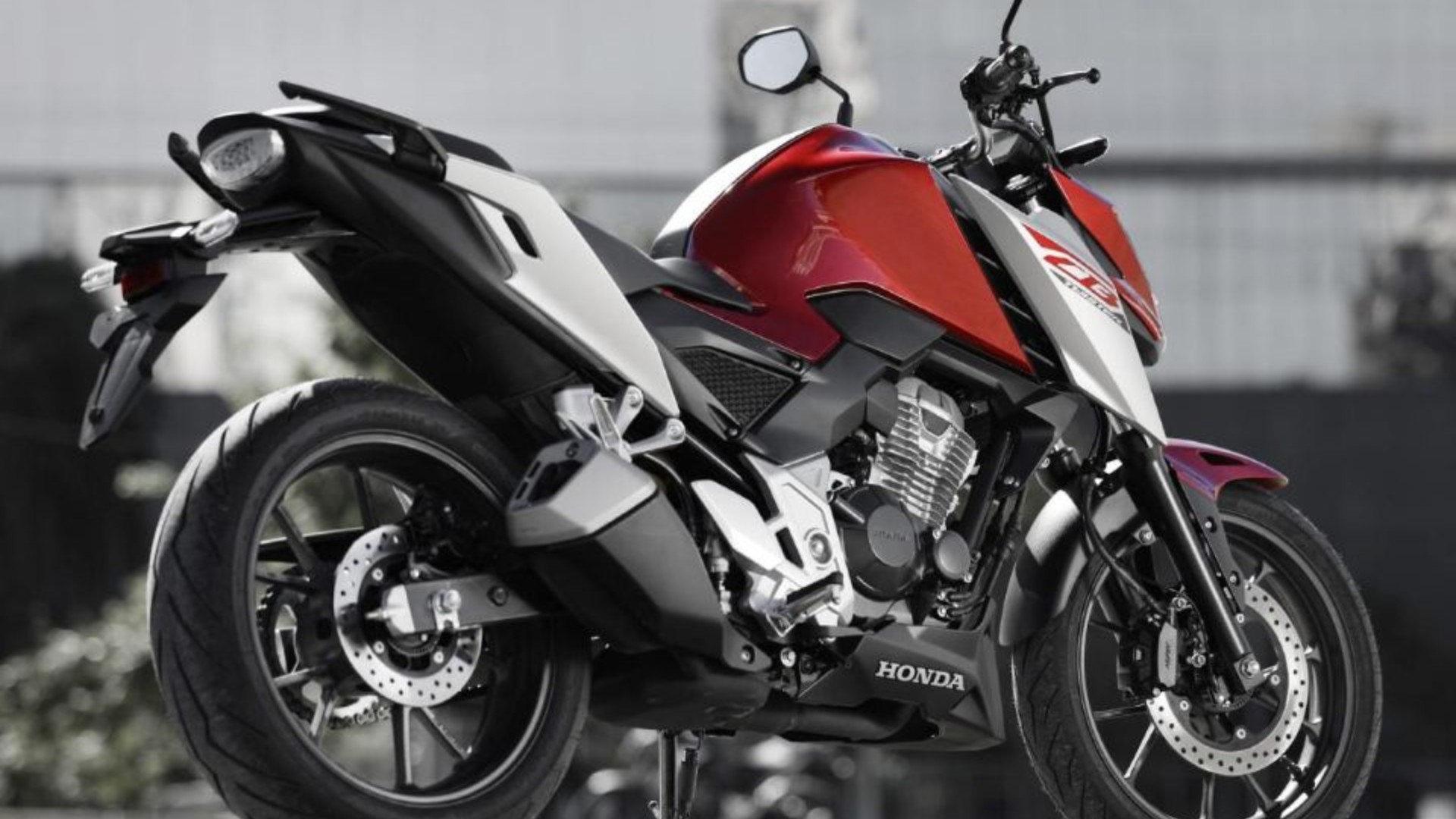
With a 293.5 cm³ engine and a range of up to 400 km with a 14.1-liter tank, the Honda CB 300F Twister 2026 has up to 24.7 hp, an initial price of R$ 25,150, and already exceeds R$ 29,000 in the Fipe Table.
-
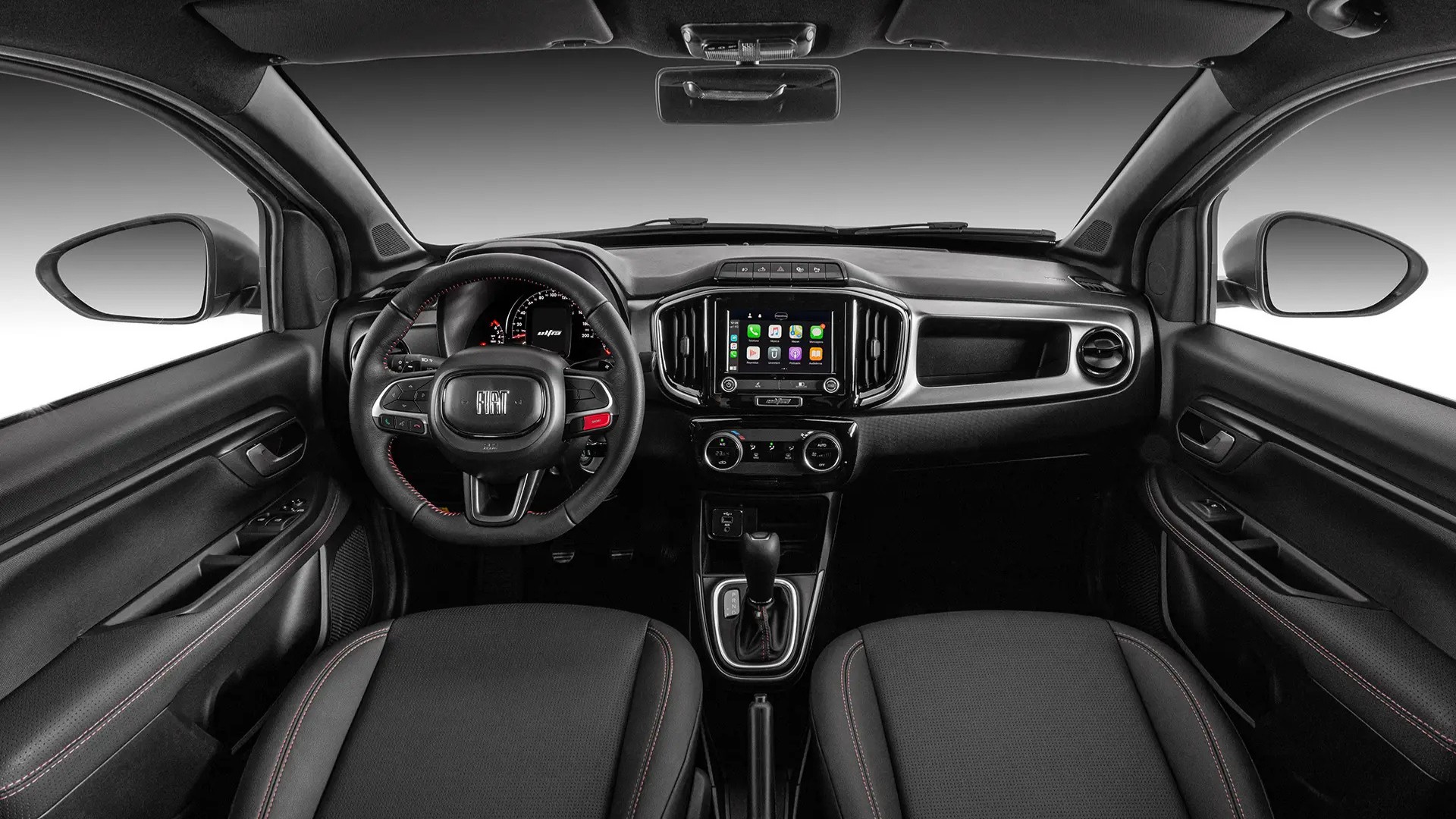
With a 1.3 engine, nearly 700 km of range, and Turbo 200, the Fiat model surpasses Polo, Tera HB20, and Onix, becoming the best-selling car in March; see the numbers for the Fiat Strada and others.

According to data cited by AutoPapo, in nearly every year since its launch, sales have hovered around 50,000 units annually, which is significant for the segment.
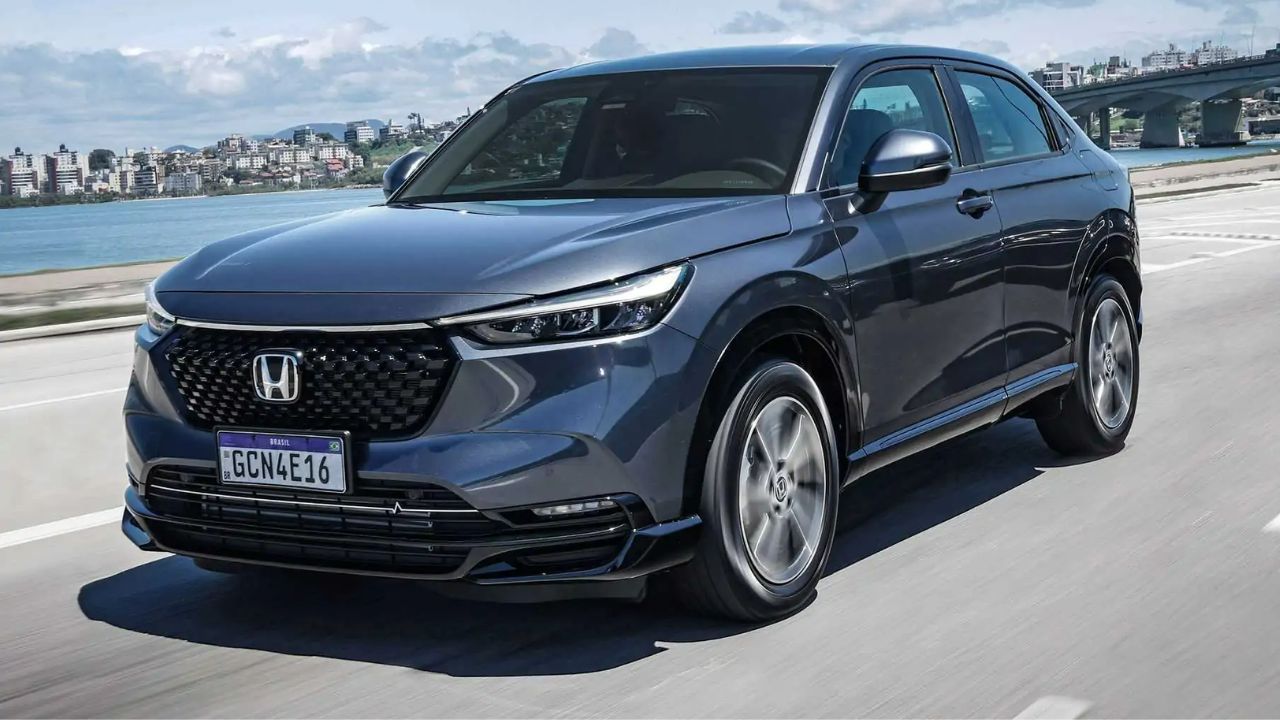
In practice, the HR-V has become synonymous with mid-compact SUVs. While in other markets it competes for space without much prominence, here in Brazil it gained a reputation as a reliable, economical, and comfortable car for daily use, winning over thousands of families.
Fiat Palio: A Compact Designed For The Brazilian
Among the most successful cars in Brazil, the Fiat Palio occupies a prominent place.
The hatch was developed with a focus on emerging markets, but its true reign was Brazilian.
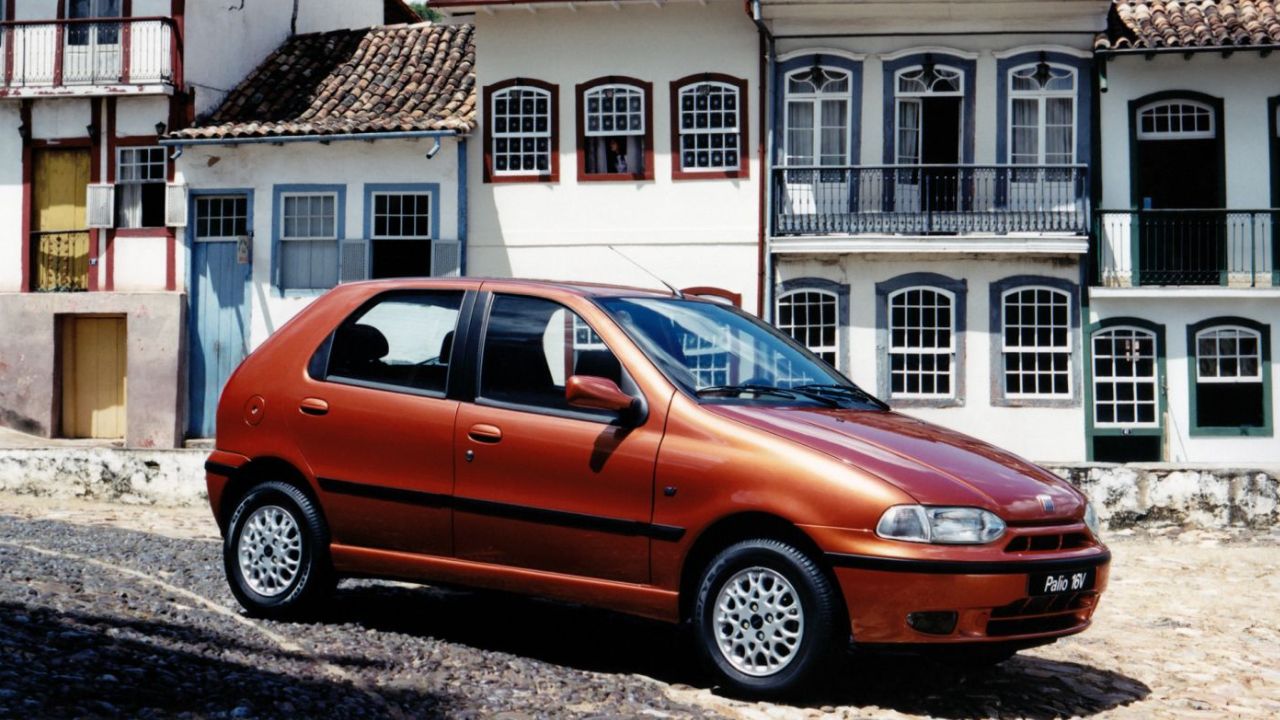
Created to compete directly with the Volkswagen Gol, it even surpassed it in some years, which is rare in the history of national compacts.
Another important point: the Palio was the first car to have a global presentation in Brazil, specifically in Ouro Preto (MG), which demonstrated the strategic weight of the country for Fiat.
It received various local facelifts, designed to please the national consumer, becoming an icon of the 1990s and 2000s.
Jeep Renegade: An SUV Made For Brazil
The Jeep Renegade was launched in 2015, initially as a global product.
However, while in the United States and Europe its popularity declined to the point of being discontinued, in Brazil the model found fertile ground.
Its production in Goiana (PE) ensured competitive prices and a varied offering of versions, from flex engines to diesel options.
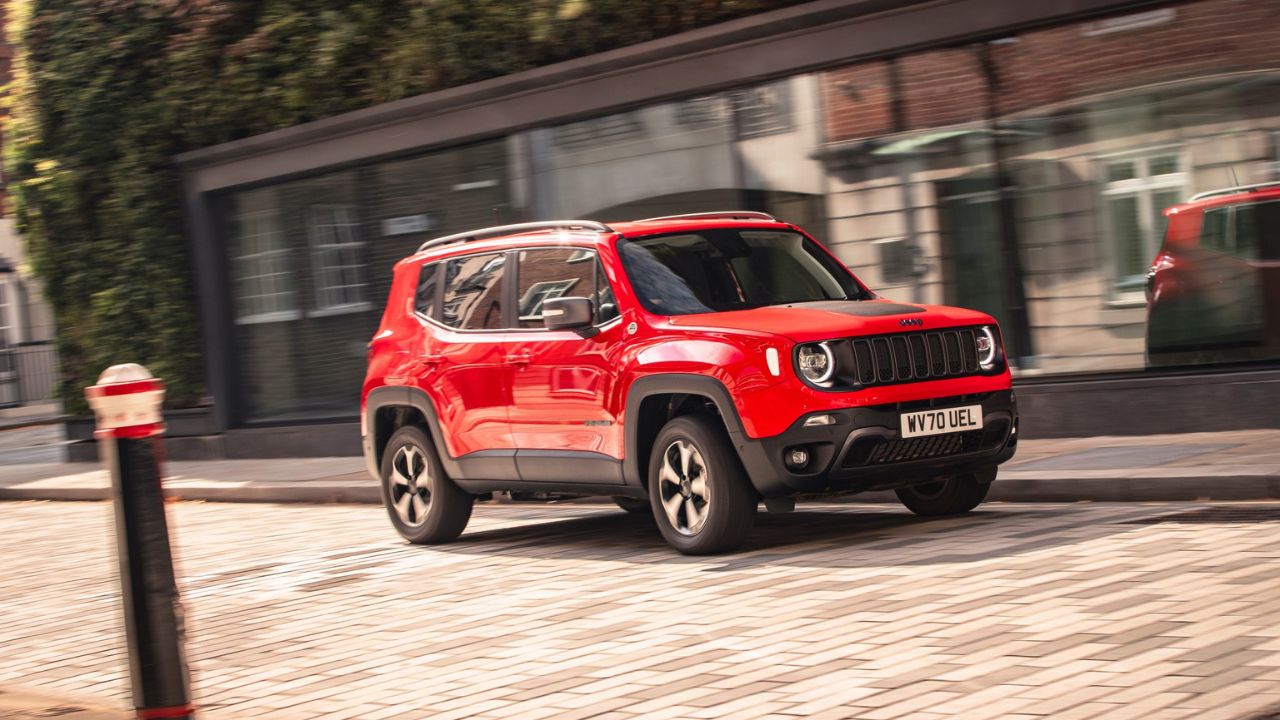
In 2023, Jeep even developed an exclusive facelift for the Brazilian market, proof that the brand sees the country as essential for the model’s lifespan.
Even though in other places it is considered outdated, in Brazil the Renegade continues to be popular, especially among urban compact SUVs.
Nissan Kicks: Modest Technology, But Reliable
Introduced in Brazil in 2016 during the Rio Olympics and produced locally from 2017, the Nissan Kicks quickly won over consumers.
Even though it is not the most modern SUV in terms of technology, it continues to register impressive sales.
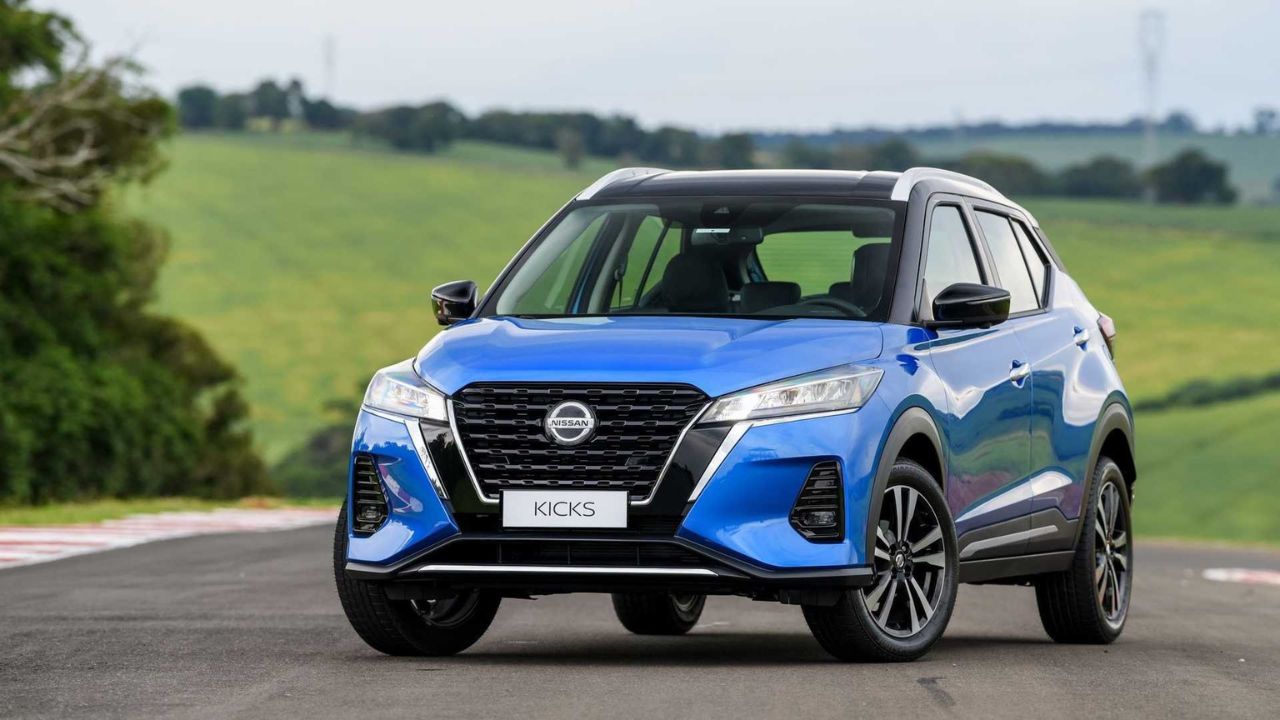
Today, Brazil is the second largest market for the Kicks worldwide, behind only the United States.
This shows that mechanical reliability, balanced fuel consumption, and pleasant design weigh more for Brazilian consumers than the technological innovations present in newer rivals.
The model remains among the 10 best-selling cars in the country.
Hyundai Tucson: The Fad That Defied Time
The first-generation Hyundai Tucson was launched quietly, but gained notoriety thanks to Caoa’s marketing campaigns, which heavily promoted the model as a modern and robust SUV.
The impact was so great that, even with the arrival of newer generations abroad, Brazil maintained the production and sale of the initial version.
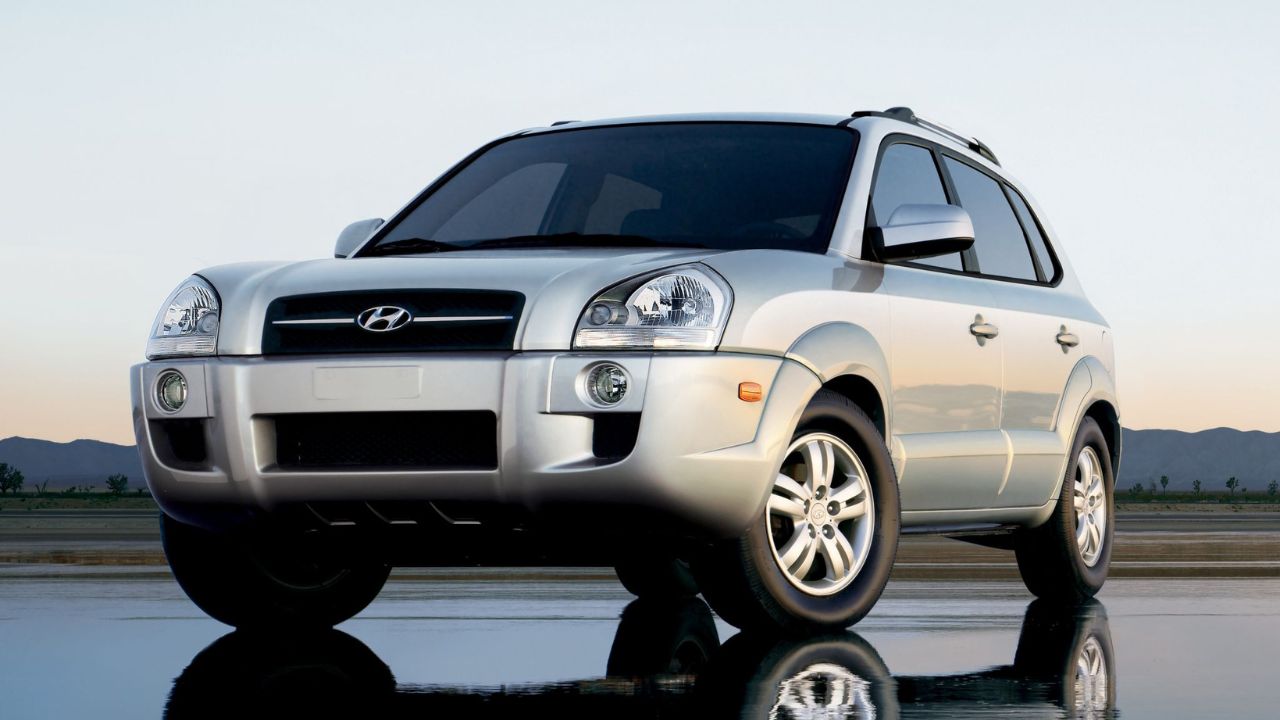
In a nearly unique phenomenon, the first-generation Tucson remained in production until 2019, coexisting with two newer generations at the same time.
This demonstrates how the acceptance of the Brazilian public can be enough to keep a car that is already considered “old” in other markets alive.
Why Were These Cars Successful And Still Are In Brazil?
What these cases show is that the success of a car in Brazil does not depend solely on global trends.
Often, factors such as price, adaptation to local conditions, effective marketing, and the national consumer culture itself are decisive in transforming a vehicle into a sales champion here.
While in other countries these models have faded into obscurity, in Brazil they have become icons.
The phenomenon reinforces the strength of the national market, capable of dictating the course of automakers and even keeping alive the production of cars that, in the rest of the world, are already a part of the past.









Seja o primeiro a reagir!