





 Portuguese
  English
  Spanish
  3 min of reading
  0 comments


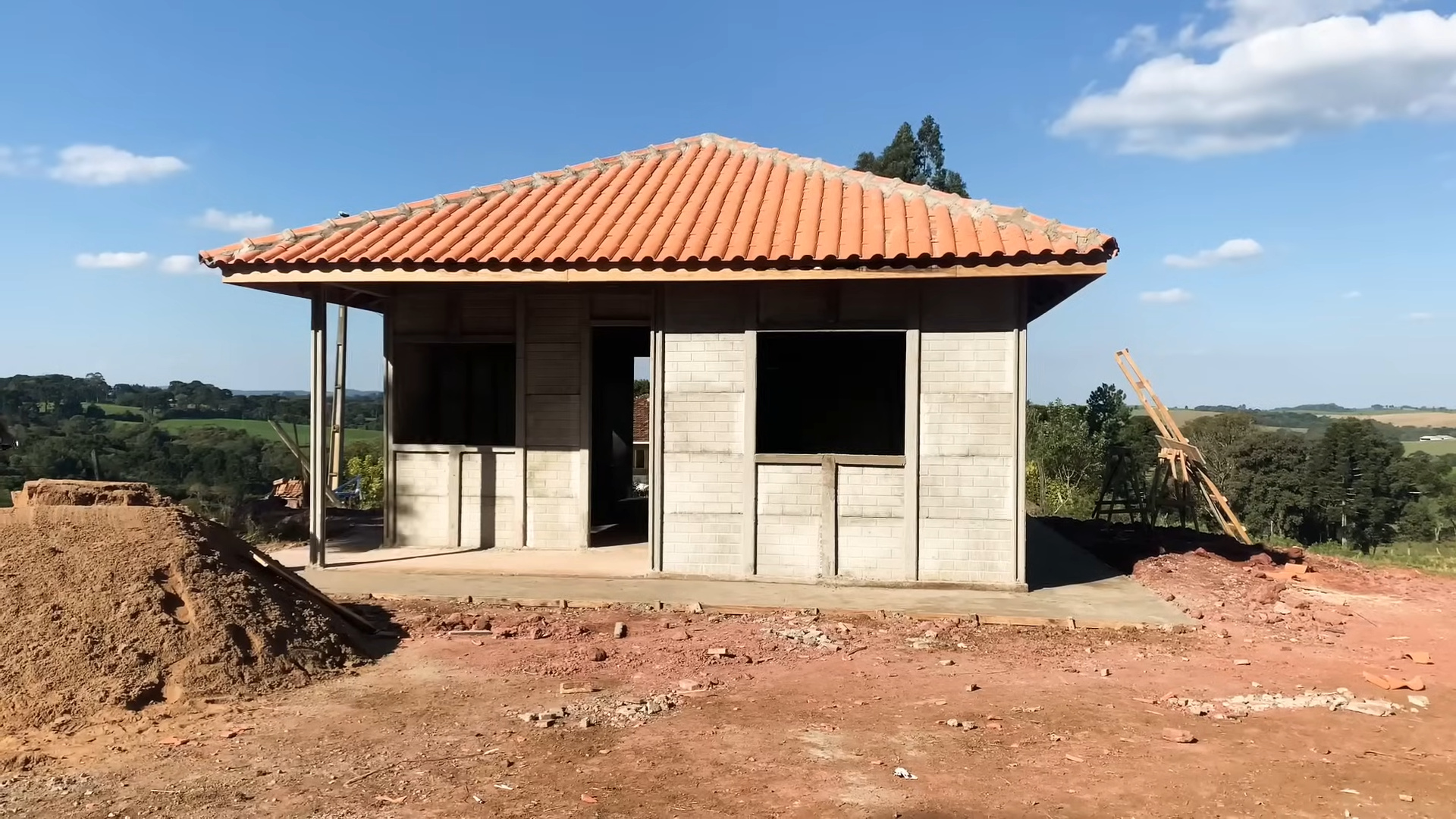
Prefab House Kit Is Advertised for About R$ 42,000 with Delivery in 30 Days; Understand Advantages, Challenges, and Hidden Extra Costs.
On October 2, 2025, Portal 6 revealed an offer that caught attention on social media and housing forums: a complete prefab house, advertised on Mercado Livre, for about R$ 42,000, with a promise of delivery in approximately 30 days. The “house kit” ad reveals that the proposal goes beyond savings: it includes structural components and finishes like external cement board, drywall, aluminum doors and windows, basic plumbing system, electrical wiring, and free painting, in addition to skylights with mosquito nets.
However, for those considering investing in this modular solution, there are critical details hidden in the “fine print”: the ad does not include the concrete base that will support the structure, and the cost of freight varies according to the buyer’s location, which can make the final price much higher.
The Modular Technology That Reduces Time and Costs
The appeal of the prefab house lies precisely in the combination of speed, savings, and standardization. Through industrialized modules, material waste is reduced, assembly is faster, and quality control is stricter.
-
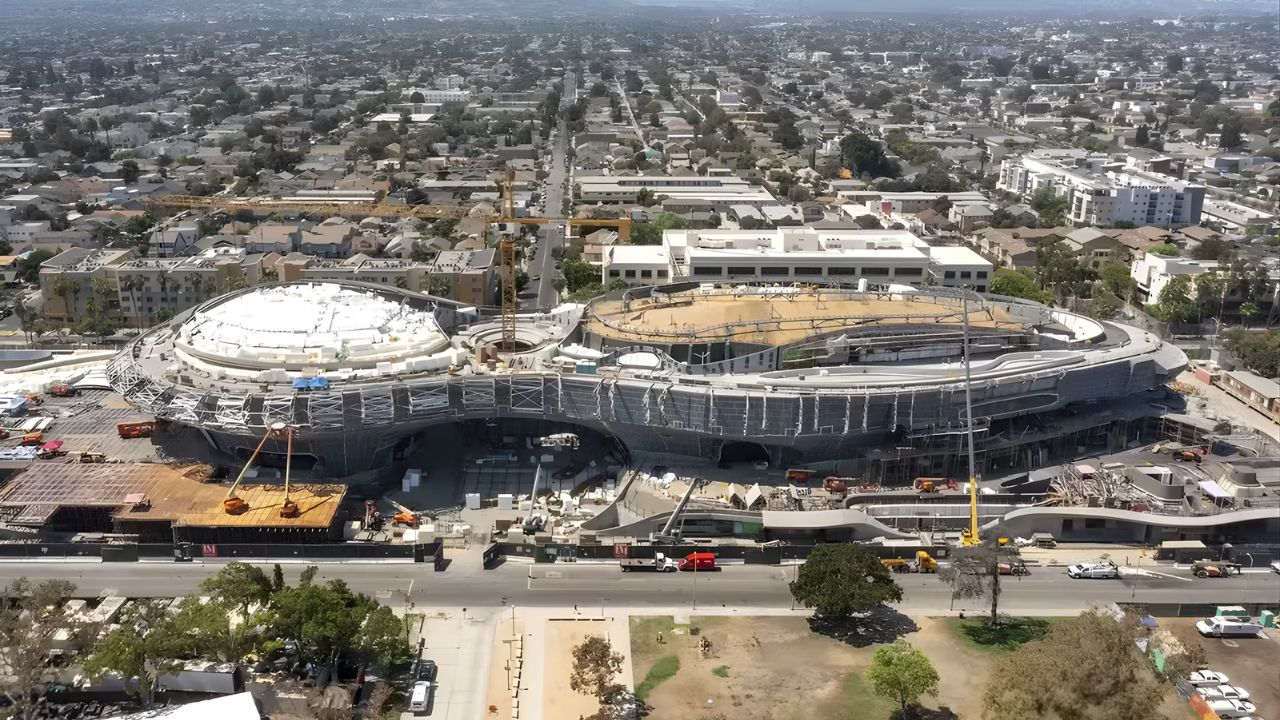
Created by George Lucas with over $1 billion, a futuristic museum in the shape of a spaceship with 1,500 curved panels is about to open in Los Angeles and will house one of the largest private collections of narrative art in the world.
-
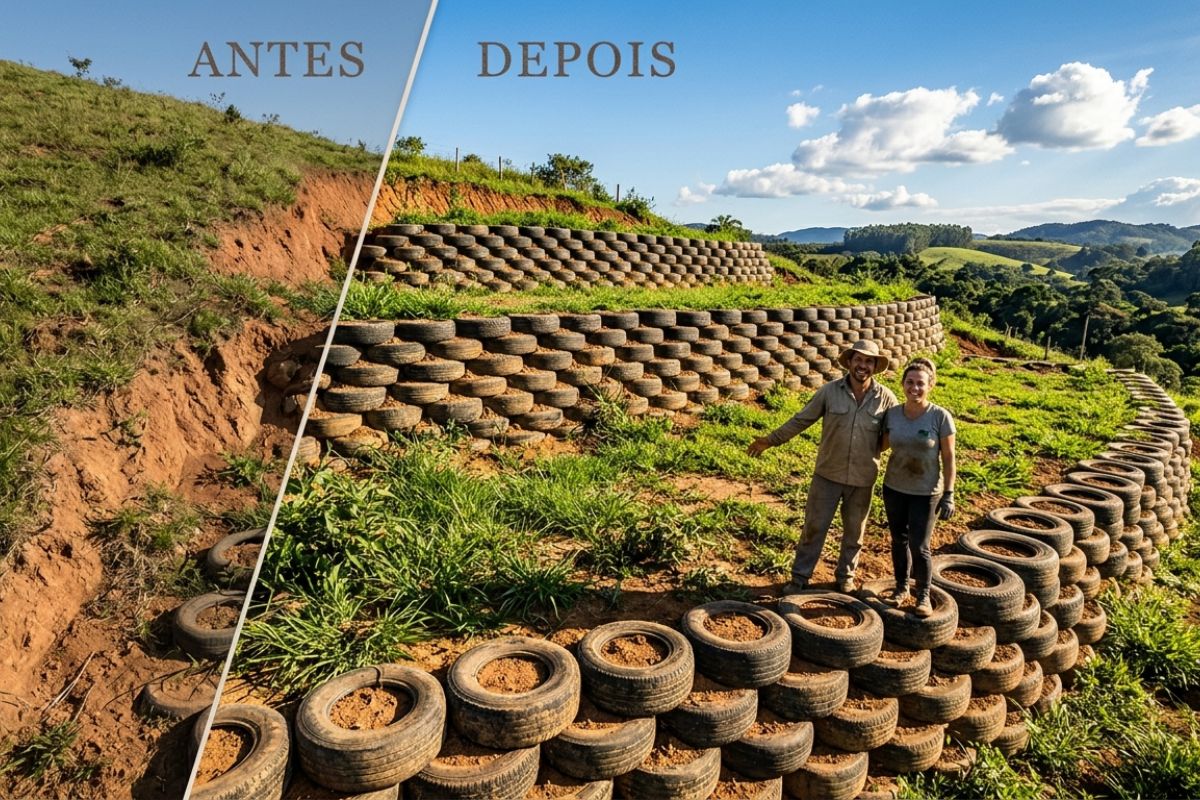
Couple shows how they built a retaining wall on their property using 400 old tires: sloped land turned into plateaus, tires are aligned, filled, and compacted with layers of soil, with grass helping in support and at almost zero cost.
-
Engineer explains drainage during the rainy season: the difference between surface water and deep water, ditches, gutters, and water outlets on the road, as well as drains and drainage mattresses, to prevent erosion, aquaplaning, and flooding at the construction site today.

-
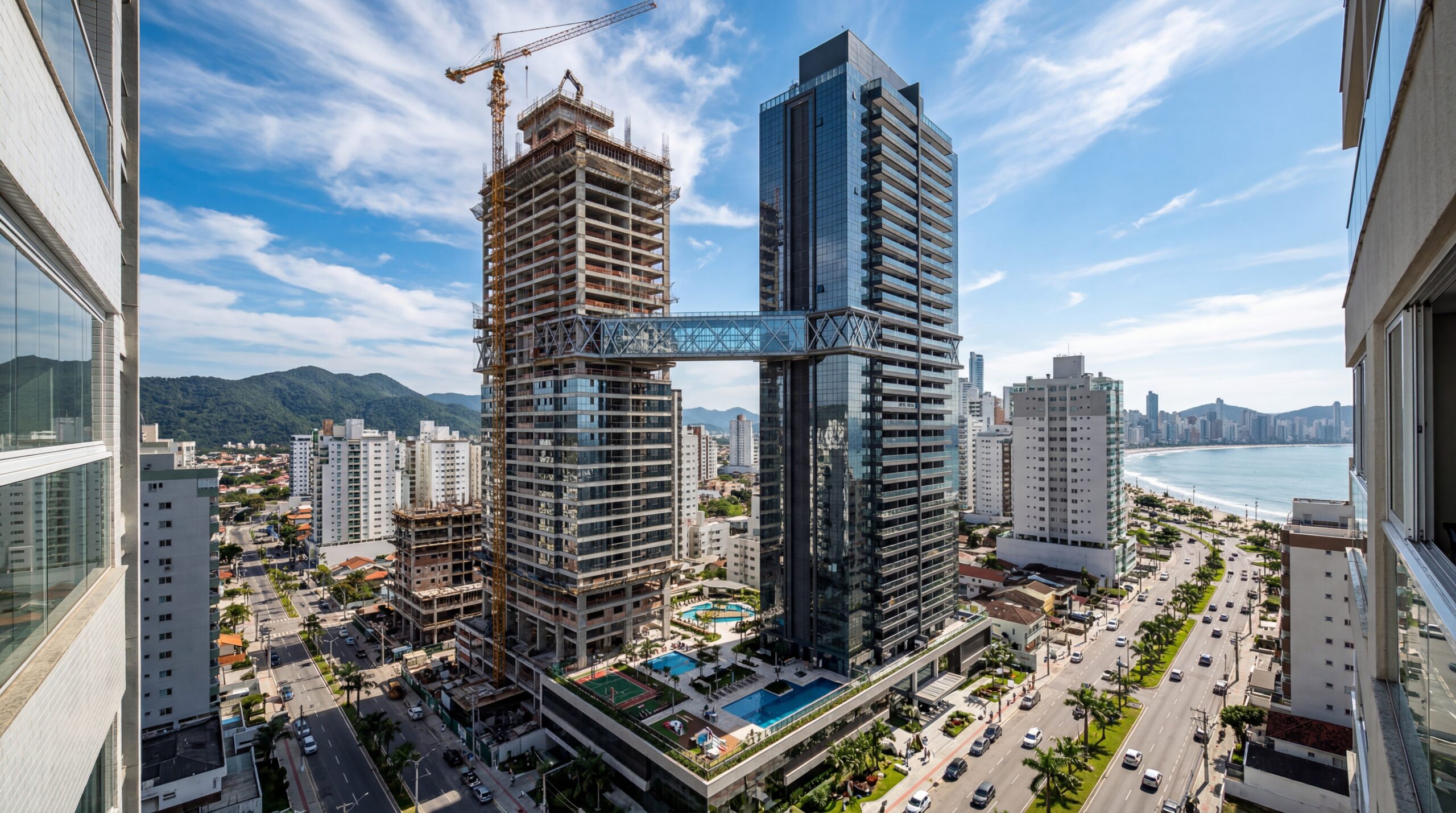
With 55 floors, 177 meters in height, a 15-meter walkway between the twin towers, ventilated facade, and 6,300 m² of leisure space, Ápice Towers already has one tower completed and another nearly at the top.

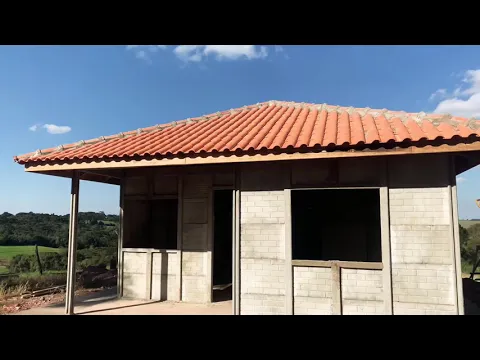

The materials chosen were cement panels, metal profiles, drywall, pre-manufactured frames, and standardized electrical and plumbing components that facilitate logistics and make it possible for a project of this type to be accessible at such a low price. The ad also promises assembly in one month.
However, like any solution that reduces conventional steps, limitations arise: the precision of the land, local plumbing adjustments, topography, and compatibility with local regulations may require costly modifications. It’s easy to admire the advertised price, but seeing the total final cost requires caution.
Limitations and Hidden Costs That Can Surprise
Although the modular kit is attractive, the ad makes it clear that there are mandatory additional costs:
- The concrete foundation is not included in the package; you will have to build this part separately.
- The freight for the modules depends on the location. For distant states or rural areas, this cost can make the deal unviable.
- Land adjustments, leveling, and non-standard plumbing and electrical connections can generate substantial extra costs.
- The final finish, “premium” finishes, or customizations not included in the kit can end up being quite expensive.
In other words: those who are enchanted by the “less than R$ 50,000” price should calculate carefully to avoid a surprise at the end.
Advantages Over Conventional Construction
Even with the caveats, the modular model carries strong advantages:
- Speed: delivering the structure in 30 days is almost unimaginable in conventional construction;
- Less Waste: standardized production reduces leftovers and rework;
- Predictability: project and material costs are more controlled;
- Technical Quality: industrialized materials offer a more uniform finish and fewer typical flaws of manual construction.
For those planning compact constructions, homes for small lots, or emergency solutions, this type of prefab house can be a noteworthy alternative.
How This Model Fits into the Brazilian Housing Market
The ad occurs at a critical moment: Brazil is suffering from housing deficits and high construction costs. Affordable modular solutions can represent an entry point for quality housing in more remote regions or in social programs.
If the modular market consolidates, we could see neighborhoods with industrialized homes, kits sold through online platforms, and a reduction in geographical distortions that make housing more expensive in capitals.
However, for this to happen, it will be necessary for manufacturers, builders, regulatory bodies, and buyers to adapt: technical standards, safety certifications, logistics, and quality oversight will need to keep pace with the growth of this segment.
A New Era of Modular Housing
The offer of a prefab house for less than R$ 50,000 with delivery in 30 days serves as a powerful signal of the future of construction: quick, economical, modular housing.
But the ad is not utopia: it is an opportunity that requires caution. The true costs will depend on freight, foundation, and local adjustments.
Those who invest in this technology may be anticipating the model of 21st-century housing in Brazil, but it is essential to see not only the advertised price but the complete project behind it.








-

4 pessoas reagiram a isso.