





 Portuguese
  English
  Spanish
  4 min of reading
  0 comments


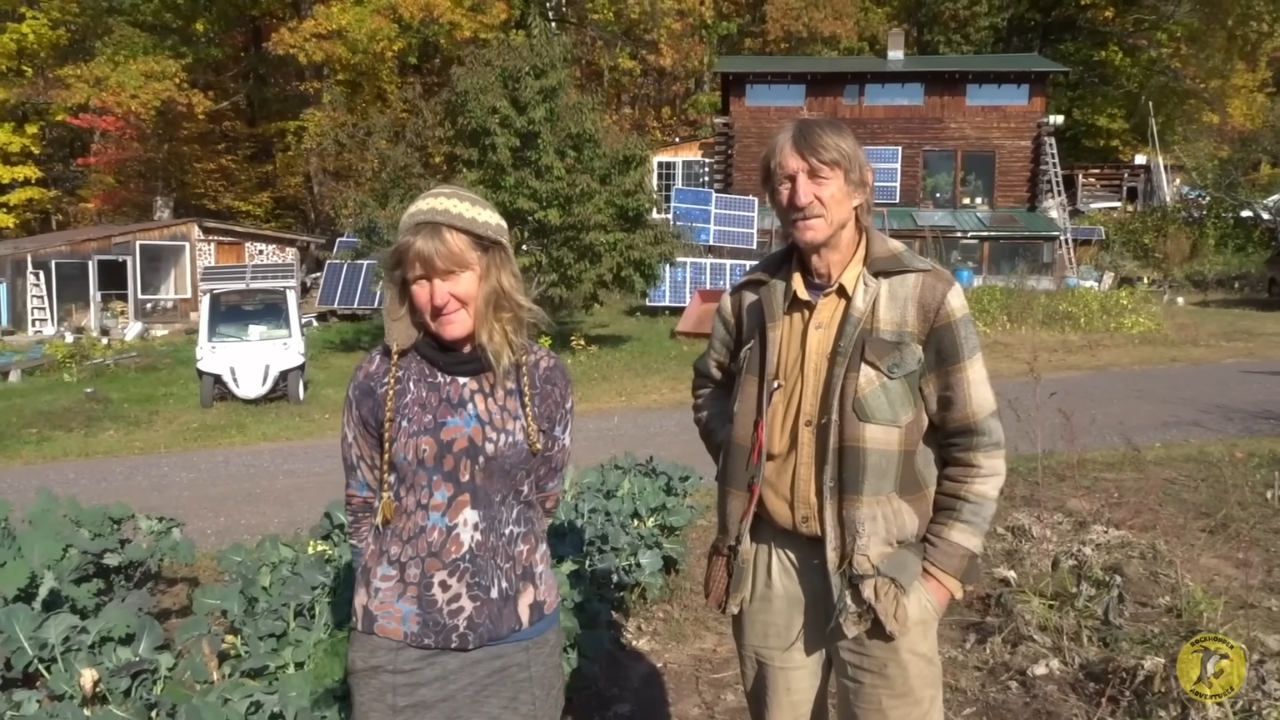
Life Off the Grid Reduced Utilities to a Minimum and Maintains Self-Generated Energy, Food, and Heating with a Direct Impact on the Cost of Living
Living without connection to utilities is no longer a trend but a reality for a couple who has maintained this lifestyle since 1982, in a rural area of Wisconsin. Their routine involves self-generating energy, reusing materials, and producing food, which reduces fixed expenses to practically just taxes and a phone bill.
The experience shows that life off the grid does not depend solely on technology, but on planning, adapting to the environment, and making practical choices in daily life. Energy, heating, hot water, and food preservation work in an integrated manner, ensuring stability even during periods of intense cold.
In addition to reducing costs, the adopted model allows autonomy in the face of failures in public supply and creates a direct relationship between consumption, effort, and available resources, something increasingly sought after by those considering self-sufficiency.
-
The Brazilian colonial city that stopped in time and shares territory with a rocket launch base.
-
79-year-old woman challenges limits, visits 193 countries in the world after 56 years of planning and reveals the behind-the-scenes of a global journey that few have managed to accomplish.

-
These are the drivers who may stop paying tolls on highways in a project that promises to reduce costs for those who live from transportation in Brazil.

-
(Video): Italian pilot lands plane on moving train at 120 km/h and achieves unprecedented feat in aviation, even with a narrow runway and without direct visual contact.


House Built with Local Wood and Reused Materials Reduced Costs from the Start

The house was built with local logs, sawed and manually adjusted, with simple insulation between the pieces. Almost all materials came from a radius of 50 miles, including wood from local sawmills and reused items from demolitions and renovations.
Roof beams were made with logs salvaged from Lake Superior, wood that had sunk during the peak of the lumber industry. The interior maintains a natural finish, without paints, prioritizing a non-toxic and low-maintenance environment.
The construction took about one year, mostly done by the resident himself, with occasional help on specific tasks like the chimney. The result is a functional, efficient house adapted to the region’s climate.
Solar and Wind System Ensures Energy Even in Severe Winter

Energy generation combines solar panels and a wind generator. The solar system totals about 2500 watts, known as the 2.5k system, sufficient to power the house most of the time, even with several freezers running.
The panels include older models, some from the 1970s, mounted on mobile structures that adjust the angle according to the sun’s position and facilitate snow shedding in winter. This maintains production even in cold periods.
The wind generator has a maximum capacity of 42,000 watts, with an operational peak around 4 1/2 KW. The tower is 83 feet tall and has supported systems since the early 20th century, showing that old technologies remain effective when well maintained.
Heating and Hot Water Function Year-Round with Firewood
The heating of the house and cooking depend on firewood, used both in winter and throughout the year. The average consumption is between eight or nine cords annually, mainly of hardwood collected on the property or obtained through recycling.
A wood stove with a thermal circulation system automatically heats the water, keeping a 55-gallon tank always hot while the stove is in use. The system operates without electricity, solely based on the principle of rising heat.
There is also a secondary wood heater in the basement, capable of providing hot water in about 15 to 20 minutes, ensuring redundancy in case of maintenance or prolonged absence.
Food Production, Preservation, and Barter Reduce External Dependence

Most food comes from their own land, with gardens, greenhouses, fruit trees, and livestock. Production includes about 2000 jars of jam per year, as well as preserves, cider, sauces, and dehydrated vegetables.
Freezers, a root cellar, and natural preservation techniques ensure stock during winter. Direct exchanges with neighbors are common, involving labor, fruits, eggs, and other products, without using money.
Even organic waste is managed in a controlled manner, with composting systems that respect agricultural use and avoid sanitary risks, maintaining a closed nutrient cycle.
Experience in Survival Program Strengthened Daily Practice
Life off the grid also led one of the residents to participate in the program Alone, filmed in a wilderness setting. The experience lasted 19 days, with a weight loss of 19 pounds, emphasizing the importance of nutritional and mineral planning in extreme situations.
Despite the difficulties, prior knowledge in cultivation, preservation, and use of natural resources showed a direct connection to the lifestyle adopted on the property, where constant adaptation is part of the routine.
The experience served as practical learning about physical limits and the importance of simple resources, like salt and hydration, essential elements both in the forest and in daily life off the grid.
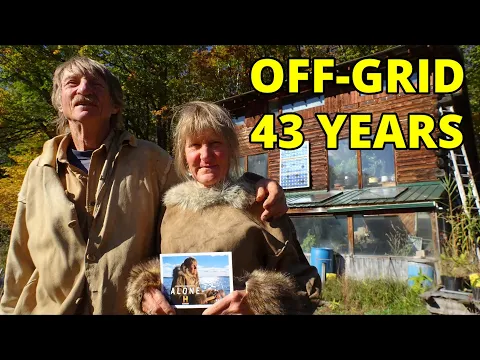

Living Off the Grid since 1982 shows that self-sufficiency doesn’t depend on total isolation, but on conscious choices, reuse, and technical knowledge accumulated over time. Self-generated energy, locally grown food, and simple systems ensure stability even in adverse scenarios.
The adopted model proves that old technologies, combined with modern solutions, remain efficient when well integrated. For those seeking to reduce fixed costs and increase autonomy, the experience shows that planning and adaptation make all the difference.






-

-

9 pessoas reagiram a isso.