





 Portuguese
  English
  Spanish
  5 min of reading
  0 comments


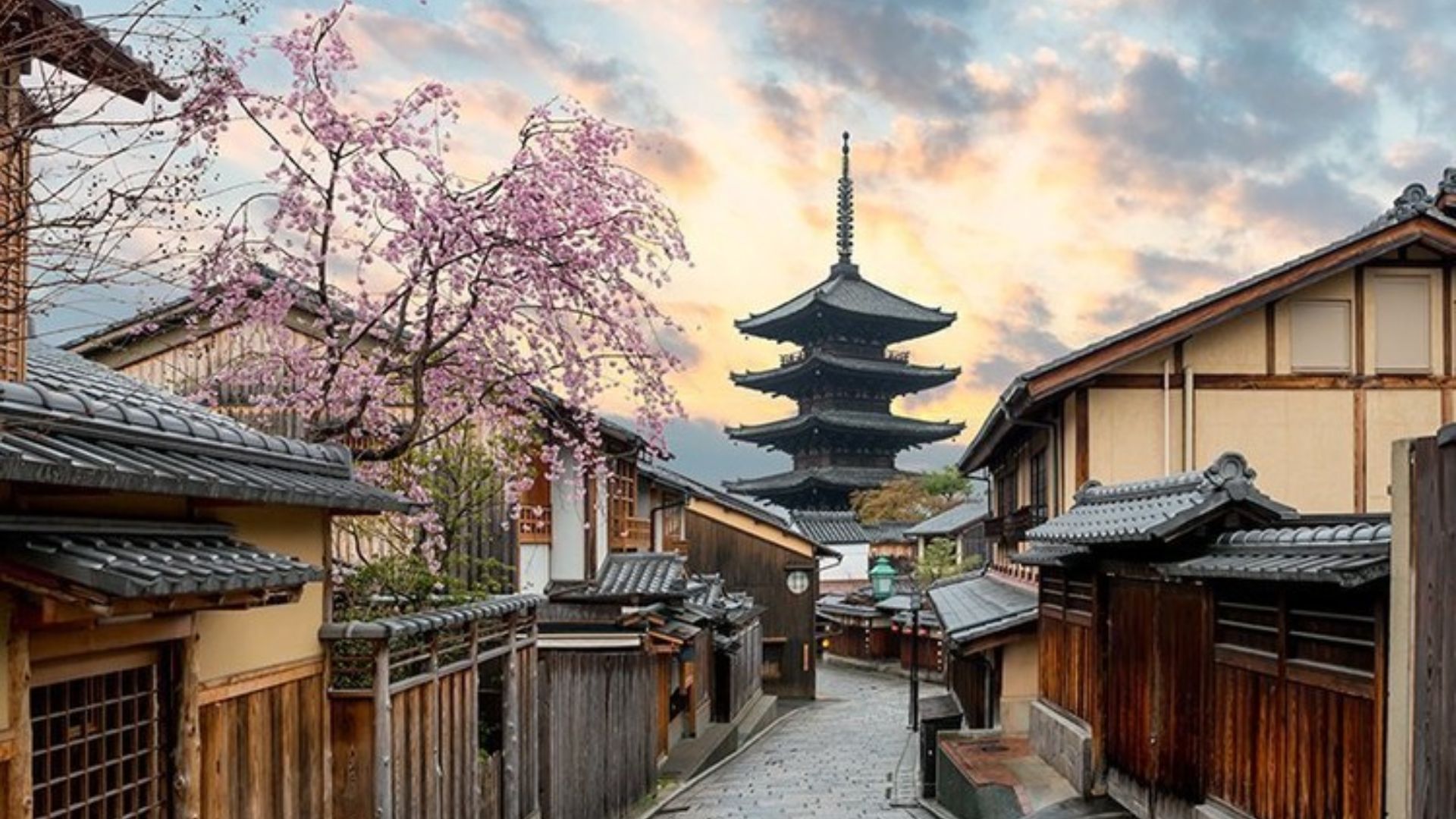
Akiya Attract Foreigners With Low Prices And Idyllic Scenarios, But Hide Structural, Bureaucratic Risks And Cultural Challenges That Many Investors Only Discover After The Purchase.
Japan today accumulates about nine million empty residences, many of which are seen by local residents as a financial and emotional burden, but viewed by foreigners as a rare opportunity to own a house in the country.
These properties, known as akiya, are advertised at low prices and end up attracting investors who often ignore warnings about the risks of earthquakes, complex bureaucracy, and renovation costs that are not mentioned in the listing.
The Explosion Of Empty Houses In Japan
Akiya are the most visible product of a demographic movement that has been dragging on for decades.
-
With a length of 399.9 meters and a capacity for over 24,346 containers, the MSC Irina becomes the largest ship in the world and revolutionizes global maritime transport.

-
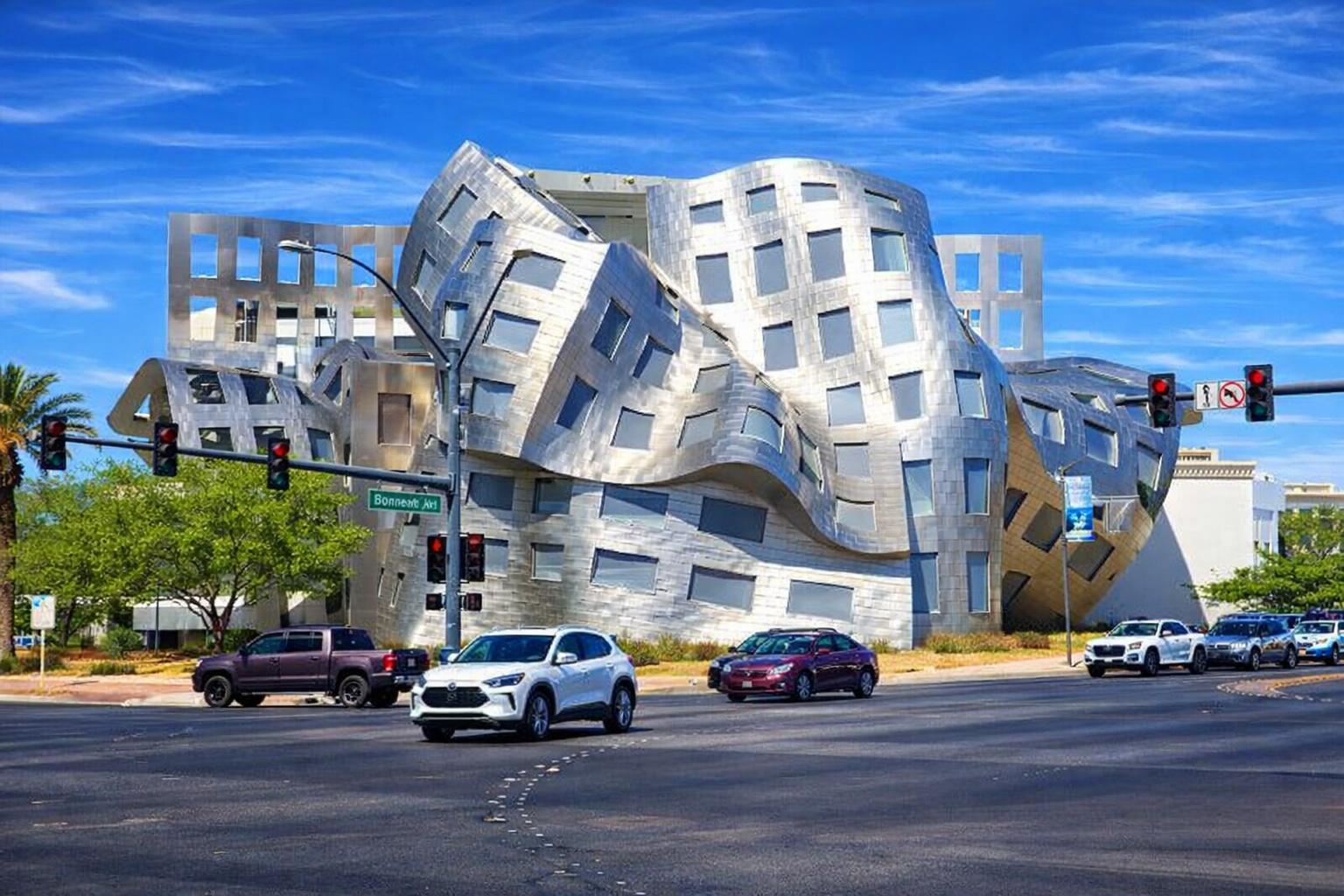
With nearly 6,000 square meters and an investment of $100 million, the building that seems to move in Las Vegas has a reflective stainless steel façade, creates optical illusions, and has become a symbol of creativity worldwide.
-
From Florianópolis to Antarctica non-stop at 60 years old: 1st Brazilian woman to sail solo makes history by facing one of the most dangerous routes on the planet.

-
A Brazilian recounted how a sudden malaise triggered the entire hospital machinery in the United States, with emergency protocols, tests to rule out a heart attack, and a bill that could reach $40,000.


With a declining and rapidly aging population, the country has seen the number of unoccupied homes reach a record high in recent surveys: there are about 9 million empty houses, equivalent to 13.8% of Japan’s residential stock.
The dimension of this volume is often explained by a simple image: if each house housed three people, there would be enough space to accommodate almost the entire population of Australia.

Studies by entities like the Nomura Research Institute also indicate that the problem is likely to worsen, with projections pointing to something close to 11 million akiya and a possible vacancy rate exceeding 30% of the total houses in the next decade.
Despite this, the fascination exerted by Japan among foreigners — for its safety, culture, and landscape — causes many to ignore that these empty properties are, for a large part of the Japanese, a symptom of crisis, and not just a real estate bargain.
Aging, Rural Exodus, And The Stigma Of “Cursed Houses”
A large portion of akiya arises when elderly residents die or move to long-term care facilities.
The houses become closed, accumulate damage, and end up inherited by children or grandchildren who live in large cities and have no interest in returning to the countryside.
In addition to physical distance, there is a relevant cultural factor.
In the Japanese market, a house over 30 years old is often classified as “old.”
The preference is for new constructions, partly due to safety standards and the history of frequent earthquakes.
As a result, renovating an old property often seems illogical for those who can buy something modern and better adapted to current regulations.
This practical view is compounded by beliefs and superstitions.
Homes where deaths, accidents, or traumatic situations have occurred are avoided by many buyers and may be treated as “cursed houses.”
Even when there is no formal record of tragedy, properties that have been abandoned for years, with a deteriorated appearance, also carry a stigma that is hard to remove.
Cheap Properties That Attract Foreign Investors

The contrast between local rejection and low prices has sparked the interest of buyers from outside the country.
In some regions, there are listings for akiya at prices around US$ 10,000, sometimes less, especially in small towns or rural areas far from large centers.
This movement gained momentum with the popularization of remote work and the search for more tranquil lifestyles after the pandemic.
For some foreigners, the combination of a lower entry cost, rural scenery, and the chance to live in a Japanese village seems irresistible.
Industry consultants, such as Tetsuya Kaneko from Savills Japan, report that the participation of international buyers has increased in recent years.
Many seek to transform the houses into short-term rentals, vacation spaces, or even retirement homes.
However, Kaneko highlights that the initial appeal often hides a set of risks that local residents are well aware of, but that are not always clear to foreigners upon first contact.
The Case Of The Swedish Man Who Lives Off Akiya
One of the most cited examples is that of the Swedish Anton Wormann, who moved to Japan in 2018 after a business trip and ended up transforming akiya into a source of income.
In six years, he bought seven properties of this kind and began working as a content creator and real estate investor.
According to him, the model only began to yield returns after an accumulated investment of about US$ 110,000 in renovations and adaptations, funds applied to recover the structures, upgrade installations, and meet local requirements.

With the portfolio ready, Wormann claims he now earns up to US$ 11,000 monthly from short-term rentals.
The Swede attributes the result not only to the amount invested but also to the time dedicated to learning the language, understanding local rules, and building relationships with neighbors, agents, and municipal authorities.
He summarizes the experience with a direct warning: “You cannot arrive without understanding how Japan works and invest blindly, because you would end up losing money.”
Expensive Renovations, Heavy Bureaucracy And Seismic Risk
To outsiders, the acquisition price is often the most visible aspect.
However, experts insist that the main expense is usually in the renovations.
Many akiya spend years without maintenance, with damaged roofs, leaks, outdated electrical installations, and weakened wooden structures.
In older properties, especially in areas subject to heavy snow or high humidity, it is common for structural repairs to be so extensive that the final cost exceeds the market value of the renovated house.
In such a scenario, investors looking for quick returns rarely find what they are looking for.
This is compounded by a particularly sensitive factor in Japan: earthquakes.
Many empty houses were built before stricter seismic regulations, increasing the risk during moderate or strong tremors.
Without adequate structural reinforcement, there is a risk of partial collapses, roof falls, or severe damage in landslides and severe storms.
In addition to engineering, the bureaucracy is also burdensome.


Foreigners who do not master Japanese face barriers in reading contracts, interpreting zoning rules, and the requirements for property registration.
In many cases, it is necessary to deal with different municipal agencies, notaries, and architectural offices before the house can be occupied or offered for rent.
When Even Finding The Owner Becomes A Challenge
Even if the interested party is willing to renovate or, as a last resort, demolish and build everything anew, there is a frequent obstacle: discovering who the legal owner of the property is.
With the exodus of young people to large cities, many heirs have lost their connection to their family’s area of origin.
Some do not update records, others move abroad, or simply do not want to assume the cost of taxes, maintenance, and potential demolition.
The result is entire blocks of empty houses, especially in the countryside, creating so-called “ghost villages.”
In these localities, closed facades, tall weeds, and deteriorating structures further deter young families.





-

-

-

-

7 pessoas reagiram a isso.