





 Portuguese
  English
  Spanish
  4 min of reading
  1 comment


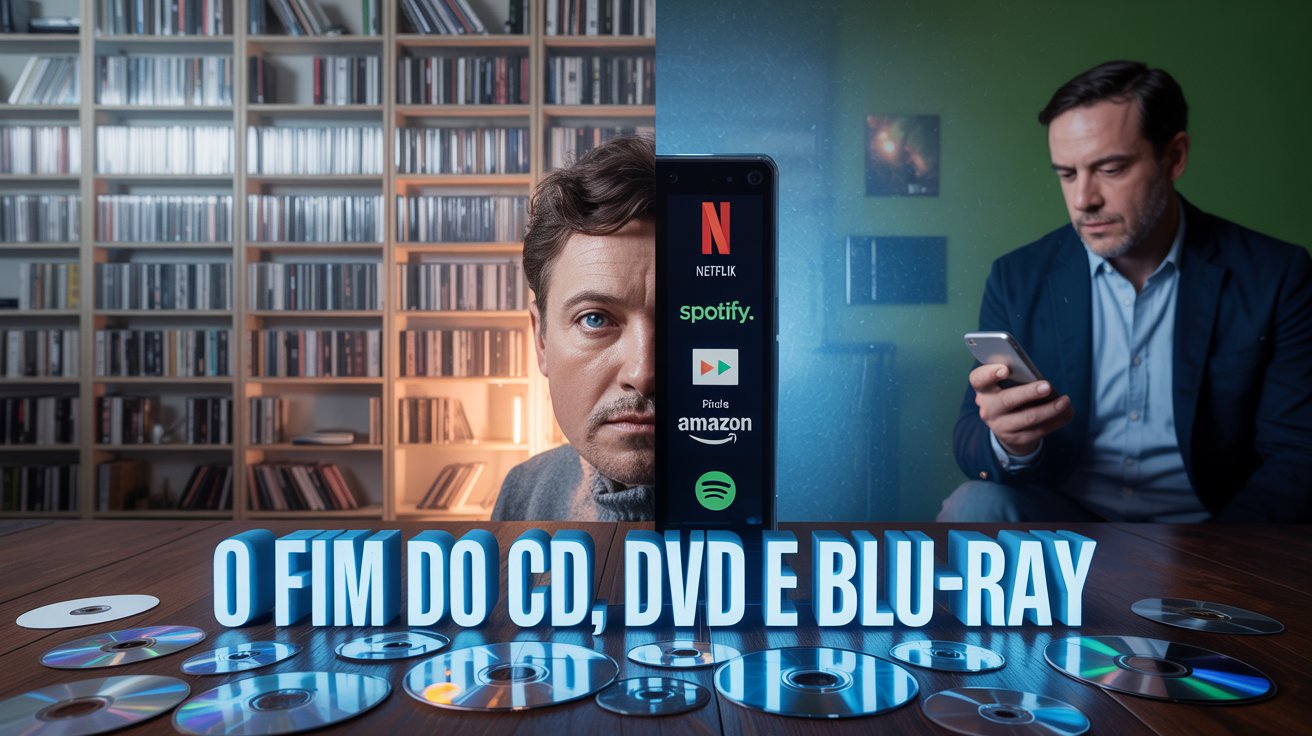

The Decline Of CDs, DVDs And Blu-rays Has A Clear Villain: Streaming. But Why Do These Media Still Survive In 2025?
If you were born before the 2000s, you probably collected CDs, burned DVDs, or even rented movies on Blu-ray.
But with the rise of streaming and digital clouds, these physical media have lost ground at an impressive speed.
What seemed to be the future of technology in the 90s and 2000s has, in just a few years, become almost a museum item.
But after all, what killed CDs, DVDs and Blu-rays?
And why do they still endure, even in a world dominated by platforms like Spotify, Netflix, and Apple TV+?
-
Tourists on Everest were poisoned by guides who mixed substances in food to provoke false symptoms of altitude sickness while helicopter operators and hospitals charged inflated rescue fees to insurance companies.

-
Few people know this, but Neil Armstrong, one of the most famous NASA astronauts in history, survived the Korean War after jumping from the plane during his seventh combat mission aboard the USS Essex aircraft carrier of the United States.

-
Diving with a camera in Lake Furnas reveals a submerged city with an entire street, almost intact houses, a preserved bridge, a wood stove, a Kombi, and even a bus at the bottom of the largest lake in the Southeast.

-
Iceland accidentally drilled into a magma pocket at 2,100 meters and revealed that the extreme heat beneath the crust could pave the way for a new source of continuous energy.

The Meteoric Rise Of Discs
In the 1980s, CDs (Compact Discs) hit the market as a revolution.
More sound quality, durability, and portability compared to LPs and cassette tapes.
In the 1990s, DVDs (Digital Versatile Discs) dominated the video market.
They offered better image, interactive menus, and extra content.
Then there were Blu-rays, launched in the early 2000s, which promised to be the future of home entertainment with HD resolution and later, 4K.
For two decades, these physical media were symbols of status, technology, and collection.

The Final Blow: Streaming
The real turning point came with the popularization of broadband internet and streaming services.
Instead of buying discs, users started paying subscriptions for enormous catalogs of music and movies available instantly.
Spotify, Netflix, Amazon Prime Video, Apple Music, and other platforms offered convenience, savings, and mobility.
Three fatal advantages for discs.
Why carry CD cases or organize a shelf of DVDs when everything can be on your phone?
Moreover, manufacturers themselves began to abandon optical drives.
Many newer laptops and consoles no longer include disc drives, making access to physical media even more difficult for today’s users.
The Announced End… But Not Absolute
Despite the decline in sales and mass interest, CDs, DVDs, and Blu-rays have not completely disappeared.
On the contrary: there are market niches where these media remain relevant.
Collectors and Nostalgics
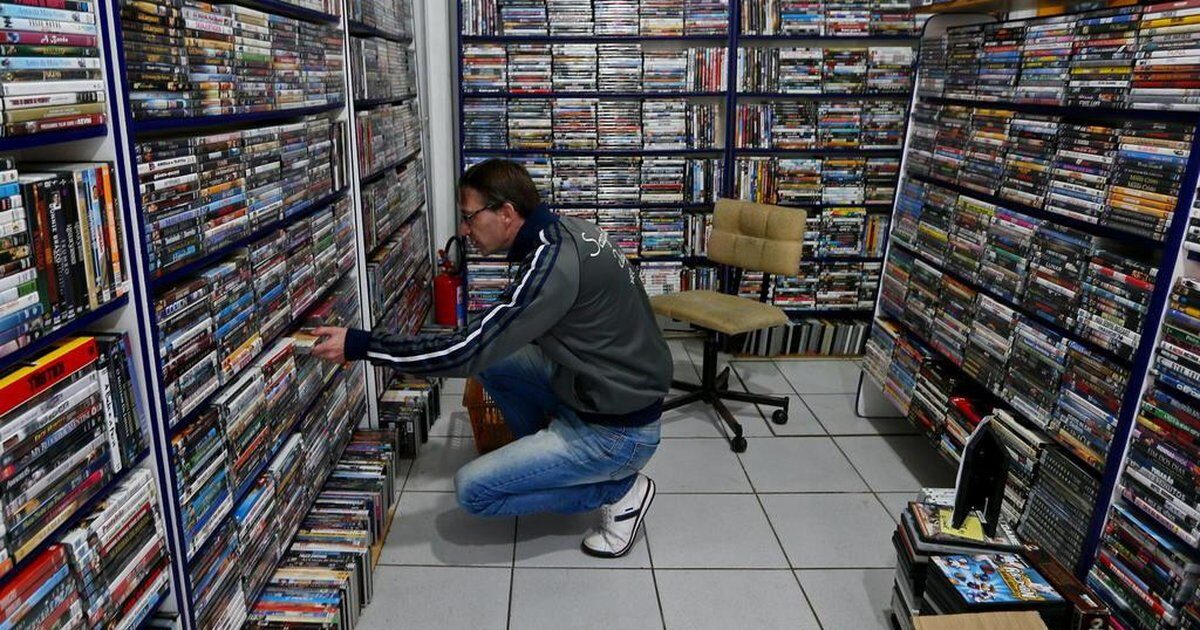
Just as vinyl records have regained popularity among audiophiles and vintage music lovers, CDs and DVDs have begun to attract the interest of those who miss the pleasure of “owning” the physical object.
There is a sense of control, nostalgia, and even prestige in maintaining a well-organized collection.
Lack Of Quality Connection
In many regions of the world – and even in Brazil – the internet is still slow or unstable.
In these places, physical media remains the best way to access movies, music, and games.
Cultural And Editorial Value
Special editions of movies on Blu-ray, featuring interviews, director’s cuts, and exclusive material, still do well among cinephiles.
These items become true cultural relics.
Durability And Control
Unlike digital files, which depend on servers, licensing contracts, and system updates, a physical DVD or CD remains accessible forever (as long as it’s well cared for).
You can see, hear, or lend it whenever you want, without the risk of the platform “removing” the content.
The Market Reacts With Nostalgia (And Strategy)
Brands and artists have noticed this movement and have started betting on limited editions and physical versions of digital releases.
Music albums come with inserts, exclusive photos, and even freebies.
Movies are released in collector’s editions with elaborate packaging.
Moreover, there is a thriving second-hand market.
Sites like OLX, Mercado Livre, and groups on social media keep the exchange and sale of used discs alive.
Some even worth more today than when they were released.
Does Blu-ray Still Have Breath?
Among all optical media, Blu-ray is the one that still finds the most resistance to disappearing completely.
This is because it offers superior image quality compared to standard streaming, especially on limited connections.
Cinephiles seeking maximum sound and image quality still prefer watching movies on Blu-ray or 4K Ultra HD Blu-ray,
since streaming often applies compressions that affect the experience.
Companies like the Criterion Collection in the US and Japanese distributors continue to invest heavily in these media, aimed at a demanding and loyal audience.


The Future: Coexistence Or Definitive End?
While it is unlikely that physical media will return to their peak, their complete demise also seems distant.
What we see is coexistence: digital dominates daily consumption, but physical remains as a niche item, emotional memory, or symbol of quality.
The death of discs was declared too soon.
And, as has happened with vinyl and cassette tapes, it may be that CDs and DVDs still experience a small resurrection – albeit discreet.
And You, Do You Still Keep Your CDs, DVDs, Or Blu-rays? Or Have You Completely Migrated To Digital?
Tell us in the comments what was the last disc you bought – and whether you still have a collection at home!









Eu trabalho com vendas de dvds a 18 anos e as vendas sempre acontecem graças as colecionadores, e agora também está tendo colecionadores de posters dos filmes e está aumentando a cada dia.