





 Portuguese
  English
  Spanish
  3 min of reading
  0 comments


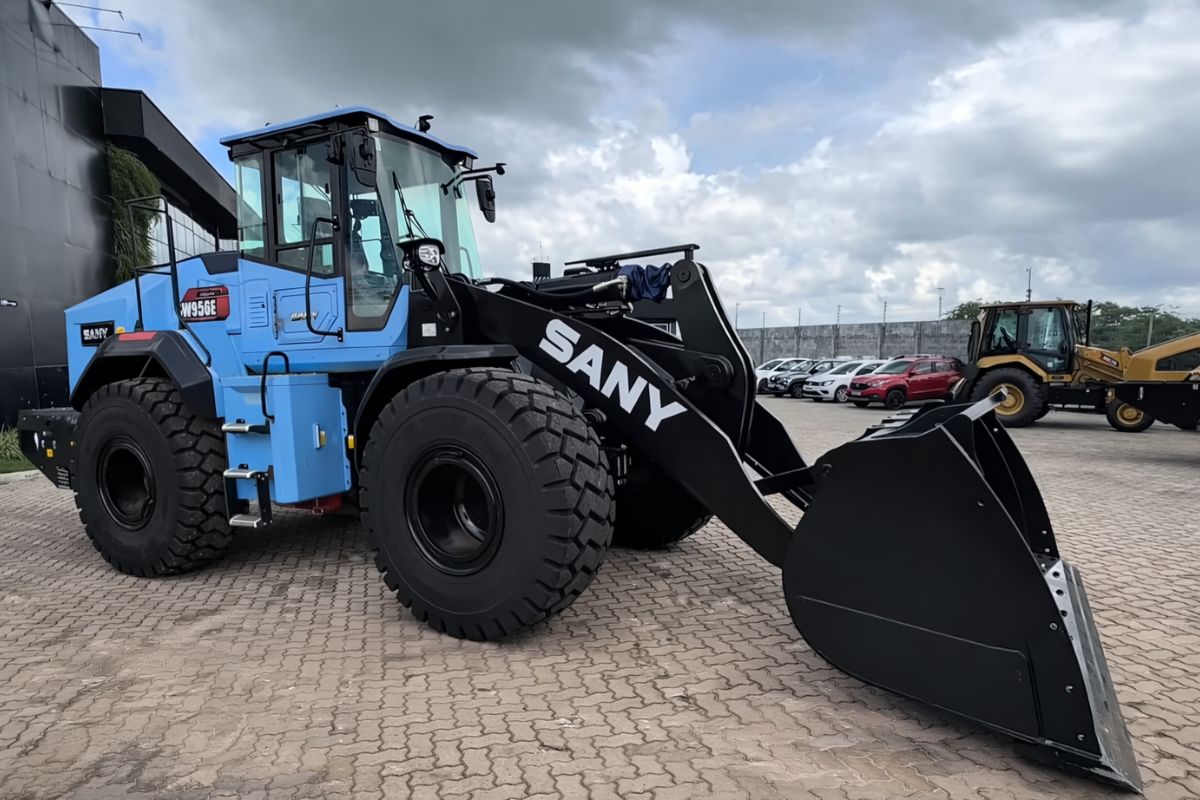
Presented by S Baldessar, the 100% electric loader promises to operate without diesel, with low maintenance costs, less noise, and is suitable for civil construction, steelmaking, agriculture, and confined operations
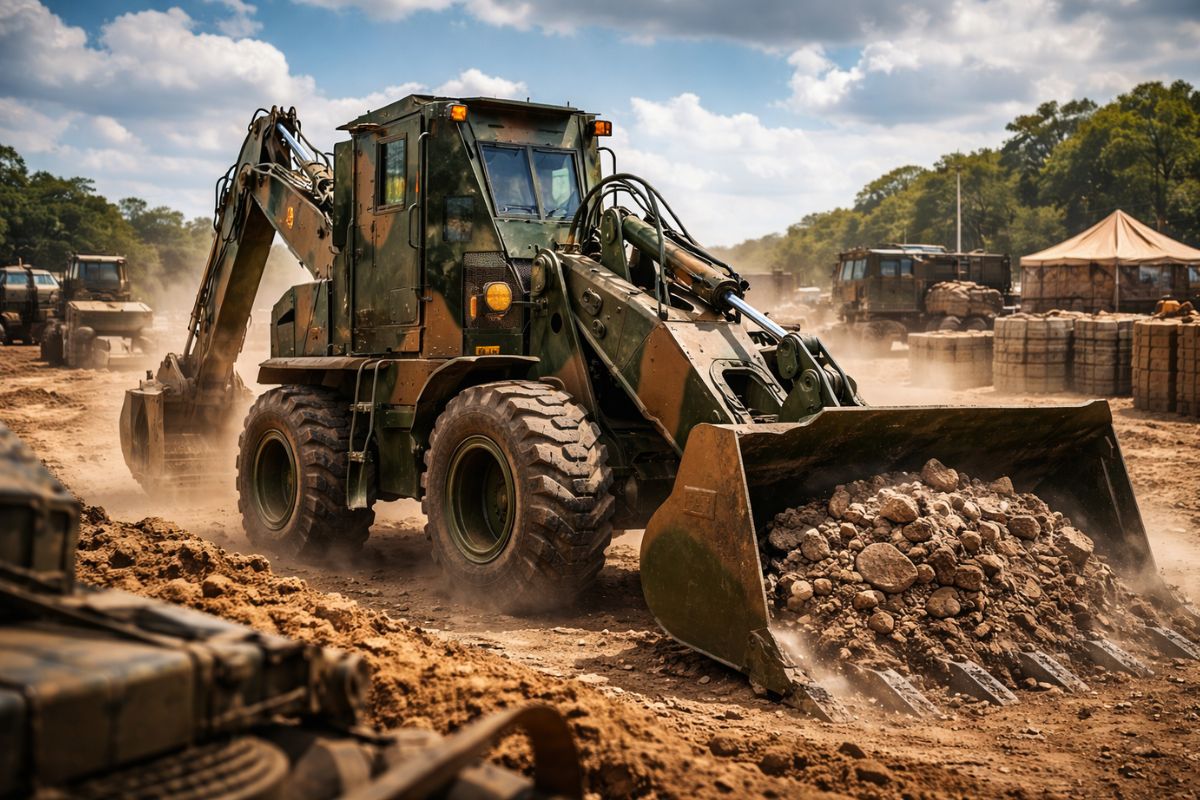
S Baldessar gathered entrepreneurs from the civil construction and mining sectors in Ceará to showcase, for the first time, the arrival of the first 100% electric loader weighing 19 tons that will operate in the state. The highlight of the night was the proposal for productivity without fuel use, focusing on safety and very low maintenance costs, according to the presentation.
The model presented is the SW956E, with charging at 380 V and a promise of recharging from 20% to 80% in 50 minutes, reaching 100% in up to 1 hour and 10 minutes. The machine also drew attention for its operational silence and quick torque response, according to reports during the demonstration.
What was presented in Ceará

The presentation was described as a “new fact” for the state: the first 100% electric loader aimed at 19 tons entering the local market.
-
Casa Tupin in Brasília seems to float with exposed concrete and prestressed beams, 12 pillars support everything and without windows, it uses floor-to-ceiling openings in glass, cobogó, and small bricks in the internal courtyard.

-
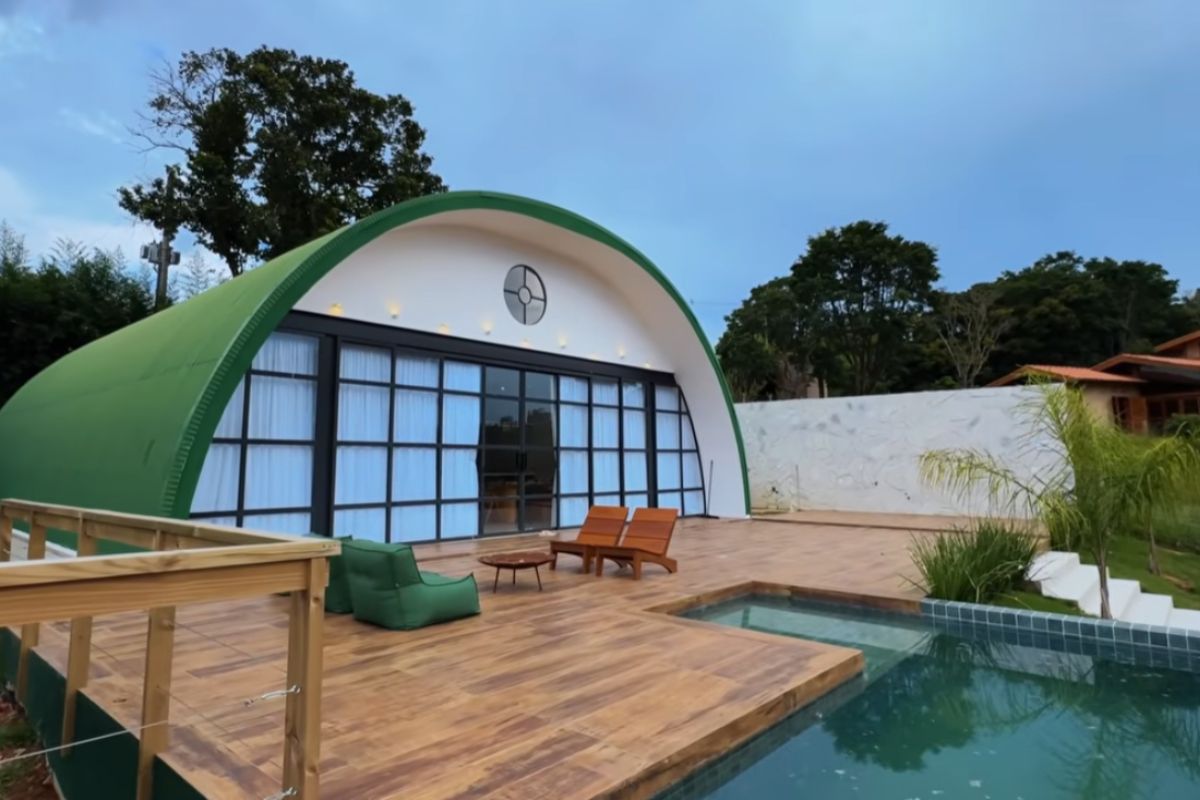
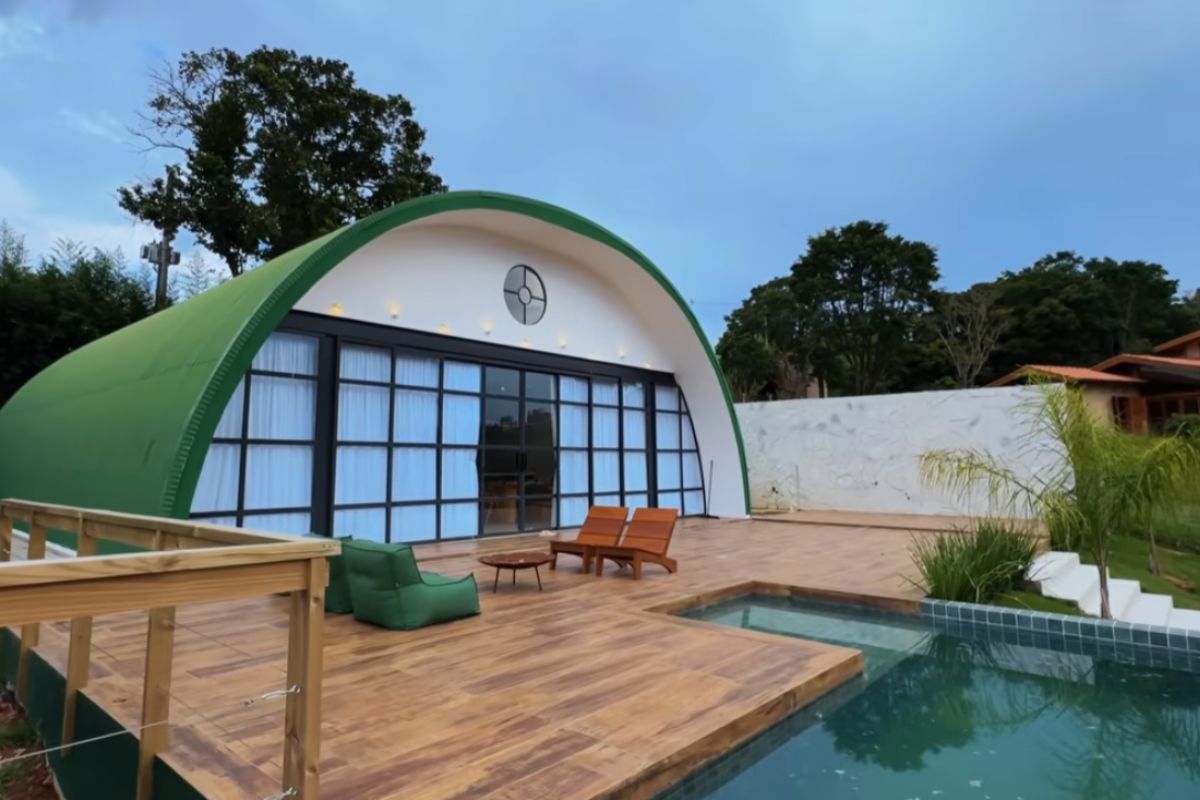
An architect transformed a hangar into a curved house with a view of the reservoir: a metal structure assembled in a week, glass doors, bold colors, toucans in the bathroom, and a design full of stories.
-
An architect transformed a hangar into a curved house with a view of the reservoir: a metal structure assembled in a week, glass doors, bold colors, toucans in the bathroom, and a design full of stories.
-
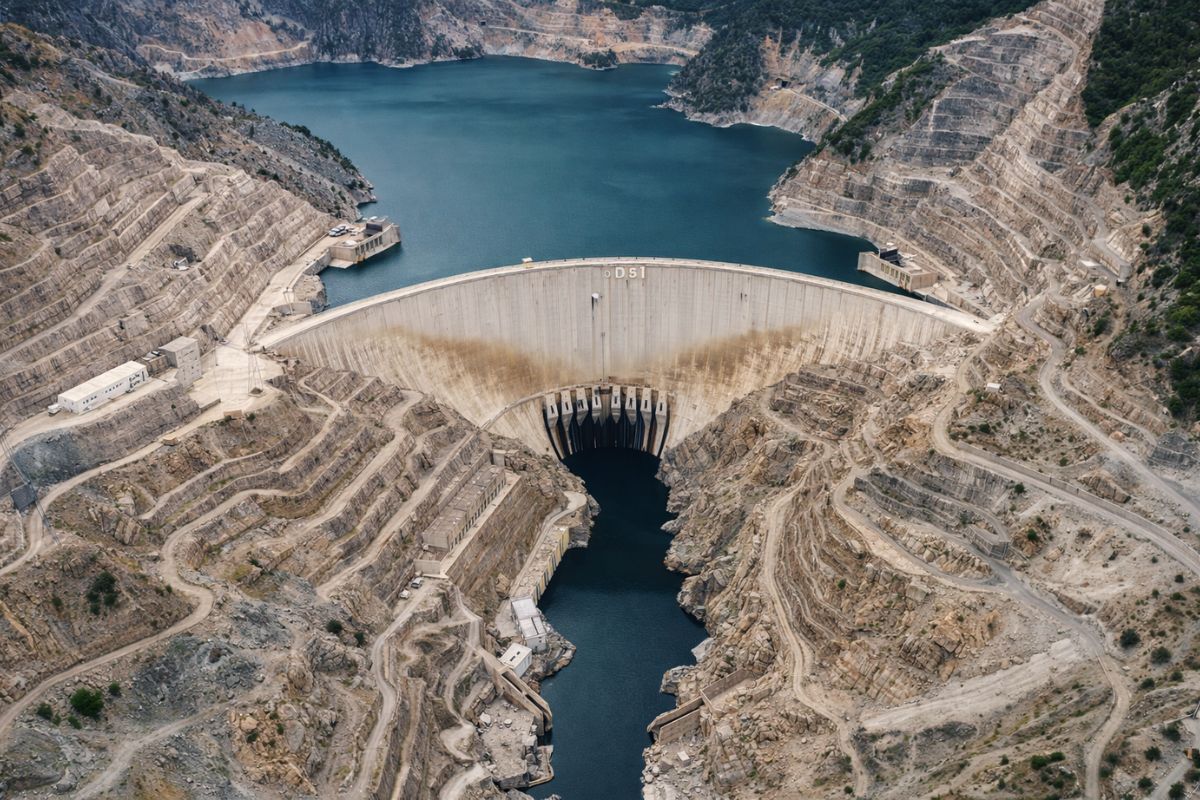
In Turkey, the Yusufeli dam nestled in a canyon sets a record: a concrete arch of 275 m, river diverted through a tunnel, 4 million m³ of concrete, 558 MW, and energy for 2.5 million people.
The event highlighted the use in material handling, focusing on productivity and safety, avoiding diesel consumption.
During the demonstration, the machine simulated operational movement in front of the audience. The idea was to practically show how the 100% electric loader behaves in a work rhythm, and not just in technical specifications.
SW956E: capacity, bucket, and speed
The mentioned model is the SW956E. The presented configuration includes a bucket of 3.5 m³ and a maximum speed reported of 40 km/h.
The 100% electric loader was also pointed out as suitable for mining, steelmaking, civil construction, agriculture, and confined environments.
Besides the size, the event’s speech reinforced the operational gain by eliminating fuel and reducing associated maintenance costs.
For those operating heavy machinery every day, the central argument is simple: keep the operation running with fewer stops and fewer wear items related to diesel engines.
Charging: 380 V and quick recharge window
The recharging was one of the most repeated points. It was reported that a 380 V charger is used, with a charging time of 20% to 80% in 50 minutes and a full charge in up to 1 hour and 10 minutes.
In practice, this was presented as an advantage for continuous operations, as the recharge window can fit into shift changes and scheduled breaks.
The promise is that the 100% electric loader will not depend on refueling logistics and will reduce the “downtime” associated with fuel.
Where the machine will operate and why it matters


It was mentioned that the first unit already has a defined destination and should operate in a plant called a “mixing plant,” described as a mixing facility.
In the report, the routine involves intense material movement, referencing about 900 tons per day and resupply for the plant, including small-sized material that requires constant handling.
This type of scenario was used as a showcase of the benefit: if the 100% electric loader can handle a heavy daily cycle, it becomes proof of concept for other operations in the state.
What caught attention in the test: silence and torque
During the event, one point mentioned with enthusiasm was the noise. The absence of noise was highlighted as a differentiator, along with the torque considered quick and strong.
This connects with the proposal for use in confined operations and in environments where comfort, communication, and safety in the surroundings make a difference.
There was also a tone of “machine of the present,” suggesting that, for part of the audience, electrification has ceased to be a distant promise. The 100% electric loader was presented as a ready solution to enter the construction site, not as a prototype.
Quick question: do you think the 100% electric loader will become standard first in mining or in civil construction?






Seja o primeiro a reagir!