





 Portuguese
  English
  Spanish
 3 min of reading
  1 comment


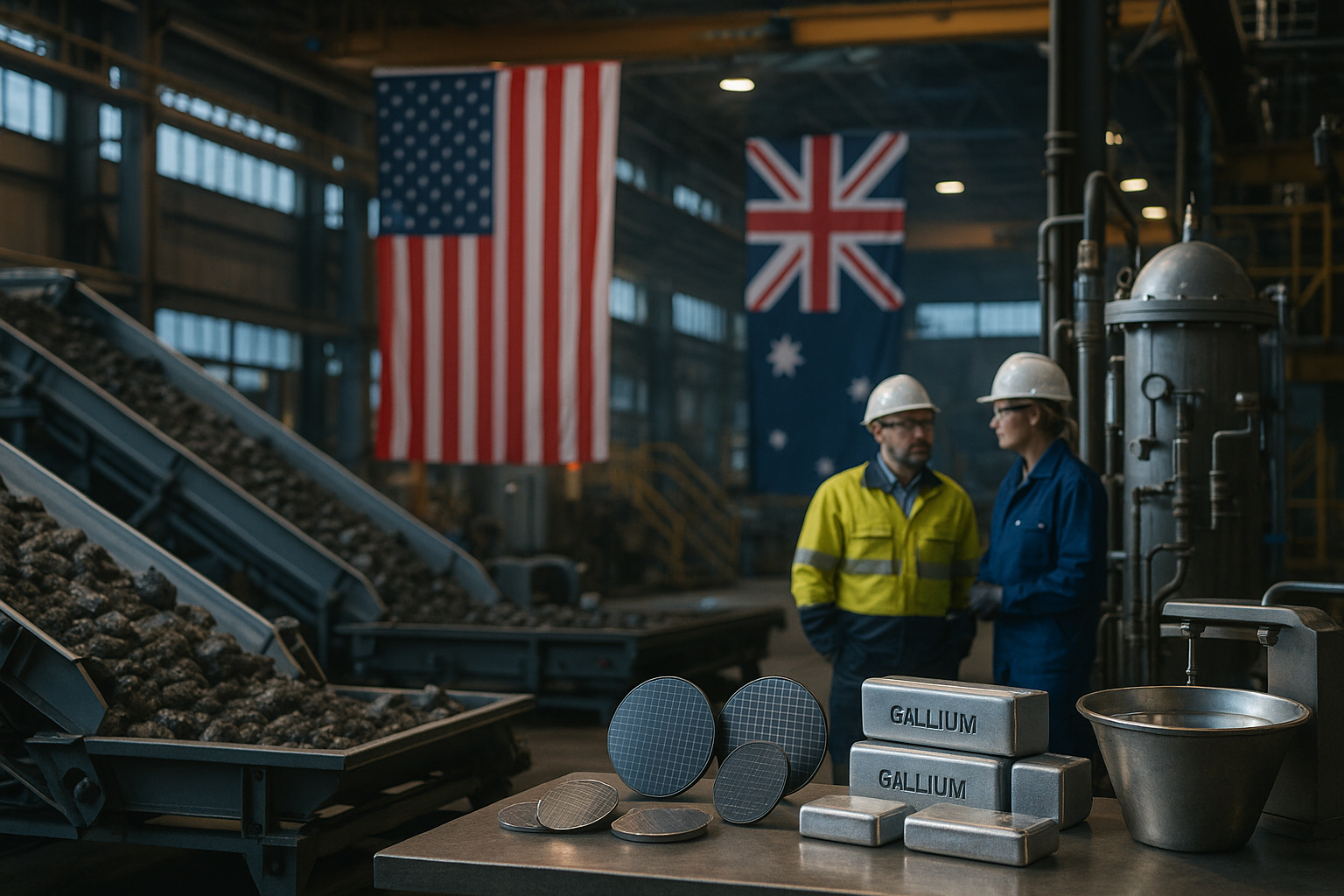

Center in Poços de Caldas Boosts Western Autonomy in the Critical Minerals Supply Chain and Promises to Start Operations by the Second Quarter of 2026
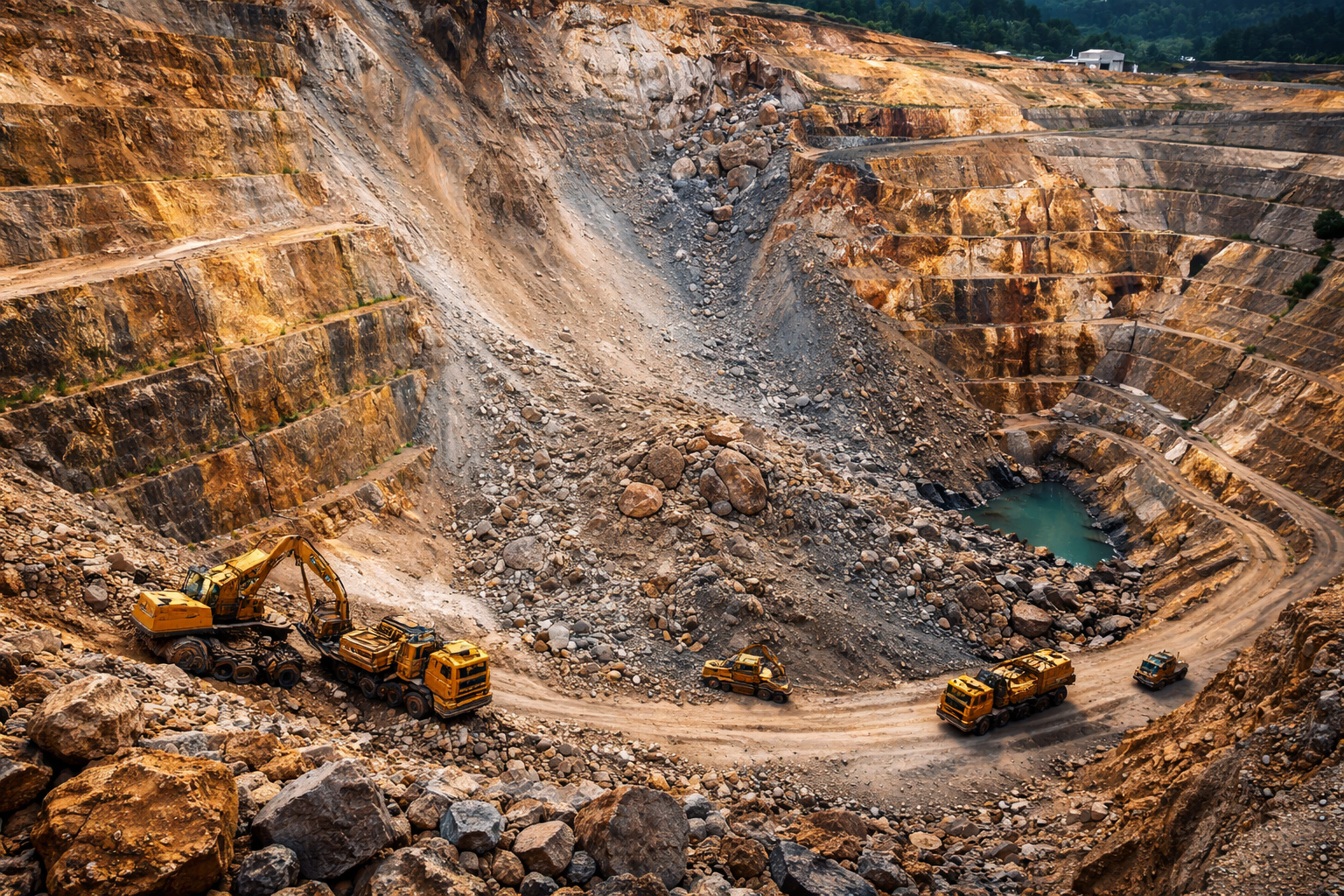
The mining company Viridis Mining & Minerals, based in Australia, announced on October 20, 2025 the establishment of a rare earth research and processing center in Poços de Caldas (MG). This initiative represents a significant step toward technological independence from China, which still dominates over 80% of global refining of these strategic minerals. Additionally, the project strengthens Brazil’s position as a new hub for the production of materials essential for the energy transition.
Independent Strategy and Western Focus
The new center will be located in the Poços de Caldas industrial park, 7 kilometers from Viridis’ mining concessions. The facility will serve as a base for experimental production of mixed rare earth carbonate, a compound essential in the refining chain of these minerals. In this way, the initiative aims to strengthen Western autonomy in strategic sectors such as wind turbines, electric vehicles, and defense equipment, which heavily rely on Chinese inputs.
The pilot plant will have the capacity to process 100 kilograms of raw ore per hour. Furthermore, it will be used to test technical parameters, improve operational efficiency, and prepare for the commercial expansion of the project. The start of operations is scheduled for the second quarter of 2026, according to information from the mining company. As stated in the announcement, the center will produce qualified samples for potential offtake partners, companies that may secure pre-contracts for future production purchases, ensuring predictability and attracting investors.
-
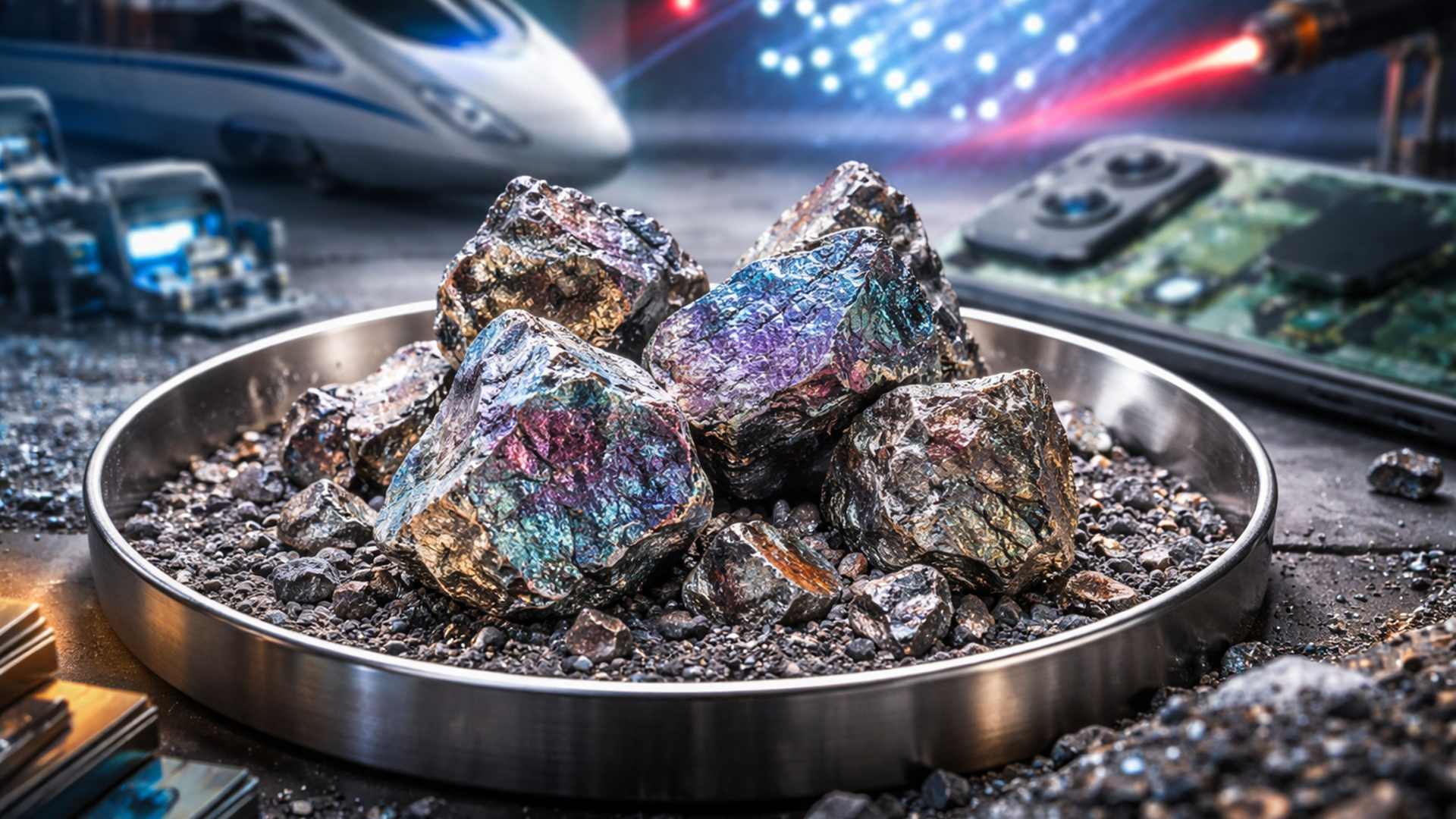
Rare earths are in everything, from cell phones to bullet trains, and what almost no one realizes is why they have become the target of such a delicate global war.
-
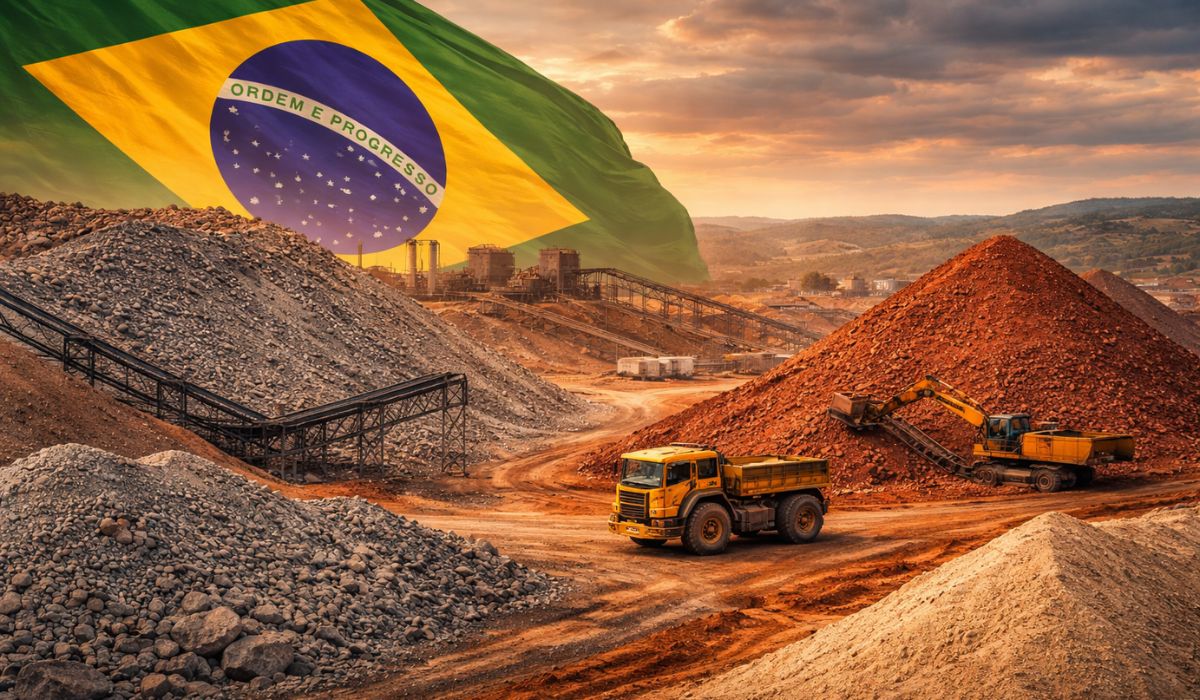
Brazil extracts 26.3 million tons of ore from what was previously treated as waste, transforming residues into wealth, producing over 3 million tons of sand, and demonstrating how national mining is relearning to generate value.
-
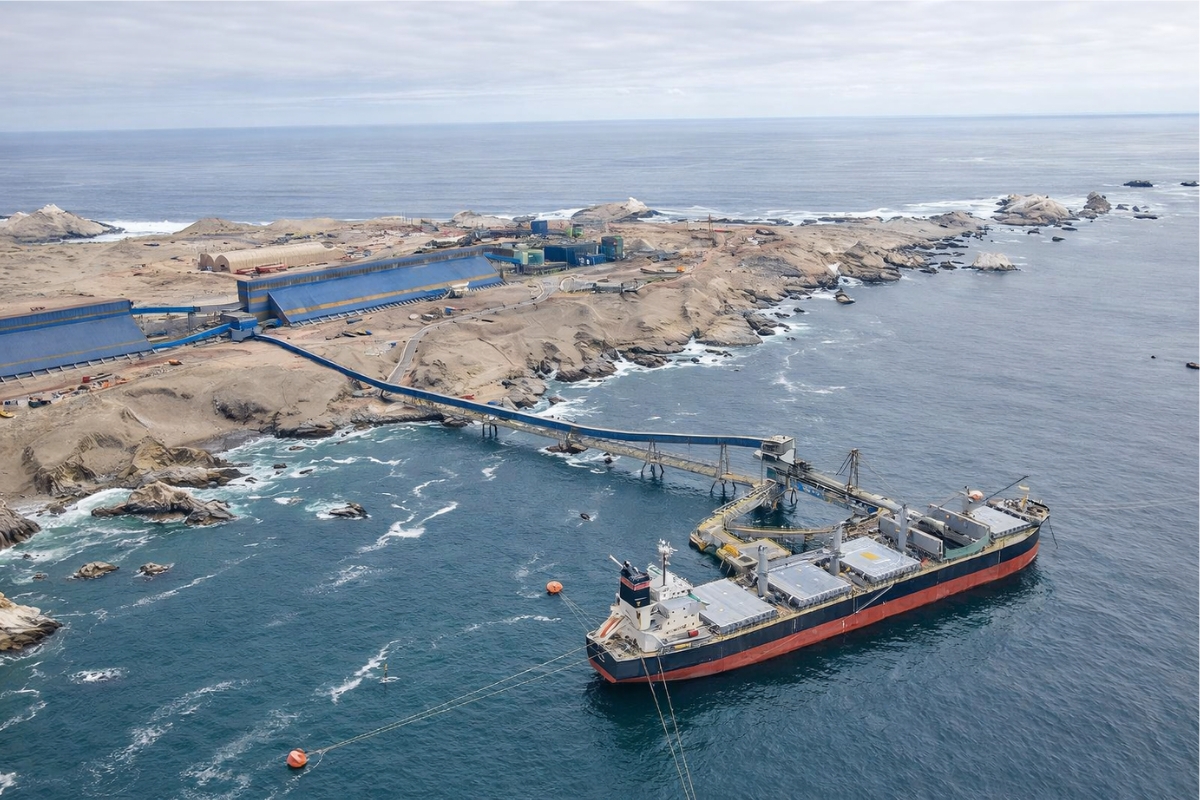
A $3.5 billion megaproject in Latin America pumps desalinated seawater at 1,050 liters per second over 194 km to keep a copper supermine in the Andes operational for another 20 years.
-
A hidden mine in the Andes valued at nearly R$ 1 trillion is starting to attract global attention, containing copper, gold, and silver, and raises an intriguing question: why do Argentina and Chile need to act together to exploit this gigantic wealth?

Global Context and Chinese Control
The announcement comes at a time of tightening of China’s export controls over minerals known as rare earths. Since October 9, 2025, the Chinese government has required prior authorization to export products containing even trace amounts of these elements, according to the Xinhua News Agency. As a consequence, Western countries have intensified their search for new reliable suppliers, including Brazil.
This measure reinforces the need to diversify supply chains and reduce global dependence on China. Thus, the move by Viridis Mining & Minerals stands out as part of a strategic international repositioning. With this, the West begins to see Brazil as a key partner in the production of critical minerals, essential for clean and sustainable technologies.
Colossus Project and Focus on Sustainability
The new center is part of the Colossus Project, developed by Viridis in Minas Gerais, aimed at exploring ionic clay reserves rich in rare earths. These reserves have the potential to produce neodymium, praseodymium, terbium, and dysprosium, elements used in the manufacturing of high-power magnets employed in electric motors and wind turbines.
Viridis Mining & Minerals reported that environmental licensing is an absolute priority at this moment. The Environmental Impact Study and Report (EIA-RIMA) was submitted in January 2025, and the company is awaiting the issuance of the preliminary license, according to information sent to the Australian Securities Exchange (ASX). Furthermore, the company emphasized that all operations will follow international sustainability standards, demonstrating its commitment to environmental and social responsibility.
Technological Independence and Strategic Vision
The decision to completely eliminate inputs, equipment, and Chinese technology is part of a firm long-term strategy. According to Viridis Mining & Minerals, the goal is to ensure total independence from the Chinese supply chain, reduce vulnerabilities, and ensure stability in global supply.
“This proactive approach keeps Viridis protected from potential delays, restrictions, or disruptions, especially after the increase in Chinese demands,” stated the mining company. Thus, the Colossus Project establishes itself as one of the few Western ventures able to advance independently, reinforcing the technological autonomy of the West.
Viridis Mining & Minerals also reported that the definitive feasibility study is in the final phase and will be completed by June 2026. With this advancement, Minas Gerais solidifies itself as a new global hub for sustainable rare earth supply, strengthening the position of Brazil in the global energy transition.







Thank you for the auspicious writeup It in fact was a amusement account it Look advanced to far added agreeable from you However how can we communicate