





 Portuguese
  English
  Spanish
  4 min of reading


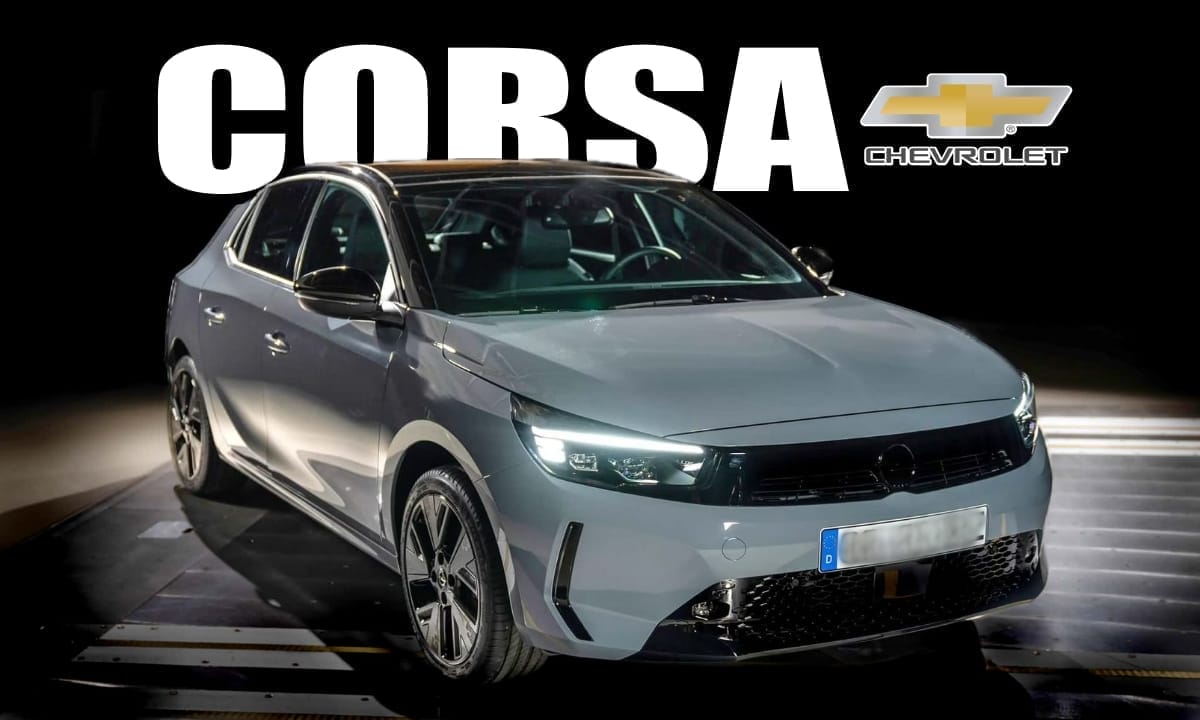
Competing with Volkswagen Gol, Fiat Uno, and Ford Escort, the Corsa Remained in Production Until 2012, with Over 3 Million Units Produced!
Imagine the scene: you are watching the Jornal Nacional and, suddenly, a Chevrolet ad appears with an unusual request – Don’t buy the new Corsa. This happened in March 1994, when André Beer, then vice president of General Motors do Brasil, made a national appeal for moderation in the purchase of the hatch launched that same year. His message was clear: “Don’t rush, help us keep the price of the Corsa fair.” In this context, “fair price” meant adhering to the value set by the government’s popular car program, around R$ 7,500, equivalent to R$ 94,625 in current values.
The Explosive Demand for the Corsa Wind 1.0: Customers Were Paying Up to 50% Over MSRP to Have One of These in Their Garage
Launched in January 1994, the Corsa Wind 1.0 only reached dealerships in February, and the demand exceeded all expectations. The success was so overwhelming that customers were willing to pay up to 50% over MSRP to have one of these in their garage immediately. The official justification for limited production was a supposed bottleneck in the painting line at the Chevrolet factory in São José dos Campos, São Paulo. However, the reality was different. Those responsible for the production line, skeptical about the Corsa’s potential success, did not increase orders for the components needed for assembly, leading to a dramatic imbalance between supply and demand.
Realizing the mistake, a crisis committee was formed. The emergency suggestion was to put André Beer, a charismatic figure, on television, asking impatient consumers for patience. Despite this, dealerships were still overcrowded the day after the announcement. A more effective measure was taken: transferring the production lines of the Kadett and Ipanema models to the Chevrolet unit in São Caetano do Sul, freeing up space to increase Corsa production in São José dos Campos. This solution, however, only materialized in November of that year.
-
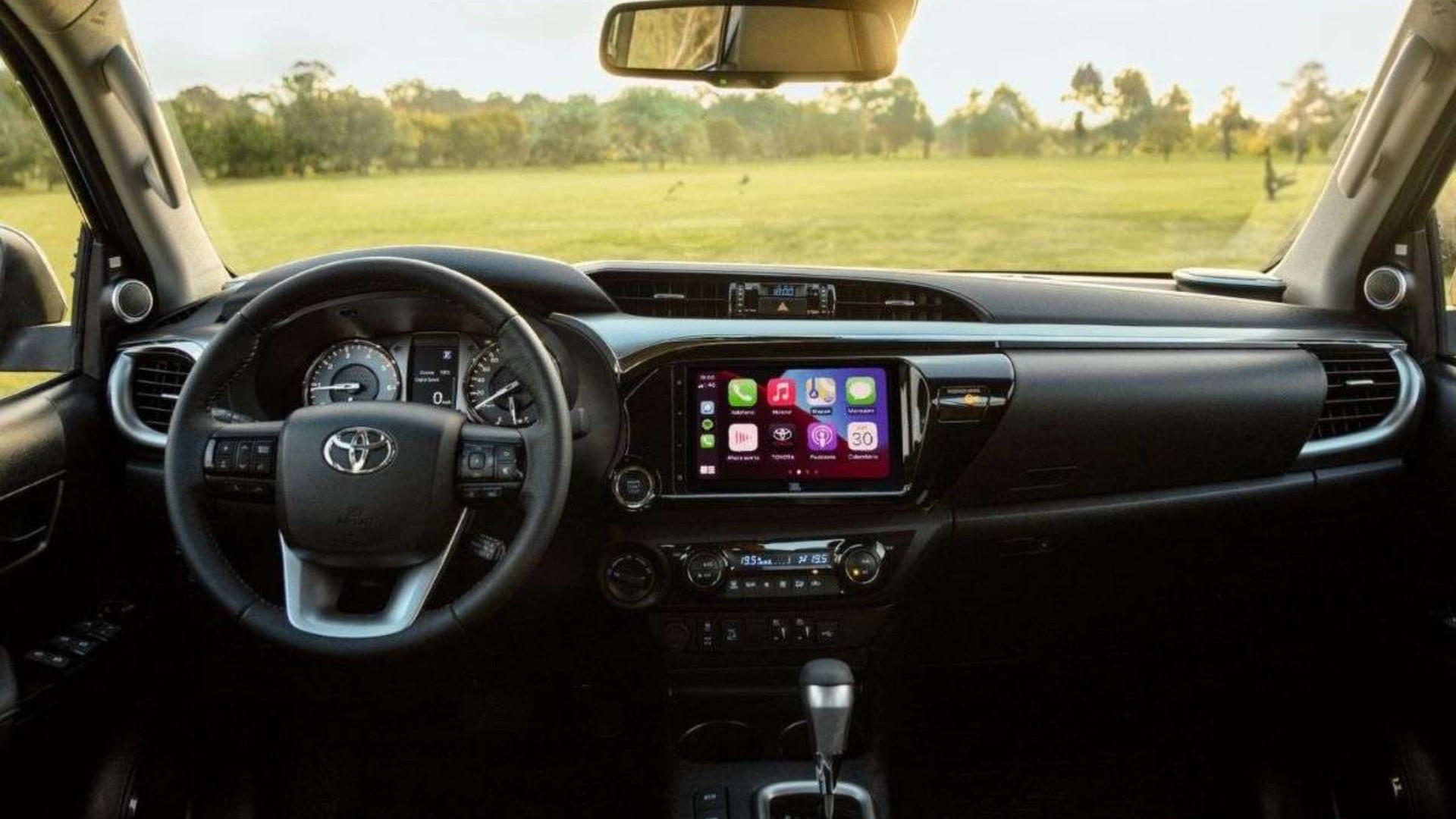
The Toyota Hilux is R$ 75.5 thousand cheaper and bets on the 2.8 turbodiesel engine with up to 204 hp and 50.9 kgfm to catch up with the VW Saveiro, which leads with 4,472 sales.
-
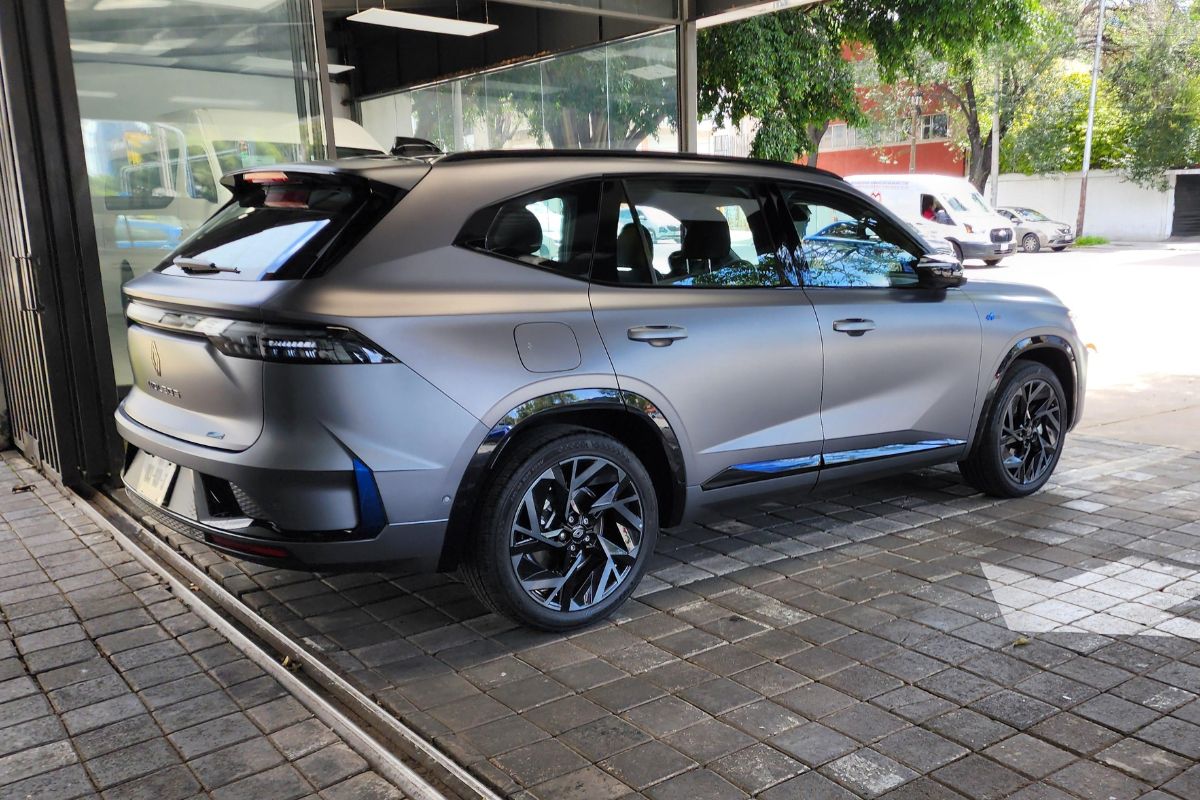
The new Renault Koleos has a screen exclusively for the passenger that is invisible to the driver, heated rear seats, and 29 assistance systems, but its Chinese competitors cost R$ 40,000 less and deliver more power.
-
The car stored for 38 years: when opening the barn door, what appears is breathtaking and looks like a scene from a movie!

-
Fiat works miracles in the Brazilian market, lowers the price of its 0 km hatch to R$ 69,990, reestablishes the model as the cheapest car in the country, and reignites the battle against Kwid and C3.

Chevrolet Corsa vs. Volkswagen Gol 1000, Fiat Uno Mille, and Ford Escort Hobby: A Battle of Giants
There are no specific numbers on the Chevrolet Corsa Wind, but General Motors’ data is impressive: in November 1994, 9,201 units of the 1.0 and 1.4 versions were produced. The car became a true phenomenon, with 60,000 units sold in its launch year and 150,000 the following year. The Corsa was not just another car on the market; it revolutionized the concept of automotive design at that time, competing with models from Volkswagen, Fiat, and Ford.
Putting the Corsa side by side with its competitors of the time, such as the Gol, Fiat Uno, and Escort, it is clear why it was so popular. Under the leadership of Hideo Kodama, head of design at Opel, the Corsa, inspired by the Peugeot 205, stood out for its curved lines, designed to be not just seen, but desired. Furthermore, the newest darling of Brazilians featured innovations such as single-point AC Rochester injection and superior quality finishing, setting it apart from competitors by offering a level of driving comfort previously unthinkable for a popular car.
The Chevrolet Corsa not only met but exceeded consumer expectations, offering a unique combination of aesthetics, performance, and comfort. This differentiation was crucial in establishing Chevrolet as an innovative leader in the automotive market.
Chevrolet Corsa and Its Impact of Over Two Decades: A Sales Phenomenon with Over 3 Million Units Produced
In Brazil, the Corsa expanded, generating a family of vehicles that included sedan, wagon, pickup, and the Meriva minivan. It remained in production until 2012, with over 3 million units produced and two remarkable generations. André Beer, the visionary behind this success, passed away in 2019, leaving an invaluable legacy in the automotive world.
Even after being discontinued in 2012, the Corsa remains an icon. Chevrolet managed to create a car that was not just a means of transportation but an integral part of its owners’ lives. Its impact on automotive design and popular culture remains evident. The legacy of the Corsa, amplified by the vision of André Beer and his team, continues to influence the development of new models and market strategies.
I would love to know if you remember this story. Let us know in the comments section. Don’t forget to leave 5 stars and enable notifications from CPG to keep up with all the news in the automotive world. See you next time!








Seja o primeiro a reagir!