





 Portuguese
  English
  Spanish
  3 min of reading
  0 comments


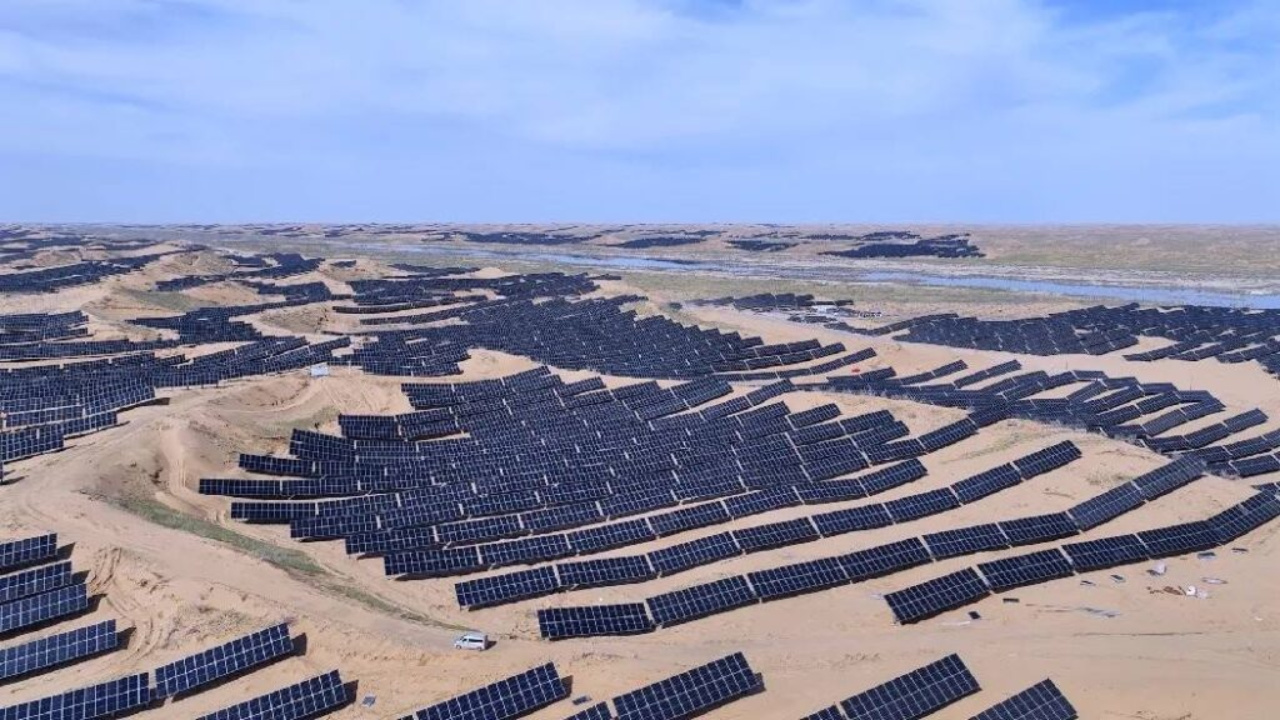
Global Report Shows China Leads Global Energy Transition With Strong Investment In Solar, Wind, And Electric Mobility. Country Breaks Clean Production Records And Reduces CO₂ Emissions.
China consolidates itself as the main driver of the global energy transition, driving advancements in solar, wind, and electromobility. According to the Global Electricity Mid-Year Insights 2025 report, prepared by the think tank Ember, the country produced 2,073 TWh of electricity from these sources in the 12 months up to June 2025 — a volume higher than that generated by hydropower, nuclear plants, and bioenergy, which totaled 1,936 TWh.
This result symbolizes a historical turning point in China’s electrical matrix, with a definitive predominance of renewable energies over traditional sources. The Asian country, which already led the global clean energy market, now broadens its advantage with accelerated growth and robust investments.
Unprecedented Expansion In Solar And Wind Energy
Between 2021 and 2024, the installed capacity of solar and wind energy in China more than doubled — rising from 635 GW to 1,408 GW. In the first half of 2025, generation from these two sources grew 27% compared to the same period in the previous year.
-
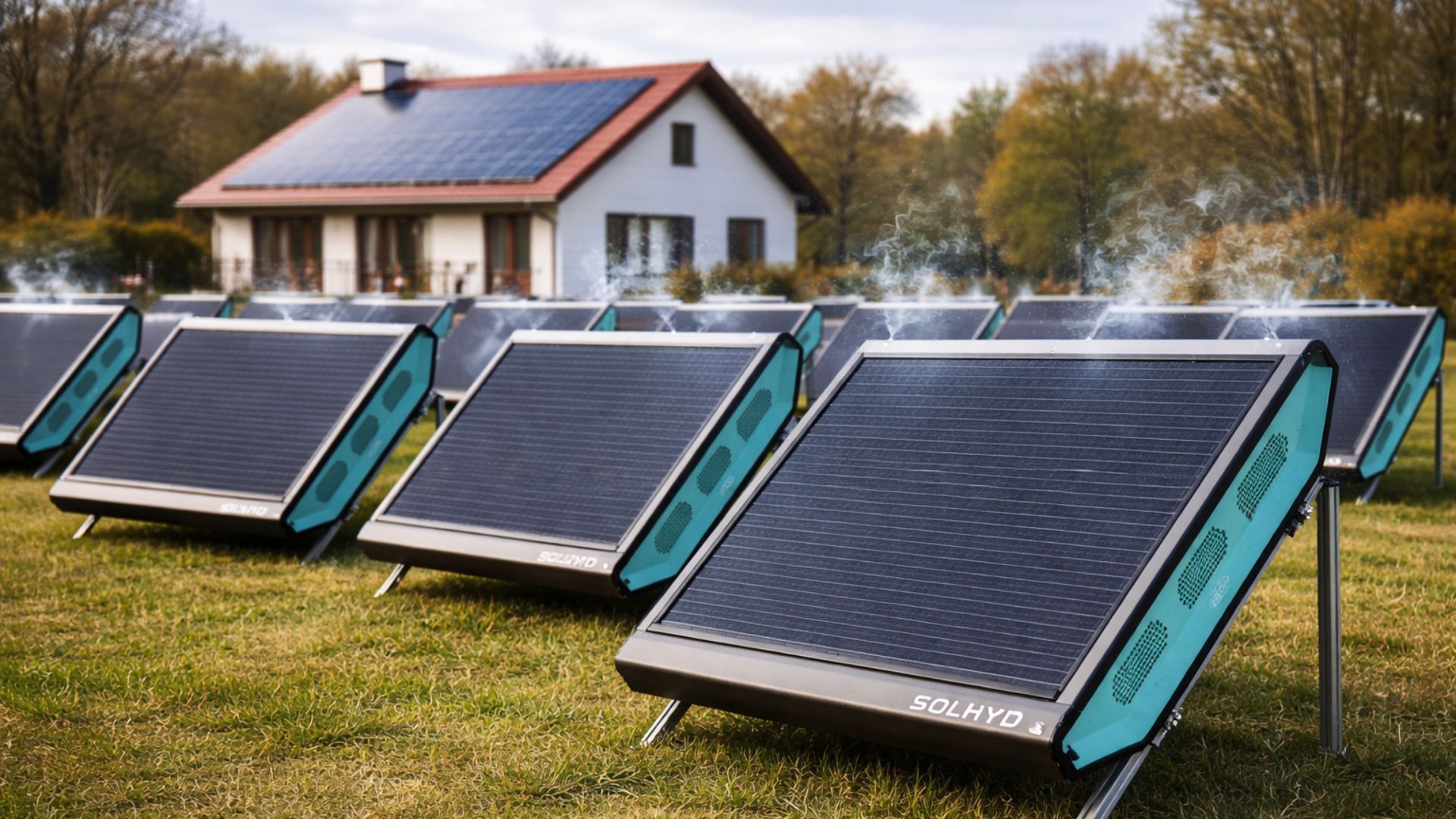
Green hydrogen at home: Belgium launches new technology that makes solar panels produce fuel from the moisture in the air, which could boost the energy transition.
-
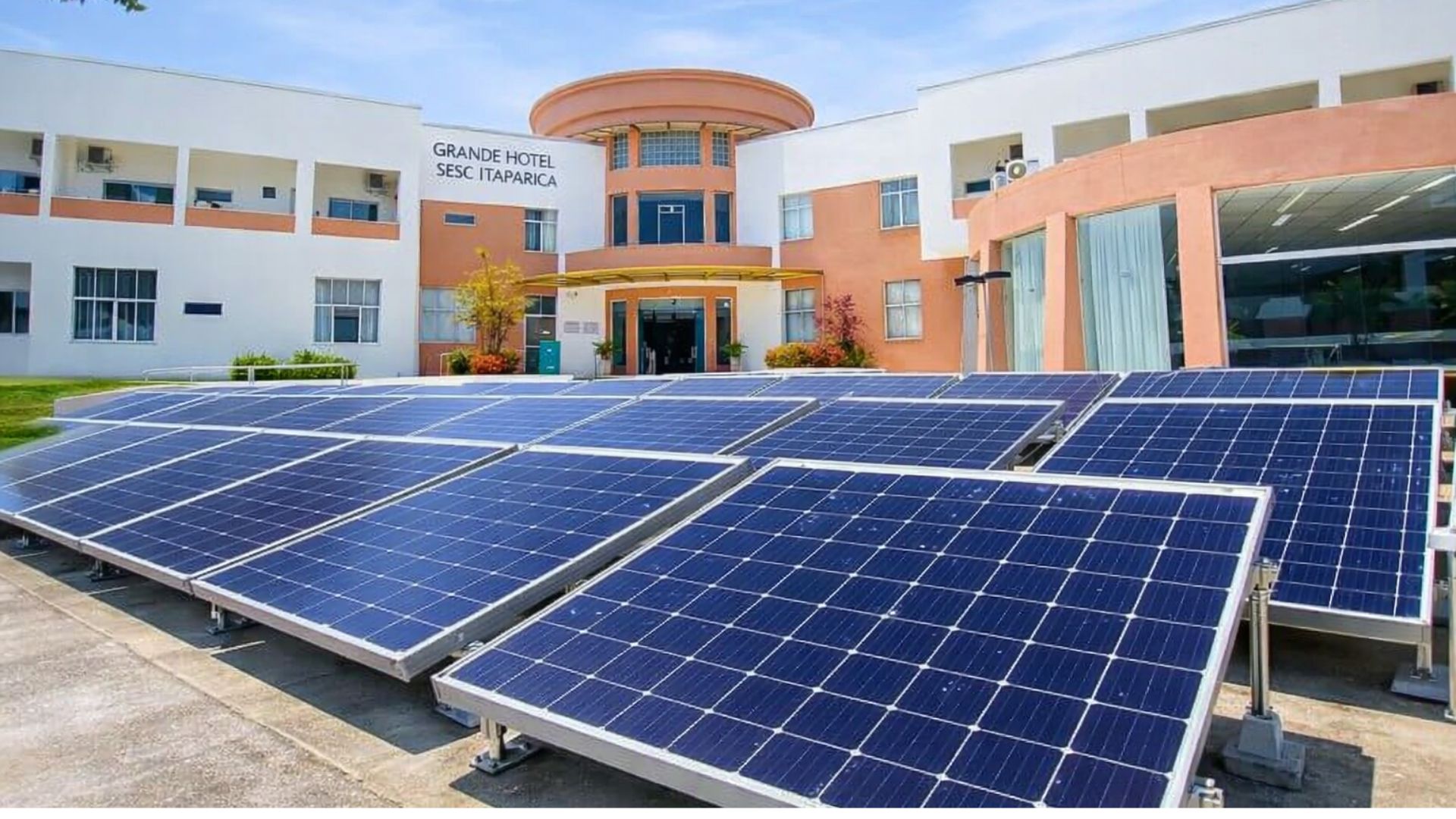
Sesc-BA bets on renewable energy with the support of EDP and drives the energy transition with a direct impact on cost reduction and the sustainability of its operations in Bahia.
-
Technology giant breaks global sustainability records: How Amazon’s leadership in renewable energy procurement transformed the global energy market in the past year.

-
Alert in the electric sector: Atlas Renewable Energy confirms billion-dollar investment and Brazil risks losing a share of the new investment in Latin America to neighboring countries.
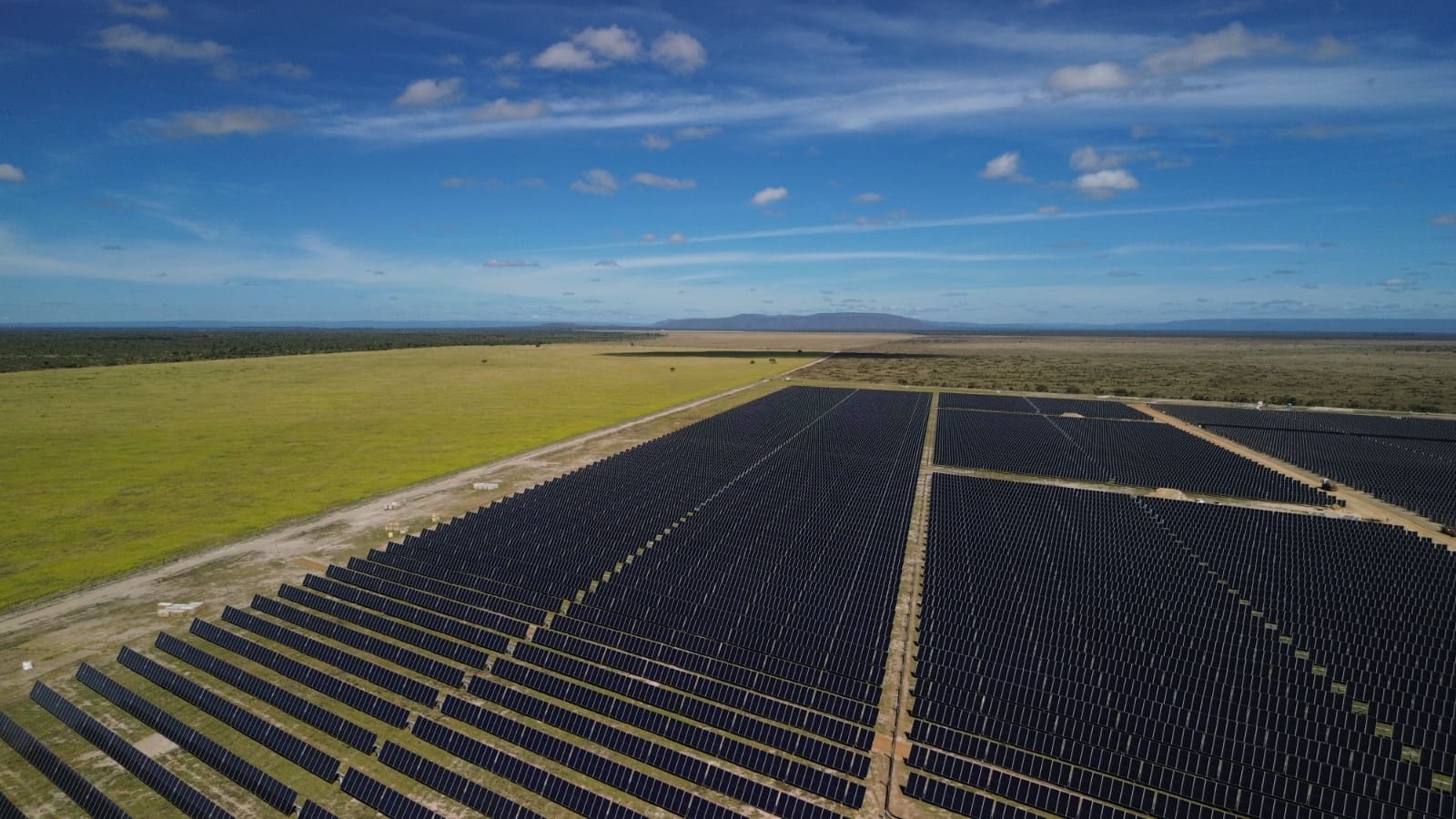

Currently, the combination of solar and wind already represents about 18% of the Chinese electrical matrix, double that recorded in 2020. This progress reinforces Beijing’s strategy to replace coal with clean sources and meet the growing energy demand sustainably.
Moreover, the sector’s expansion is driven by aggressive public policies, technological subsidies, and national climate goals that prioritize decarbonization and energy efficiency.
Record Investments And Focus On Energy Storage
The energy transition in China is also sustained by a significant volume of investments. In 2024 alone, the country accounted for 31% of all global investments in clean energy, equivalent to US$ 625 billion.
The highlight is in energy storage, one of the pillars to balance the intermittency of solar and wind sources. China has tripled its battery capacity in recent years, especially in lithium-ion systems, commissioning 37 GW/91 GWh in just 2024 — more than the United States and Europe combined.
This technological leap is deemed essential to ensure electrical grid stability and to allow the continuous advancement of renewables, even amid climatic variations.
Electromobility Drives New Phase Of Energy Transition
The Chinese energy revolution goes beyond electricity generation. The country also dominates the electric mobility sector, integrating industrial innovation and sustainability.
The share of electric vehicles (EVs) in Chinese automobile exports jumped from 7% in 2020 to 41% in the first five months of 2025. This shift places China at the forefront of global electromobility, surpassing traditional markets in Europe and the United States.
Emerging markets have become the main destination for Chinese EVs, with exports rising from US$ 0.5 billion in 2020 to US$ 16.5 billion in 2024. In Brazil, the impact is already noticeable: models like the BYD Dolphin Mini have arrived at affordable prices, while the BYD Seagull, sold in China for under US$ 8,000, is expected to enter the country at a competitive cost, depending on local policies.
Since 2020, Chinese companies in vehicles and batteries have announced US$ 80 billion in investments in factories outside China, including Brazil, Indonesia, and Thailand, consolidating a global ecosystem of clean production.
Reduction Of Emissions And Strengthened Climate Commitment
The results of the Chinese energy transition are already reflected in global emissions. In the first half of 2025, the country fully met its electricity demand with renewable sources, reducing coal use and significantly decreasing greenhouse gas emissions.
While China reduces its environmental impact, other countries, such as the United States, face challenges. Increased consumption and the inability to meet demand solely with clean sources forced the country to revert to coal, raising its emissions by 33 million tons of CO₂.
During the leaders’ meeting on climate and just transition, held in April 2025 by the UN and the Brazilian government, China reaffirmed its firm stance in the face of the climate crisis. “The world may change, but China will not slow down its climate actions,” stated a Chinese government representative, reinforcing the political and financial commitment to global transition.
This position solidifies the country as a protagonist of the new global green economy, directly influencing energy, industrial, and environmental policies worldwide.








-

-

2 pessoas reagiram a isso.