





 Portuguese
  English
  Spanish
  6 min of reading
  0 comments


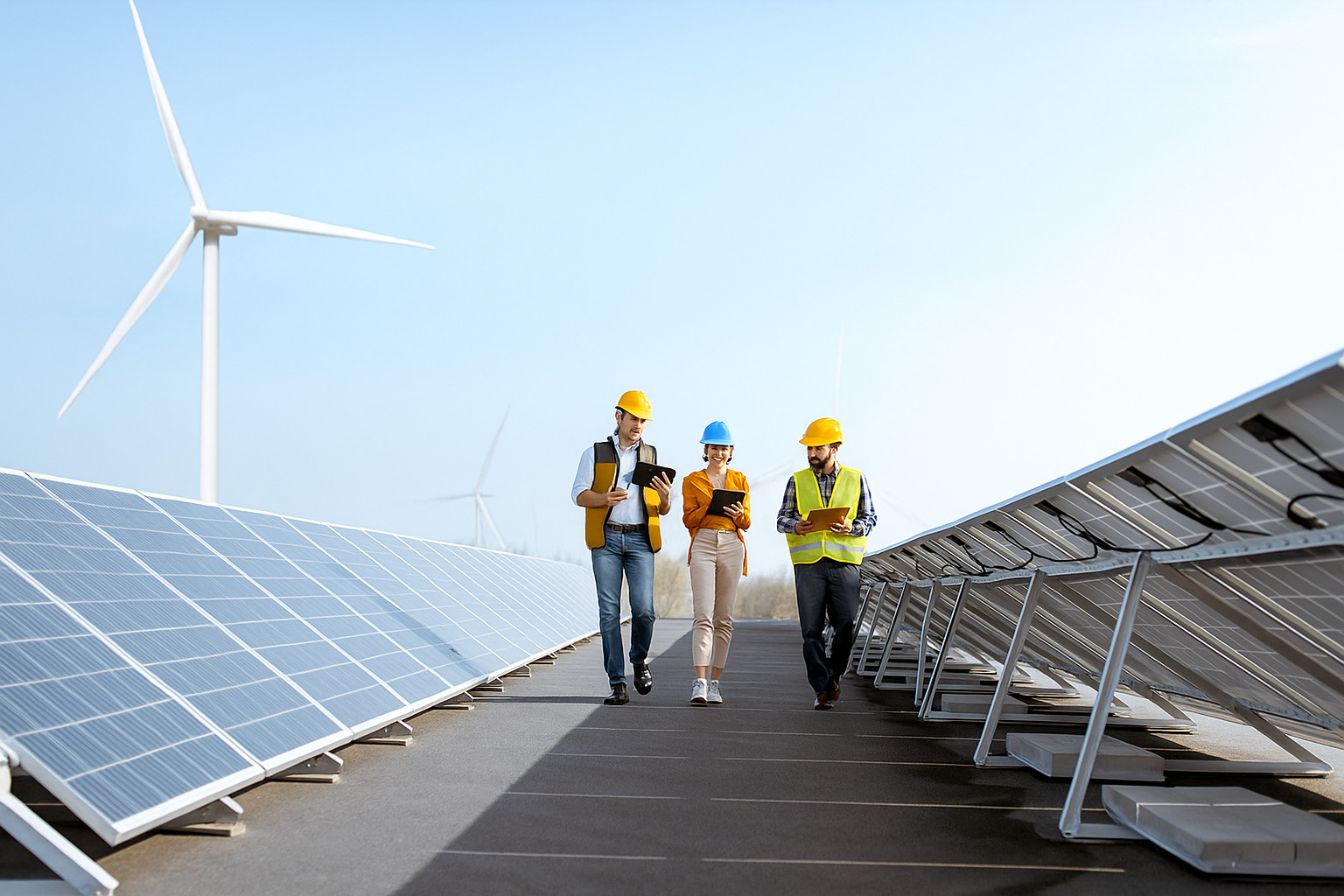
China Leads in Renewable Energy Installations, Accelerating the Expansion of Solar and Wind Projects That Transform the Global Energy Landscape and Strengthen the Country’s Environmental Commitment.
In recent decades, the world has witnessed a significant transformation in how we produce and consume energy.
Due to increasing concerns about climate change and the environmental impact of fossil fuels, countries have begun to invest more in clean sources.
Therefore, in this context, the construction of renewable energy installations has become a global priority, and China stands out as a leader in this movement.
-
A Canadian retiree creates a hydroelectric system on a real river, generating energy continuously throughout the day and demonstrating how the power of water can supply a house with stability even in a simple structure.

-
Petrobras reaffirms its commitment to the market and ensures that it will carry out the energy transition safely to maintain national sovereignty.

-
Researchers discover a possible hydrogen deposit of up to 46 million tons beneath an ancient coal basin, and the volume could exceed half of the entire global production.

-
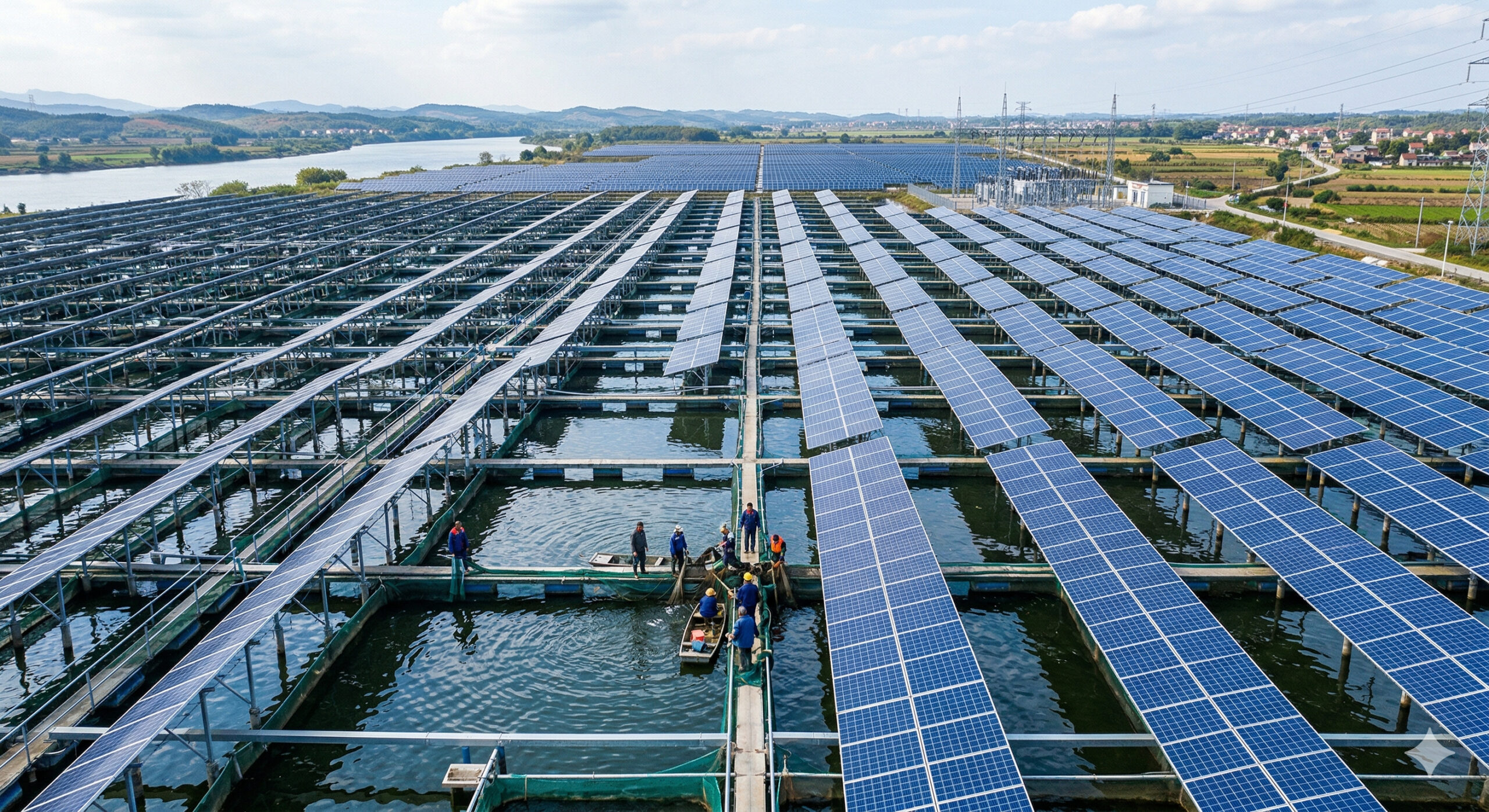
China bets on the Fishery-PV model and transforms fish farms into giant solar plants, covering ponds with panels that generate energy while utilizing the same space for large-scale aquaculture production.

Historically, the global energy matrix was dominated by non-renewable sources, mainly coal, oil, and natural gas.
Although these sources were efficient for generating energy on a large scale, they left a large environmental footprint, emitting gases that accelerate the greenhouse effect.
Thus, for much of the 20th century, economies grew based on this energy model, which, despite meeting growing demand, brought serious environmental consequences.
However, it was only in the last two decades that interest in renewable energy gained momentum.
Driven by technological advancements and the urgency to reduce carbon emissions.
Among the most widely used renewable sources are solar, wind, hydroelectric, and biomass energy. Of these, solar and wind have recorded the highest global growth, thanks to the reduction in equipment costs and the improved efficiency of systems.
The Rise of China in Renewable Installations Construction
In this global context, China has emerged as a giant in the construction of renewable energy installations.
Despite being the world’s largest emitter of polluting gases, the Asian country also leads in investment and construction of clean energy projects.
According to recent studies, China accounts for about 75% of solar and wind installations under construction worldwide.
This demonstrates a significant commitment to the expansion of this energy matrix.
This accelerated progress in the construction of these installations reflects a strategic shift in China.
Which seeks not only to combat internal pollution and meet climate goals but also to lead the global economy of the future.
Currently, the country has over 500 gigawatts of solar and wind projects underway, a figure that represents an increase of more than 50% compared to the previous year.
To give an idea of the scale, this capacity is nearly equivalent to the sum of all installed solar and wind parks in many countries combined.
Additionally, Beijing has announced ambitious plans to reach 1.3 terawatts of installed capacity by the middle of the decade, nearly double the current capacity.
These numbers show that China is making significant investments to ensure its global leadership in renewable energy production.
The importance of these investments lies not only in the volume of energy produced but also in the transformation of the Chinese economy.
Indeed, the renewable energy sector has generated thousands of direct and indirect jobs, from equipment manufacturing to the construction and maintenance of solar and wind parks.
As a result, this contributes to regional development, especially in less industrialized areas, which begin to receive investments and infrastructure.
Climate Goals and the Role of Coal
The growth of these renewable installations is essential for China to achieve its goal of reducing carbon intensity.
This indicates the amount of emissions per unit of gross domestic product.
Thus, the country has committed to reducing this intensity by 65% by 2030, compared to 2005 levels.
This goal is ambitious, considering the country’s historical dependence on coal-based energy sources.
However, while accelerating the construction of clean sources, China maintains significant investments in coal energy infrastructure.
This contradiction may seem paradoxical, but experts point out that coal still supports renewable sources, which by their nature are intermittent.
In other words, they depend on weather conditions and available sunlight or wind.
This reality highlights the complexity of the energy transition in such a large and diverse country like China.
On one hand, the importance of renewable energy for a sustainable future is recognized.
On the other hand, there is a need to ensure energy security and stability in electricity supply, especially in more remote regions or those with limited infrastructure.
Additionally, another related challenge involves the efficient management of the electric grid to integrate renewable energy.
As solar and wind generation can vary throughout the day and according to weather conditions, the country invests in smart distribution, storage, and energy usage systems.
Therefore, China has been focusing on technologies such as large-capacity batteries and advanced electrical grids to overcome these challenges.
The Legacy of Coal and the Diversification of the Energy Matrix
Historically, China began expanding its coal-based energy capacity as early as the 2000s, when economic growth accelerated and electricity demand surged.
In 2004, for example, the country constructed coal projects totaling nearly 95 gigawatts, accounting for 93% of all global construction of this source that year.
This significant growth made China the world’s largest consumer and producer of coal, a factor that for many years elevated global emissions.
However, over the years and with the advancement of renewable technologies, the country diversified its energy matrix.
Thus, the development of solar and wind installations has become a strategic priority, both to reduce environmental impacts and to modernize its economy and generate jobs in technological sectors.
Another important point is China’s role in the global market for renewable energy equipment.
Indeed, the country not only builds installations but also dominates the production of solar panels, wind turbines, and batteries, becoming a global hub for innovation and manufacturing in the field.
Therefore, this brings competitive advantages and strengthens its position in the global clean energy value chain.
It is worth noting that investment in research and development has been one of the pillars of China’s accelerated renewable energy growth.
For instance, research institutes, universities, and companies collaborate to improve the efficiency of solar panels, wind turbines, and storage systems, reducing costs and increasing the reliability of systems.
Global Impacts and International Cooperation
Furthermore, the construction of renewable energy installations in China significantly contributes to combating climate change, as it helps reduce global emissions.
Recent studies have shown that, even with increasing energy demand, Chinese emissions decreased in the first quarter of 2025, thanks to the increased use of renewable sources and nuclear energy.
Therefore, this data reinforces the importance of the policies adopted and the investments made.
More broadly, China’s advance in renewable installations construction also influences the global dynamics of environmental cooperation.
While some countries, such as the United States during the previous administration, reduced their participation in international agreements and climate cooperation, China seeks to position itself as a leader in the fight against climate change, signaling its commitment to the planet’s future.
Moreover, the expansion of renewable infrastructure in China is not limited to an internal effort.
The country also invests in clean energy projects in other countries, especially in Asia, Africa, and Latin America, through international initiatives and partnerships.
Thus, this broadens the impact of the construction of these installations, helping to drive the energy transition on a global scale.
These international projects also promote technology transfer and sustainable development in developing countries, generating local jobs and reducing dependence on fossil fuels.
Additionally, they strengthen China’s diplomatic ties with other nations, increasing its global influence.
Future Perspectives for Renewable Installations Construction
Looking ahead, it is expected that the construction of renewable energy installations will continue to accelerate in China, following the evolution of technologies and market needs.
This trend is positive for global environmental balance, as it helps reduce dependence on fossil fuels and mitigate the negative effects of climate change.
New technologies, such as green hydrogen and advanced storage systems, may integrate into the Chinese energy matrix, further expanding possibilities for clean and reliable energy.
Thus, the incorporation of these technologies can accelerate the decarbonization process and increase the resilience of the electric system.
In summary, China’s trajectory shows that the construction of renewable energy installations is a fundamental component of the country’s strategy for sustainable development.
The massive investment in solar and wind energy, combined with ambitious emission reduction policies, demonstrates a significant commitment to the planet’s energy future.
Finally, this scenario reinforces the importance of continuing to monitor and encourage the development of these clean energy sources, not only in China but around the world.
After all, the transition to a renewable energy model is essential to ensure a healthier planet for future generations.









-

Uma pessoa reagiu a isso.