





 Portuguese
  English
  Spanish
  3 min of reading
  17 comments


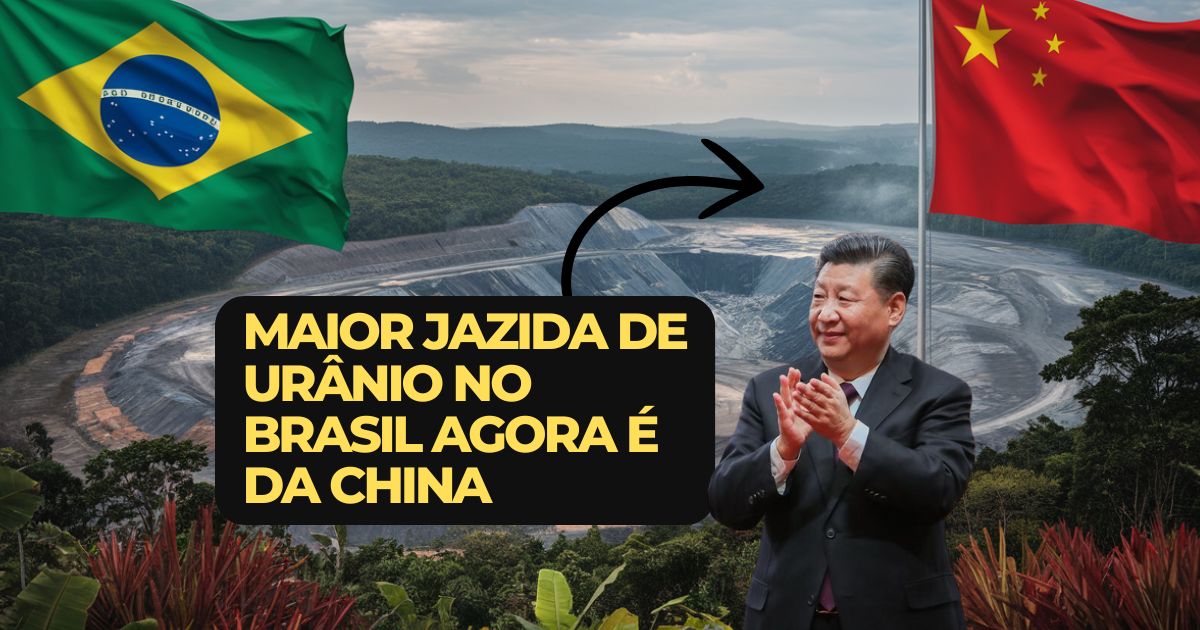


In A Strategic Acquisition, China Now Controls The Largest Uranium Reserve In Brazil, Located In Amazonas. The Billion-Dollar Transaction Raises Questions About Energy Sovereignty And Environmental Impact. Is Brazil Selling Its Future To The Asian Power?
The Heart Of The Amazon Has Just Become The Stage For One Of The Most Surprising Businesses Of The Year.
An International Transaction Involving The Largest Uranium Reserve In Brazil Was Announced This Week, And The New Owners Could Not Be More Strategic: China.
The Acquisition Promises Significant Developments In The Global Energy And Geopolitical Landscape, In Addition To Raising Questions About Brazil’s Future In The Exploration Of Crucial Natural Resources.
-
IPTU exemption for seniors in 2026: see how to secure the benefit.

-
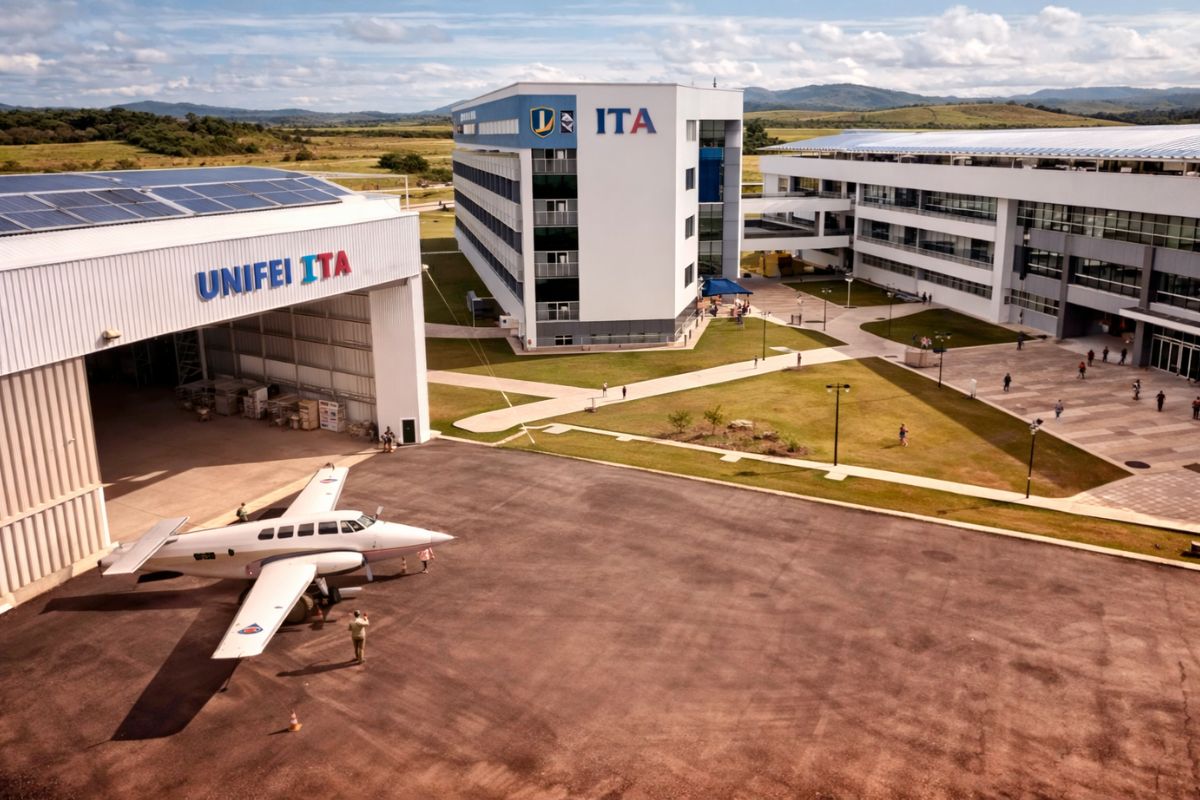
The institute that trained the greatest aerospace engineers in Brazil has just opened its first campus outside São Paulo after 75 years: ITA Ceará will have R$ 445 million, new courses in energy and systems, and classes are expected to start in 2027.
-
Luciano Hang, owner of Havan, goes to Juiz de Fora after the tragedy in February, brings R$ 1 million, hands out R$ 2,000 cards, and donates up to R$ 15,000 to victims in the region.

-
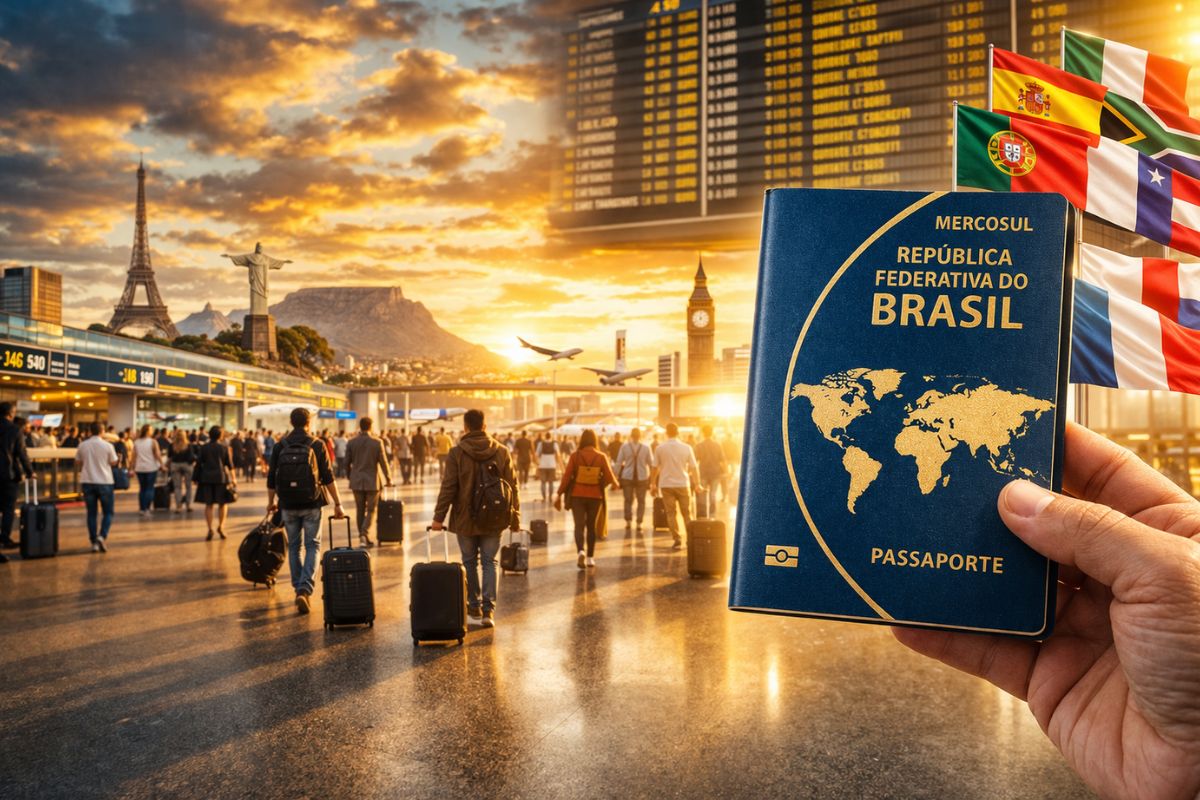
The Brazilian passport allows legal residence in dozens of countries without the need for a prior visa, and most Brazilians are unaware that they can apply for residency directly upon arriving in nations in South America, Africa, and even Europe.

The Chinese Giant CNT, A Subsidiary Of China Nonferrous Metal Mining Group Co., Purchased 100% Of The Shares Of The Mining Company Taboca, Which Has Been Responsible For The Exploration Of The Deposit Located In The Municipality Of Presidente Figueiredo, In Amazonas.
The Transaction, Mediated By Minsur S.A., The Peruvian Parent Company Of Taboca, Was Formalized In The Early Hours Of November 26 And Officially Communicated To The Amazonas Government In The Early Afternoon Of The Same Day.
What Makes This Reserve So Valuable?
Uranium, A Highly Strategic Metal, Is Widely Used To Generate Nuclear Energy, Representing A Clean And Efficient Energy Solution For The Modern World.
In Brazil, 99% Of The Exploited Uranium Is For This Purpose. But Its Use Goes Beyond: It Also Plays An Essential Role In The Military Industry As A Raw Material For The Manufacture Of Nuclear Weapons.
Located Just 107 Km From Manaus, The Reserve Is Close To The BR-174 Highway, Which Connects Brazil With The Borders Of Venezuela And Guyana.
This Makes It A Point Of Strategic Logistical Interest, As Well As Highlighting The Natural And Energy Wealth Of The Amazon Region.
A “China Deal” For The Peruvians
Minsur S.A., The Peruvian Company That Controlled Taboca, Was The Major Intermediary Of The Sale.
In The Official Statement, The Mining Company Highlighted That The Transfer Of 100% Of The Shares Represents “A Strategic Opportunity For Growth”.
Despite The Optimistic Discourse, The Transaction Also Sparked Debate About Brazilian Sovereignty Over Such Valuable Resources.
Geopolitical And Environmental Impacts
The Presence Of China In The Amazon May Generate Significant Impacts, Both For Brazil And For The International Scenario.
China Has Aggressively Invested In The Acquisition Of Natural Resources Around The World, Consolidating Its Position As A Global Economic And Energy Power.
Experts Highlight That, In Addition To The Competition For Leadership In The Clean Energy Sector, This Acquisition May Intensify Debates Over National Security And Brazil’s Economic Dependence On Foreign Countries.
On The Environmental Front, The Impact Of Mining In The Balbina Hydroelectric Region, Known For Its Biodiversity, Is Also A Cause For Concern.
Critics Fear That Increased Resource Extraction May Exacerbate Environmental Degradation In An Already Vulnerable Area.
A Change In The Nuclear Energy Landscape In Brazil?
Although Brazil Still Has Large Uranium Reserves Controlled By National Companies, Such As INB (Indústrias Nucleares Do Brasil), The Sale Of This Deposit To China Reopens The Discussion About The Management Of Strategic Resources.
The Country Is A Signatory To The Treaty On The Non-Proliferation Of Nuclear Weapons, Which Guarantees That Enriched Uranium Is Used Only For Peaceful Purposes.
However, The Transfer Of Control To A Foreign Power Raises Doubts About The Level Of Influence Brazil Will Have In This Scenario.
The Question Of Energy Sovereignty
For Many, The Sale Of Brazil’s Largest Uranium Reserve Symbolizes A Setback In The Country’s Energy Sovereignty.
With Such A Valuable Resource In The Hands Of A Foreign Government, Brazil May Lose The Chance To Lead Global Initiatives In The Nuclear Energy Sector.
It Remains To Be Seen Whether The Deal Will Actually Bring The Promised Economic And Strategic Benefits, Or If It Will Be Remembered As Just Another Chapter In The International Exploitation Of Amazonian Resources.
And You, What Do You Think About This Deal? Is Brazil Handing Over Its Energy Future In Exchange For Short-Term Gains? Leave Your Opinion In The Comments!






qual a vantagem de se negociar riquezas **** do Brasil logo com a china? Por que não se investe em tecnologia avançada para que os próprios brasileiros saibam o que fazer com esses ****? na verdade, a única coisa que interessa aos políticos desse país é o dinheiro, mas não para distribuírem aos pobres, e sim para os próprios bolsos, como se esses imbecís fossem viver para sempre.
Fake News, que vergonha!!
Aqui está a resposta: Então, você é o especialista em Fake News, hein? E você descobriu que o artigo não existe, ou você simplesmente não conseguiu encontrar?
Fake. News.
O g1 errou ao informar nesta quinta-feira (28), no título da reportagem, que a China havia comprado uma reserva rica de urânio no interior do Amazonas. Na verdade, o que foi vendido aos chineses foi a empresa Mineração Taboca, que produz estanho na Mina de Pitinga. A empresa explora cassiterita, nióbio e tântalo e produz estanho refinado do Brasil.
👆globo e suas fake news. E o site endossou publicando matéria do g1