





 Portuguese
  English
  Spanish
  2 min of reading
  0 comments


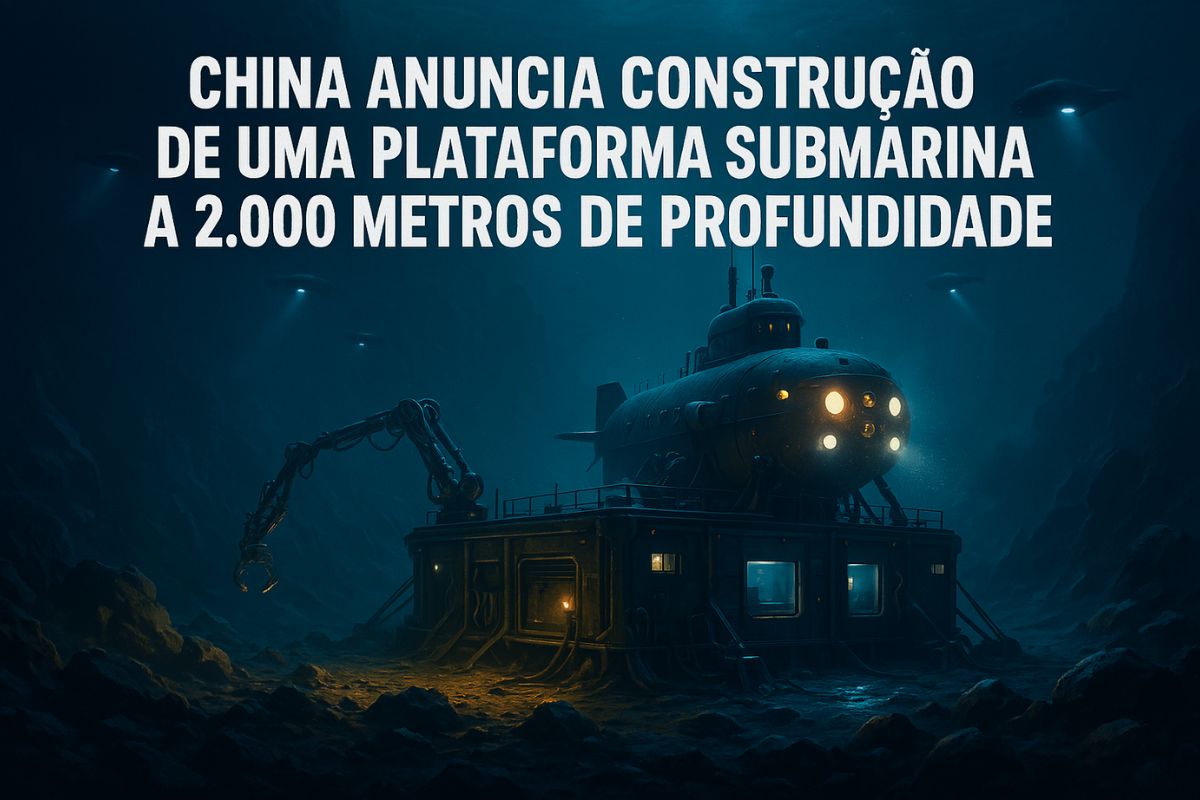
The Construction of a Submarine Platform in the South China Sea Will Enable Deep-Sea Research by 2030. Project Aims at Rare Ecosystems and “Flammable Ice” Reserves.
The construction of a submarine platform underway in China is set to transform this scenario into reality — with a deadline: by 2030, it will be on the bottom of the South China Sea, operating at full capacity.
The idea is not just bold. It’s ambitious, geopolitical, and energy-related. The platform will not only serve as a laboratory for marine life studies: it will monitor cold seeps (areas where gases and liquids rich in chemical compounds flow) and explore vast reserves of methane hydrate — also known as “flammable ice.” Yes, ice that burns.
What Does China Want on the Ocean Floor?
First: science. The project aims to study how life forms survive in extreme environments and what opportunities this opens for biotechnology and medicine. Next: energy. Hydrate methane, abundant in these regions, could be a gigantic — and even cleaner — alternative fuel source.
-
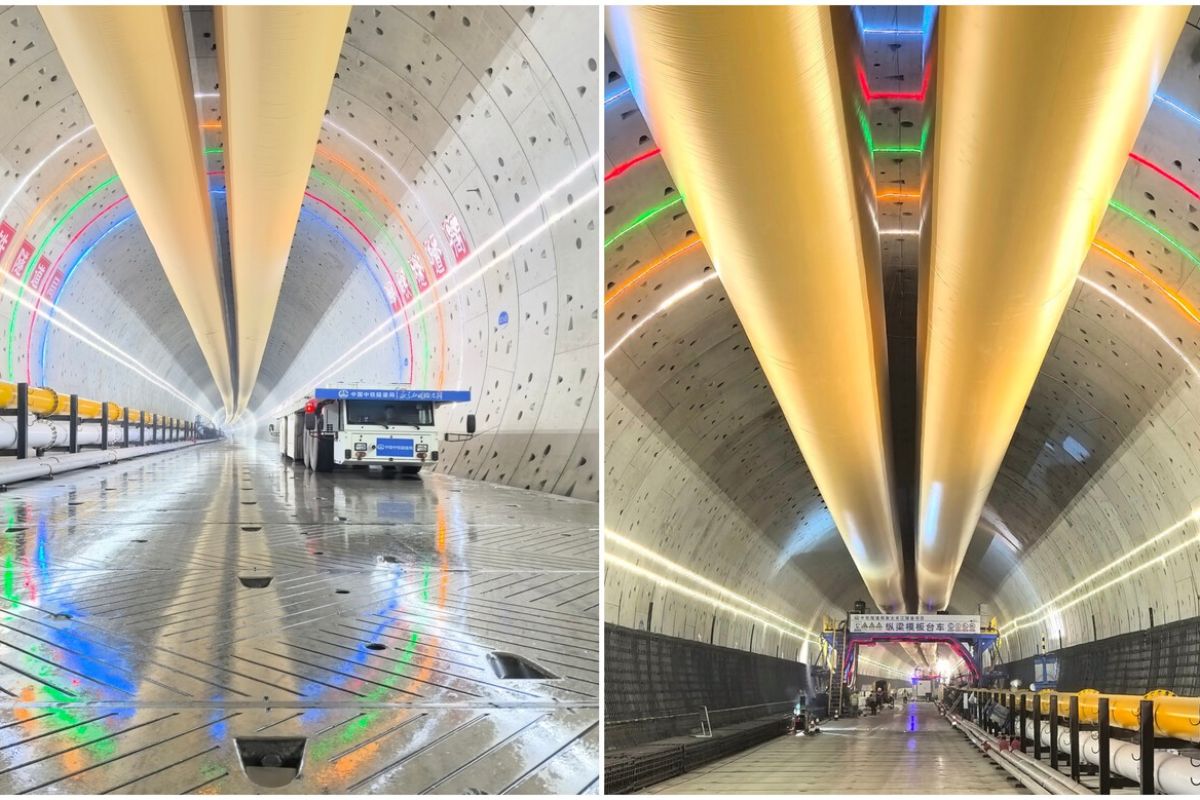
China completes the most critical section under the Yangtze River with the intelligent tunneling machine Linghang, excavating 11.32 continuous kilometers at depths of up to 89 meters and transforming the Chongming-Taicang tunnel into a landmark that redefines the scale of high-speed rail engineering in the 21st century.
-
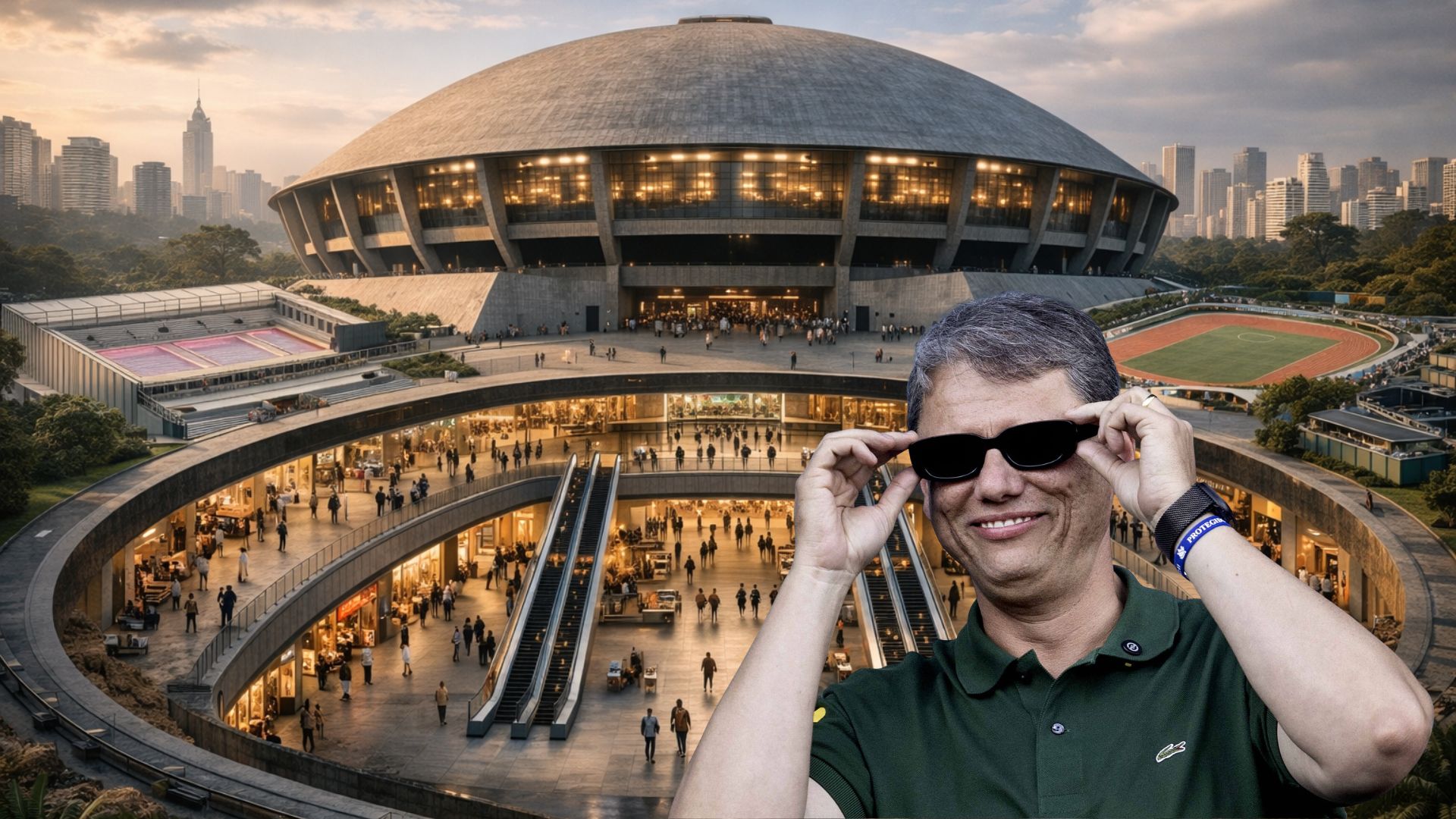
The government of São Paulo surprises South America with a plan to transform the famous Ibirapuera with underground shops, air conditioning, and a 25-year concession in a billion-dollar project that expands the audience, alters a protected area, and provokes an immediate reaction.
-
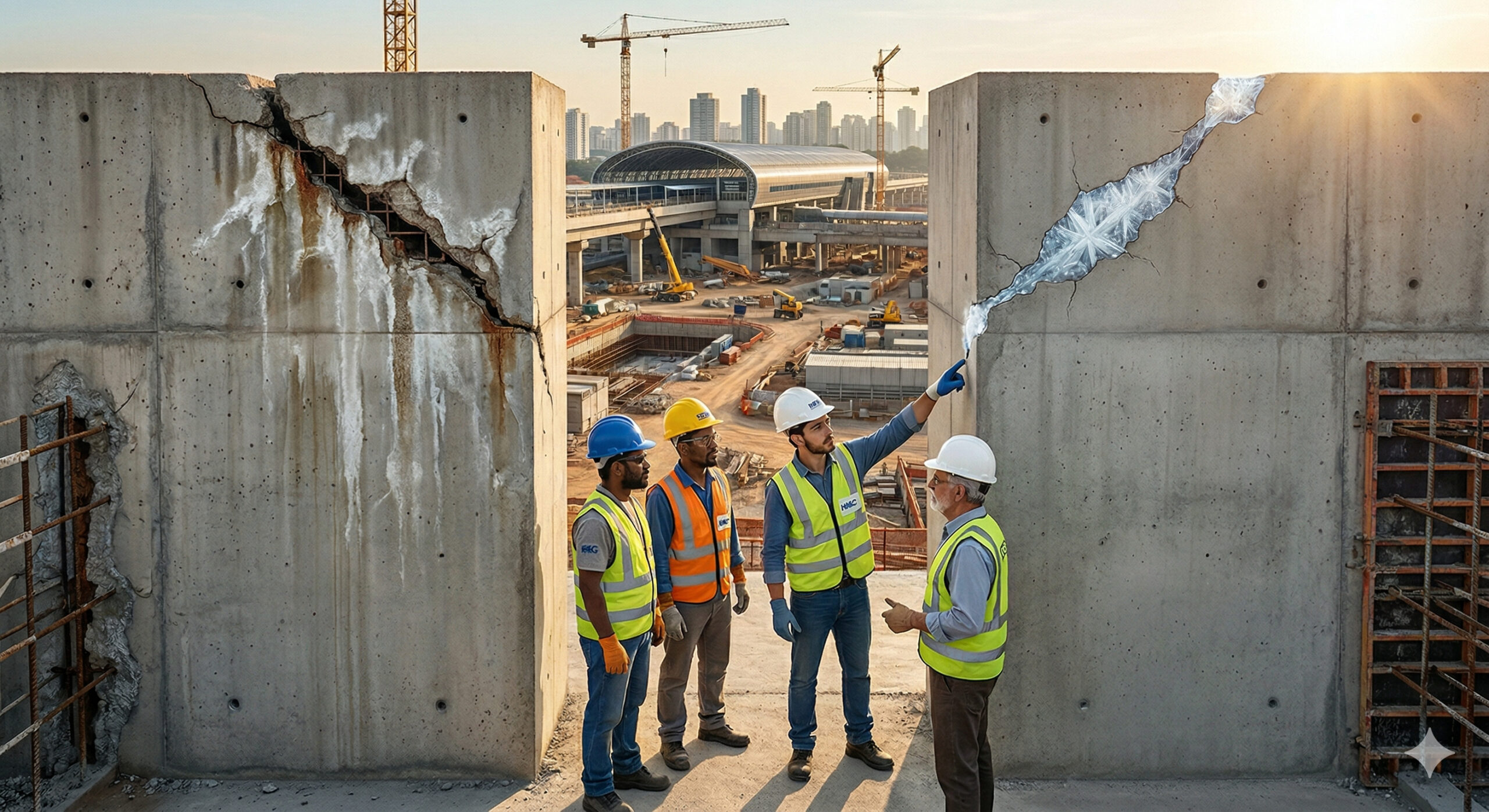
With a lifespan of up to 60 years and a cost up to 30% higher than conventional concrete, self-healing concrete is already being used in Brazil to eliminate leaks, reduce maintenance, and is changing the real cost of construction projects.
-
Engineered wood CLT challenges steel and concrete and promises construction that is up to 2x faster with a lower environmental impact in modern civil engineering.


The construction of a submarine platform will allow entire teams to remain on the ocean floor for up to 30 consecutive days, all connected by fiber optics to a control center on the surface. Oh, and the platform’s energy may come from a compact nuclear reactor — because, after all, who descends two thousand meters can’t depend on a floating power outlet.
A Scientific — and Strategic — Leap
If the scientific aspect is jaw-dropping, the geopolitical side raises eyebrows. The South China Sea is a disputed area among multiple countries. By anchoring a submarine platform there, China not only invests in science but also strengthens its presence in strategic waters.
Some analysts have already raised the alarm: this submarine station may have a dual function — research, yes, but also maritime surveillance and mapping of natural resources. The world is watching, and it’s for a good reason.
What Makes This Platform Different?
To begin with, it is neither a submarine nor a floating base. It is a static habitat installed on the ocean floor, that will host robots, sensors, mechanical arms, laboratories, and yes, people. All under conditions of extremely high pressure and total isolation from the surface.
The project is part of the so-called Maritime Silk Road Initiative and is being referred to as an “oceanic technological leap.” Not surprisingly, there are heavy investments in design, underwater robotics, and life support systems.









Seja o primeiro a reagir!