





 Portuguese
  English
  Spanish
  3 min of reading
  1 comment



Discover How China Revolutionized Solar Energy with the World’s Largest Power Plant in Xinjiang, Covering Over 80,000 Hectares and Providing Billions of kWh Per Year
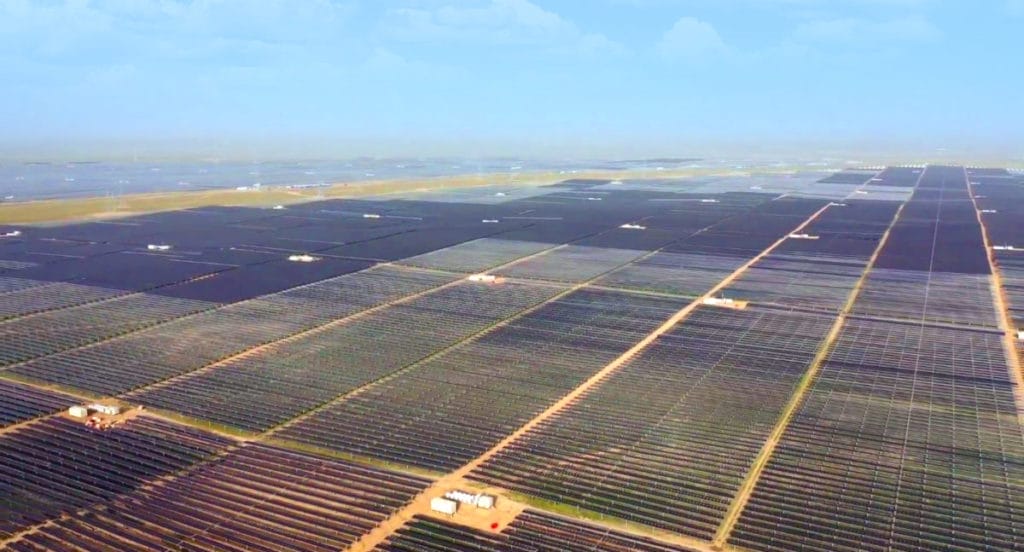
China has connected to the grid what is considered the world’s largest solar power plant in northwestern Xinjiang. The plant, which covers an area of 80,937 hectares, has an annual production capacity of 6.09 billion kWh.
The new plant is located in the deserts near the region’s capital, Ürümqi. It began operating on Monday (June 3) and is managed by the China Energy Construction Corporation, a state-owned enterprise.
Xinjiang: Ideal Place for Renewable Energy
Xinjiang, officially known as the Xinjiang Uygur Autonomous Region, is an autonomous region of the People’s Republic of China (PRC). It is located in the northwest of the country, serving as a crossroads between Central Asia and East Asia.
-
They were brilliant! Scientists discover that our ancestors in China were already making super advanced tools 160,000 years ago, changing everything we knew.

-
Scientists unveil 3 million years of climate secrets hidden in the ice of Antarctica.

-
Ancient farmers created “aggressive plants” that changed nature forever.

-
Astronomers find a “backward” solar system that ignores all the rules of space and leaves scientists scratching their heads!


Xinjiang is the largest provincial-level division in China by area and the eighth largest country subdivision in the world. It spans over 1.6 million square kilometers and has a population of approximately 25 million. It borders Afghanistan, Kazakhstan, Kyrgyzstan, Mongolia, Pakistan, Russia, Tajikistan, and India.
With a recorded population of 4 million in 2020, Ürümqi is the second-largest city in the northwest interior of China after Xi’an and the largest city in Central Asia in terms of population. Since the 1990s, Ürümqi has experienced significant economic development and currently functions as a regional transportation hub and a cultural, political, and commercial center.
Country’s Solar Electricity Generation Capacity
The new power plant is just the latest development in the region, further reinforcing China’s growing solar power generation capacity. Data published last year by the National Energy Administration of China revealed that the country’s solar electricity generation capacity grew an impressive 55.2% in 2023. The figures highlight over 216 gigawatts (GW) of solar power that China built during the year.
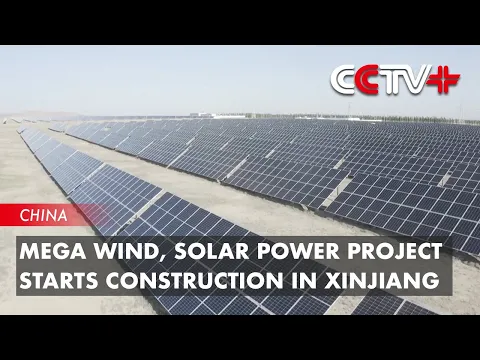

According to the solar tracker from Global Energy Monitor, the two largest operational solar installations were previously located in western China. These were the Ningxia Tenggeli Desert solar project from Longyuan Power Group and the Golmud Wutumeiren solar complex from China Lüfa Qinghai New Energy, both with a capacity of 3 GW.
The Xinjiang region, with its low population density and abundant solar and wind resources, is an ideal location for large renewable energy bases that transmit most of their power over long distances to China’s densely populated eastern coast. This project not only strengthens China’s energy infrastructure but also underscores its commitment to sustainability and the transition to renewable energies.
The inauguration of this gigantic solar power plant is a significant milestone in global efforts for cleaner and more sustainable energy, highlighting China’s leadership in the renewable energy sector.
Source: www.reuters.com








Meus parabéns ao governo chinês
e seus cidadãos .