





 Portuguese
  English
  Spanish
  3 min of reading
  1 comment


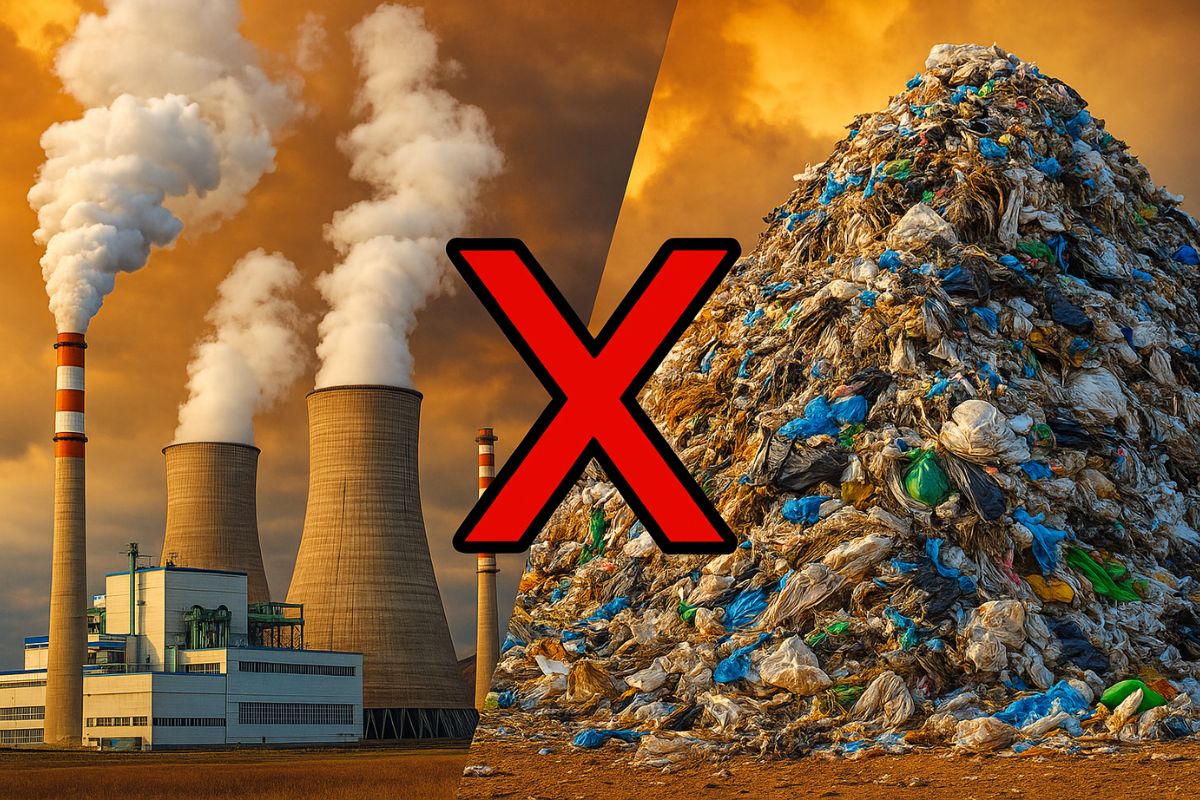


Country Invested Heavily in Plants to Generate Energy from Waste, but Slowed Growth Left Part of the Structure Idle
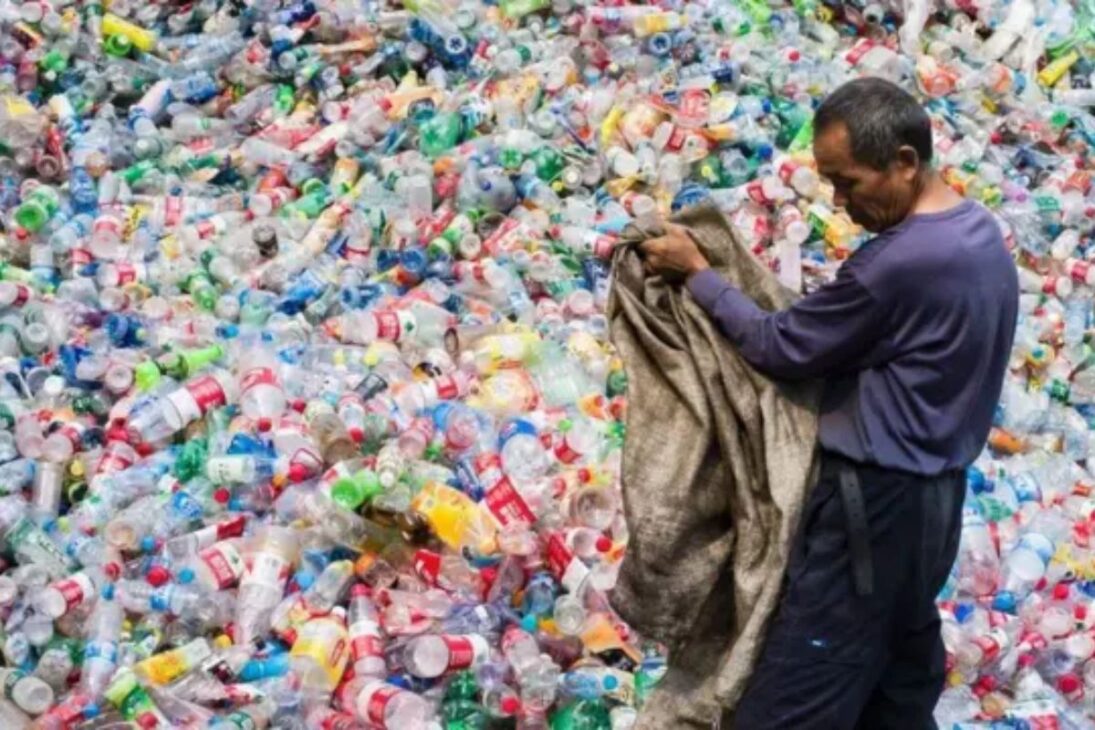
China rapidly expanded its network of plants to generate energy from waste, but now faces an unusual problem: there are more incinerators than available solid waste. With over a thousand plants in operation, a significant portion operates below capacity.
According to a report by Cinda Securities, Chinese plants operate, on average, at only 60% utilization. The supply of waste has grown in recent years, but at a pace slower than the accelerated construction of these structures, reflecting an optimism that overlooked recession, declining urbanization, and post-pandemic changes.
Too Much Capacity, Too Little Waste
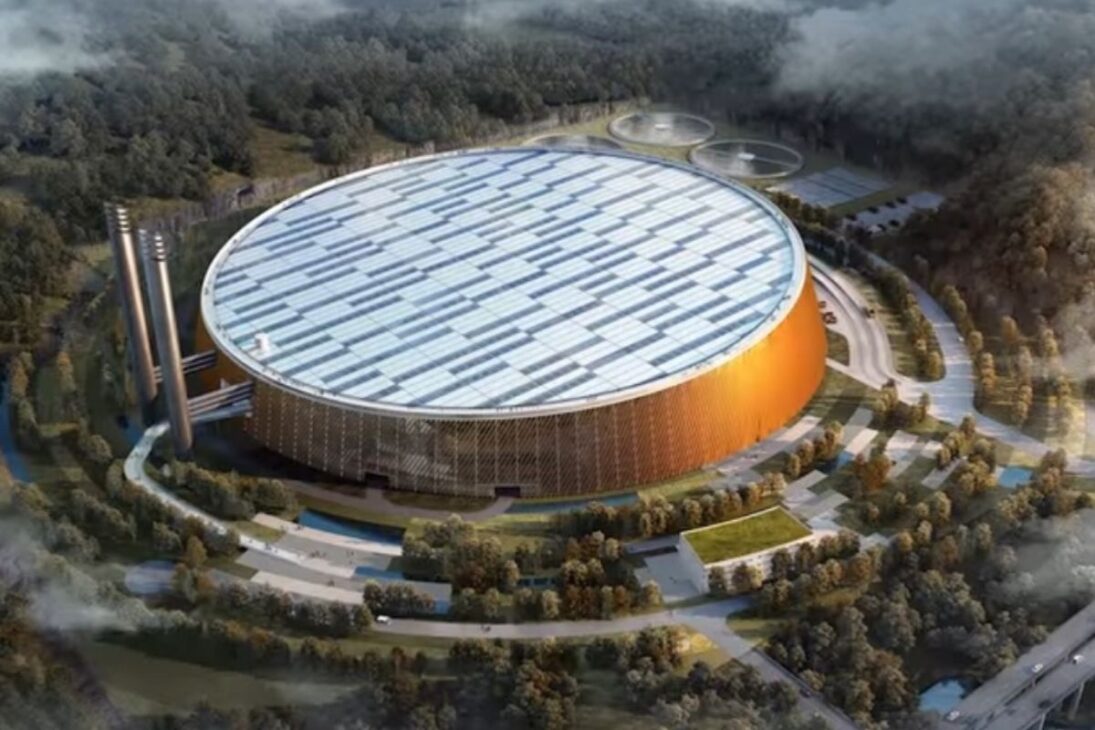
Since the 1980s, China was known as the “world’s landfill,” importing waste from various countries. But that reality has changed. Instead of excess waste, the country now has a surplus of incineration plants to generate energy and there is not enough material to feed them.
-
Equatorial adopts new national number for consumer units on electricity bills starting in April, following ANEEL standards and modernizing energy bills in several states.
-
Itaipu Impresses the World: Hydroelectric Plant with 20 Turbines and 14,000 MW Generates Over 2.9 Billion MWh and Leads Global Clean Energy Production
-
Aneel Revokes CMAA Thermal Power Plants After Network Restrictions and Excess Energy in the System
-
13-Year-Old Scientist Creates Clean Energy Device For Just R$ 16, Wins $25,000 Prize And Surprises The World With Affordable Solution


Between 2015 and 2023, China’s incineration capacity more than quadrupled, jumping from 223 to over 1,000 units, according to the South China Morning Post. During the same period, the volume of waste grew by only about 10%. The result is an industry facing structural underutilization, high operating costs, and risk of loss.
The Incentive Turned Into a Trap
The accelerated growth was driven by subsidies from the Chinese government, which included waste plants as part of the national renewable energy plan. Burning waste to generate electricity seemed like a sustainable and profitable solution. Companies bet heavily on the sector.
However, according to experts such as activist Chen Liwen, warning signs emerged as early as 2020. Demographic decline, urban migration, and the pandemic directly impacted urban waste generation. The anticipated scenario did not materialize, and the excess capacity now jeopardizes the economic viability of various plants.
Environmental Impact and Increasing Criticism
Beyond idleness, the model faces criticism from environmental organizations. It is estimated that, in 2022, the plants emitted more than 100 million tons of CO₂, exacerbating pollution problems. Despite this, new projects continue to be approved in some provinces.
For analysts, the challenge now is to adjust energy policy, reduce unnecessary incentives, and consider more efficient and sustainable solutions for waste management such as recycling, composting, and reducing generation at the source.
The Chinese effort to generate energy from waste created a robust network of incinerators, but the current reality shows more infrastructure than available waste. The crisis of excess reveals the risks of overly optimistic forecasts without solid foundations and raises discussions about the future of waste and energy management in the country.
Do you believe that the incineration model is still sustainable for generating energy, or is it time to seek greener alternatives?






É o consumismo copiado do modelo equivocado dos eua mas por questões de custos preferem enterrar lixo