





 Portuguese
  English
  Spanish
  5 min of reading
  0 comments


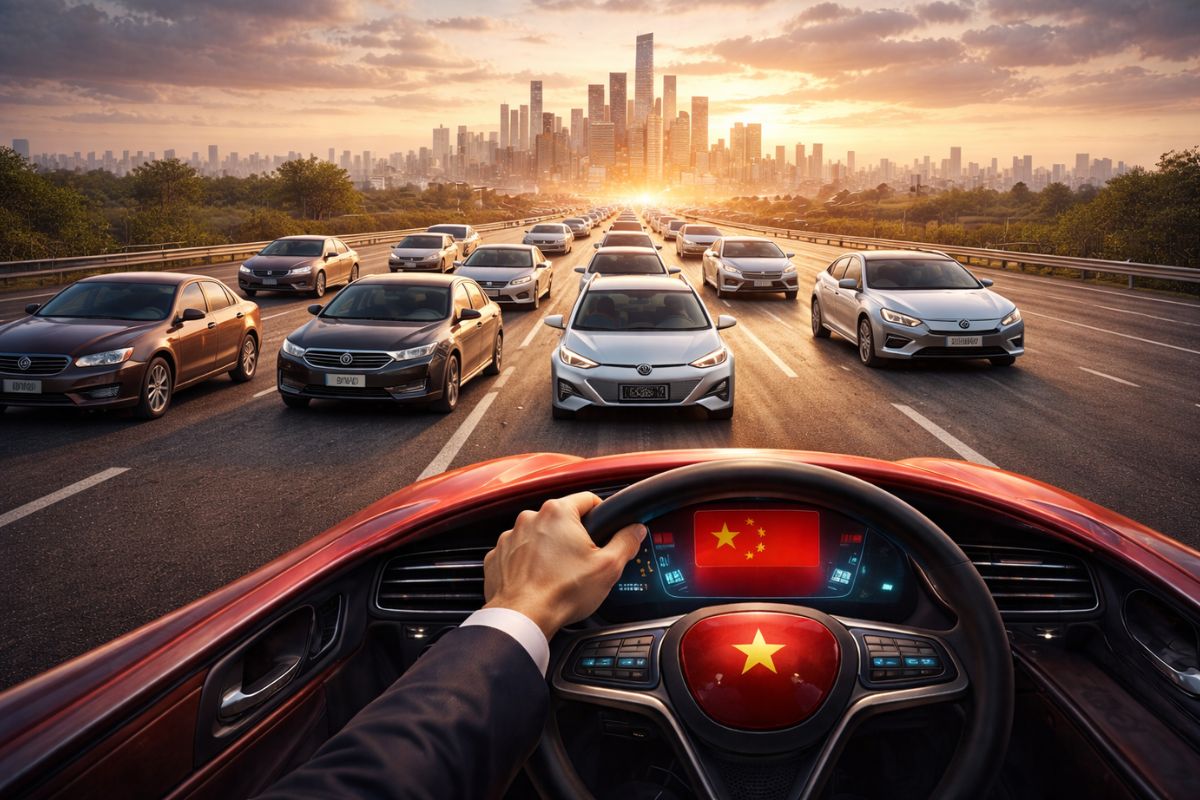
China has taken the lead in the global automotive industry while automakers from the United States and Europe accumulated 75 billion dollars in losses over the last two years, according to a study by ZAG Work, pressured by tariffs, forecasting errors in electrification, and the advance of Chinese manufacturers.
The bill for automotive transformation has arrived, and those paying are the automakers that have dominated the market for over a century. A study presented by ZAG Work, a consultancy by Rogélio Golfarb, former vice president of Ford and former president of Anfavea, estimates that manufacturers from the United States and Europe have accumulated 75 billion dollars in losses over the last two years. The reasons are multiple, but converge to a single point: while these companies tried to get the right speed for the transition to electric cars, China advanced without hesitation and took control of the game.
The diagnosis goes beyond a simple technology swap. “The name of the game has changed,” Golfarb stated while summarizing the shift of the global industry axis to China. Traditional automakers have been hit from multiple sides at once: pressure on export margins, reduction of incentives for electric vehicles, forecasting errors between hybrids and pure electric vehicles, and the need to maintain simultaneous investments in multiple technologies. The result was an inflated cost structure precisely when Chinese competition intensified.
The forecasting error that cost billions to China’s rivals

According to UOL, the central problem began with a bet that did not materialize. The United States and Europe predicted that the adoption of the 100% electric car would happen at a much faster pace than it actually did.
-
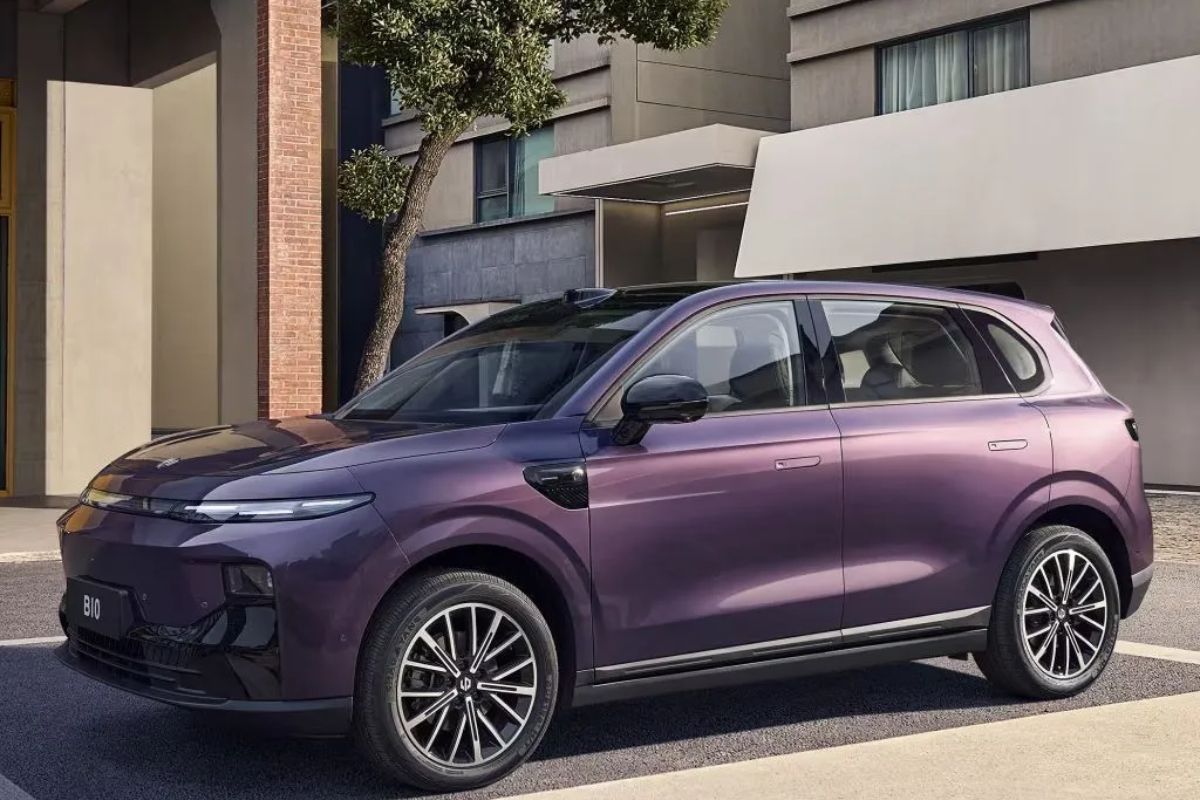
Leapmotor B10 arrives at R$ 182,990 with 218 hp, recharges from 30% to 80% in just 16 minutes, drives up to 288 km, and will also be produced in Brazil at a Stellantis factory.
-
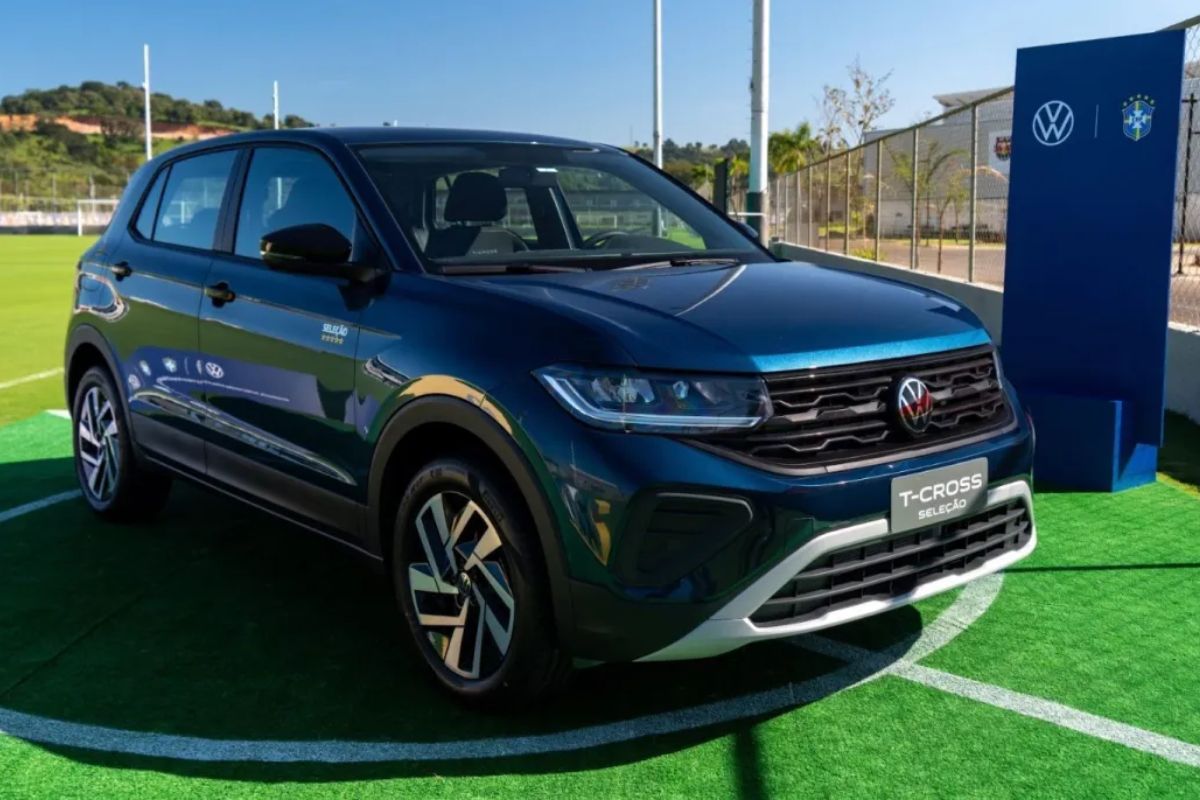
Volkswagen launches T-Cross Seleção for R$ 129,990 with 17” wheels, exclusive CBF design, Norway Blue color, and enhanced package; special edition for the 2026 World Cup arrives at dealerships in May.
-
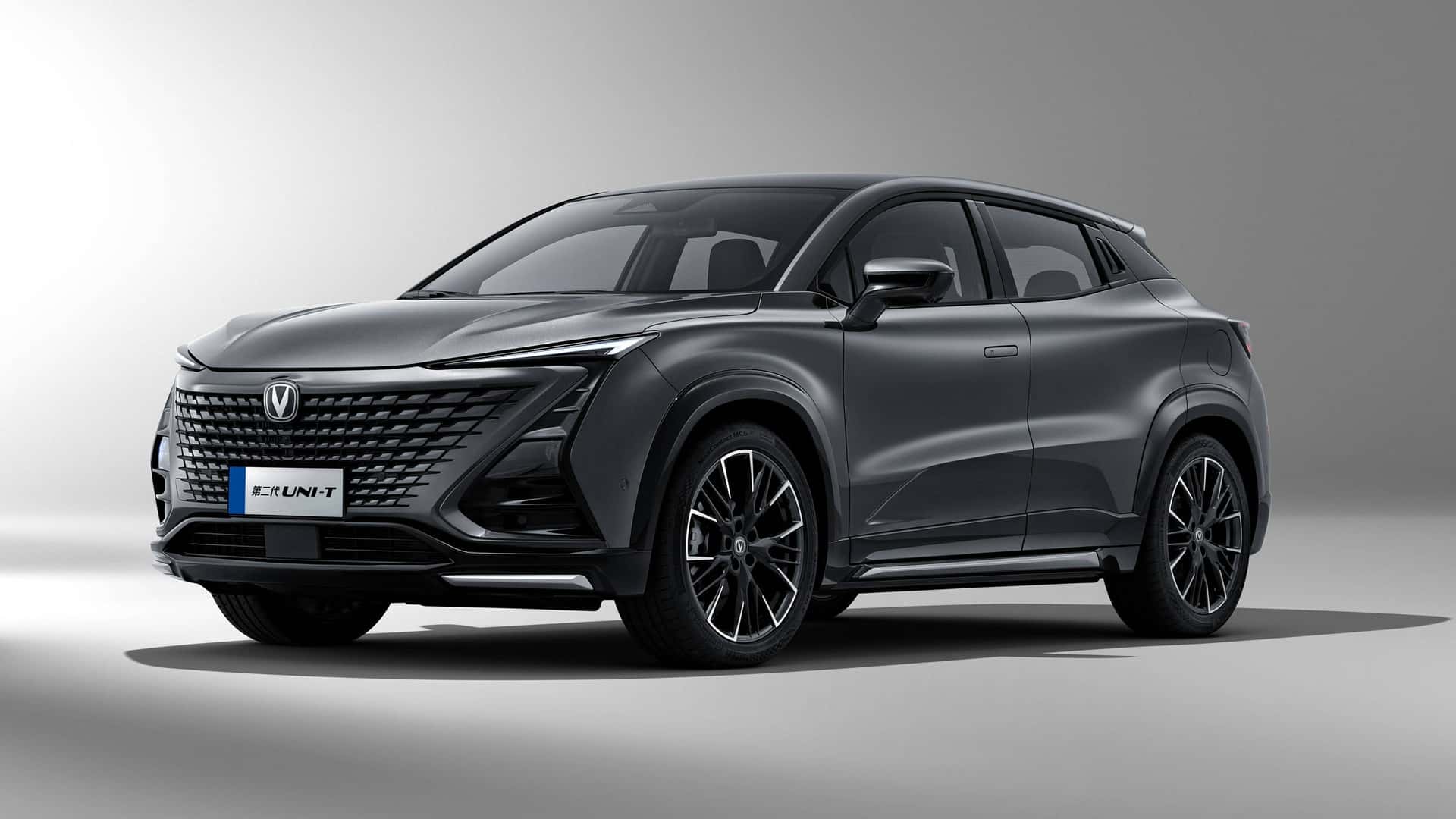
Changan: ‘new Chinese’ arrives in Brazil with 164 years of history and the medium SUV Uni-T
-
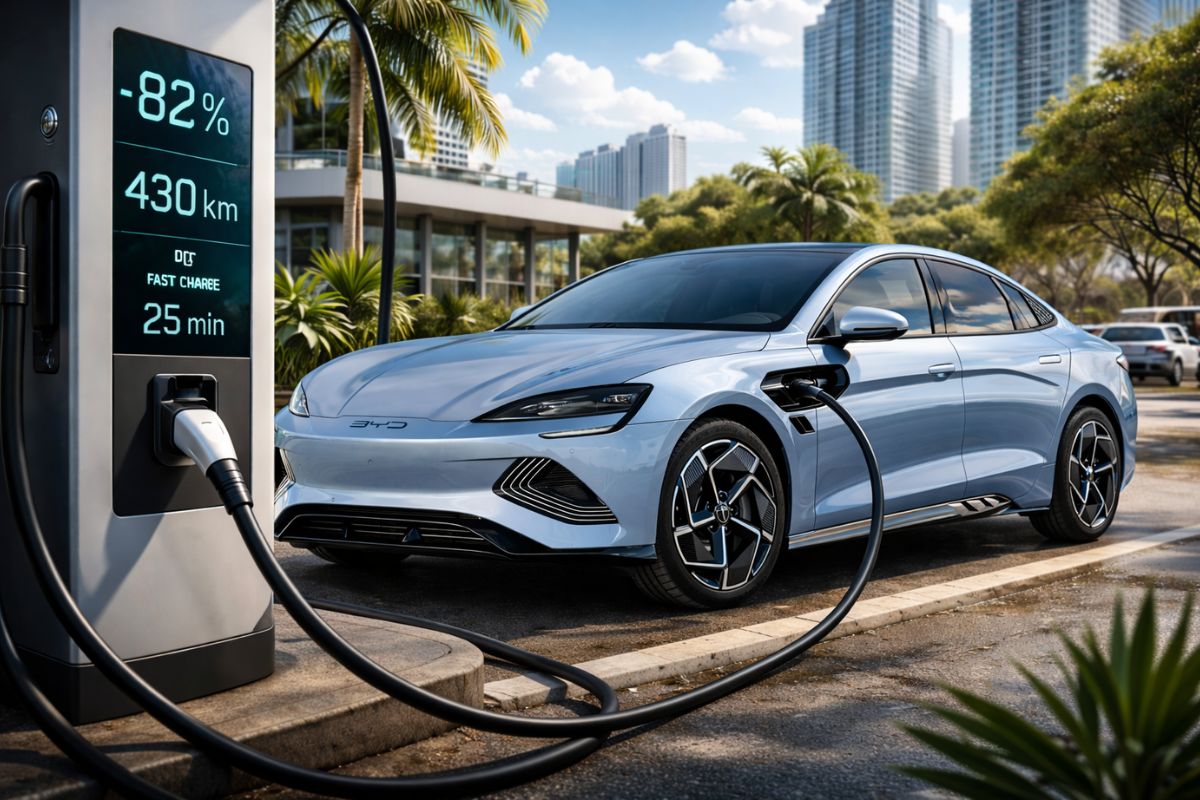
BYD’s electric car with 530 hp and 0-100 in 3.8 s costs R$ 270,000: absurd silence, real range close to 430 km, charging 20-80% in 25 min, but without a spare tire and high IPVA.
Automakers equipped their factories to deliver a high volume of pure electric vehicles, invested billions in dedicated production lines, and redirected research resources to batteries and electric platforms. But consumers did not keep up with the expected pace.
What happened in practice was that the plug-in hybrid gained ground while the pure electric grew at a much slower pace than projected. Golfarb explained that this mismatch forced manufacturers to reassess their route midway.
Instead of a linear transition to electric, Western automakers began to simultaneously support combustion, hybrid, plug-in hybrid, and pure electric projects. Maintaining four technologies in parallel is exponentially more expensive than betting on just one. China, meanwhile, advanced with its own strategy and much lower costs.
How China positioned itself to lead the global automotive industry

While Western automakers tried to balance multiple technological bets, China built an integrated production chain that goes from lithium mining to battery manufacturing and complete vehicle assembly.
Companies like BYD, NIO, and Geely did not have to bear the weight of decades of investment in combustion engines. They were born electric or made the transition with agility that century-old automakers cannot replicate.
China’s advantage is not just technological. It is structural. The Chinese government heavily subsidized the electric vehicle chain, created massive domestic demand, and allowed its automakers to gain scale before competing in the international market.
When Chinese manufacturers began to export, they already had lower production costs, competitive technology, and models tested in a domestic market of over a billion people. Traditional automakers found a competitor that entered the global game already prepared to win.
The 75 billion in losses and what they reveal about the crisis of traditional automakers


The 75 billion dollars in losses did not come from a single factor. Tariff pressure in the United States made exports and imports of components more expensive, the reduction of tax incentives for electric vehicles in various markets slowed demand, and the error in the production mix left factories with idle capacity for electric cars that were not selling at the expected pace.
Each of these factors separately would have been manageable. Together, they created a perfect storm.
The practical result is that automakers that were benchmarks for profitability began to report operational losses in their electric vehicle divisions. European brands revised electrification targets, postponed launches, and announced production cuts.
American manufacturers reduced investments in battery factories that had been announced with fanfare a few years earlier. Meanwhile, China not only maintained its investments but accelerated them, widening the competitive gap with each quarter.
The tariff war that complicates competition with China even further
The response of Western governments to China’s advance was to impose tariffs. The European Union and the United States increased import duties on electric vehicles manufactured in China, trying to protect their domestic industries.
But the tariffs created a side effect: they made components that Western automakers import from the Chinese supply chain more expensive, further raising production costs that were already inflated.
For China, tariffs are an obstacle, but not a barrier. Chinese manufacturers respond by establishing factories in strategic markets, reducing dependence on direct exports. BYD has already announced production plants in several countries.
The strategy is to circumvent tariff barriers by manufacturing locally, which maintains price competitiveness and also creates jobs in the destination countries, making protectionist arguments more difficult. China plays with a long-term vision that traditional automakers, pressured by quarterly results, struggle to keep up with.
What comes next for the automotive industry and China’s role in the future of the sector
The scenario described by the ZAG Work study is not temporary. The structural change that shifted the axis of the automotive industry to China is likely to consolidate as Chinese manufacturers continue to invest in technologies such as solid-state batteries, ultra-fast charging, and autonomous vehicles.
Traditional automakers need to recover lost ground while still bearing the cost of keeping old technologies in operation.
The question the market is asking is no longer whether China will lead the global automotive industry, but how long it will take for that leadership to become irreversible. With 75 billion dollars in accumulated losses and a technological race that does not wait, automakers from the United States and Europe face the toughest challenge in their history.
The answer they provide in the coming years will determine whether they will still have a place in the market they helped create or if China will definitively take the wheel.
What do you think about China’s advance in the automotive industry? Do you believe traditional automakers can react or that Chinese leadership is already irreversible? Leave your comments. This debate about who controls the future of cars affects everything from the price you pay at the dealership to jobs in your country’s industry.









Seja o primeiro a reagir!