





 Portuguese
  English
  Spanish
  3 min of reading
  0 comments


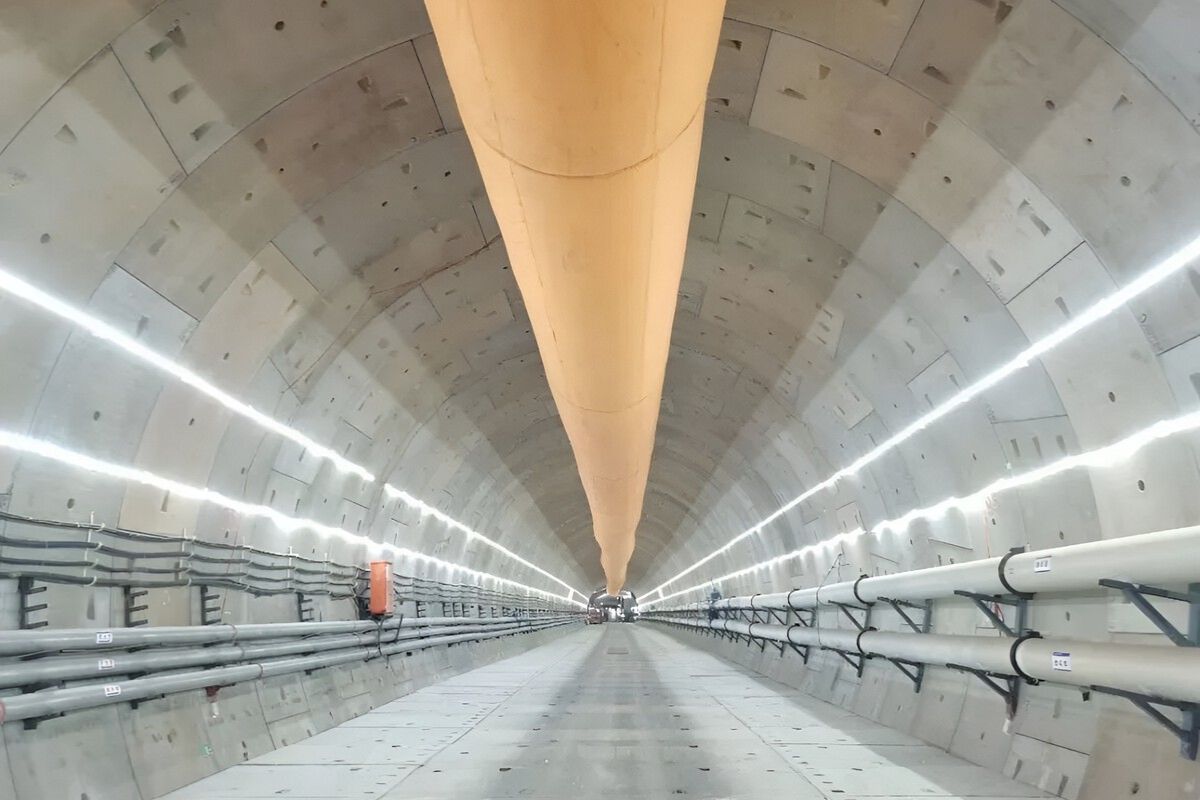
The Shenzhen Jiangmen submarine tunnel advances below the Pearl River estuary, crosses 13 layers of soil, faces fault zones, and operates under intense water pressure.
The submarine tunnel that China is building for the Shenzhen Jiangmen high-speed railway has already reached 113 meters below the seabed, a milestone that raises the technical requirements precisely in the most delicate section of the project.
The line is 116 kilometers long and is designed to connect Shenzhen and Jiangmen in less than an hour, enhancing connectivity and regional economic integration in the south of the country, focusing on the Greater Bay Area of Guangdong Hong Kong Macau.
The point where the submarine tunnel really gets difficult
Reaching 113 meters is not just breaking a depth record. It is entering a range where geological conditions and water pressure begin to influence every engineering decision, with minimal margin for error.
-
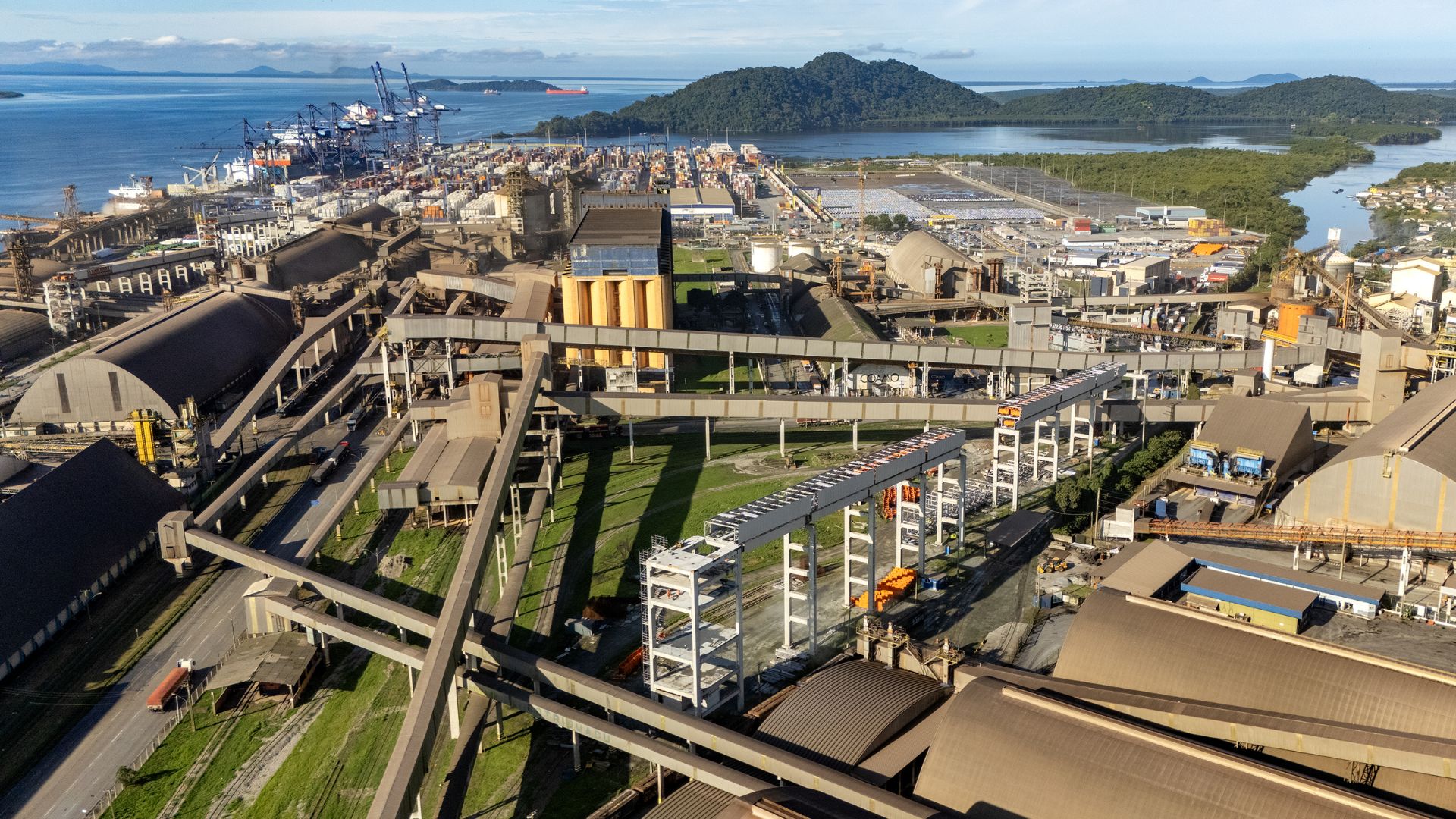
A R$ 600 million project at the Port of Paranaguá reaches 95% completion and may become a white elephant: The nearly finished Moegão still faces a real risk of idleness and operational delays.
-
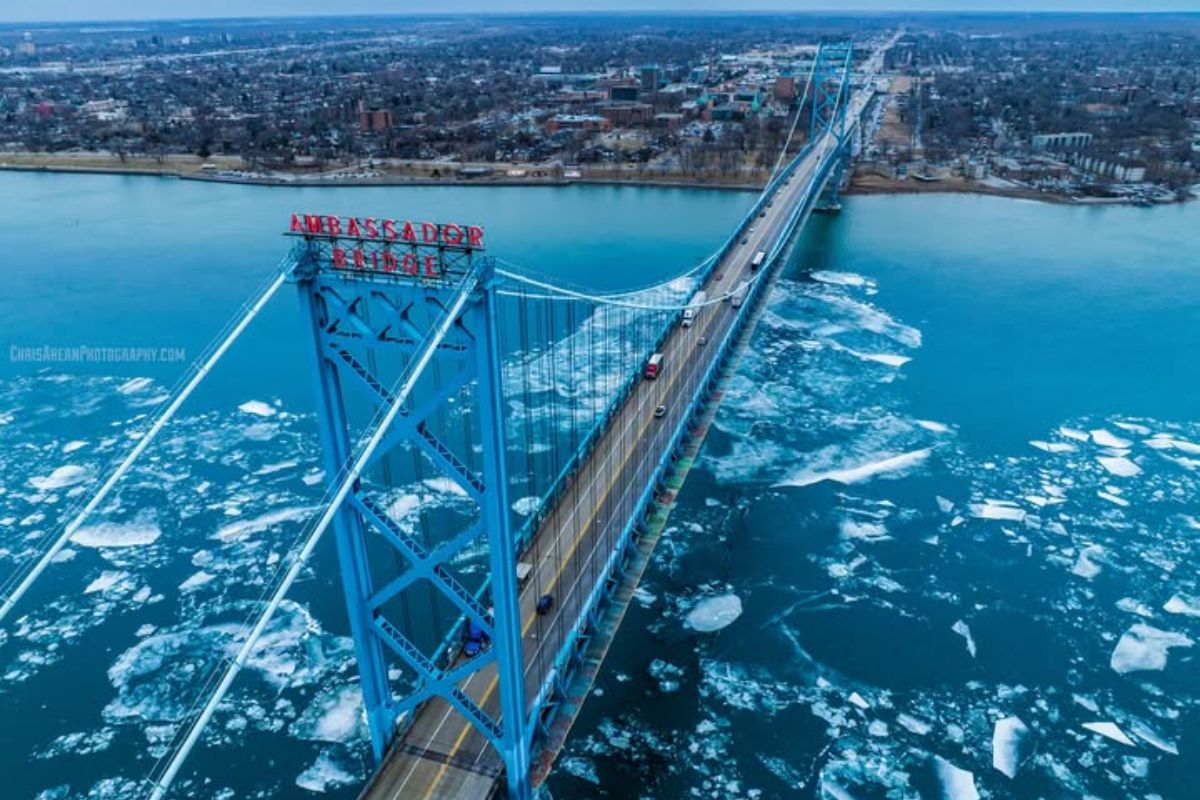
The privately owned bridge built in 1929 is responsible for over 25% of all trade between the United States and Canada and remains the largest trade border between the two countries.
-
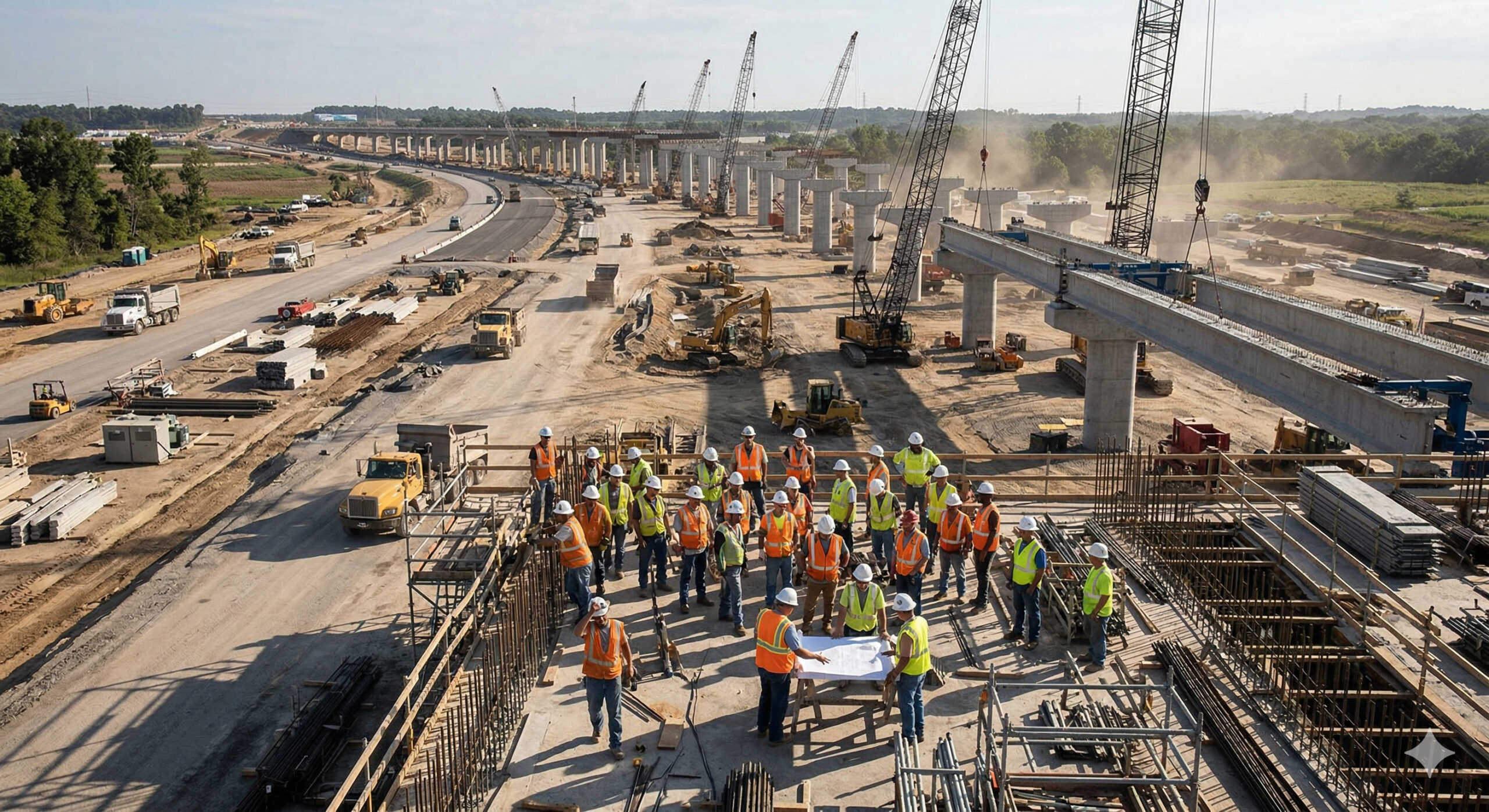
Australia is on alert for a potential shortage of up to 300,000 workers in construction by 2027, as a surge in energy, housing, and infrastructure projects pressures the country and exposes a historical bottleneck that could stall ongoing billion-dollar projects.
-
How much does it cost to build a simple 2-bedroom house in the countryside in 2026? Look at real values and what drives up the project’s costs.

At this stage, the section under the Pearl River estuary becomes the heart of the challenge: it is there that the project concentrates much of the operational risk, the complexity of the terrain, and the control necessary to keep the excavation stable.
The giant machine that keeps the advance going
To push the work in this environment, the project uses a large-diameter tunnel boring machine developed in China, called Shenjiang-1. It keeps the excavation ongoing continuously, even during holiday periods, because stopping and resuming in a critical section can increase the complexity of control.
The difference is that the machine not only drills. It allows the advance to occur simultaneously while the internal lining of the tunnel is being assembled, a strategy designed to gain efficiency where any delay weighs more.
13 layers of soil, five geologies, and six fault zones

The difficulty is not just “digging deep.” The tunnel boring machine needs to cross 13 distinct strata, with five types of composite geology and six fault zones along the route.
In practice, this requires constant adjustments in operation, because each layer reacts differently. The advance depends on both power and fine control, as the same method may work well in one stratum and require immediate corrections in the next.
Intense pressure, slurry in circuit, and control of excavated material
The project anticipates a maximum depth of 116 meters below the seabed, a level at which hydraulic conditions become especially demanding for the machine and the structure.
To operate under this pressure, the system uses a slurry circuit with two central functions: to reduce friction at the excavation front and to transport the excavated material to the surface, where it is separated and reused in the process. It is an invisible detail for those outside, but crucial for the continuity and safety of the advance.
The tunnel “is born” just behind the excavation
As the front advances, the tunnel is being formed. Teams assemble, just behind, prefabricated concrete segments that make up the internal lining, ensuring that the structure keeps pace with the excavation.
Each segment is about two meters wide, and nine pieces close a complete ring in a structure with more than 13 meters in diameter. This rhythm, with excavation and assembly happening simultaneously, helps reduce time and sustain progress in a section where the environment does not forgive improvisation.
Why this section matters to the region
The scale of the project becomes clearer when looking at the size of the underwater segment. This section is 13.69 kilometers long and crosses several watercourses at the river’s estuary, between Dongguan and Guangzhou.
In the end, it is not just a deep construction: it is a central piece to improve connectivity in the Greater Bay Area and support economic integration in one of the most dynamic regions of the country.
And you: does this type of mega project impress you more for the engineering involved or for the economic impact it can generate?







Seja o primeiro a reagir!