





 Portuguese
  English
  Spanish
  4 min of reading
  0 comments


How China Expands Its Presence in Brazil’s Mines
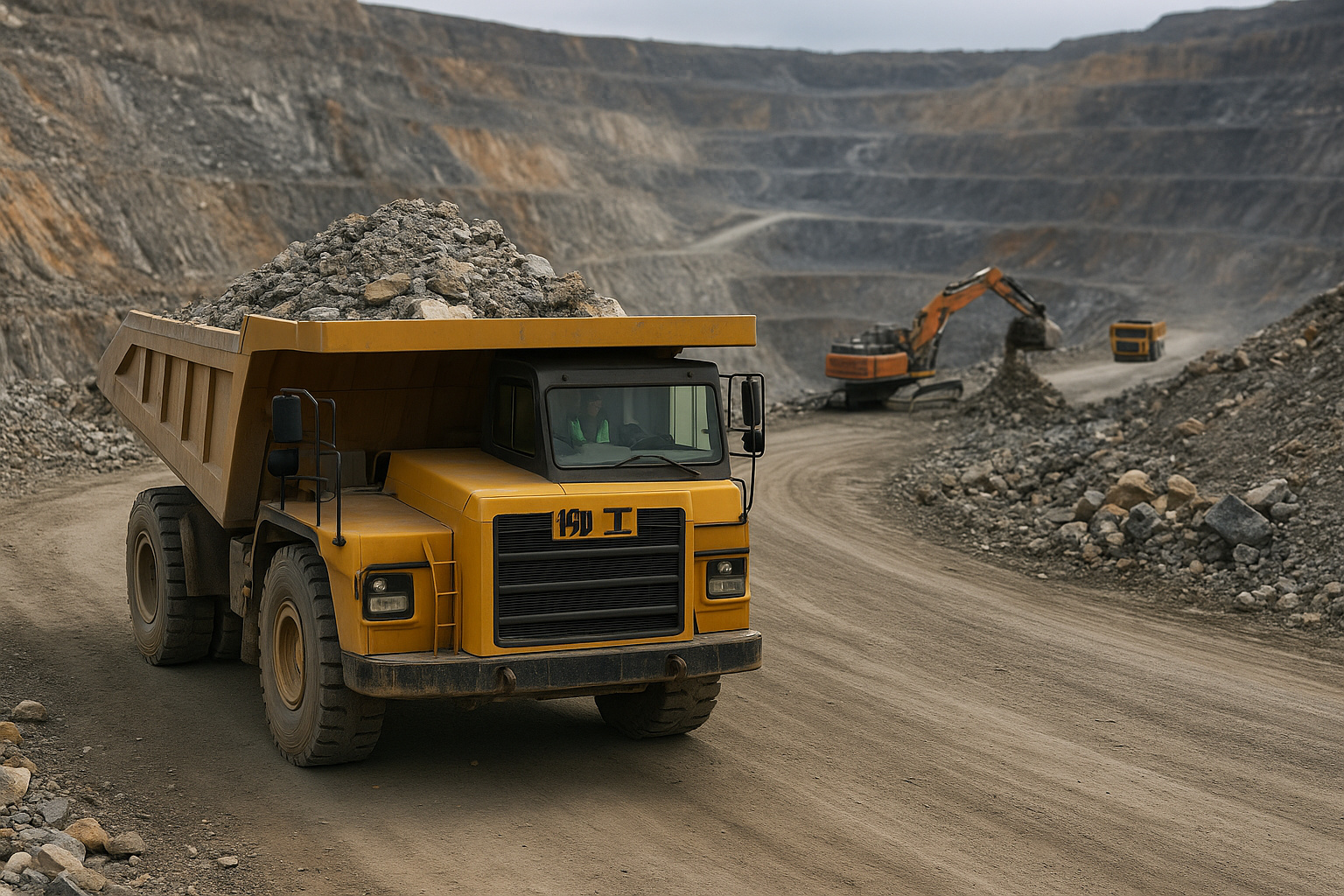
In 2024, Chinese mining companies intensified their investments in Brazil and thus expanded their control over nickel, niobium, tin, copper, and lithium. These metals are essential for the high-tech industry and also for the global energy transition.
According to data from the Brazil-China Business Council, Chinese investments reached US$ 4.18 billion, which represented an increase of 113% compared to 2023. This amount, in turn, was the highest since 2021.
According to Alvarez & Marsal, the central characteristic of this expansion is the focus on structural sectors, such as energy, infrastructure, oil, and mining. Thus, this highlights a state strategy aimed at dominating global supply chains.
The Battle for Brazilian Nickel
The most symbolic move occurred in 2025, with the purchase of the Barro Alto mine (GO) by the Chinese state-owned company MMG, a subsidiary of China Minmetals.
The asset belonged to Anglo American and was acquired for US$ 500 million. The deal is still awaiting approval from Cade, but if confirmed, it will place 50% of Brazilian nickel production under Chinese control.
This volume corresponds to 1% of global production. In addition, the agreement included Codemin steel mill, in Niquelândia (GO), specialized in ferro-nickel, essential for stainless steel.
Brazilian nickel also attracts China’s interest due to its role in lithium batteries, which equip electric cars and cell phones.
According to Reuters, the Asian country dominates 75% of global production of this type of battery, which reinforces the strategic importance of this metal.
The Advance on National Niobium
Niobium, responsible for 90% of global production concentrated in Brazil, has also attracted the Chinese since 2011, when a consortium of five mining companies purchased 15% of CBMM, in Araxá (MG).
Subsequently, in 2016, the state-owned CMOC acquired the niobium mine from Anglo American, in Catalão (GO).
Furthermore, in 2024, CNMC bought Mineração Taboca, a producer located in the Amazon, reinforcing Chinese dominance.
Currently, one-third of Brazilian niobium production is under the control of Chinese companies.
The metal is known for withstanding high temperatures and increasing steel strength, being essential for aircraft, pipelines, and rocket turbines.
Therefore, the Chinese interest is easily explained: it is a strategic input for technological and military development.
-
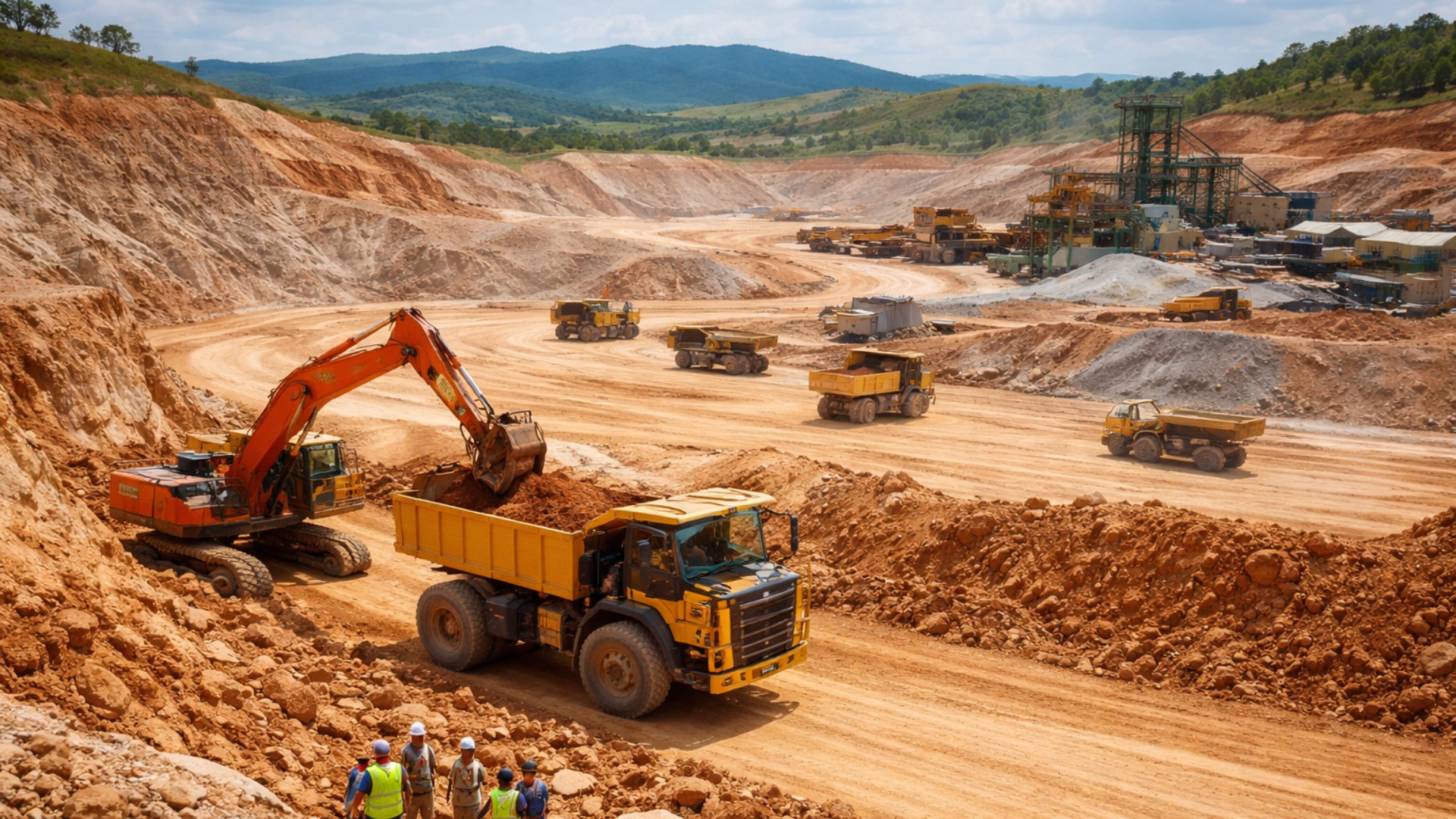
After China, it’s now the turn of the USA to ‘secure’ a share of Brazil’s natural resources: the country buys critical rare earths for R$ 3 billion and enters the center of the global technology dispute.
-
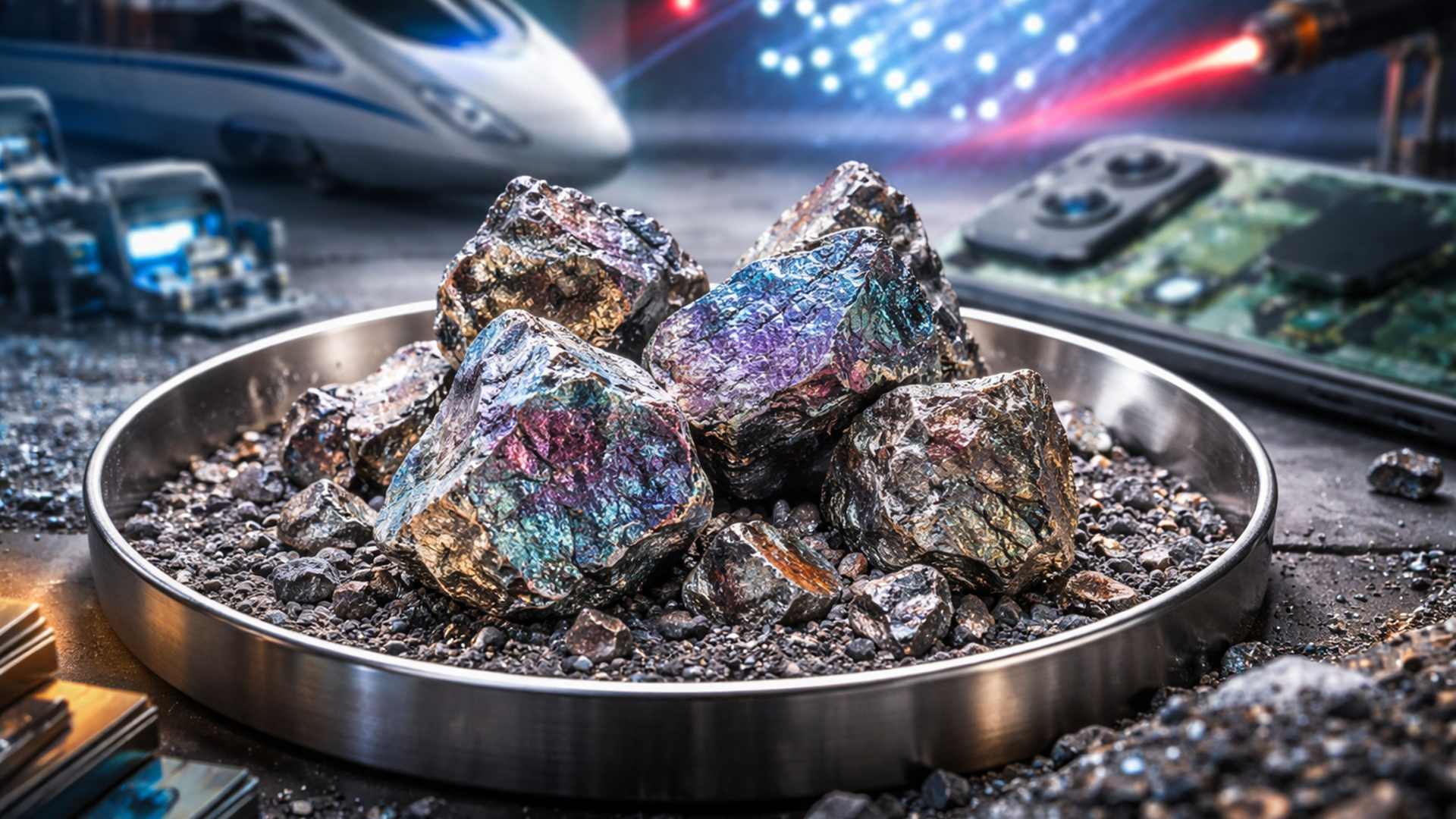
Rare earths are in everything, from cell phones to bullet trains, and what almost no one realizes is why they have become the target of such a delicate global war.
-
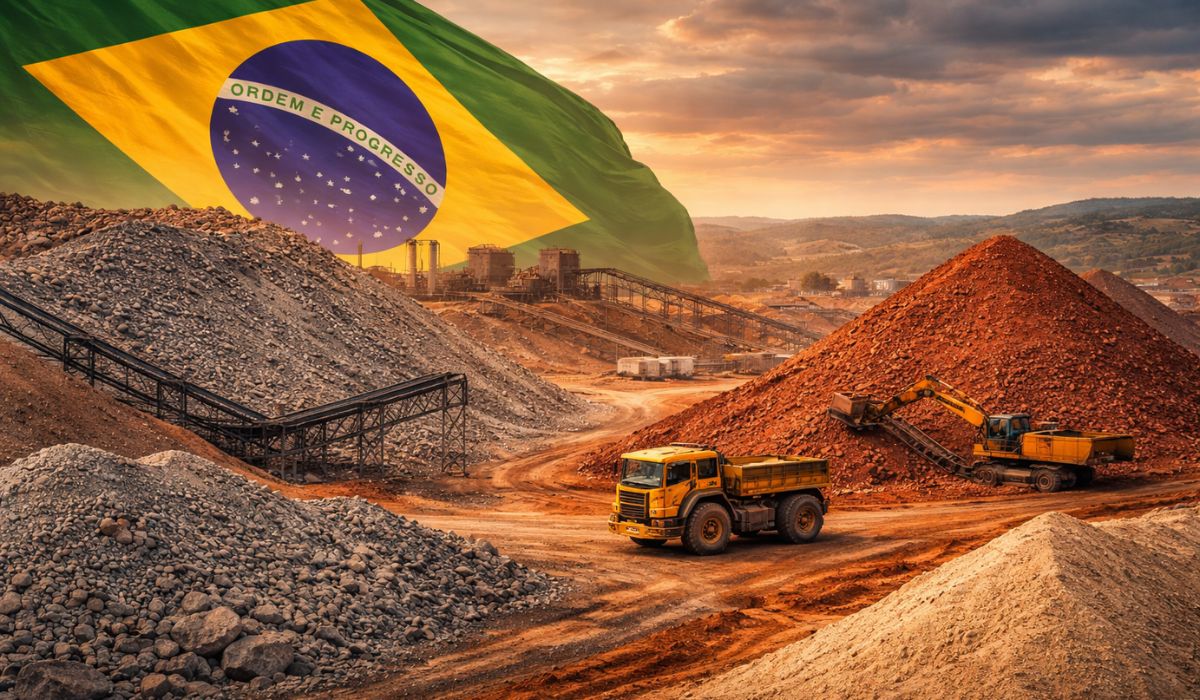
Brazil extracts 26.3 million tons of ore from what was previously treated as waste, transforming residues into wealth, producing over 3 million tons of sand, and demonstrating how national mining is relearning to generate value.
-
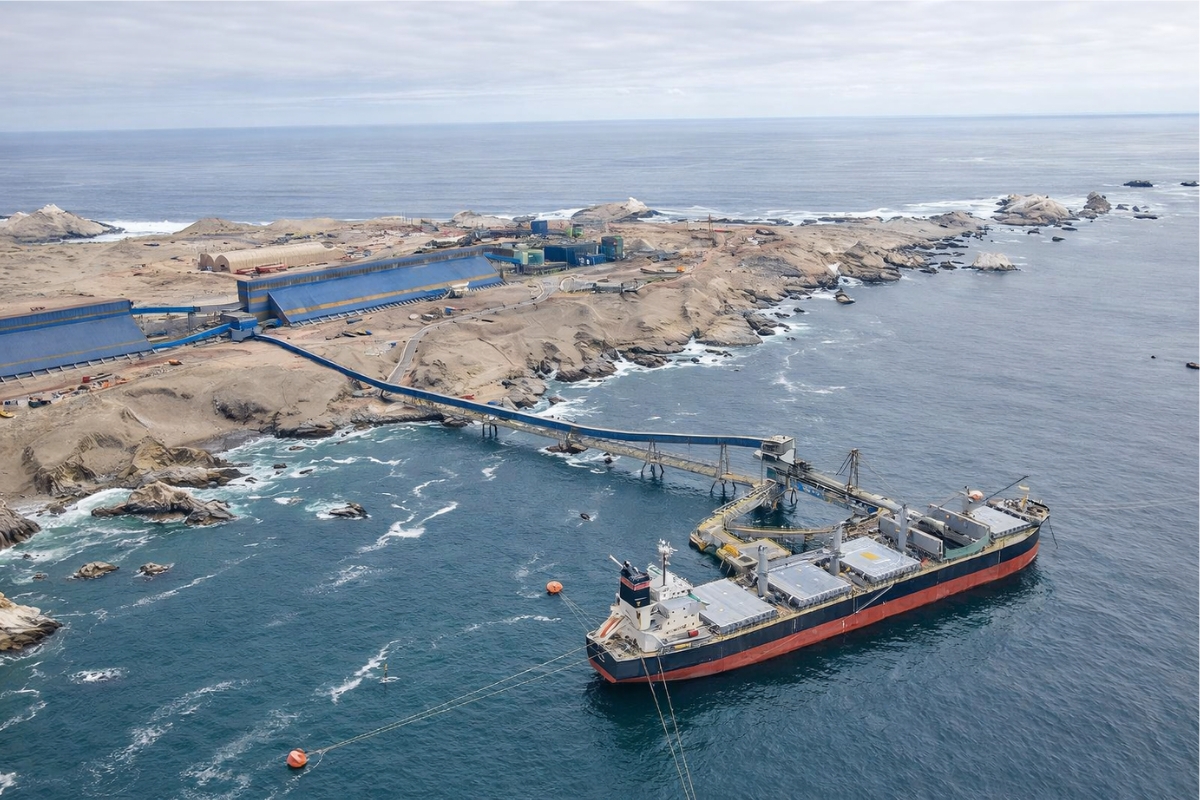
A $3.5 billion megaproject in Latin America pumps desalinated seawater at 1,050 liters per second over 194 km to keep a copper supermine in the Andes operational for another 20 years.

Tin, Copper, and Lithium Also Enter the Radar
Tin is another important target, as Mineração Taboca, in Amazonas, accounts for 30% of Brazilian production and 8% of global volume.
The material is essential in electronic circuit soldering, as it has a low melting point and high conductivity.
Additionally, copper has also come to the Chinese radar. In 2024, the state-owned Baiyin purchased Mineração Vale Verde, operator of the Serrote mine (AL), gaining control of 5% of national production.
Simultaneously, the Chinese giant BYD, the leading Chinese automaker, entered the competition for lithium, acquiring exploration rights in Vale do Jequitinhonha (MG) in 2023.
Still in 2024, the company began talks with Sigma Lithium, as highlighted by the Financial Times, which reinforces the pursuit of vertical integration of supplies for electric cars.
Iron, Geely, and the New Verticalization Strategy
Although China is already the largest buyer of iron ore from Brazil, absorbing 70% of national exports, it had not operated directly in the sector.
However, this began to change with the Bloco-8 project, located in northern Minas Gerais.
The enterprise is conducted by Sul Americana de Metais, a subsidiary of Honbridge Holdings, controlled by the automaker Geely.
The project calls for an investment of US$ 2.1 billion to extract 27 million tons per year of premium ore.
This ore has 65% iron content, a quality similar to that of Vale, in Carajás, which increases its market value.
Currently, the project is still in environmental licensing, but, if approved, it could account for 13% of national production of high-purity ore.
Furthermore, the initiative marks an unprecedented integration between automaking and mining, demonstrating Chinese industrial verticalization.
A Domination with Strategic Implications
The Chinese investment policy has evolved from a search for self-sufficiency to a capitalist model of control over lucrative supply chains.
This strategy, therefore, goes far beyond securing basic inputs. It seeks geopolitical influence, industrial stability, and global competitiveness.
For Brazil, the benefits are clear, as they involve jobs, tax revenue, and foreign capital inflow.
However, it also increases challenges such as external dependence, environmental pressures, and the need for strong rules to protect sovereignty over strategic resources.
Thus, the balance between investment and national control becomes increasingly crucial for the future of Brazilian mining.









Seja o primeiro a reagir!