





 Portuguese
  English
  Spanish
  4 min of reading
  30 comments


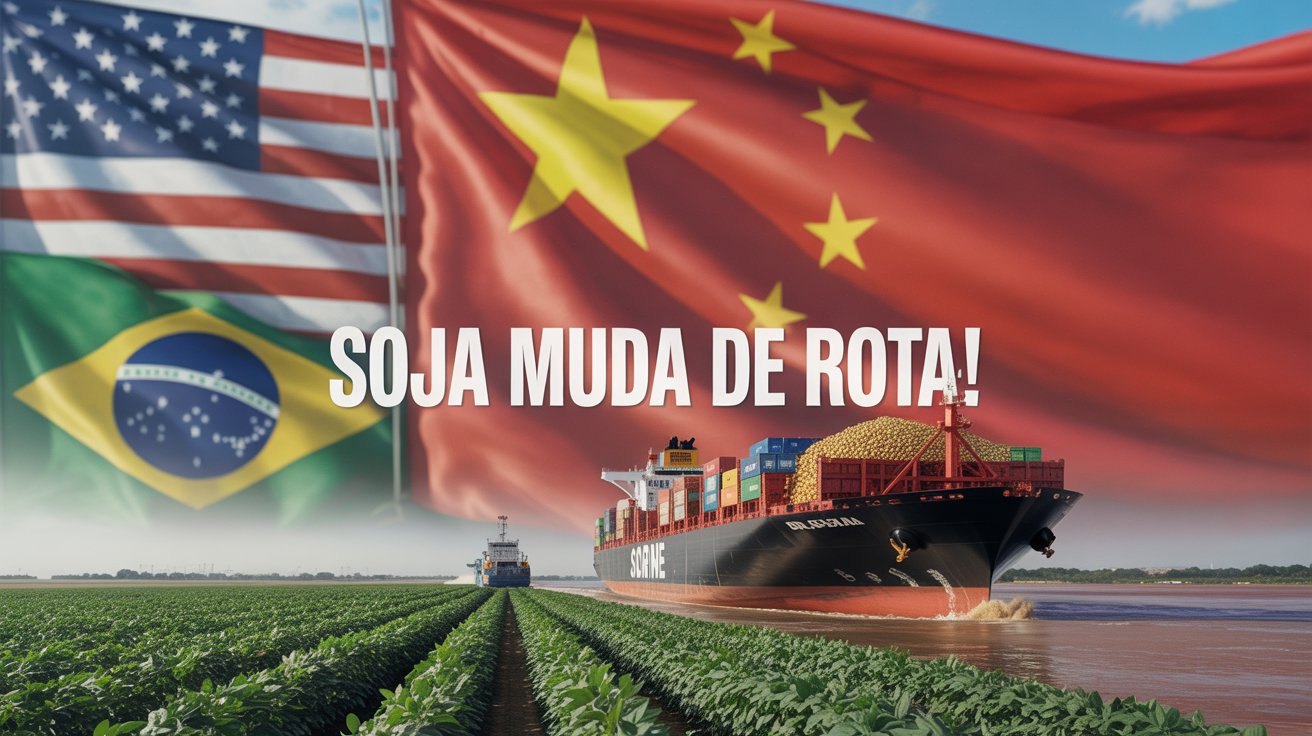


The Temporary Suspension Of Argentina’s 26% Export Tax On Grain Exports Led China To Reserve Large Shipments Of Soybean, Increasing Pressure On The United States And Brazil In One Of The Most Disputed Moments Of Global Agricultural Trade.
China has reserved at least 10 ships of soybean from Argentina, each with about 65 thousand tons, for shipment in November, shortly after Buenos Aires temporarily suspended the 26% tax on grain complex exports.
The deals were closed with a premium over the November CBOT contract, a move that shifts purchases that historically would occur in the United States during this harvest period.
The Argentine measure, announced on September 22, was set to remain in effect until October 31 or until export declarations reached US$ 7 billion.
-
Inflation in March reaches 0.88% according to IBGE and pressures the Brazilian economy, impacting family budgets and requiring more strategic decisions to maintain financial control.
-
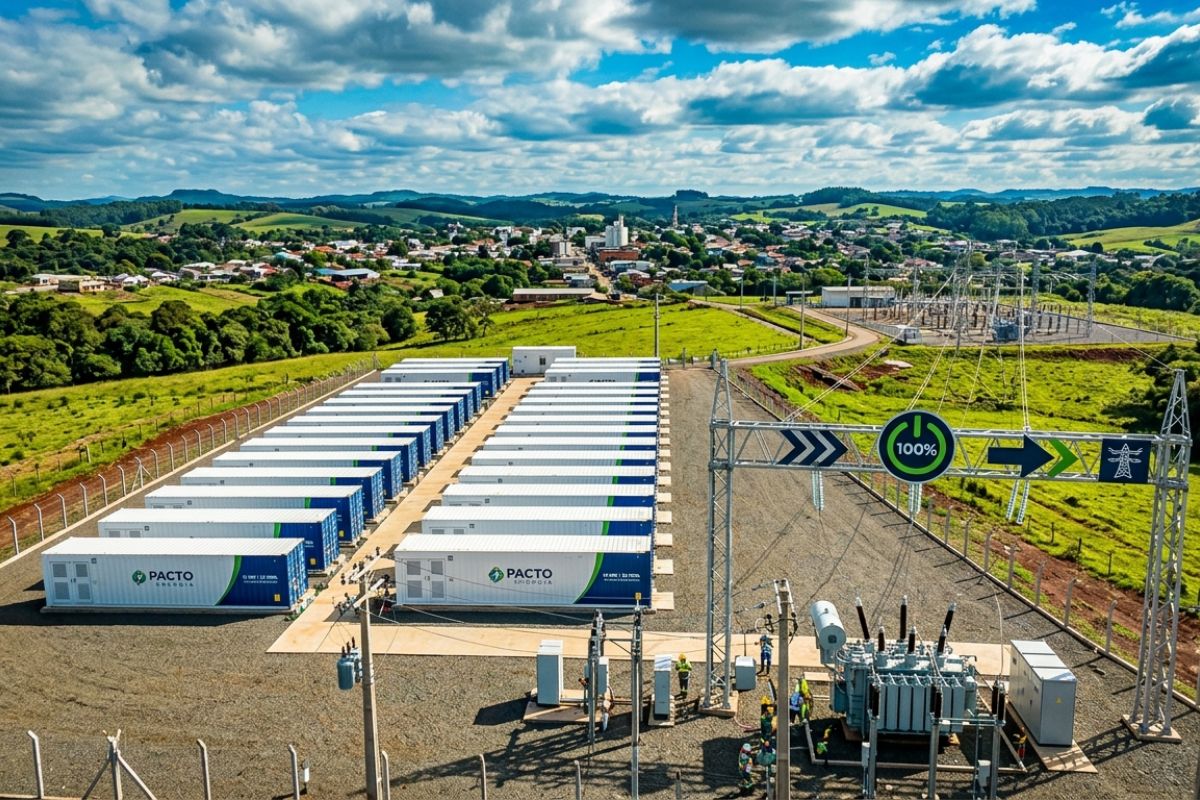
In Paraná, distributor Pacto connects 100% of the load in Coronel Vivida to batteries: a BES of 10 MW and 20 MWh costs just over R$ 30 million and lowers the local tariff now.
-
With a dependence of up to 80% on gas imported from the United States, Mexico is responding with a robust energy strategy, betting on shale gas, creating a scientific committee, and preparing to expand natural gas production to reduce vulnerability and strengthen its energy security in the coming years.

-
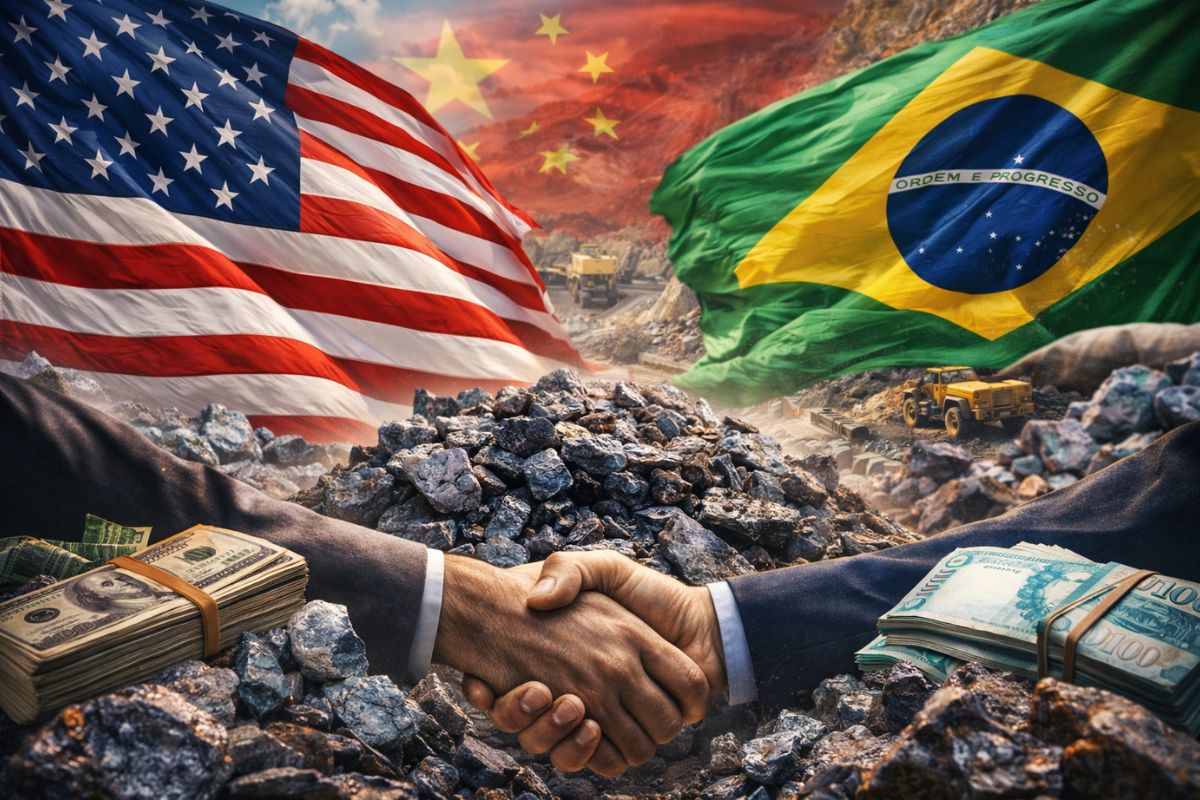
The United States proposes to Brazil a critical minerals agreement with a minimum price to combat Chinese dumping and priority for investment, but the Planalto is blocking the signing out of fear of upsetting China and due to electoral calculations in a year of competition.
Two days later, with the cap reached, the government reapplied the rates for grains and derivatives.
What Changed With The Argentine Decision
The suspension of the retentions reduced the taxes on soybean, corn, wheat and their derivatives, as well as biodiesel, to zero for a few days, with the explicit goal of accelerating the influx of dollars and easing pressure on the peso.
In the same package, the government also announced exemptions for beef and chicken until the end of October, with no sales limit.
With the US$ 7 billion cap reached quickly, the rates on grains and by-products came back into effect on September 25.
How Chinese Purchases Worked Out
Negotiators in Singapore and Beijing reported that Chinese trading firms closed at least 10 Panamax loads of Argentine soybean to supply fourth-quarter stocks.
The lots were quoted C&F with a premium estimated between US$ 2.15 and US$ 2.30 per bushel compared to the November contract on the Chicago Exchange, according to operators with direct knowledge of the operations.
One of the sources mentioned that the volume could reach 15 ships, depending on the logistical window in November.
Immediate Effect On Prices And The Market
As transactions progressed, soymeal and soybean oil contracts on the Dalian exchange fell by about 3.5%, reflecting expectations for greater supply and more favorable crushing margins in China.
In Chicago, the prospect of demand shifting to South America put pressure on prices in the short term.
Analysts emphasized that the impact tends to be temporary, given the limited duration of the Argentine policy and the limited supply of soybeans available for immediate export.
Brazil And The U.S. Lose Space In This Window


At the peak of the “window” for American exports, China has not yet made purchases from the U.S. fall harvest, a factor that increases export idleness in that country and delays shipments that, in previous years, began to gain traction between September and November.
At the same time, part of the Chinese demand that would usually be met by Brazil has been redirected to Argentine ports due to the price differential created by the temporary suspension of the retentions.
This redirection reinforces Beijing’s strategy to diversify sources and pay premiums when the fiscal conditions are favorable for suppliers.
Short Window: Cap Reached And Return Of The Tax
The fiscal attractiveness lasted a short time.
With the rush to register sales, the US$ 7 billion limit was reached in just two days, leading the government to reinstate the rates for grains and derivatives already on the Wednesday following the announcement.
The exemption for meats remains valid until October 31, with no cap, but does not change the dynamics of whole soybeans.
For contracts already closed before the reversal, the market assessment is that the negotiated conditions are likely to be honored, although the reinstatement of the tax may reduce the momentum for new short-term fixations.
Logistics, Premium, And Limits Of Supply
Even with a C&F premium over the CBOT, the final cost remained competitive against U.S. alternatives when considering the logistical chain and the net effect of the zeroed tax at the time of negotiation.
Panamax loads of 65 thousand tons fit the typical capacity of ports in Paraná and the River Plate, but the shortening of the fiscal window and the reestablishment of the tax tend to compress the number of new shipments with this tax advantage.
Furthermore, the availability of whole soybeans for immediate export in Argentina is less than that of derivatives, which limits expansion beyond the already contracted batch.
Repercussion Among Producers And Tradings
In the United States, producer associations reacted negatively to the loss of market during the harvest, highlighting that every diversion of purchases to South America exacerbates the pressure on domestic prices.
On the Argentine side, exporters took advantage of the window to accelerate registrations, while local analysts pointed out that the measure fulfilled the goal of capturing dollars in a short period, at the cost of a regulatory back-and-forth that increases uncertainty for new commercial commitments.
What To Observe In The Coming Weeks
The trajectory of Chinese purchases will remain conditioned by three variables: price parity between sources, tax conditions in supplying countries, and progress of trade negotiations between Beijing and Washington.
For Argentina, the extraordinary window has weakened with the return of the tax, which reduces the space for additional volumes with a premium similar to that observed in early contracts.
For Brazil and the U.S., the reinstatement of the Argentine tax may reopen opportunities if prices and regional premiums return to favor these markets at the turn of the month.
With the return of the rates in Argentina and the shipment schedule already compromised for November, will China maintain purchases outside the U.S. or rebalance sources as premiums change in the upcoming windows?







Argentina tem plantação de soja em abundância?
Sim, a Argentina produz soja em grandes volumes, sendo um dos maiores produtores e exportadores mundiais, especialmente de óleo e farelo de soja. A produção do grão na safra 2024/2025 foi estimada em 50 milhões de toneladas métricas, com a expectativa de estabilidade na safra seguinte.
Meus queridos,é disto que os políticos gostam,conversas vazias,e achar que somos ****.
Vamos nos interessar mais pelo que está acontecendo no Brasil para não ficarmos perdendo nosso tempo com coisas que só trazem palavras que não nós trazem conhecimentos.
O conhecimento liberta o homem.
Leiam,o que está acontecendo no nosso país e se possível até em outros países.
Não vamos nos ofender,deixem isto
para eles.
Nós somos vítimas desta corrupção que aí esta.
Somos vítimas desta violência que não tem fim.
Vamos ler mais e cobrar de quem está a legislar.
Erramos em não cobrar deles.
Somos a maioria temos o direito de cobrar,sem arruaças,sem violência.
As eleições estão às portas,não se deixem vender por um prato de lentilhas.
É com sabedoria do povo que venceremos os abutres desta nação.
Obrigada pela atenção,
Um abraço