





 Portuguese
  English
  Spanish
  4 min of reading
  0 comments


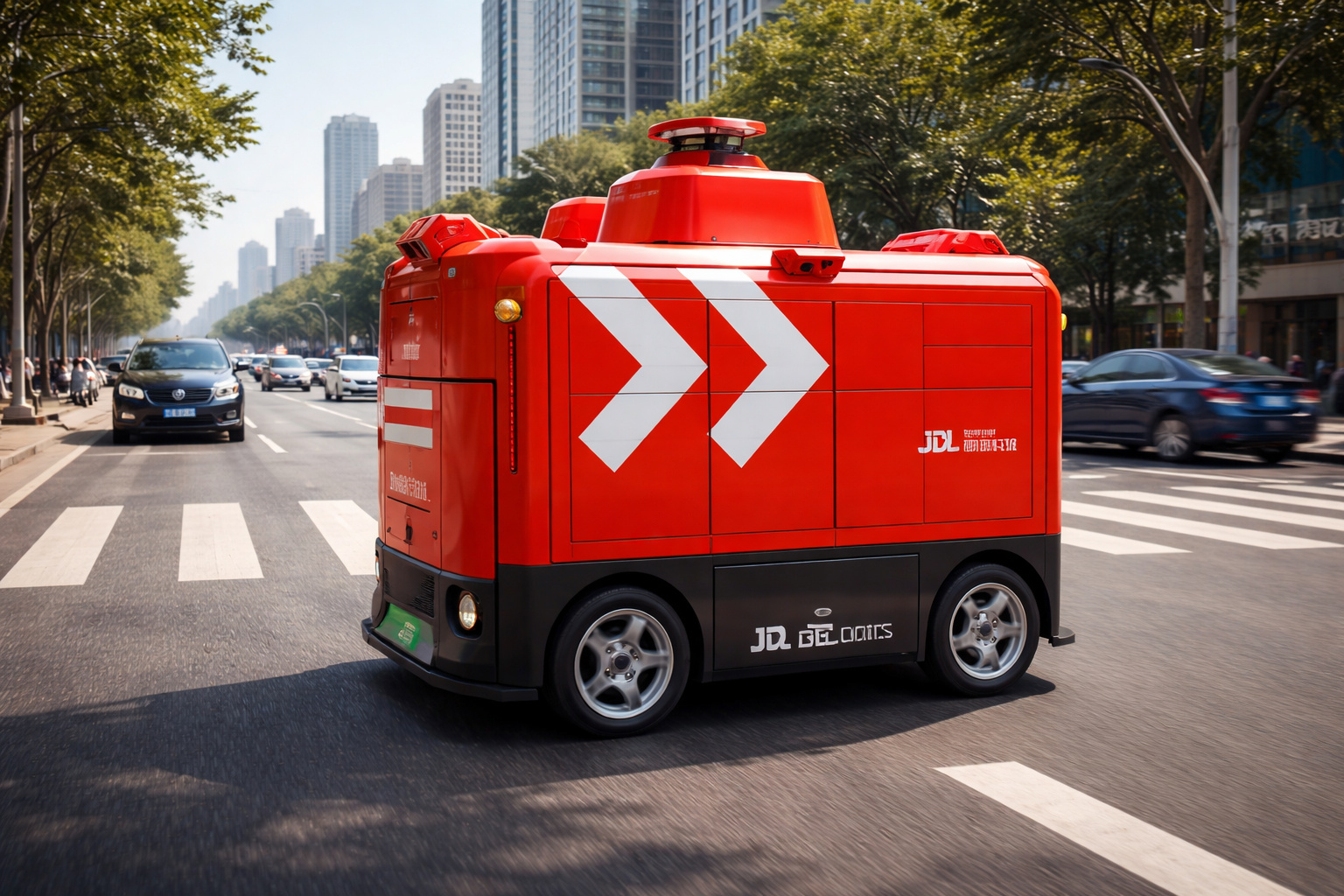
The logistics revolution has already begun — and this time, it does not depend on human drivers. In various cities in China, autonomous delivery vehicles are becoming part of the routine, completely changing the way products reach consumers. From food to medicine, technology is advancing rapidly and promises to redefine the future of global logistics.
The information was released by “Xinhua,” the Chinese state agency, which detailed the accelerated growth of this smart delivery model, with impressive data on scale, efficiency, and economic impact.
Autonomous vehicles are already a reality in more than 100 Chinese cities

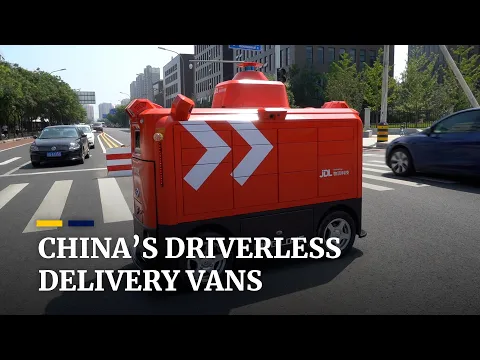
First of all, what stands out is the speed with which this technology has spread. By June 2025, more than 100 Chinese cities had already implemented pilot programs with autonomous vehicles operating on public roads. Additionally, cities like Qingdao stand out as major centers of this innovation, with about 1,150 autonomous vehicles in operation.
-
Scientists enter a narrow, flooded cave 500 meters deep and find giant dinosaur footprints on the ceiling measuring up to 1.25 meters, preserved in such a rare way that a new type of trace had to be created.

-
In the satellite image, it resembles the letter V: the lake in Maine that caught NASA’s attention was shaped by a dam and has become one of the most unusual landscapes in the USA.

-
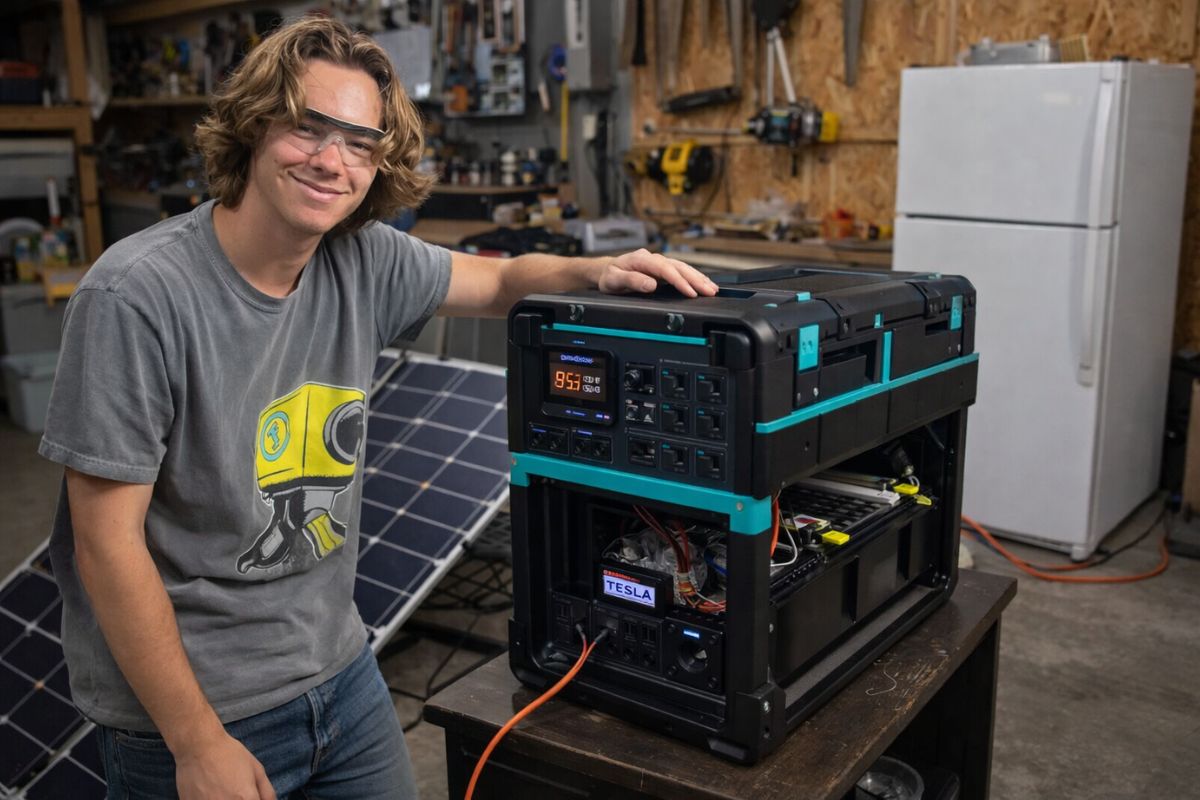
A 19-year-old created a portable energy system in his garage that promises to compete with Tesla at half the price and keep his refrigerator running for days during power outages.
-
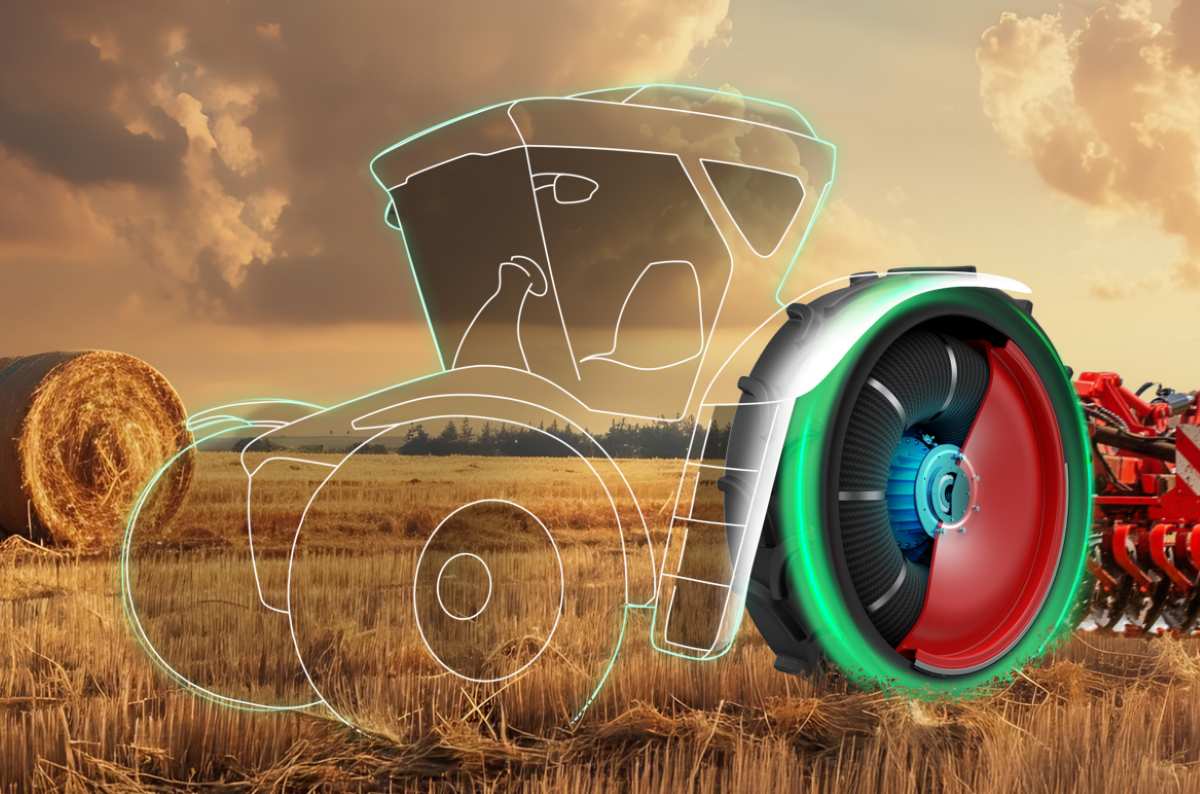
The tractor that never stops? German engineers create super technological wheels that store hydrogen and ensure that the machine works all day in the field without needing to stop even once to refuel.
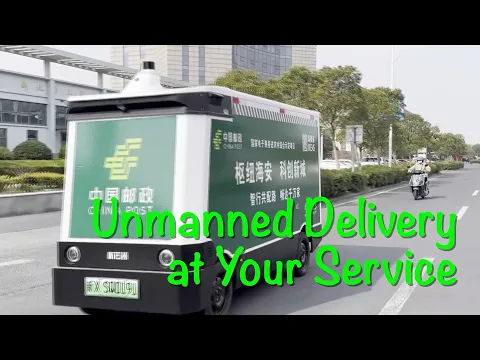
These vehicles are completely different from traditional cars. Without a steering wheel or driver’s cabin, they have a compact structure — approximately half the size of a regular car — and are powered by advanced artificial intelligence.
Thanks to this technology, they can:
- Automatically plan routes
- Recognize traffic signs
- Identify obstacles
- Brake and steer in real-time
In other words, they operate with a level of autonomy comparable to that of an experienced driver.
Moreover, companies like Neolix are leading this transformation. Since 2021, the company has been developing AI-based vision algorithms capable of interpreting complex scenarios, significantly reducing mapping and data update costs.

Deliveries reach 1 million per month and reduce costs by half
As technology evolves, the numbers are even more impressive. In Shenzhen, one of the country’s main technology hubs, 432 autonomous vehicles made 1.02 million deliveries in just one month, generating revenue of 8.7 million yuan.
At the same time, the financial impact is evident. According to industry experts, the use of these vehicles can reduce operational costs by nearly 50% compared to the traditional delivery model.
This happens because:
- There is no need for drivers
- Energy consumption is optimized
- The operation is continuous and automated
Consequently, logistics companies can increase efficiency and reduce expenses — something essential in a highly competitive sector.
Additionally, these vehicles have robust technical characteristics:
- Load capacity of 1 ton
- Internal space of 6 cubic meters
- Maximum speed of 45 km/h
- Range of up to 200 km per charge
This data reinforces that the technology is already ready for large-scale applications.
Technology also reaches rural areas and creates new jobs
On the other hand, one of the most interesting aspects of this innovation is its application in remote regions. In rural areas of the Xinjiang region, for example, autonomous vehicles travel up to 60 km to deliver packages in isolated villages.
Even when transporting only two or three packages per trip, something that would be economically unfeasible in the traditional model, the vehicles continue to operate efficiently.
Thus, the technology not only improves access to products but also solves one of the biggest challenges of modern logistics: the so-called “last mile.”
Furthermore, contrary to what many believe, this innovation does not eliminate jobs — it transforms the labor market. According to experts, new opportunities arise in the areas of:
- Operations
- Maintenance
- Monitoring
- Management of autonomous systems
Therefore, it is an evolution that combines automation with human collaboration.
China bets on artificial intelligence as a national strategy
Meanwhile, the growth of this technology does not happen by chance. It is part of a well-defined national strategy. The sector of connected intelligent vehicles was highlighted in the 15th Five-Year Plan of China (2026-2030) as an emerging strategic industry.
Moreover, official guidelines encourage the development of regulations and operations for autonomous vehicles, creating a favorable environment for innovation.
As a result, Chinese companies have already expanded their operations to more than 15 countries and regions, including Japan, South Korea, Germany, and the United Arab Emirates. Currently, more than 10,000 autonomous vehicles have been deployed globally.
Thus, China not only leads the adoption of this technology — it also exports this model to the rest of the world.







Seja o primeiro a reagir!