





 Portuguese
  English
  Spanish
  4 min of reading
  2 comments


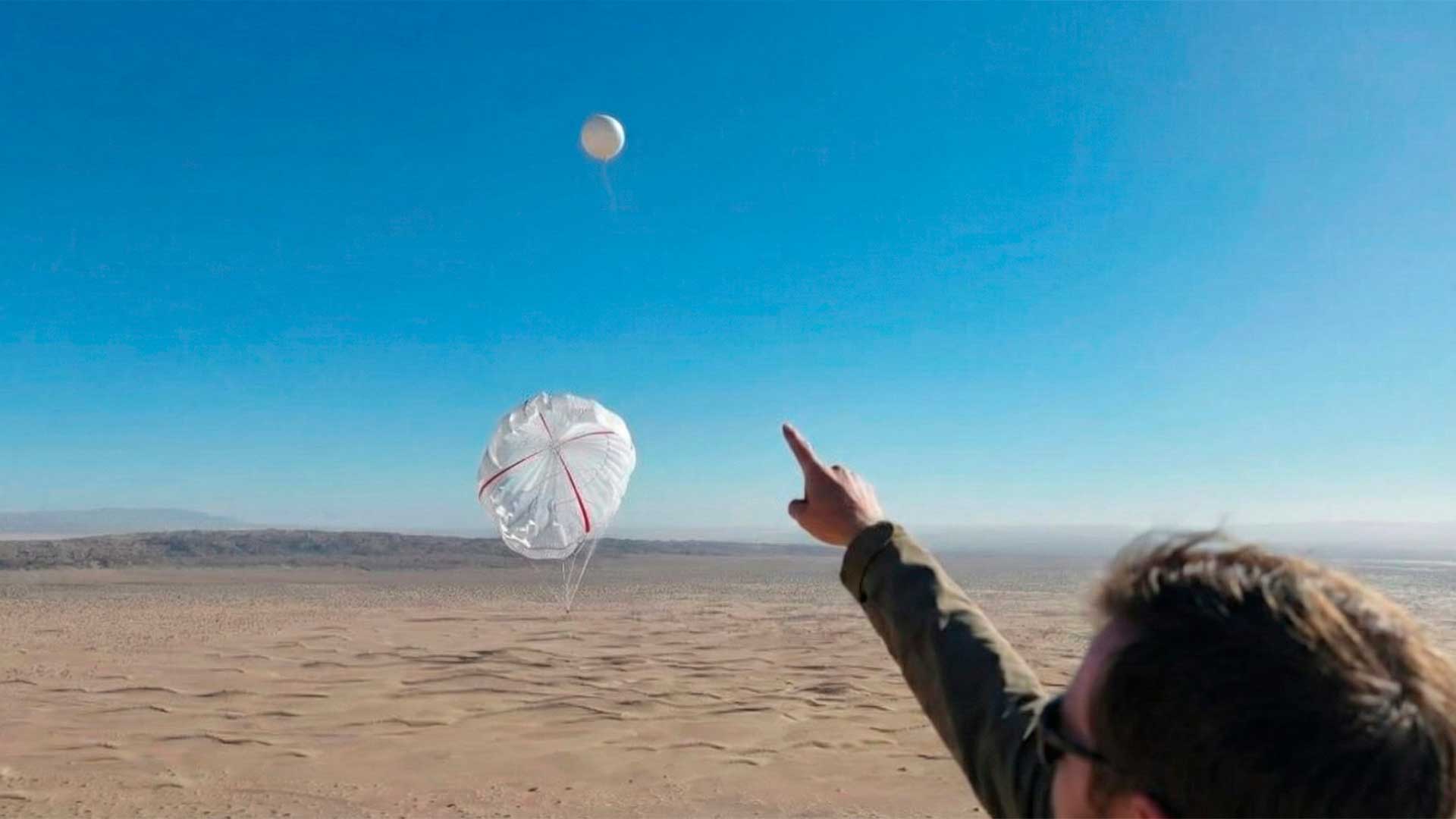


First Flights In Inner Mongolia Validated The Opening And Retrieval Of The Structure In The Air And Brought China Closer To Testing Electricity Generation On A Real Scale.
China conducted flight tests of a 5,000 m² kite designed to capture wind at high altitudes and convert this force into electricity through equipment connected to the ground. The experiment took place in an experimental field in the autonomous region of Inner Mongolia, in the northern part of the country.
According to reports citing the state broadcaster CCTV, the structure behaved as expected when it fully opened and then retracted in the air, a step considered essential to validate the system’s feasibility before measuring electricity generation.
The proposal fits into the so-called high-altitude wind energy, which seeks to harness winds that are more consistent than those near the ground, where common turbines struggle with variations and operational limits.
-
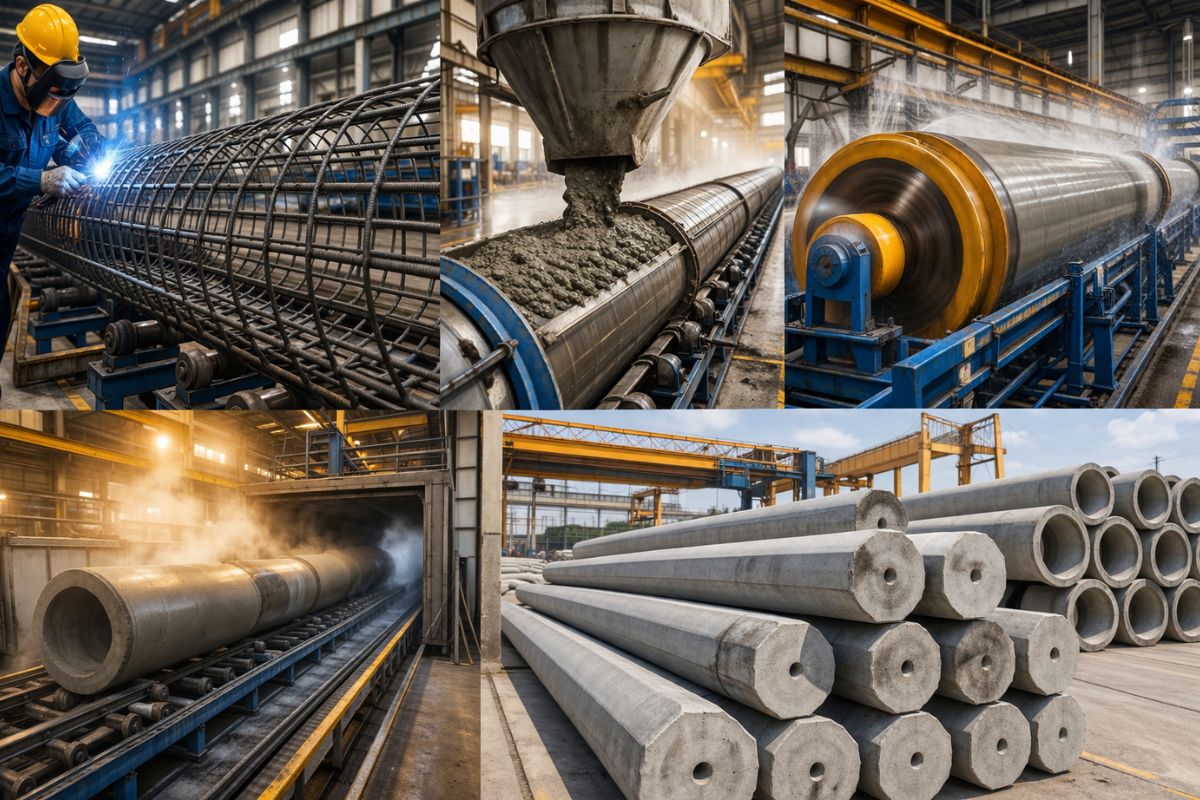
The factory shows how PHC piles and precast tubes are made; steel turns into a welded cage, high-strength concrete enters the mold, spins in centrifugation, cures in steam, and is ready in hours.
-
Small house with natural light becomes a trend in sustainable architecture and reveals how smart designs reduce energy consumption and enhance comfort in compact spaces.

-
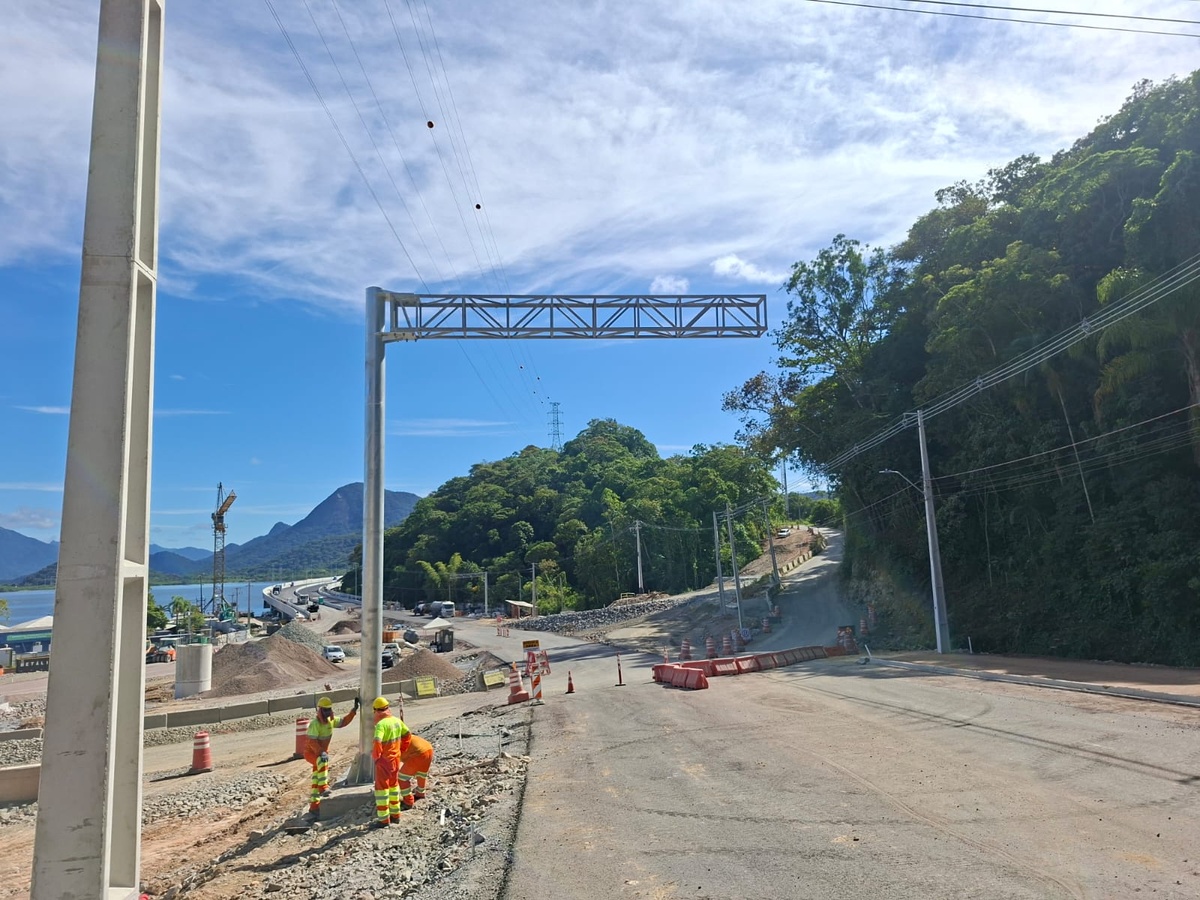
Guaratuba Bridge enters the final phase with high-standard road signage implemented by IASIN and inauguration scheduled for April 2026.
-
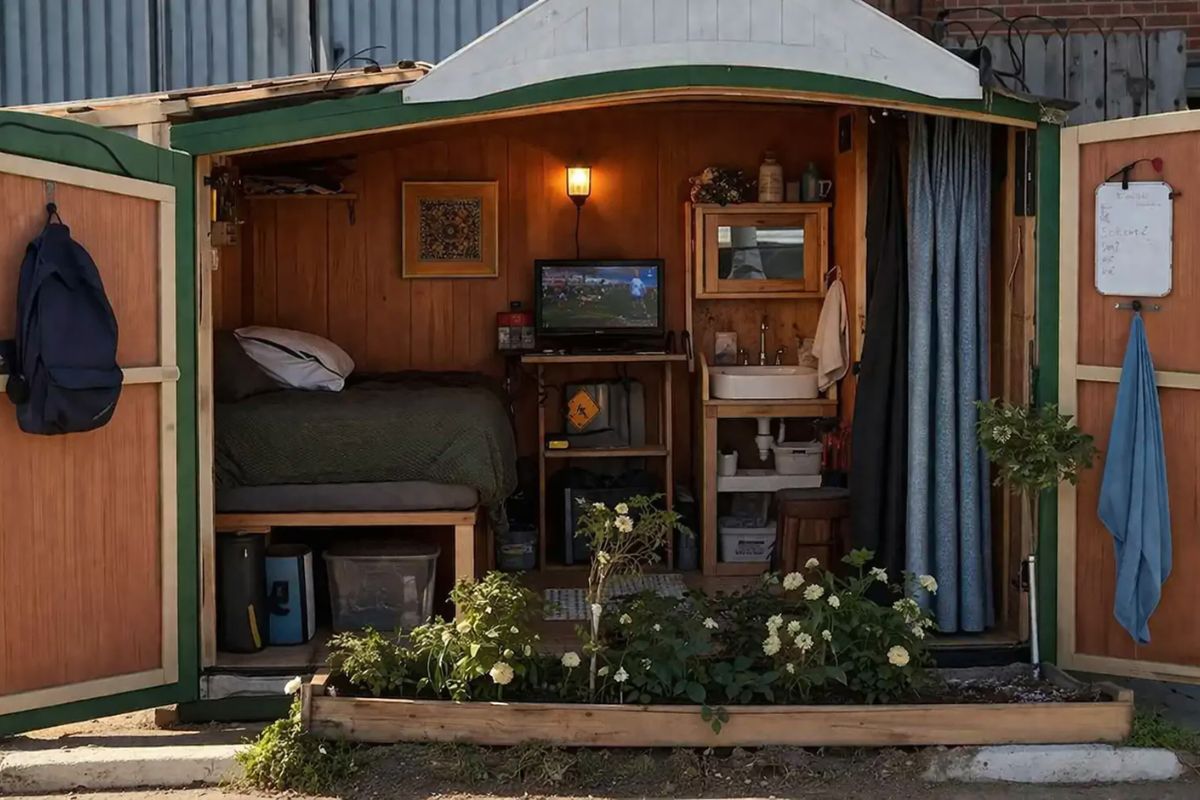
A homeless person in Los Angeles built their own wooden house with a garden at the entrance, a bed, a television, and a bathing area, and is now selling identical mini houses for $150 to other homeless individuals who prefer anything over returning to plastic tents.
The advancement draws attention because it paves the way for a renewable alternative that can complement traditional wind farms, especially in areas with strong and persistent winds in the upper layers of the atmosphere.
Test In Inner Mongolia Confirmed Aerial Maneuver And Unlocked The Next Stage Of The National Project

The tests were reported as part of an effort linked to China’s first national research and development plan focused on high-altitude wind energy, with participation from China Energy Engineering Co Ltd in part of the development and operation of the project.
According to reports in English and Portuguese based on state sources, the test site was located in the Alshaa area or Alxa Left Banner, identified as a testing zone for this type of equipment.
The commander of the tests, Cao Lun, stated that the first flight helped collect data to guide the design of the complete structure and support the creation of standards for future operations.
How The Technology Converts Wind Into Electricity With An Anchored Cable And Ground Generators
The principle is similar to flying a giant kite, only with control and energy purpose, using a “sail” that captures wind at altitude and transmits force via a cable secured to the ground.
In one of the described models, the tension in the cable and the controlled movements of the structure create enough tension to activate generators on the ground, converting mechanical energy into electrical energy.
Some descriptions indicate that a helium balloon can assist in raising the system to the desired altitude before the maneuvers begin, which makes the initial operation of the “sail” at higher layers easier.
There are also approaches where the generator is in the air, but the Chinese test highlighted in the reports was described as a path with ground generation, with the aerial equipment primarily capturing the wind.
In practice, the team aims to optimize stability, structural integrity, and system control, as any excessive oscillation affects efficiency and safety, in addition to increasing wear on cables and components.
Winds Above 300 Meters Are More Consistent And Can Increase Energy Potential
The focus on high altitude is based on the idea that, above about 300 meters, the airflow tends to be faster and more stable than near the ground, enhancing the predictability of generation and the energy density available.
In a project description, Cao Lun mentioned a system designed with a nominal capacity of 5 megawatts and operational cycles that can reach significantly higher altitudes, with estimates of annual generation under normal conditions.
Upcoming Tests Should Measure Electricity Generation And Expand Models Throughout 2026
The reports indicate that the recent flight was a validation of the wind collector, not the final confirmation of production at scale, and that the next phase should involve new flight tests with other models.
A representative cited in Portuguese articles indicated that the evaluation of electricity generation should begin by the end of next year, which, according to the publication schedule, sets expectations for late 2026.
Vehicles like China Daily also treated the trial as a milestone to open a new field of renewable energy development, with the potential to reduce some limitations of traditional wind farms in certain areas.
If the electrical tests confirm stability and efficiency, the topic is likely to advance to discussions on licensing, grid connection, and operational standardization under different weather conditions.
Airspace Safety, Costs, And Public Trust May Become The Main Controversy
Despite the appeal of a renewable solution, the technology raises practical questions about airspace safety, reliability in storms, and emergency procedures, as the system relies on a tensioned cable and fine control at altitude.
There is also debate about the total cost and maintenance, as the energy gain in stronger winds may come with greater demands for materials, monitoring, and logistics, especially if the operation occurs at great heights.
Another issue is public perception and industrial strategy, as projects of this type can be seen as energy revolutions or as technological showcases, and the real outcome will depend on performance, scale, and data transparency.
In your view, is this giant kite a realistic path to cheaper renewable energy, or is it more of an experiment that is unlikely to become a commercial plant? Leave a comment stating where you think the truth lies in this dispute and what else would need to be proven to convince the public.







Todo esforço feito em prol da melhoria de vida da população será bem vindo, embora que na maioria das vezes essas tecnologias uma vez aprimorada visam apenas lucros para algumas minoria.
Gostaria de está errado.
Gostei muito dessa descoberta.
Parabéns a CHINA!!!!
Isso pode mudar até a rotação da terra, trazendo seca ou devastação com chuva e vendavais.