





 Portuguese
  English
  Spanish
  5 min of reading
  1 comment


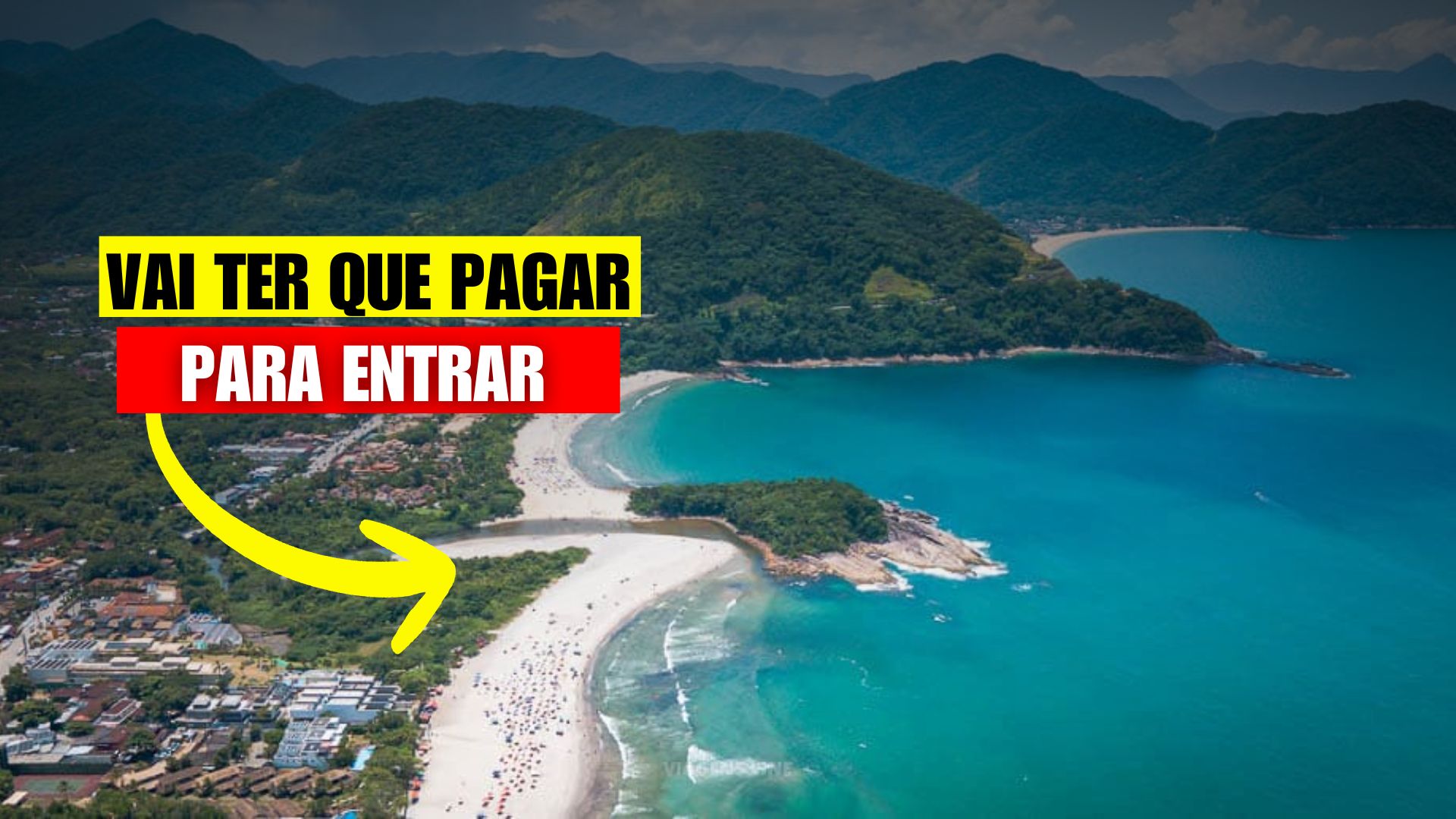


São Sebastião approved the creation of an environmental fee to be charged to tourists per vehicle, with amounts varying according to the category and exemption for short stays. The measure is set to take effect in the coming months.
The City Council of São Sebastião, on the north coast of São Paulo, approved in a second vote the establishment of the Environmental Preservation Fee (TPA) for the entry and stay of vehicles in the municipality.
According to information published this Thursday (02) by the Estado de Sp newspaper, the score was 10 votes to 1.
The charge will be daily, limited to 60 consecutive days, and may start up to 90 days after the law is published and the electronic monitoring system is implemented. Vehicles that remain in the city for less than two hours will be exempt.
-
Inflation in March reaches 0.88% according to IBGE and pressures the Brazilian economy, impacting family budgets and requiring more strategic decisions to maintain financial control.
-
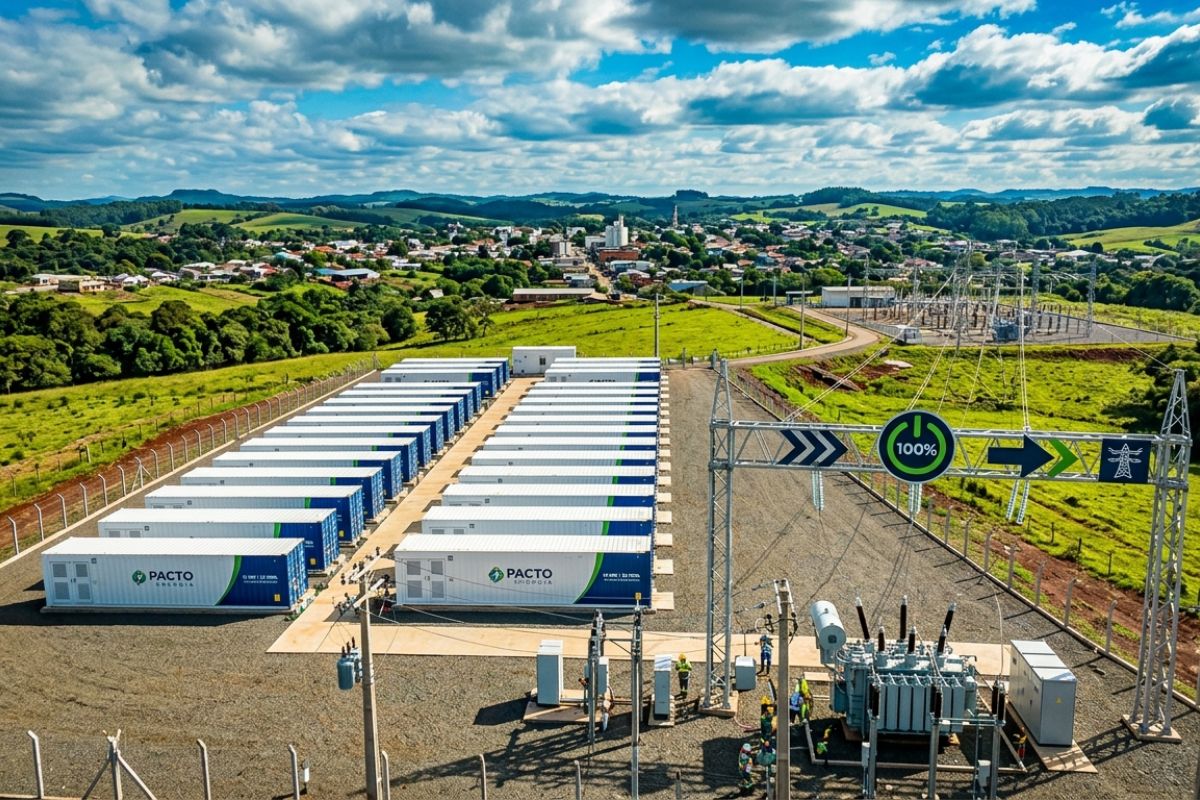
In Paraná, distributor Pacto connects 100% of the load in Coronel Vivida to batteries: a BES of 10 MW and 20 MWh costs just over R$ 30 million and lowers the local tariff now.
-
With a dependence of up to 80% on gas imported from the United States, Mexico is responding with a robust energy strategy, betting on shale gas, creating a scientific committee, and preparing to expand natural gas production to reduce vulnerability and strengthen its energy security in the coming years.

-
The United States proposes to Brazil a critical minerals agreement with a minimum price to combat Chinese dumping and priority for investment, but the Planalto is blocking the signing out of fear of upsetting China and due to electoral calculations in a year of competition.

Amounts vary according to category.
- For motorcycles, the daily fee will be R$ 5.25.
- For automobiles, R$ 20.
- Pickup trucks, R$ 24.80.
- Vans and minibuses, R$ 64.40.
- Buses, R$ 119.25.
- Trucks, R$ 143.10.
The regulation is part of the Municipal Tax Code and uses local references for the calculation, ensuring automatic updates when there is a revision of the municipal index.
How the Charge Will Work and Who Will Be Exempt
The mechanism will operate through electronic monitoring at the city entrances, identifying the license plate and verifying the length of stay.
According to the approved text, there will be no charge for those who enter and leave within a period of less than two hours.
The law also provides for exemptions for residents of São Sebastião and for vehicles registered in Caraguatatuba, Ubatuba, Ilhabela, and Bertioga.
Also exempt will be official vehicles, ambulances, transport for people with disabilities, and providers of essential services.
Property owners of residential properties in the municipality will be able to register a limited number of vehicles for family exemption, upon prior registration.
The company or structure responsible for managing the system must issue periodic reports, with data on revenue and allocation of resources, allowing for social control.
According to the city hall, the revenue obtained will be applied to urban cleaning, waste management, tourism infrastructure, and environmental preservation initiatives, including beach cleaning and maintenance of green areas.
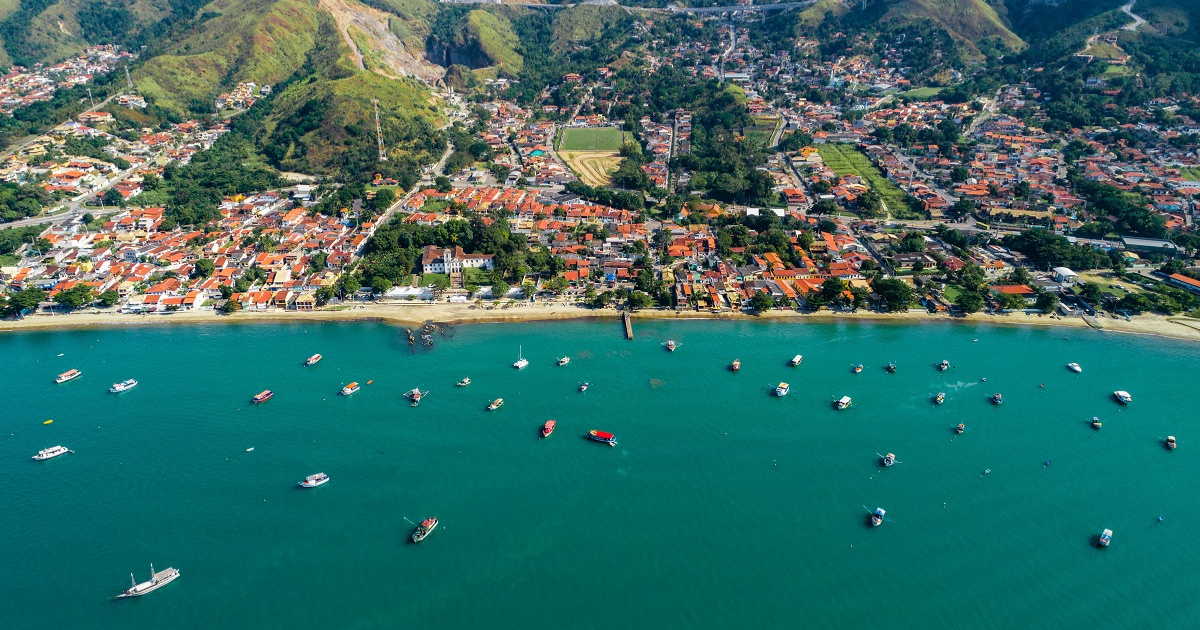
Why São Sebastião Decided to Adopt the TPA
The Executive’s justification is to share the tourism costs with those who actually use the city during peak periods.
During holidays and extended breaks, the population can triple, which puts pressure on waste collection, street cleaning, traffic, and health and security services.
The administration states that the TPA aims to offset the environmental and urban impacts generated by the massive influx of vehicles, adopting a similar logic to other coastal destinations that already implement fees for car entry.
Even outside of the high season, São Sebastião maintains an event calendar that attracts visitors.
In April, the city hosted a stop of the world surfing circuit in Maresias, as well as the World Beach Tennis Championship and the São Paulo Taekwondo Championship.
According to the city hall, the hotel occupancy rate in the month was 55%, a figure above that recorded in the previous two years.
The administration asserts that this constant movement justifies the adoption of a permanent environmental compensation policy.
Political Debate: Criticism, Resignation, and Defense of the Project
The session that formalized the new fee was marked by clashes.
Councilor Henriana Lacerda (Republicanos), then the government leader in the House, resigned from her position and stated that the topic required more technical foundation and transparency in the allocation of resources.
In a speech, she claimed to be a defender of environmental preservation but stated that “good legislative practice must prioritize transparency, social participation, and broad listening to the population”.
Members of the government base defended the measure as a tool for fiscal responsibility.
Councilor Professor Cardim (PSDB) cited an inherited deficit of approximately R$ 700 million in the municipal accounts and argued that the TPA helps finance services pressured by tourism without solely burdening residents.
Parliamentarians also mentioned adjustments to the text to include specific exemptions and governance rules for the allocation of resources.
What Visitors Need to Know Before Traveling
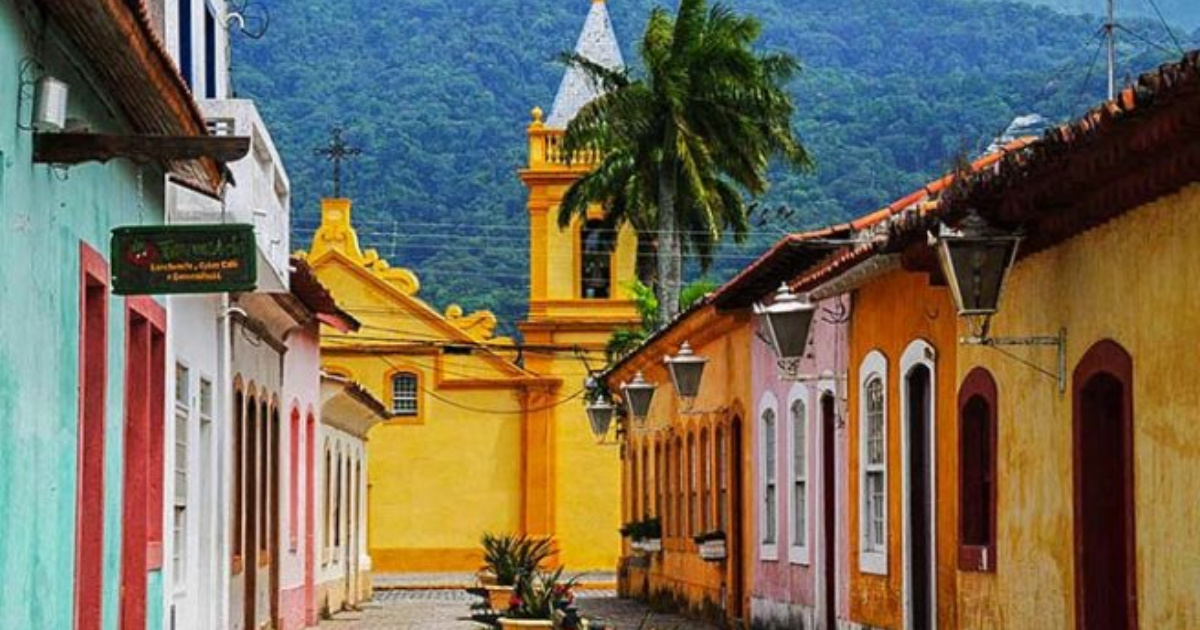
Anyone intending to enter São Sebastião by car, motorcycle, van, or bus should consider the daily fee per vehicle during their stay in the city.
For quick trips, such as refueling or dropping off passengers, the exemption for up to two hours avoids the charge, as long as the time is effectively respected.
The recommendation is to consult the exemption registry and the payment method when the regulations are published, as the charge will depend on the electronic system being implemented.
Property owners will be entitled to exemption upon proof of affiliation and registration of vehicles.
Providers of essential services will need to present specific documentation to qualify.
For other visitors, the fee should be planned into the travel budget, especially for longer stays or for categories with higher rates, such as buses and trucks.
Next Steps and Implementation
With the approval in the second vote, the text goes for the mayor’s sanction.
Following publication, the city hall will need to regulate procedures for collection, monitoring, and allocation of resources, in addition to disclosing service channels for queries and administrative appeals.
The law provides for a period of up to 90 days for the effective start of the TPA, time necessary to complete the installation of monitoring equipment and the daily processing system.
While the regulations are pending, the administration promises to publish informational materials for residents and tourists, detailing the categories, exemptions, and the registration process.
A process for contesting charges in case of discrepancies between the length of stay and the amount charged will also need to be defined, a condition that often arises in systems with automatic license plate reading.








Agora só falta taxar o ar que respiramos… São Sebastião “never more”…