





 Portuguese
  English
  Spanish
 5 min of reading
  0 comments



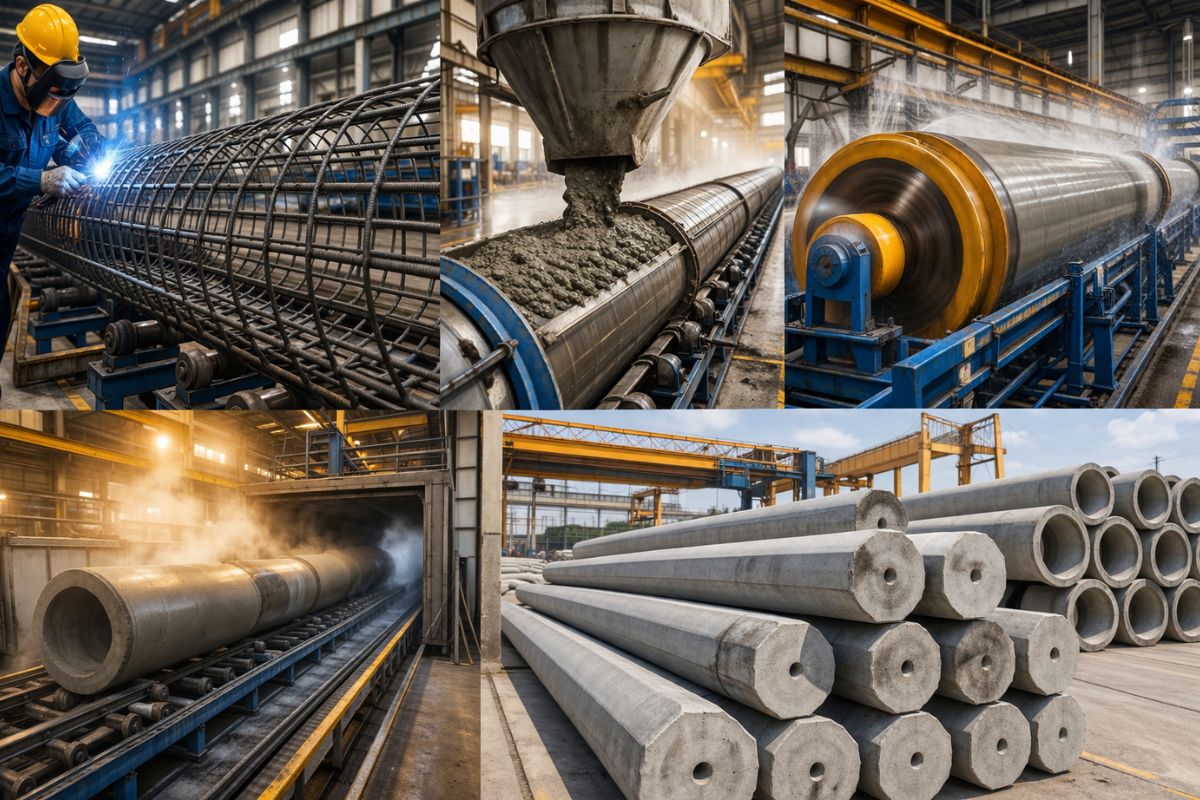
Billion-Dollar Investment Promises to Transform Barra do Ribeiro into an Industrial and Logistical Hub, with a New Pulp Mill, Port Terminal, and Thousands of Jobs That Could Change the Economic Profile of Rio Grande do Sul.
The Chilean CMPC confirmed that it intends to build a new pulp mill in Barra do Ribeiro, a municipality with just over 12,000 inhabitants in the Central-South region of Rio Grande do Sul, as part of a package totaling R$ 27 billion in the State.
In the same project, the company aims to operate a dedicated export terminal at the Port of Rio Grande, a central piece for moving the production from the future industrial plant.
According to the company and the state government, this is the largest private investment ever announced in RS.
-
Inflation in March reaches 0.88% according to IBGE and pressures the Brazilian economy, impacting family budgets and requiring more strategic decisions to maintain financial control.

-
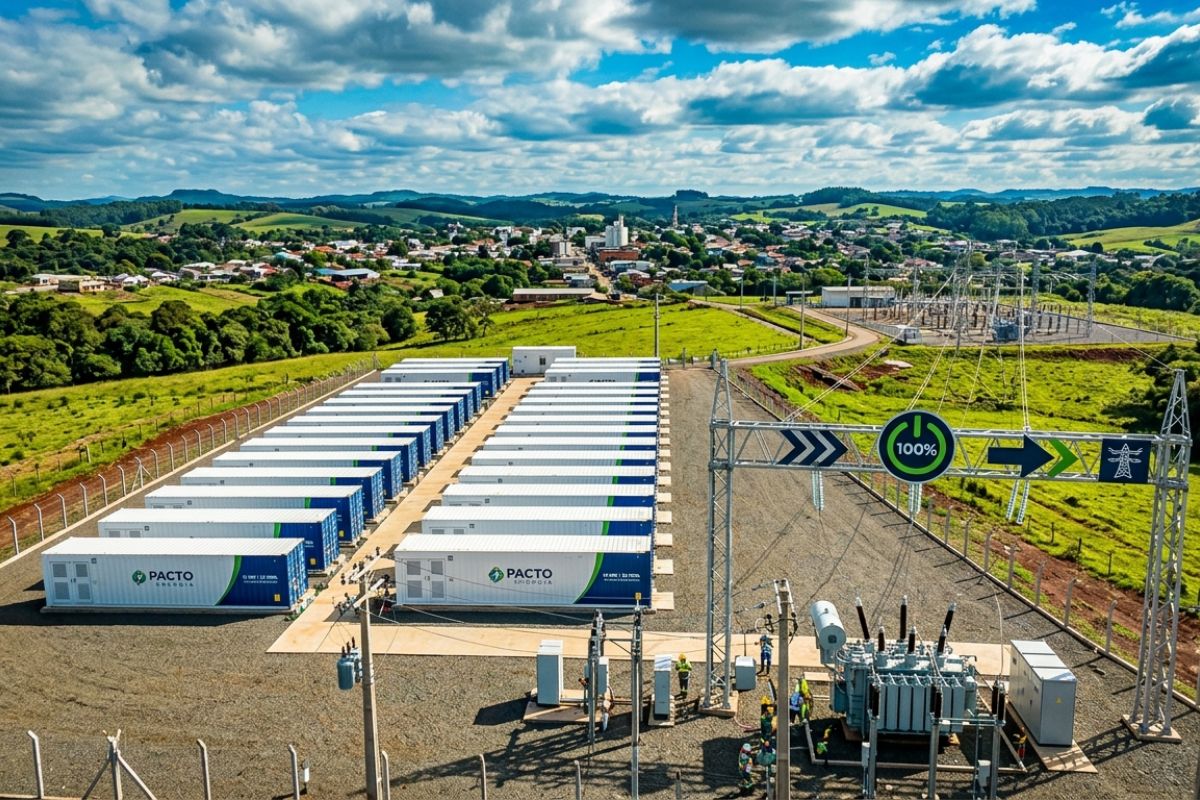
In Paraná, distributor Pacto connects 100% of the load in Coronel Vivida to batteries: a BES of 10 MW and 20 MWh costs just over R$ 30 million and lowers the local tariff now.
-
With a dependence of up to 80% on gas imported from the United States, Mexico is responding with a robust energy strategy, betting on shale gas, creating a scientific committee, and preparing to expand natural gas production to reduce vulnerability and strengthen its energy security in the coming years.

-
The United States proposes to Brazil a critical minerals agreement with a minimum price to combat Chinese dumping and priority for investment, but the Planalto is blocking the signing out of fear of upsetting China and due to electoral calculations in a year of competition.

Logistics Anchored at the Port of Rio Grande
CMPC plans a private terminal at Ponta Sul of Porto Novo, in Rio Grande, to receive and ship pulp to the international market.
Environmental licensing documents indicate a handling capacity of up to 5 million tons per year, with flow via waterways from Guaíba and Barra do Ribeiro to the port area.
The study describes operations via barges and specialized storage, with loading onto oceangoing vessels.
According to the company, the terminal is part of a broader logistical effort to maintain the competitiveness of the supply chain, with waterways through Laguna dos Patos and adjustments to road access.
In July, the General Director of Pulp at CMPC in Brazil, Antonio Lacerda, stated that the environmental studies are progressing and that the concession of the area is being negotiated with the state and federal governments.
The internal forecast is that the public notice will occur “as soon as possible,” aligned with the factory’s timeline.
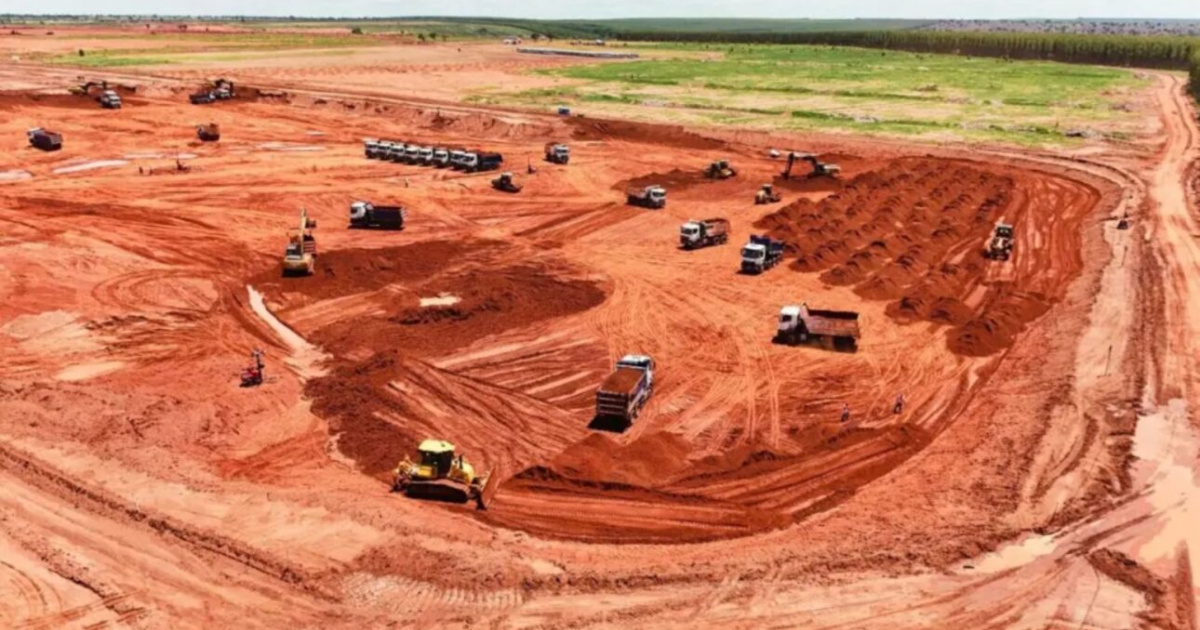
Timeline and Licenses
The government of Rio Grande do Sul launched, in January, a public consultation for the concession of use of the retro-port area in Rio Grande, followed by a public hearing in February.
As the port’s ownership is federal, the granting process depends on the national level.
The expectation expressed by representatives of the company and local authorities is that the bidding process will occur by early 2026, a decisive step to enable global export of the production.
Meanwhile, CMPC continues its industrial planning.
In recent interviews, management indicated a start of construction in 2026 and commercial operation from 2029, if the authorizations follow the expected pace.
The total investment of the program, known as Project Nature, was initially announced at R$ 24 billion in 2024 and has since been updated to R$ 27 billion.
Regional Impact and Job Creation
The expansion of the forestry supply chain is expected to have a direct impact on the labor market.
During the implementation phase, CMPC estimates around 12,000 jobs among direct and indirect positions, a number that matches the size of the local population.
In public presentations and meetings with the Federation of Industries (Fiergs), the company reported weekly meetings with the city council of Barra do Ribeiro for urban adjustments, such as road improvements and bike lanes, to accommodate the peak labor force at the construction site.
Consequently, sectors such as commerce and construction are already experiencing advanced activity in the municipality, according to economic reports published in June and July.
The municipal administration is monitoring the design of interventions to minimize impacts on daily life and concentrate lasting benefits in mobility and services.
Research, Innovation, and Qualification in Guaíba
In addition to the mill and terminal, the package includes plans to double CMPC’s research area in Guaíba and establish a phytosanitary laboratory, both aimed at productivity gains, pest control, and technological development of eucalyptus.
According to the state secretary for Economic Development, Ernani Polo, this initiative will add about R$ 200 million to the total investment.
The goal is to sustain the competitiveness of the gaucho hub, which is currently responsible for most of the Brazilian pulp production of the company.
New Capacity and the Role of RS in the Global Network
Rio Grande do Sul concentrates CMPC’s pulp production in Brazil, with the Guaíba unit modernized and operating after the BioCMPC project.
With the new plant in Barra do Ribeiro, the State is expected to consolidate a axis of 5 million tons per year when considering both the current and future mills, according to official information released by the state government after a technical visit to the company in Chile.
This scale repositions RS as a strategic export hub on the South-Atlantic routes, especially with the dedicated terminal at the Port of Rio Grande.
In the proposed logistics design, pulp would leave Guaíba and Barra do Ribeiro via waterways to Rio Grande, reducing costs and emissions per ton transported.
The arrangement described in the environmental study envisions continuous operation with a projected minimum daily discharge and the use of a Terminal for All Weather Conditions to ensure regularity even in adverse weather scenarios.

Project Governance and Next Steps
As it is a concession in an area under federal administration, the process involves modeling, consultation, hearing, and bidding.
In parallel, the environmental licensing of the terminal requires the presentation of EIA/Rima and analysis by Fepam, with mitigation measures, monitoring programs, and definition of areas of influence.
According to the company, the stages are proceeding as planned, with no delays in relation to the internal calendar.
In the financial field, recent statements mentioned an investment of approximately R$ 1.2 billion specifically for the port terminal, while state studies cited lower reference values in preliminary scenarios.
The consolidation of the value will depend on the concession model, the executive project, and the environmental conditions.
With the update of the total investment to R$ 27 billion and the definition of the Port of Rio Grande as the exit point, Barra do Ribeiro is projected as a new industrial hub, and the city of Rio Grande reinforces its port vocation.
The central issue now is the ability of the state and municipalities to align urban infrastructure, professional training, and environmental governance at the pace required by the business schedule.
What priorities — housing, mobility, sanitation, or vocational training — should come first to transform this announcement into sustainable and lasting development?





-

-

-

-

-

-

148 pessoas reagiram a isso.