





 Portuguese
  English
  Spanish
 4 min of reading
  0 comments


Accidental Discovery of a Tunnel Under an Old House in Rio Claro Reignites Mystery About Forgotten Subterranean Network in Interior São Paulo
A common renovation in an old mansion in interior São Paulo ended up revealing one of the state’s most curious mysteries. The city of Rio Claro, with about 200 thousand inhabitants, saw its routine change during the 1990s with an unexpected discovery.
A mason hired for work on a property on Rua 6 stumbled upon an entrance that provided access to a complex subterranean network. Since then, the subject has become part of local history.
Accident Reveals Tunnel Under the City
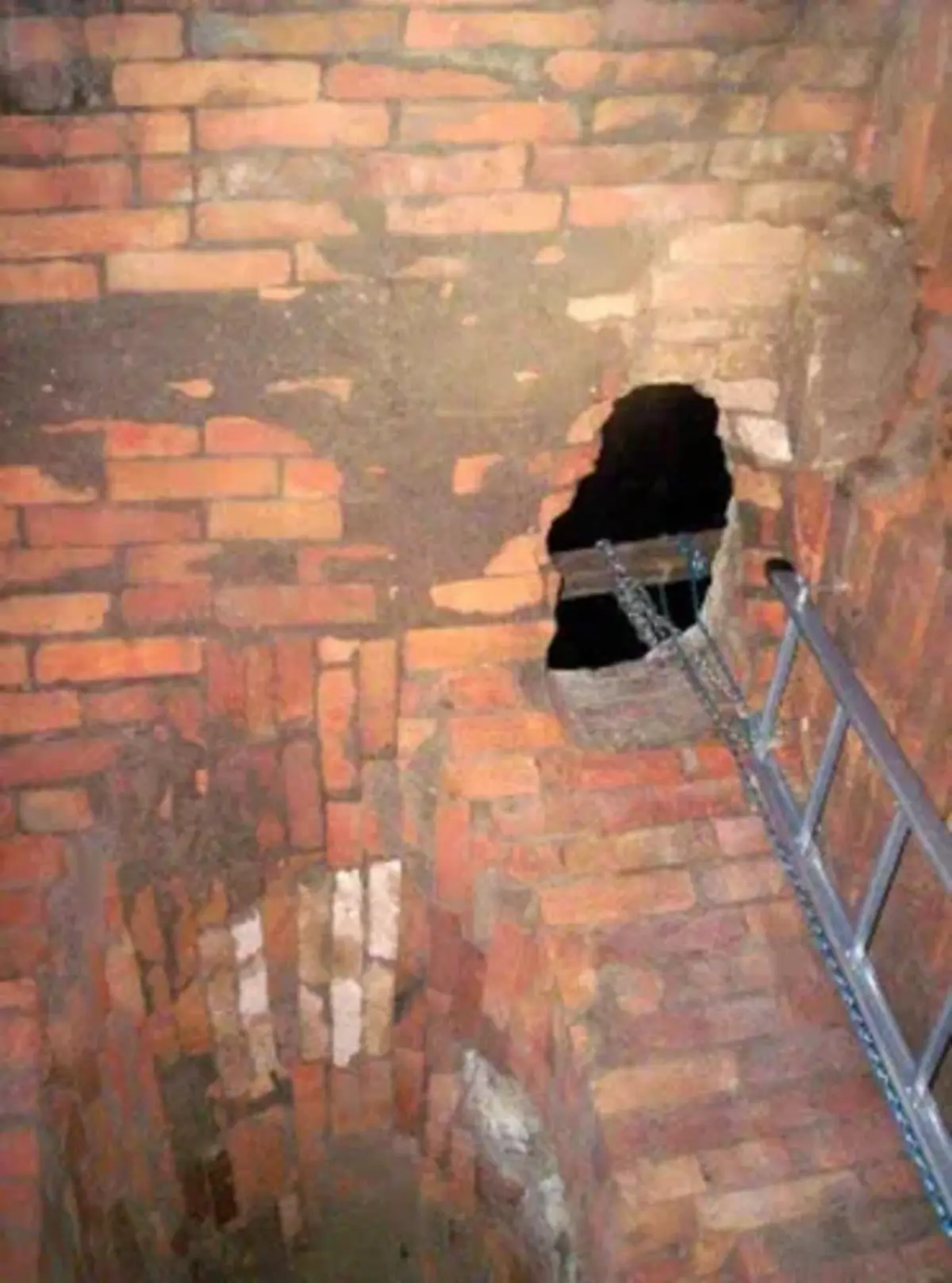
The discovery occurred when the Saraiva Real Estate Agency bought an old house to install its headquarters. During the work, part of the floor collapsed with a loud bang, revealing a brick passage.
-
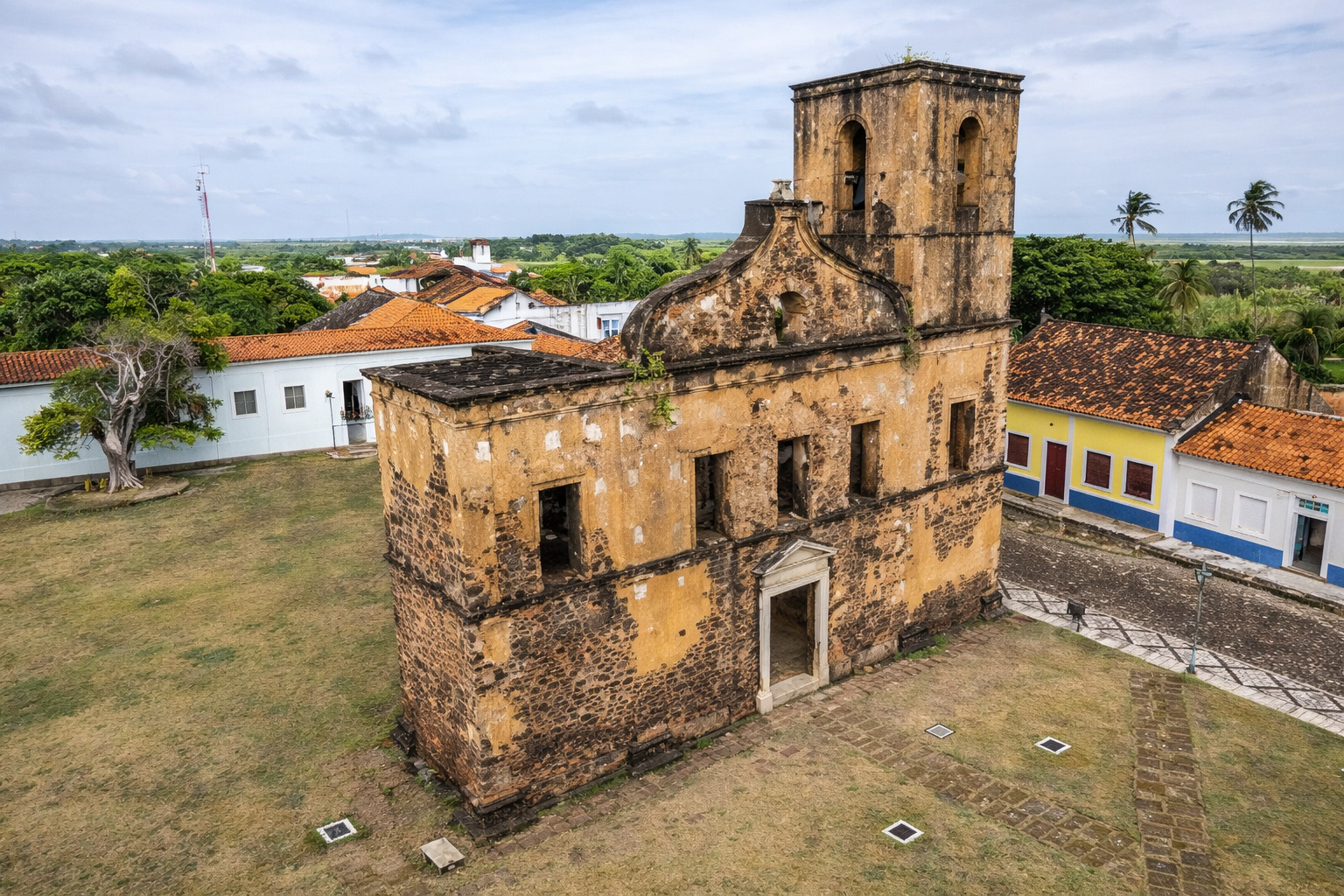
The Brazilian colonial city that stopped in time and shares territory with a rocket launch base.
-
79-year-old woman challenges limits, visits 193 countries in the world after 56 years of planning and reveals the behind-the-scenes of a global journey that few have managed to accomplish.

-
These are the drivers who may stop paying tolls on highways in a project that promises to reduce costs for those who live from transportation in Brazil.

-
(Video): Italian pilot lands plane on moving train at 120 km/h and achieves unprecedented feat in aviation, even with a narrow runway and without direct visual contact.


Upon investigation, the workers encountered a tunnel 3 meters high and 20 meters long, lined with dark granite and extending beneath other buildings.
The tunnel began just below the property’s backyard. During the cleanup of the area, bottles of medicine, test tubes, and pharmaceutical materials were found.
These objects further intrigued the residents, who began to create and spread various stories and legends about the use of that hidden space.
Re-discovery of an Old Theme


Despite the commotion in the 1990s, the subject was not exactly new. In the 1970s, museologist Marizilda Couto from São Paulo State University (Unesp) had already researched similar tunnels in Rio Claro.
Her study pointed out that part of the subterranean network passed beneath Praça da Liberdade, connecting the old Matriz Church to the Convent Church — now known as Colégio Puríssimo.
At the time, rumors circulated that the bodies of babies had been found under the plaza’s obelisk. The story was never officially confirmed but helped keep the mystery alive for over a generation. Even so, the topic faded into obscurity again until the excavations of the 1990s.
New Attempt Reignites the Mystery
The topic resurfaced in 2013 when the property on Rua 6 was sold again. The new owner decided to resume excavations and found a room 5 meters high with a vaulted ceiling.
One of the most intriguing details of the room was the presence of a possible altar and a rusty metal box, affixed to the wall, resembling an elevator lever.
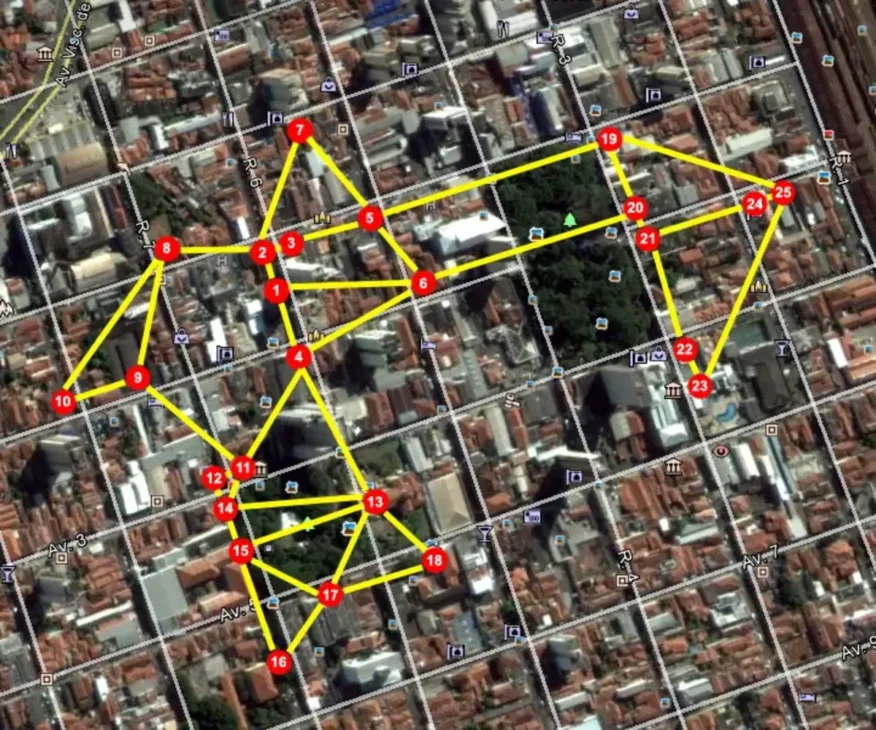
This discovery heightened curiosity about the subterranean network of Rio Claro. The tunnel system appears to connect churches, old houses, schools, and historical points in the city. However, the exact origin and purpose of the passages remain unanswered.
Theories and Urban Legends
The local population, without official explanations, has created several theories. One of the most popular claims that the tunnels were used to help enslaved people escape, as Rio Claro is considered one of the first cities to free its slaves.
There are also more fantastical versions, such as the one claiming that the network was used for satanic rituals or that it harbored sacred relics, like the head of Saint John the Baptist.
Other stories mention the possibility that the site was used by Freemasons or even by extraterrestrial beings.
Although these hypotheses have circulated around the city for decades, none of them have been proven. To this day, the tunnels have not undergone a scientific investigation with rigorous methodology.
Lack of Studies and Disappearance of Interest
Without in-depth research, uncertainties remain. The main theory among local scholars is that the tunnels were built between the 18th century and the mid-19th century. This period coincides with the construction of several important buildings in the city, such as the residence of the Baron of Porto Feliz (1864) and the renovation of the Matriz Church (1869).
A large part of the subterranean network may also have been destroyed or blocked by more recent constructions. It is estimated that at least 25 points of the original structure have been replaced by new buildings, making access to possible entrances or connections difficult.
Currently, the topic has again fallen into obscurity. There are no ongoing research efforts or public plans to investigate what remains of these tunnels.
Nonetheless, curiosity persists among those who live in the city. After all, beneath the ordinary streets of Rio Claro, there still exists a silent labyrinth of stones, stories, and unsolved mysteries.
With information from Mega Curioso.







-

-

-

-

7 pessoas reagiram a isso.