





 Portuguese
  English
  Spanish
 4 min of reading
  0 comments


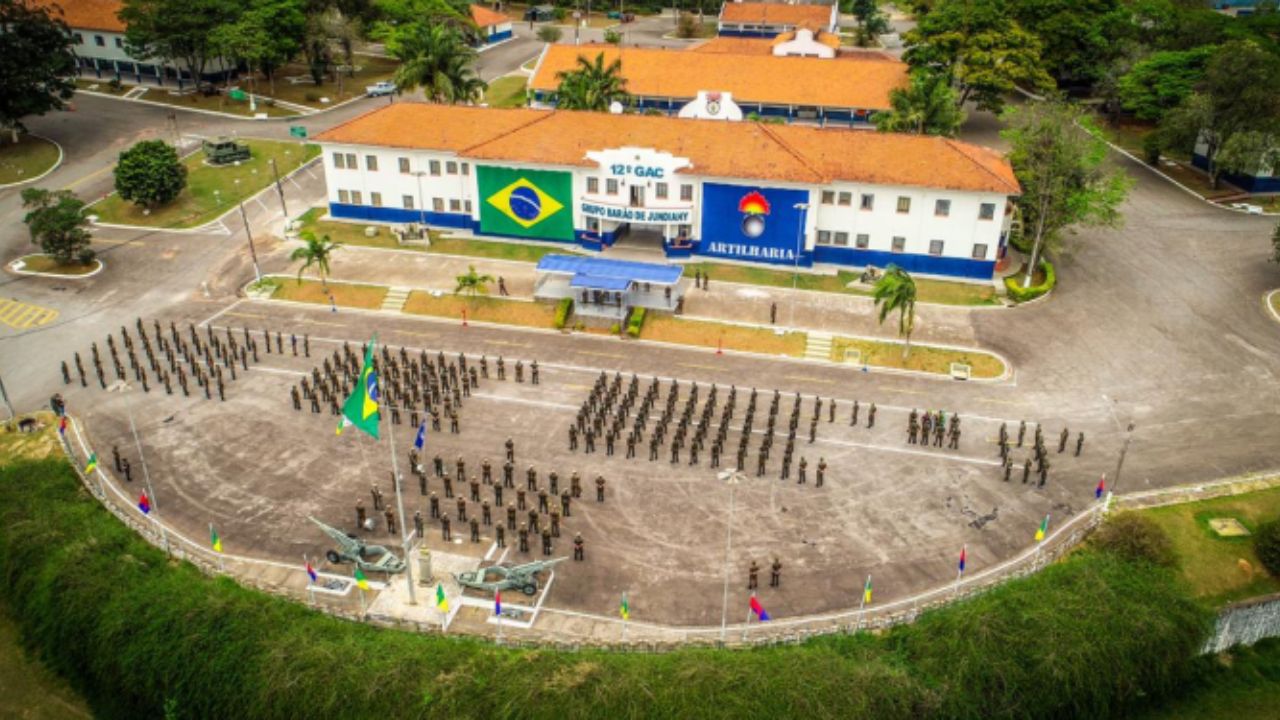
The City of Jundiaí, About 60 Km From the Capital of São Paulo, Was Chosen as the Site of the Future Army Anti-Air Defense Base, Within the Scope of the Military Modernization Project.
Jundiaí, a municipality located approximately 60 km from the capital of São Paulo, will be the site of the Army’s Anti-Air Defense — the decision was announced as part of the modernization plan for the ground forces.
The choice was made because the Brazilian Army wants to implement a mid-altitude system to intercept aerial threats by 2039, and the location offers strategic logistics.
The Army’s anti-air defense base in the city will be installed at the already transformed 12th Antiaircraft Artillery Group (12th GAAAe), which was previously the 12th Field Artillery Group.
-
The German “steel monster” weighing 55 tons fires up to 10 projectiles per minute at over 40 km and avoids counterattacks on the battlefield by moving quickly to escape enemy attacks; meet the Panzerhaubitze 2000.

-
USS Gerald R. Ford, the largest aircraft carrier in the world, returns to sea after a fire in the laundry in the Red Sea; repaired in Crete, it resumes missions of Operation Epic Fury against Iran.

-
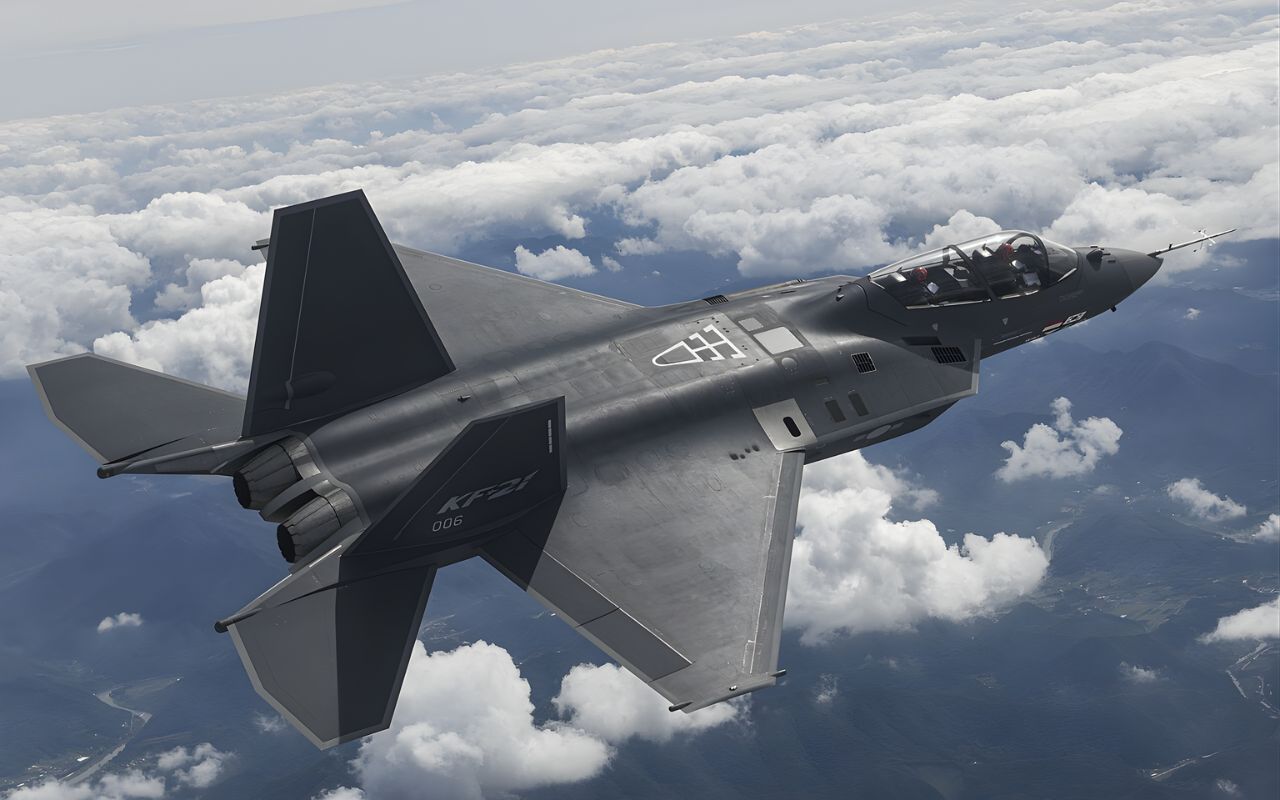
Military power: South Korea’s new KF-21 fighter jet will be a key component in replacing the aging aircraft of the air force, placing the country on the map of air military powers.
-
With 310 meters, 80 thousand tons, and capable of operating for 45 years, the new nuclear aircraft carrier France Libre will be the largest in France and will enter service in 2038.


The change was officially announced on July 15 and remains relevant in light of an international scenario of heightened tensions. Therefore, the announcement marks an important step for Brazilian air defense.
Strategic Location of the Anti-Air Defense Base
The choice of Jundiaí to host the Army’s anti-air defense base takes into account its privileged location: it is on the banks of the Anhanguera Highway, less than 50 km from the Mário Covas Ring Road, and has quick access to the Port of Santos.
For this reason, according to Brigadier General Marcos José Martins Coelho, responsible for the Army’s Anti-Air Defense Command, “We would be able to quickly take this equipment to the Port of Santos and ship it to various regions of the country.”
This logistics allows for quick mobilization of land and maritime equipment, which is vital for the operation of the new structure.
When, How, and Why the Change
The transformation of the local unit began on July 15 of this year, when the 12th Field Artillery Group changed to 12th GAAAe in Jundiaí.
The plan is part of the Project Force 40, which aims to implement a novel mid-altitude anti-air defense system in the country by 2039.
Currently, Brazil only has low-altitude land-based anti-air defense, with a range of up to 3 km.
The new structure, therefore, aims to modernize Brazil’s air protection capacity in the face of growing threats.
What the New Army Anti-Air Defense Base Will Bring
The establishment of the new Army anti-air defense base in Jundiaí anticipates the incorporation of missiles capable of hitting targets up to 15 km in altitude and up to 60 km horizontally, depending on configuration.
Additionally, modern radars will be used, capable of detecting planes, drones, and missiles from over 150 km away, at speeds of up to 2,880 km/h.
As a result, the Army’s anti-air defense base gains relevance as a pillar of protection in southeastern Brazil, covering the Metropolitan Region of São Paulo, Campinas, and Sorocaba.
The current global scenario, marked by conflicts such as those in Ukraine and the Middle East, along with international military presence in the Caribbean, demands that Brazil strengthen its defense.
In this context, the military command qualified the project for the Army’s anti-air defense base as “essential and urgent.”
Strengthening anti-air defense enhances national sovereignty and ensures a better response to external threats and the vulnerability of critical structures, especially in the country’s densest and economically vital region.
Impacts for the São Paulo Region and the Country
With the Army’s anti-air defense base located in Jundiaí, the metropolitan area of São Paulo and its surroundings gain a new focus on strategic security.
The municipality transforms into a military hub of national relevance, which could bring secondary effects such as the generation of specialized jobs and greater demand for logistical infrastructure.
Nonetheless, the more intense presence of military equipment and logistics may raise debates about urban planning and local impact.
On the other hand, for Brazil as a whole, the advancement of the anti-air defense program strengthens its international image and commitment to the protection of borders and areas of national interest.
Challenges and Next Steps for the Anti-Air Defense Base
Despite the importance of the choice of Jundiaí for the Army’s anti-air defense base, challenges remain: defining the complete schedule for the deployment of equipment, training specialized personnel, and integrating this new structure with other security systems in the country.
Additionally, it will be essential to ensure the maintenance, update, and continuous operation of the structure over the years projected in Project Force 40.
Although the announcement has already been made, the complete realization of the Army’s anti-air defense base will depend on budgets, logistics, partnerships, and time to become a reality.
The city of Jundiaí, about 60 km from São Paulo, was chosen to be the headquarters of the Brazilian Army’s anti-air defense.
The announcement is part of the country’s military modernization plan, anticipates mid-altitude systems, and strengthens defense logistics in the Southeast.
This new base has the potential to change the way Brazil protects its airspace and strategic regions, opening a new chapter in the history of national defense.
Source: Diário do Comércio










-

Uma pessoa reagiu a isso.