





 Portuguese
  English
  Spanish
 4 min of reading
  0 comments


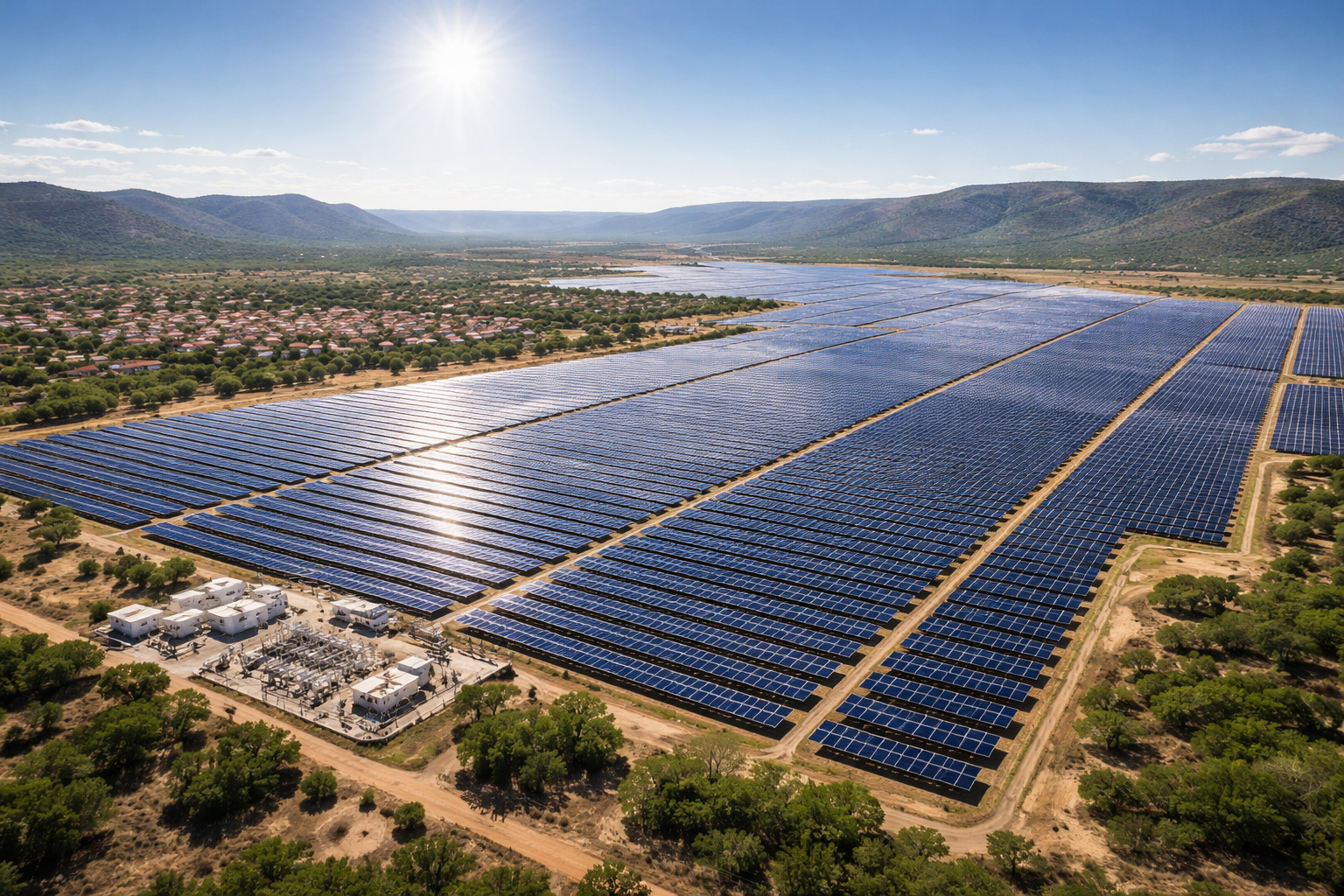
City in Southern Piauí Hosts One of the Largest Solar Projects on the Continent and Drives the Expansion of Renewable Energy in Brazil
The advancement of solar energy in Brazil has gained momentum in recent years, especially with large-scale generation projects spread across different regions of the country.
Among these ventures, São Gonçalo do Gurguéia, in Piauí, has become a national reference by hosting one of the largest solar complexes in Latin America.
The city, located in the south of the state, has taken a strategic position in the Brazilian energy sector.
-
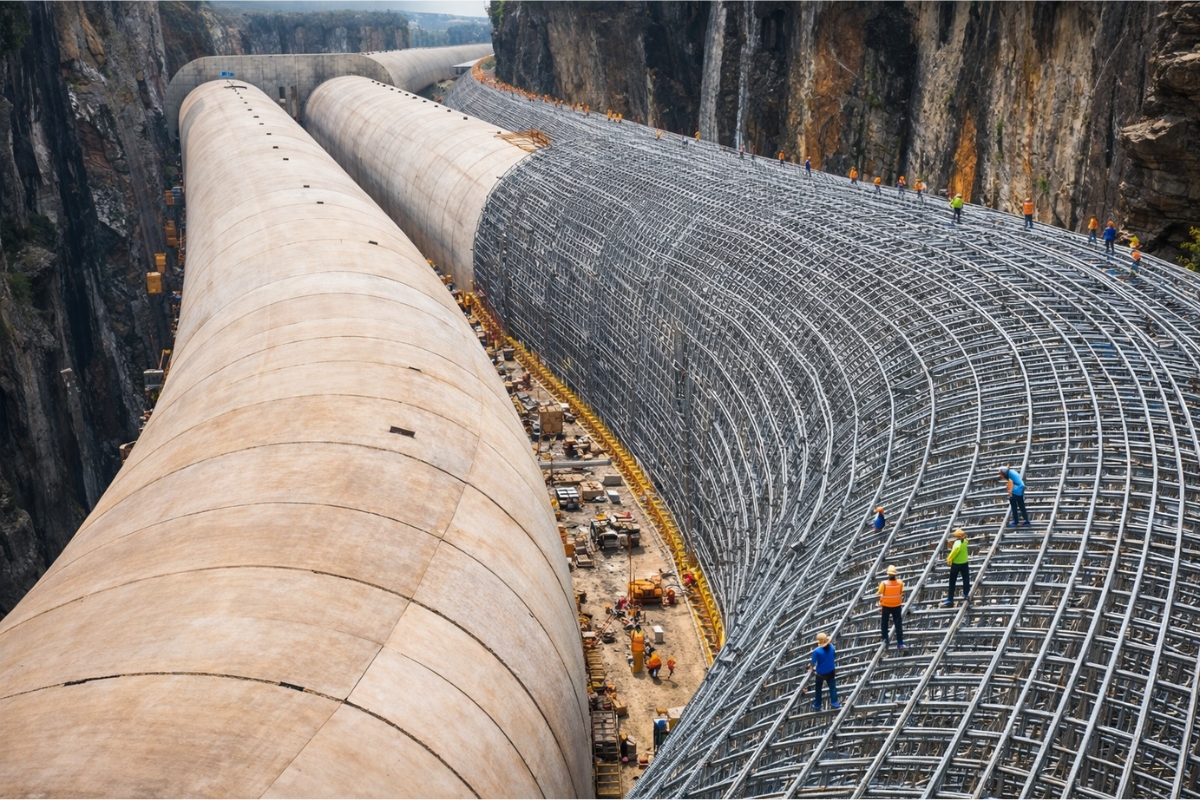
Switzerland invested over $2.3 billion and bet on water, altitude, and solid rock to create a battery in the Alps capable of powering more than 1 million homes.
-
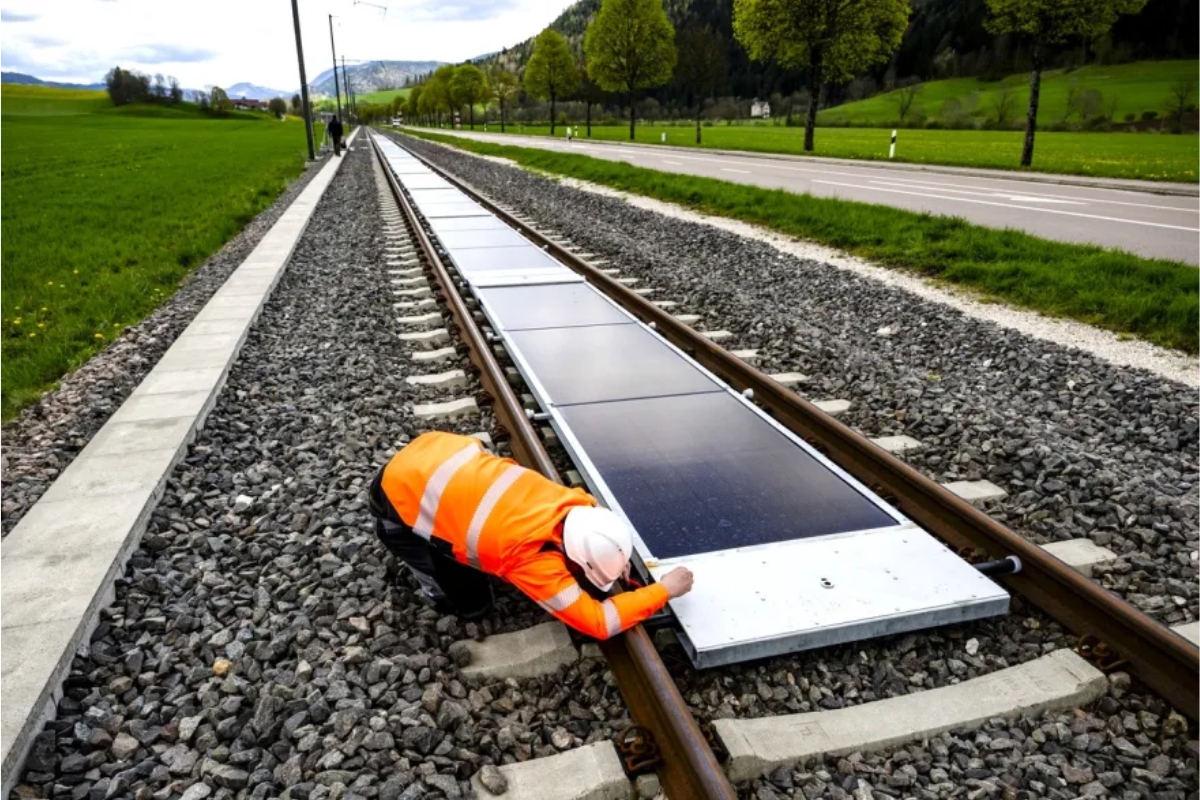
In Switzerland, tracks that previously only accommodated trains are beginning to generate electricity with removable solar panels installed on active railways, paving the way to transform the railway network into a new front for clean energy.
-
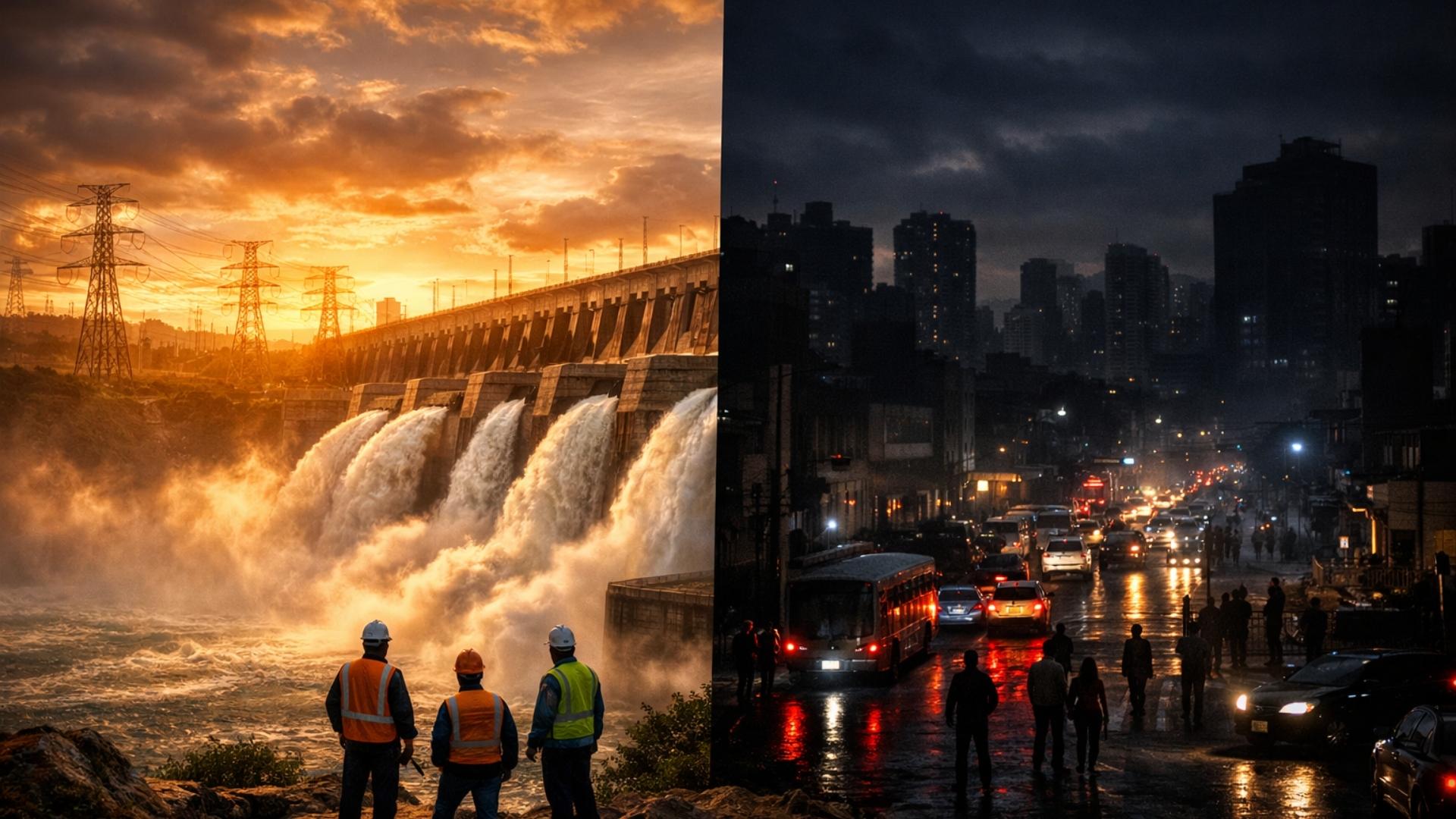
Brazil raises alarm to avoid blackout: the country may need 3 Itaipus and is already wasting up to 5,135 MW of energy on days of excess solar.
-
Renewable energy advances over protected areas in Brazil, and a survey by the Energy Transition Observatory reveals silent impacts that challenge environmental conservation and pressure sensitive traditional territories.


This happened because the region has extremely favorable natural conditions for photovoltaic generation, a factor that attracted investments from major companies in the sector.
According to information released by Enel Green Power, responsible for solar projects in the country, the high incidence of solar radiation throughout the year was decisive in choosing the location.
In addition, the availability of large areas for the installation of solar panels also contributed to the development of the project.
Thus, São Gonçalo do Gurguéia has come to be recognized as one of the main solar energy centers in Brazil.
Technical Investigation Revealed the Region’s Energy Potential
Before the installation of the solar complex, energy companies initiated technical studies in southern Piauí to identify suitable locations for large solar plants.
These surveys analyzed climatic data, land availability, and conditions for generating renewable electricity.
According to information released by Enel Green Power, the region has high levels of solar radiation for almost the entire year, which increases the efficiency of energy production.
Thus, investors identified a huge potential for the development of a large-scale photovoltaic complex.
After the completion of the technical studies, construction work for the installation of thousands of solar panels began in the municipality, gradually transforming the region’s landscape.
As the construction phases advanced, the complex began operations and started generating renewable electricity.
The Structure of the Solar Complex Impresses with Its Scale
The project installed in São Gonçalo do Gurguéia is part of a large clean energy generation project made up of several interconnected plants.
Moreover, thousands of solar panels have been distributed over an extensive area of the municipality, creating one of the largest photovoltaic structures in Latin America.
Consequently, the energy generation capacity of the complex allows for the supply of renewable electricity to millions of households.
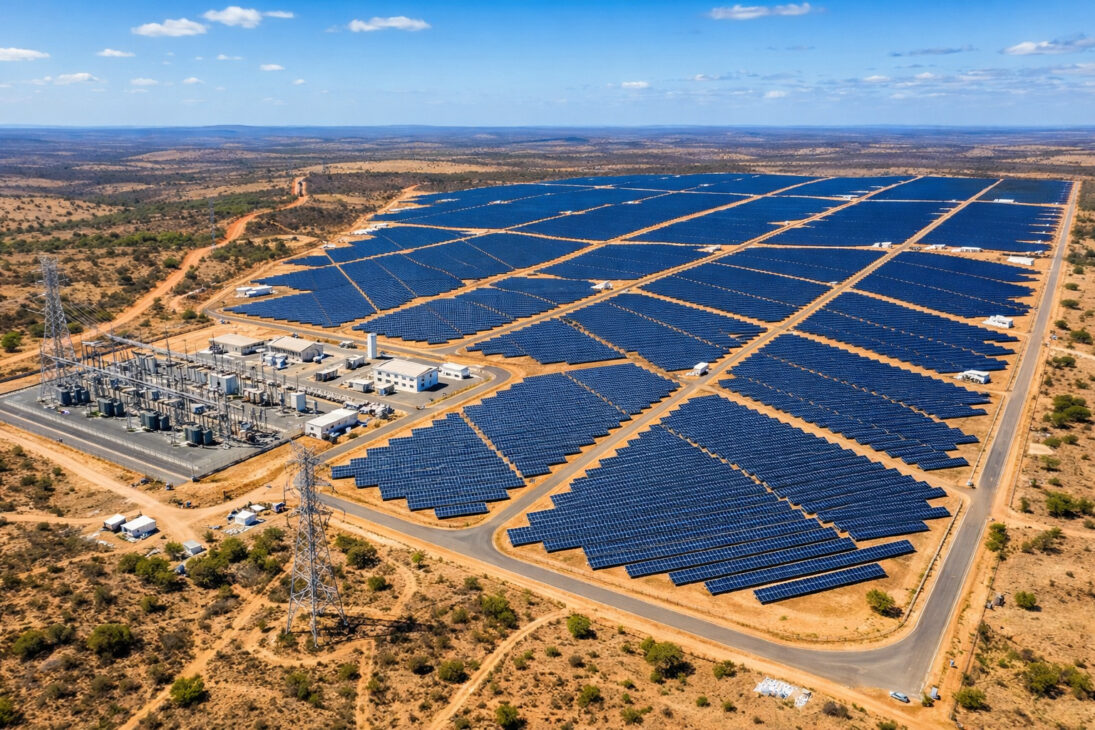
This type of infrastructure also plays a key role in reducing carbon emissions and enhancing Brazil’s sustainable energy matrix.
Energy sector specialists emphasize that projects of this magnitude reinforce the country’s position as a leader in the transition to renewable sources.
Economic and Social Impacts on the City
The implementation of the solar complex brought significant changes to the economy of São Gonçalo do Gurguéia.
During the construction phase of the plants, direct and indirect jobs were created, boosting the local economy.
Additionally, the influx of investments in the energy sector increased the city’s visibility at the national level.
With the project’s growth, new development opportunities began to arise in the region.
As a result, the municipality has come to be part of the map of major Brazilian solar energy generation hubs.
Natural Conditions Favored the Installation of the Complex
The success of the venture is also directly related to the climatic conditions of the southern Piauí region.
The geographical location of the municipality provides high annual solar incidence and low rainfall levels for a large part of the year.
These characteristics increase the exposure time of solar panels to sunlight.
Thus, electricity production becomes more efficient and predictable.
Furthermore, policies to incentivize renewable energy and investments in energy infrastructure helped consolidate the project.
This set of factors transformed São Gonçalo do Gurguéia into an important center for solar energy generation in Brazil.
Expansion of Solar Energy in Brazil
The complex installed in Piauí is part of a larger movement of growth in solar energy within Brazil’s energy matrix.
Projects of this kind expand renewable generation capacity and contribute to the diversification of the country’s energy sources.
Additionally, the expansion of solar energy strengthens sustainable development strategies and reduces greenhouse gas emissions.
Experts highlight that the advancement of photovoltaic generation is likely to gain even more relevance in the coming years.
Thus, regions with high solar potential, such as southern Piauí, may continue attracting new energy investments.
In light of this scenario, an important reflection arises: Will Brazil be able to transform its enormous solar potential into one of the largest renewable energy matrices in the world?







Seja o primeiro a reagir!