





 Portuguese
  English
  Spanish
  4 min of reading
  0 comments



Rediscover One of the Oldest Archaeological Sites in Brazil, Where Jesuit Ruins, Indigenous Culture, and Secrets of the Colonial Period Meet in Peruíbe, São Paulo Coast.
The Ruins of Abarebebê, located in Peruíbe, on the southern coast of São Paulo, reopened to visitors in July 2025, marking the return of one of the country’s most emblematic archaeological sites to the national tourist and historical circuit.
The monument, built around 1560, has seen a growing flow of visitors since the resumption of guided tours, attracting not only locals from the Baixada Santista but also tourists from various regions interested in closely experiencing one of the earliest records of Jesuit presence in colonial Brazil.
Ruins of Abarebebê: Historical and Cultural Heritage
The historical site, listed by the National Institute of Historical and Artistic Heritage (IPHAN) and the Council for the Defense of Historical, Archaeological, Artistic, and Tourist Heritage (CONDEPHAAT), stands out for its architectural and symbolic value.
-
A rare storm phenomenon in the United States alerts meteorologists worldwide due to four different forms of water falling from the sky, which freeze immediately upon touching the ground, poles, cars, or trees.

-
He has been using a wheelchair for almost 10 years, lives alone, is independent, and decided to become a delivery driver for an app: Samuel makes up to 6 deliveries a day, covering routes of 1 km in his wheelchair and has even managed to do 2.5 km in a single run.

-
An island of 7,500 people received 38,000 bananas by mistake, was left unsure where to store everything, and turned the error into a viral case with donations, hustle, and fruit overflowing everywhere.

-
A promise made to their father led three men to unearth a forgotten house that had been swallowed by time for over 70 years, in a story of memory, abandonment, and reconstruction that seems straight out of a movie.

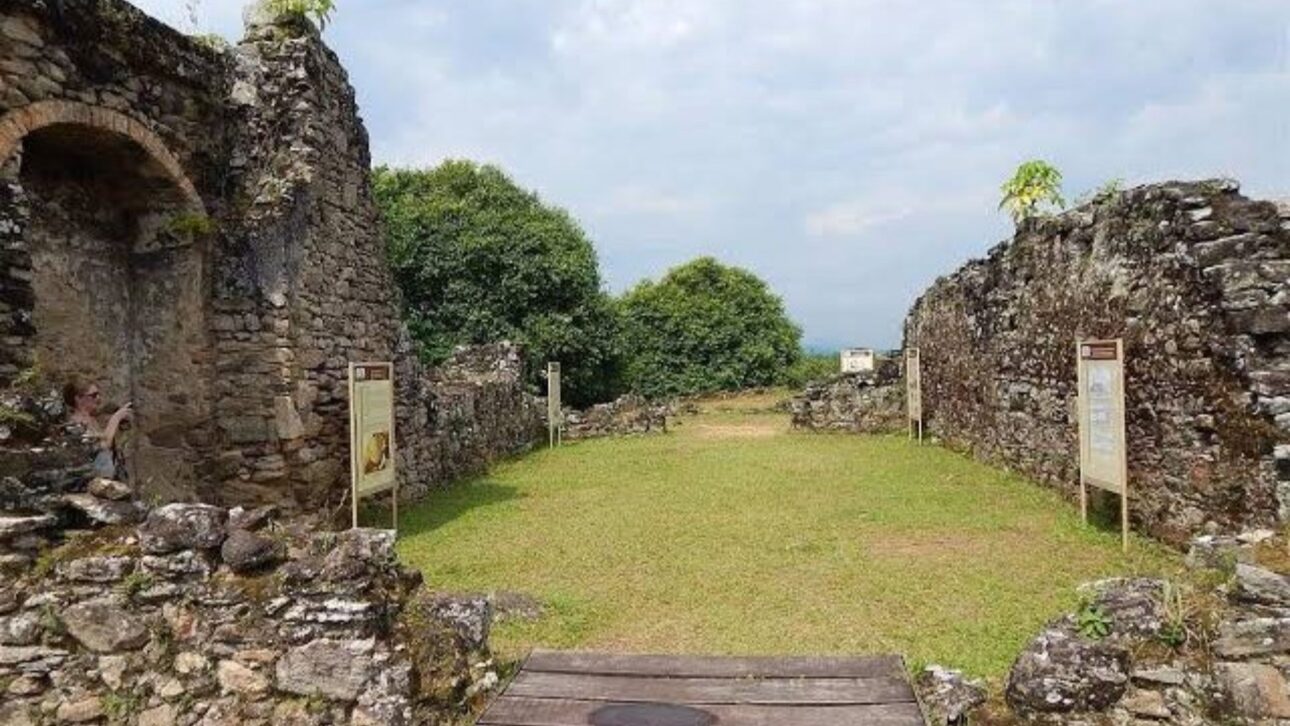
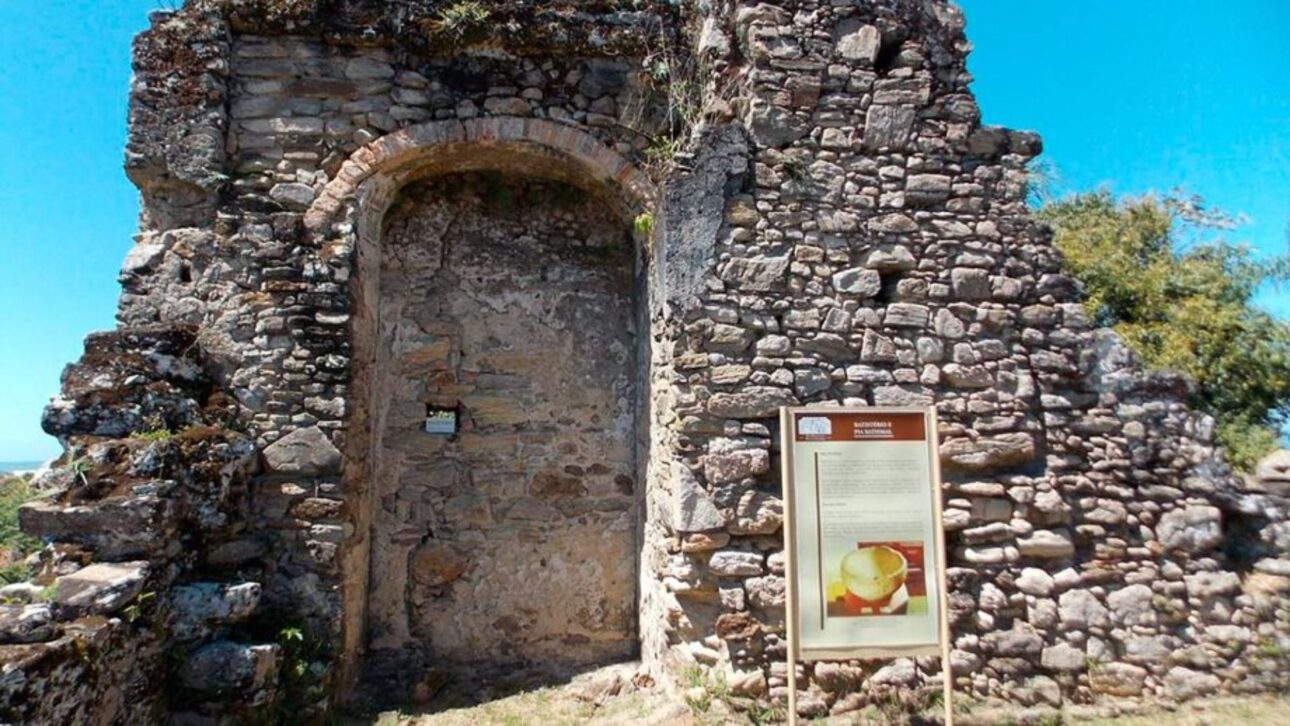
Built using traditional clay mixed with stone techniques, the ancient Church of Saint John the Baptist of Abarebebê is considered one of the first religious constructions on the Brazilian coast, highlighting the beginnings of the Portuguese colonization process in the region.
Open especially during school holidays, such as July and December, the site had remained closed for much of the year due to low demand.
However, since reopening, the Ruins of Abarebebê have once again welcomed lines of visitors eager to dive into the history of colonial Brazil and explore the secrets preserved within its centuries-old walls.
The site has become a must-stop for tourists visiting Peruíbe and the Baixada Santista, becoming a central point in the region’s cultural itinerary.
Settlement of Saint John the Baptist and Jesuit Presence
Among the attractions of the archaeological site is the ancient church, which served as the Settlement of Saint John the Baptist of Abarebebê, founded by Jesuits with the support of the Portuguese Crown.
The settlement, considered the only one on the São Paulo coast, housed Indigenous people from the Tupi ethnicity and played a fundamental role in the catechization and integration of these peoples into European culture.
According to historical records, the settlement operated until 1804, when it was deactivated following the expulsion of the Jesuits from Brazilian lands.
Education in Colonial Brazil: Second School for Boys
Another highlight of the Ruins of Abarebebê is the fact that the site hosted the second school for boys in Brazil, shortly after the School of São Vicente.
This institution played a decisive role in the cultural and religious formation of the inhabitants of what was then the Captaincy of São Vicente.
The school was responsible for introducing concepts of reading, writing, and catechism to Indigenous children, consolidating the educational importance of the space during the colonial period.
Father Leonardo Nunes: The “Flying Priest”
The name “Abarebebê” originates from the Tupi language and means “flying priest,” in reference to the figure of Father Leonardo Nunes.
According to accounts of the time, the priest’s constant and active presence in the region impressed the Indigenous people, leading them to believe he could be in multiple places at once.
Leonardo Nunes was one of the most prominent Jesuit missionaries in São Paulo’s colonization, known for his tireless evangelization work and defense of Indigenous peoples.
Visitation, Tickets, and Location
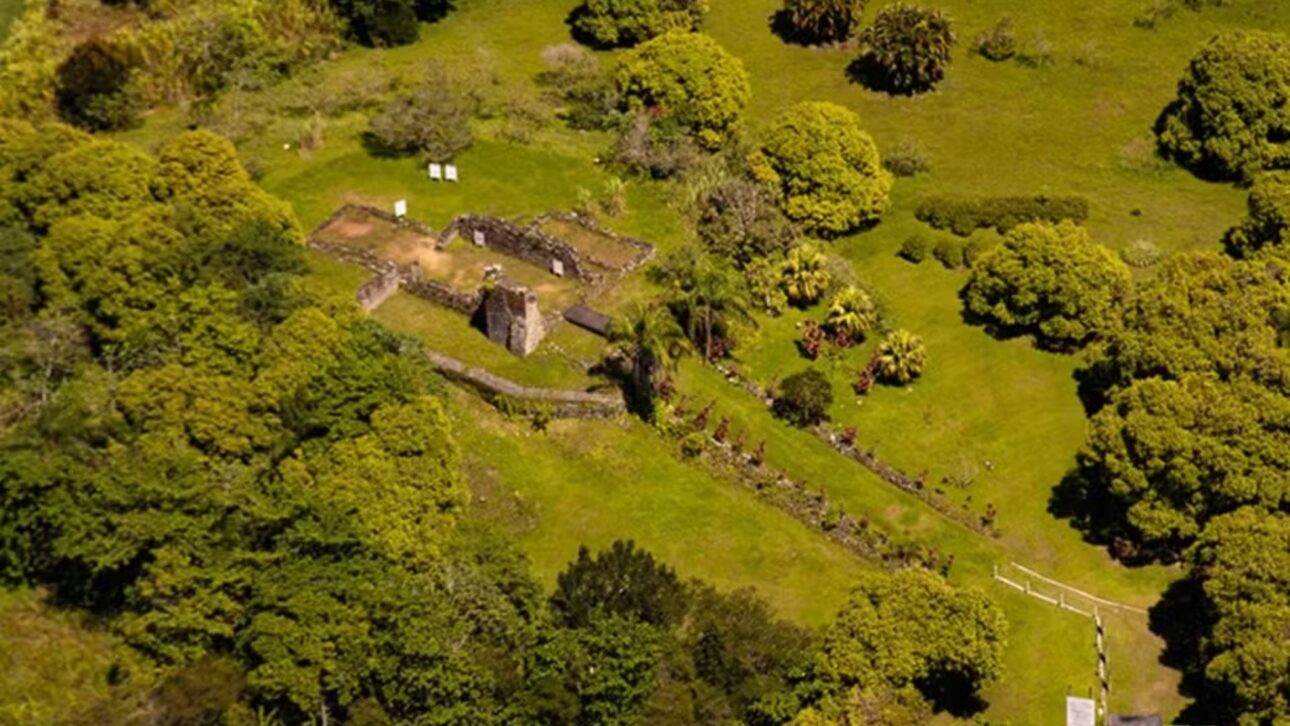
Access to the Ruins of Abarebebê can be made via Rua do Mosteiro, in the Ruins neighborhood, in Peruíbe, with free entry on July 25, 26, and 27, from 9 AM to 5 PM.
Tickets cost R$ 5 for adults and R$ 2.50 for students and seniors with a half-price admission.
For groups of four or more people or schools, advance scheduling is necessary, which can be done through the official email of the Tourism Department of Peruíbe or by the phone provided by the municipal administration.
In case of rain or adverse weather conditions, visits may be suspended to ensure visitor safety and the preservation of historical structures.
Access control and visit organization follow protocols to avoid crowding and ensure a safe experience for all.
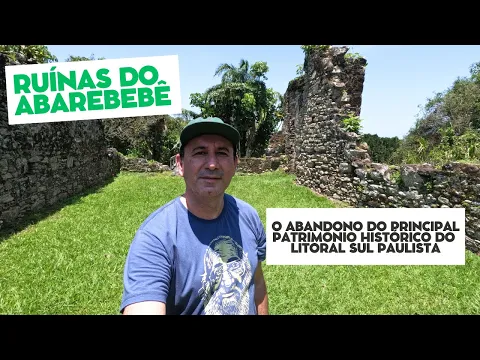

Ruins of Abarebebê: Tourism, Culture, and Education
The reopening of the Ruins of Abarebebê reinforces the touristic and educational potential of the Baixada Santista, enhancing Brazilian historical heritage and encouraging knowledge about the formation of the country during the colonial period.
Guided tours provide detailed information about the context of the time, the historical figures who acted in the region, and the challenges faced during the early centuries of Portuguese colonization.
Moreover, the site offers visitors the opportunity to walk among original archaeological remains and view what is left of the ancient walls of clay and stone, which stand the test of time as silent witnesses to national history.







Seja o primeiro a reagir!