





 Portuguese
  English
  Spanish
 4 min of reading
  95 comments


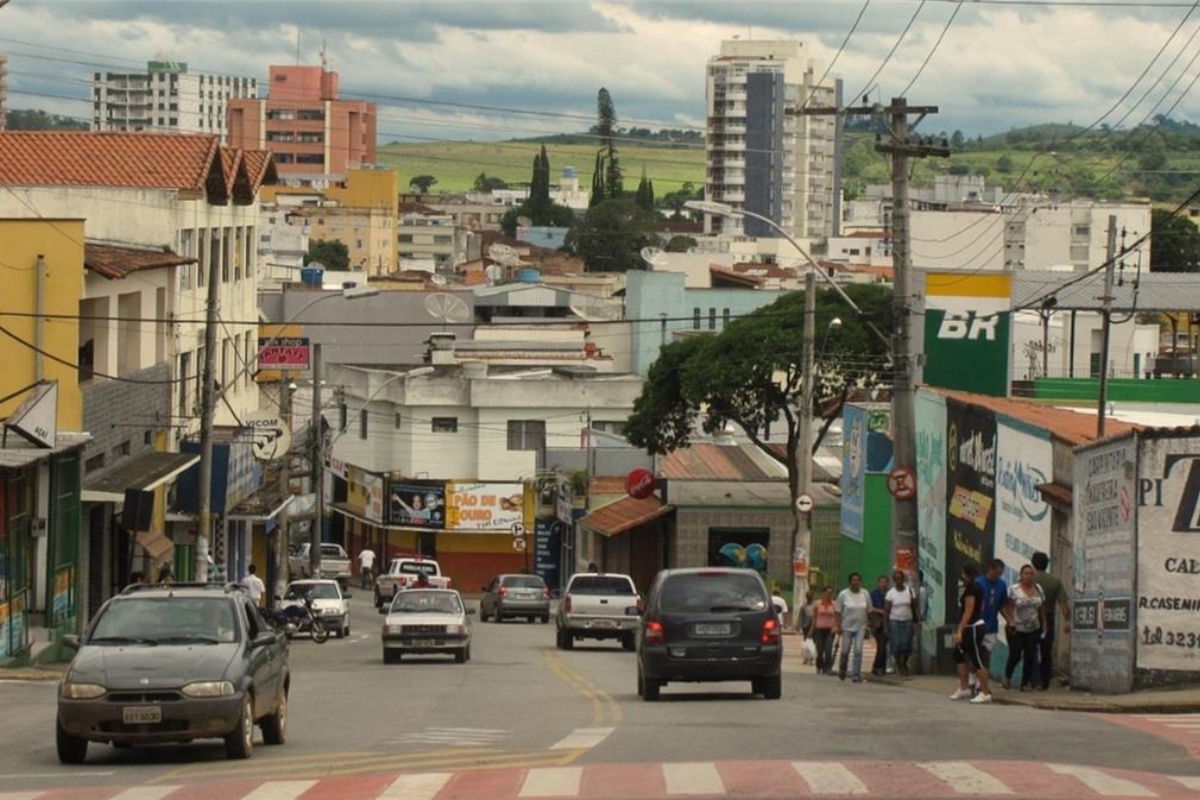


Mass Layoffs Still Reflect on Income, Consumption, and Opportunities in Três Corações, Which Tries to Reorganize After the Exit of the Industry
Months after the closure of a factory valued at R$ 1.5 billion, Três Corações, in Minas Gerais, still faces the effects of the decision that surprised workers and the industrial sector. The exit of ADM was not limited to the day of the layoffs and continues to influence the economic pace of the city.
The closure of the plant removed one of the municipality’s main sources of formal employment. The impact is still visible in the local labor market, which struggles to absorb professionals coming from the pet food industry.
With just over 80 thousand inhabitants, the city feels the weight of reduced income and consumption while seeking alternatives to avoid a prolonged weakening of the regional economy.
-
IPTU exemption for seniors in 2026: see how to secure the benefit.

-
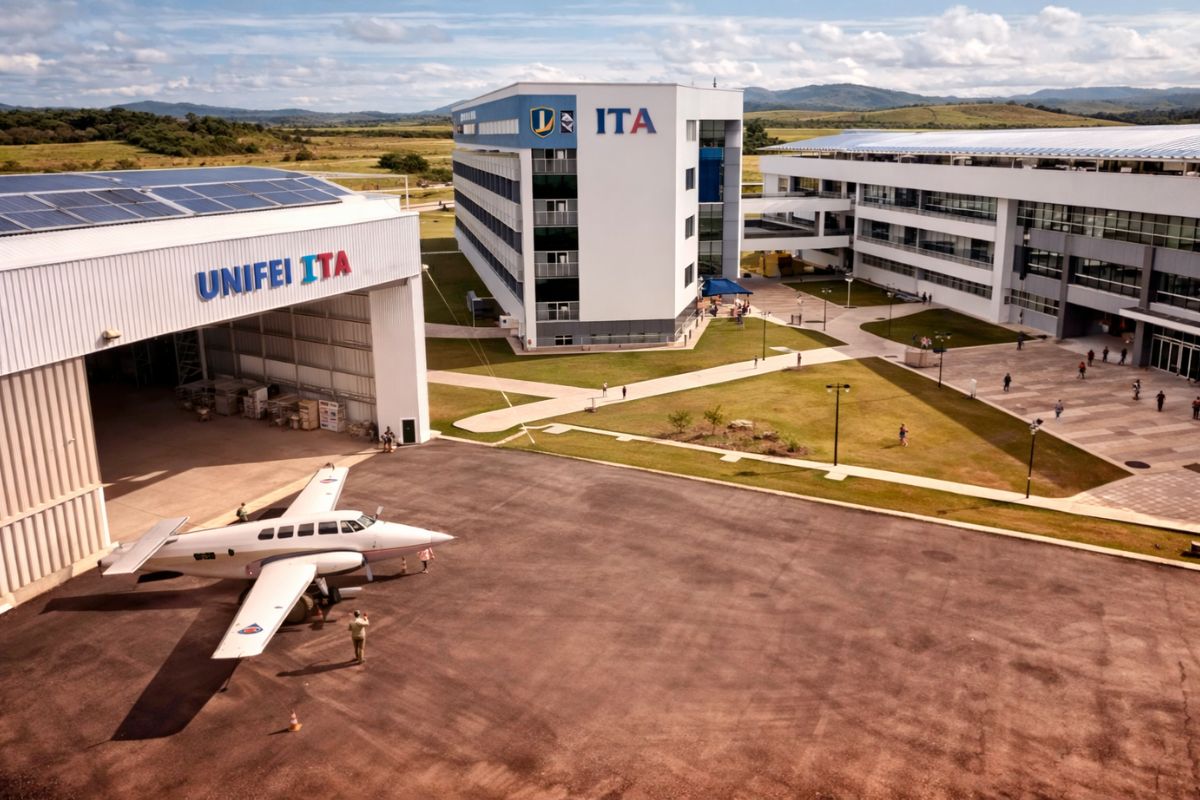
The institute that trained the greatest aerospace engineers in Brazil has just opened its first campus outside São Paulo after 75 years: ITA Ceará will have R$ 445 million, new courses in energy and systems, and classes are expected to start in 2027.
-
Luciano Hang, owner of Havan, goes to Juiz de Fora after the tragedy in February, brings R$ 1 million, hands out R$ 2,000 cards, and donates up to R$ 15,000 to victims in the region.

-
The Brazilian passport allows legal residence in dozens of countries without the need for a prior visa, and most Brazilians are unaware that they can apply for residency directly upon arriving in nations in South America, Africa, and even Europe.


The Closure That Changed the City’s Economic Routine
The decision to close the unit came after unsuccessful attempts to sell and as part of a global restructuring of the company. In a single day, nearly a thousand workers were laid off.
The factory had an annual production capacity of 500 thousand tons and functioned as one of the industrial pillars of Três Corações. The loss of this volume of activity altered the local economic dynamics.
Even with the technical layoff schedule over 90 days, the real impact began before and extended beyond the physical closure of the operation.

The Labor Market Still Feels the Effects of the Layoffs
The main consequence after the closure was the difficulty in re-employing the laid-off professionals. The industrial profile of the workforce does not always find compatible positions in commerce or services.
The city began to record increased pressure on vacancies mediated by employment agencies. Many workers have had to seek opportunities outside the municipality or accept positions with lower pay.
This scenario keeps the job sector unstable, even months after the announcement, and prolongs the feeling of insecurity among affected families.
Commerce and Services Operate at a Slower Pace
With the reduction in payroll, local consumption lost strength. Businesses that relied on the constant flow of industrial workers began operating more cautiously.
The decline in activity affects everything from small stores to service providers. The effect is gradual but persistent, reflecting the importance the factory had in the city’s daily life.
This type of indirect impact tends to be more lasting, as it depends on the recovery of employment and income to be reversed.

Indirect Jobs Also Count
In addition to direct layoffs, the closure affected more than 300 indirect jobs. Transport companies, suppliers, and outsourced firms lost contracts linked to the factory’s operation.
The reduction of industrial activity breaks a chain that extends beyond the walls of the plant. This effect broadens the reach of the crisis and complicates quick recovery.
For medium-sized cities, losing a major contractor typically leads to long and gradual adjustments in the local economic fabric.
Industrial Structure Without a Defined Fate Generates Uncertainty
The former industrial plant remains a large asset without a clear definition of use. The absence of a new investor keeps the atmosphere of uncertainty.
As long as there is no repurposing of the structure, the city loses the chance to quickly resume part of the productive activity. This impacts expectations and medium-term plans.
Preventing the complex from becoming an idle plant is seen as one of the main challenges to reversing the economic impact.
The Pet Food Sector Grows, But Does Not Fill the Local Void
The Brazilian pet food market continues to expand and generated more than R$ 42 billion in 2024. Nonetheless, this growth does not automatically translate into new jobs for Três Corações.
The concentration of the sector in large groups limits the quick absorption of laid-off workers. The departure of a relevant player reinforces this concentration.
Without a new operation of similar scale, the municipality needs to seek diversification to reduce its dependence on large industries.
Months after the closure of the factory valued at R$ 1.5 billion, Três Corações still struggles to stabilize the labor market and recover the level of economic activity.
The impact of the nearly one thousand layoffs remains present in the daily life of the city. Recovery depends on attracting new investments and solutions that prevent the industry’s exit from leaving permanent marks on local development.







Está difícil mesmo administrar no Brasil. Passei em uma firma que tinha 6 funcionário .em 3 meses chegou a 30 pessoas .em 2 turnos. O dono teve que vender todas as máquinas e entregar o barracão. Uma grande tristeza.
Faz o L
Da fábrica de três corações o capital privado só busca lucro e se não der preferem “perder” o negócio e partir para outra exploração mais rentável “e o social que se exploda”
A iniciativa privada é cruel se não for com visão social adequada, se tentassem negociar antes com funcionários poderiam permitir transformar em uma cooperativa e quem sabe até lucrar mais com a planta que ficou “abandonada” perdendo valor e capital.
Por pensamentos ridículos como o teu, associado a uma política desprezível que cobra cada vez mais impostos e coloca o trabalhador outra o empresário, que o Brasil desmorona e as pessoas migram para o Paraguai e Uruguai.
Só pode ser socialista, como pode alguém pensar assim??