





 Portuguese
  English
  Spanish
  3 min of reading
  0 comments


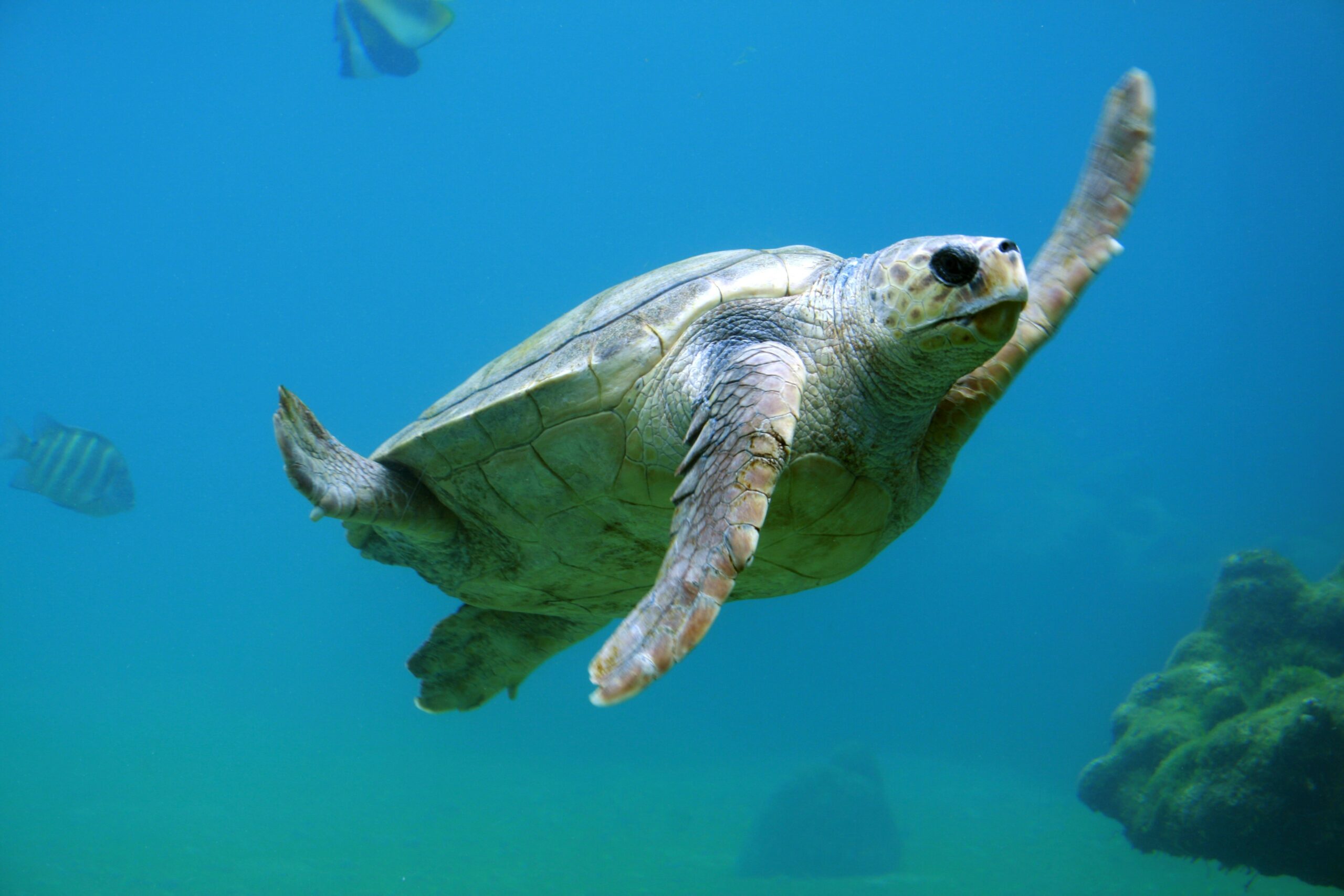
Studies Reveal That Sea Turtles Use the Earth’s Magnetic Field to Navigate and Display Movements That Resemble a Dance During the Process.
Sea turtles, known for their long ocean migrations, have surprised scientists with a curious behavior: they dance to navigate in the ocean. A new study published in the journal Nature revealed that these animals can use the Earth’s magnetic field to create mental maps of important locations, such as feeding and nesting sites.
The research was led by Kayla Goforth from the University of North Carolina and presented direct evidence of this unprecedented behavior.
According to the researcher, it was already known that turtles used the magnetic field as a compass, but the study showed that they are also capable of memorizing magnetic signatures of geographical areas.
-
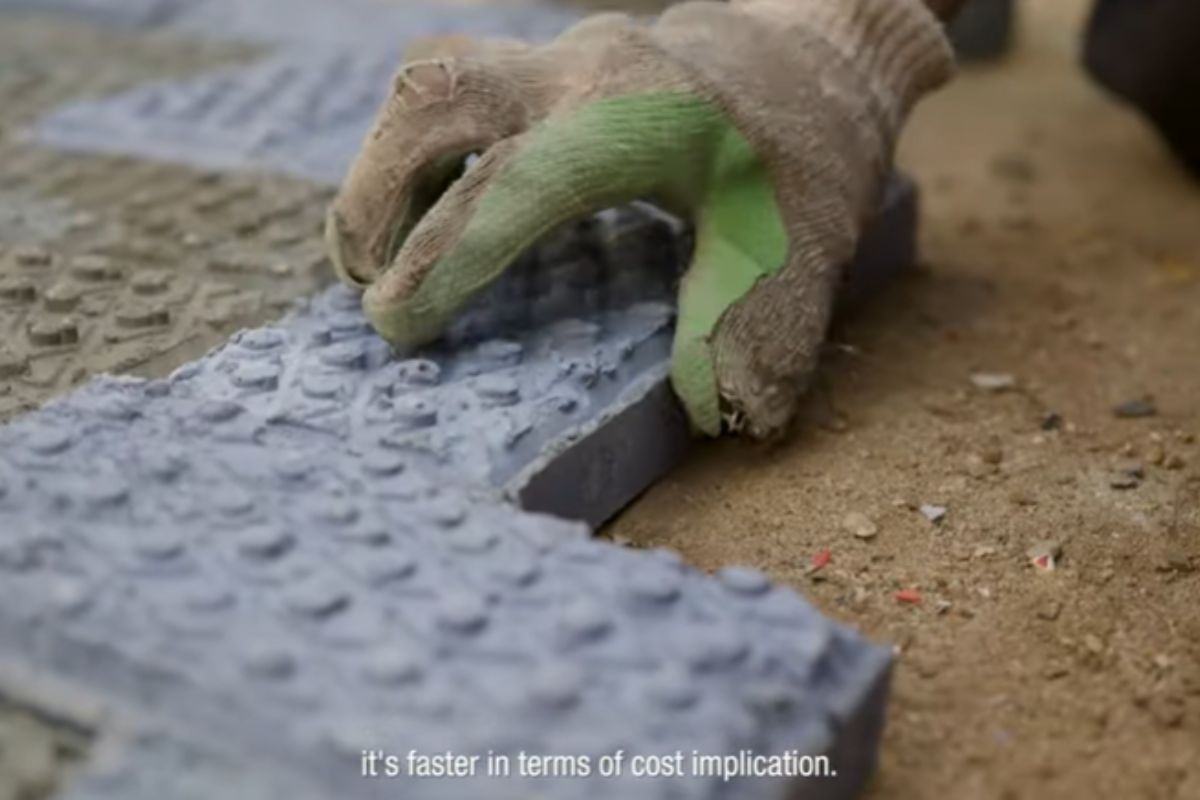
In Kenya, engineer Nzambi Matee created “bricks 2.0” using packaging plastic: a mixture with sand, heated and pressed; they are 5 times more resistant, already have official licensing, and are being used in streets and construction projects.
-
More than 20,000 positions could be opened, and thousands of technicians are starting to be trained in Brazil, as the expansion of data centers creates an urgent race for professionals to keep the internet, cloud, and artificial intelligence running 24 hours a day.

-
China approves the 15th Five-Year Plan 2026-2030 to become a global power: prioritizes brain implants, 6G with AI, humanoid robots, flying cars, quantum technology, and nuclear fusion, while strengthening defense and the economy.

-
HONOR X80i arrives with a massive 7,000 mAh battery, a 120 Hz AMOLED display with a brightness of 6,500 nits, and the new Dimensity 6500 Elite chip, promising up to 22 hours of video playback and impressive performance in casual gaming.


The Power to Perceive the Earth’s Magnetic Field
Magnetoreception is the ability to perceive the Earth’s magnetic field. This phenomenon has already been observed in birds, salmon, and lobsters.
However, this was the first time it was established that turtles can learn and remember this information.
Scientists already knew that turtles used this information as an internal compass. Now, they discovered that they also create a mental map based on the magnetic signatures of certain regions.
This means that these animals not only follow a fixed direction but also know exactly where they are and where they need to go.
The Curious Experiment
To test this ability, researchers placed young loggerhead turtles in a tank surrounded by magnetic coils.
For two months, the magnetic field of the tank was altered daily, simulating different regions of the Atlantic Ocean. However, the turtles were only fed when the field indicated a specific area.
Over time, the turtles learned to associate the magnetic field of that location with food. When the corresponding field was activated, they began to swim in circles, open their mouths, and agitate in the water, a behavior that scientists nicknamed the “turtle dance.”
Four months later, when they repeated the test, researchers observed that the turtles continued dancing in the same magnetic field. This indicated that they had memorized the magnetic signature of the location, demonstrating their ability to create mental maps.
Mystery Still Unsolved
Despite the discoveries, the exact mechanism of this ability remains a mystery. One of the most accepted hypotheses is that turtles detect magnetic changes through light-sensitive chemical reactions.
However, tests with radiofrequency fields, which should interfere with this process, did not affect the turtles’ behavior.
On the other hand, similar experiments with these animals’ internal compass showed that radiofrequencies were able to disorient them. This suggests that the sense of mapping and that of the compass use different mechanisms.
Implications for Science
This discovery may have important implications for understanding other migratory animals, such as birds and amphibians.
Future studies will seek to uncover the details of this mechanism and how it impacts the oceanic journeys of turtles.
For now, the curious record remains: sea turtles, in addition to their impressive transoceanic journeys, also dance when they need to find the right way in the vast ocean.
Study published in the journal Nature.









-

2 pessoas reagiram a isso.