





 Portuguese
  English
  Spanish
  2 min of reading
  0 comments


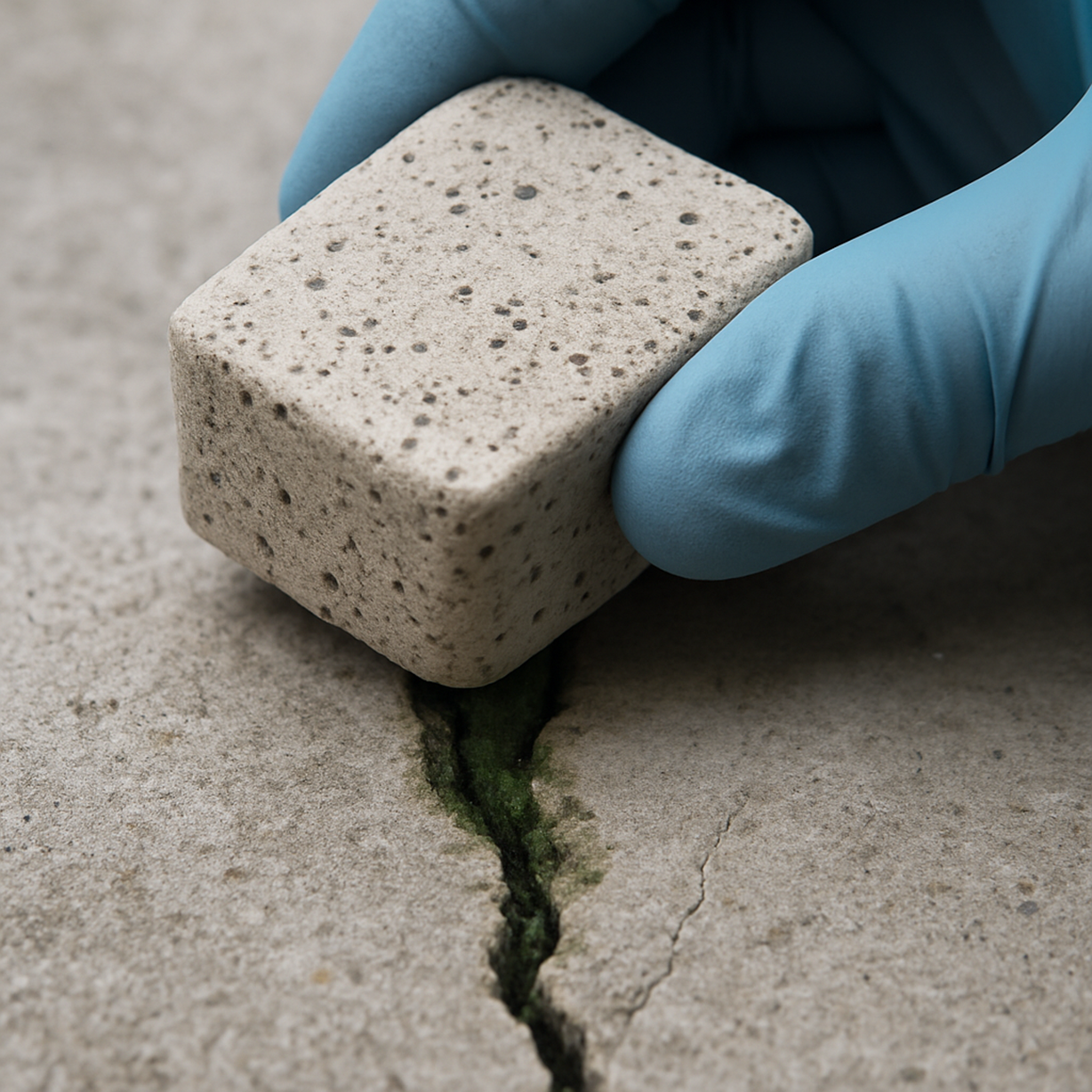
Researchers Develop Concrete That Uses Synthetic Lichen to Repair Cracks Automatically, Without the Need for Human Maintenance
Concrete is one of the most widely used materials in the world, but it has a known fragility: its low tensile strength. This makes it prone to cracks, requiring constant maintenance. Now, scientists have taken an important step to solve this problem by developing a type of concrete that regenerates itself.
A Solution Inspired by Nature
The research was led by engineer mechanic Congrui Grace Jin, from Texas A&M University. The team created an innovative concrete capable of filling its own cracks using the power of synthetic lichen. This new approach promises to overcome the limitations faced by previous methods of “living” concrete with bacteria.
For decades, scientists have investigated the use of microorganisms to repair concrete. However, these attempts required manual feeding, with external nutrient supply. “None of the current self-healing approaches are fully autonomous, as they require an external nutrient supply for the healing agents to continuously produce repair materials,” explains Jin.
-
Supercomputer calculates when humanity may disappear from Earth, predicts a scorching supercontinent, temperatures of up to 70 degrees, and a planet moving towards becoming uninhabitable.

-
INMET danger alert: heavy rains between the 3rd and 4th may drop up to 100 mm/day and winds of 60 to 100 km/h in several regions of Brazil require extra caution.

-
The parts crisis may bring back the drop notch and microSD in 2026; while Windows 11 promises to become lighter, leaks mention batteries of up to 10,000 mAh and 200 MP cameras.

-
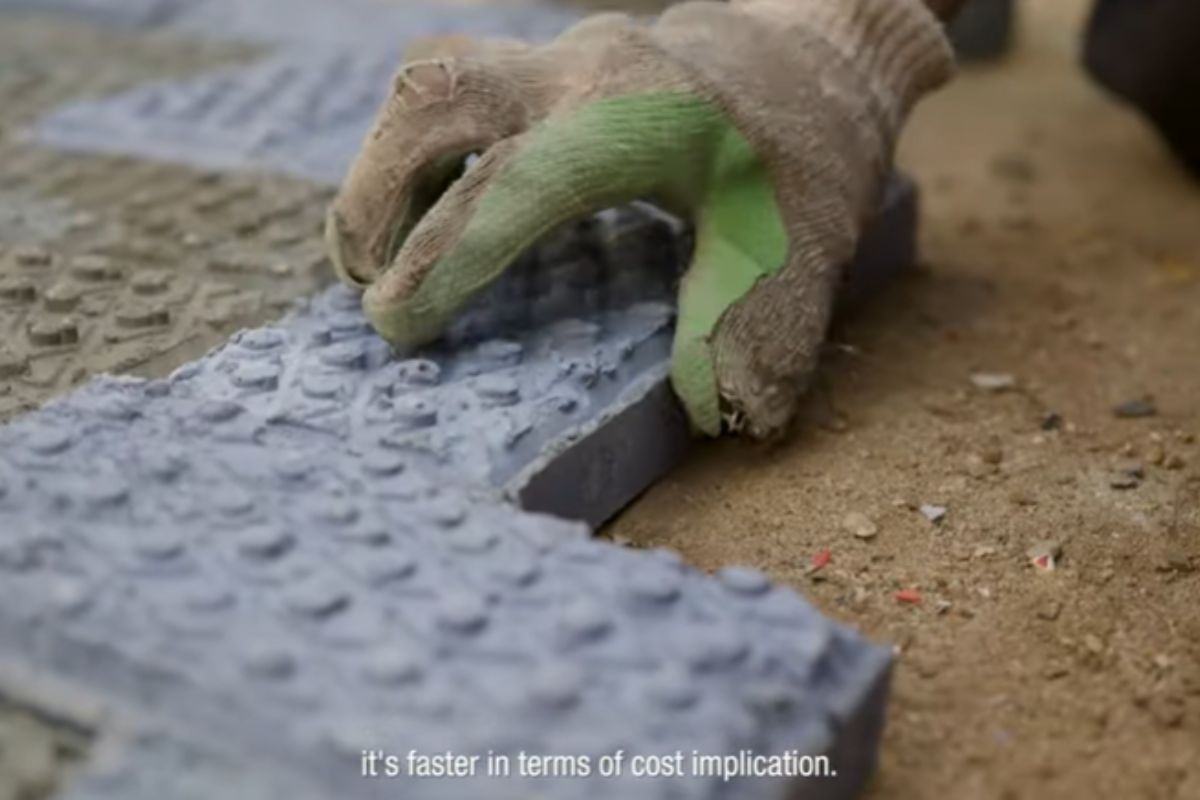
In Kenya, engineer Nzambi Matee created “bricks 2.0” using packaging plastic: a mixture with sand, heated and pressed; they are 5 times more resistant, already have official licensing, and are being used in streets and construction projects.
The Functioning of Customized Lichen
Lichens are organisms formed by a symbiotic association between fungi and cyanobacteria or algae. Based on this, the researchers designed a customized lichen.
In it, the cyanobacteria fix carbon dioxide and nitrogen from the atmosphere, while the fungus attracts ionized calcium, facilitating the production of calcium carbonate.
This calcium carbonate is the same material found in eggshells, marine shells, corals, and chalk. In laboratory tests, the lichen was able to fill in the cracks by depositing large amounts of this substance, sealing the fissures and preventing their advance.
Advantages Over Previous Methods
Unlike bacteria, lichen does not require human intervention to function.
It works continuously and independently, without the need for spraying nutrients or constant monitoring. Thus, it offers a practical and sustainable alternative for concrete repair.
The team now intends to advance research to understand how the lichen behaves in the presence of existing cracks. The goal is to verify its effectiveness in varied conditions and assess its potential on a larger scale.
Potential to Increase the Durability of Structures
This new regenerative concrete could help extend the lifespan of concrete structures worldwide. As the researchers highlight: “The results demonstrated the potential to create a stable phototrophic-heterotrophic system for self-sustaining concrete repair.”
The findings were published in the journal Materials Today Communications and represent a new frontier in construction.







Seja o primeiro a reagir!