





 Portuguese
  English
  Spanish
  3 min of reading


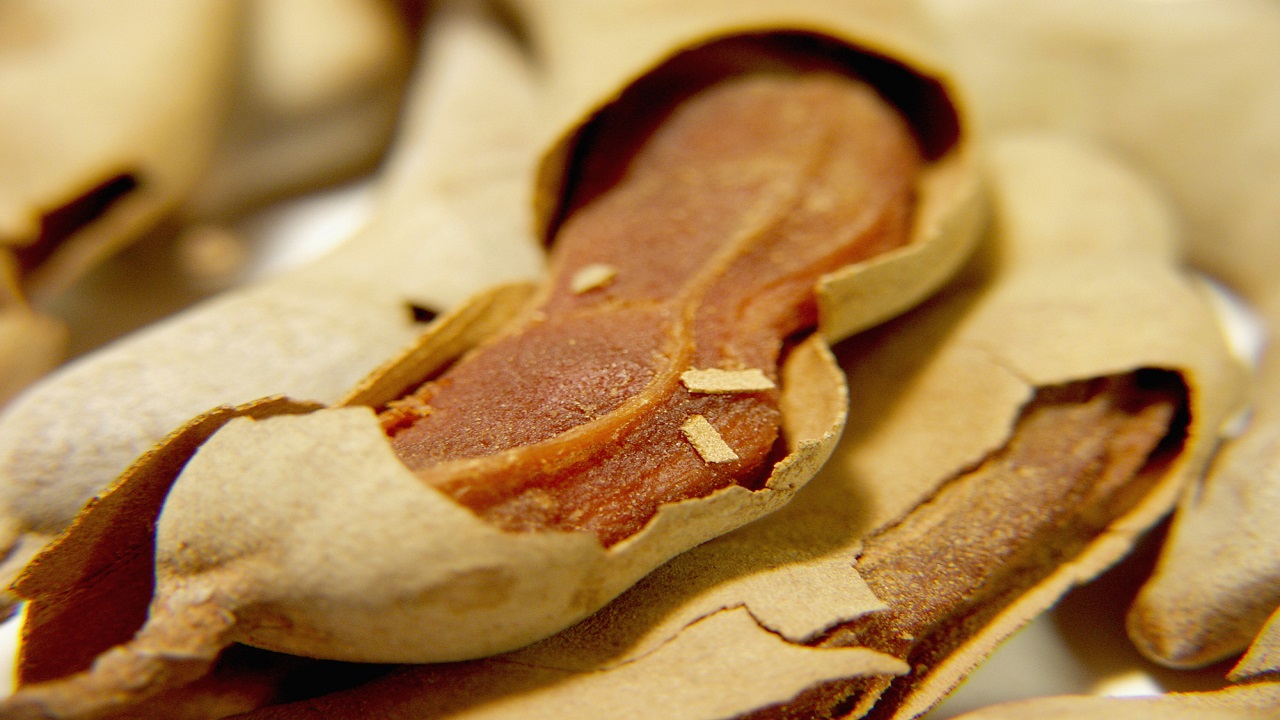
What If Tamarind Peels Could Generate Energy? Believe It, This Is Possible Through the Studies of Scientists in Singapore, Who Proved That The Fruit Peels Can Be Used to Produce Batteries for Electric Cars
Scientists from Nanyang Technological University in Singapore have proven the possibility of transforming tamarind peels, which are great antioxidants, anti-inflammatories, and rich in vitamins A, C, and E, into batteries for electric cars. When processed, the peels, rich in carbon, were transformed into carbon nanosheets that can be used in the manufacturing of supercapacitors, which are used by the industry to build electricity storage cells.
Read Other Related News
Leader of the Tamarind Study for Electric Cars Speaks Out
According to Steve Cuong Dang, an electrical engineering professor who led the study, it was discovered that the performance of the carbon nanosheets from the fruit peels can be compared to those made industrially, with a porous structure and electrochemical properties.
Tamarind peels are usually discarded during food manufacturing processes, and due to being bulky and difficult to store, they take up a lot of space in landfills.
-
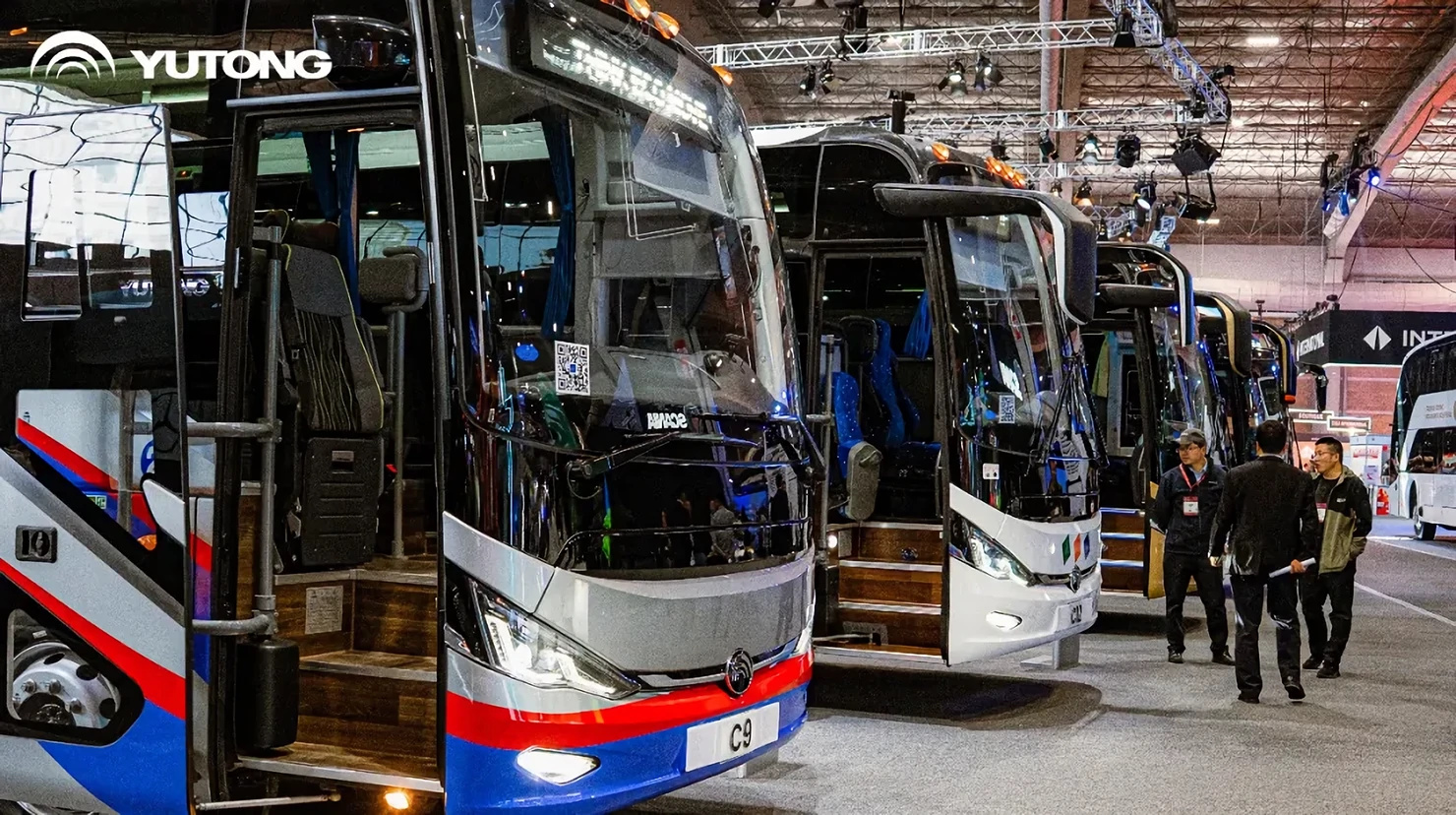
China advances into Mexico’s transportation with an electric bus that has a range of up to 530 km, bringing a complete line to the country in 2026 and transforming its partnership with Yutong into one of the most strategic in Latin American mobility.
-
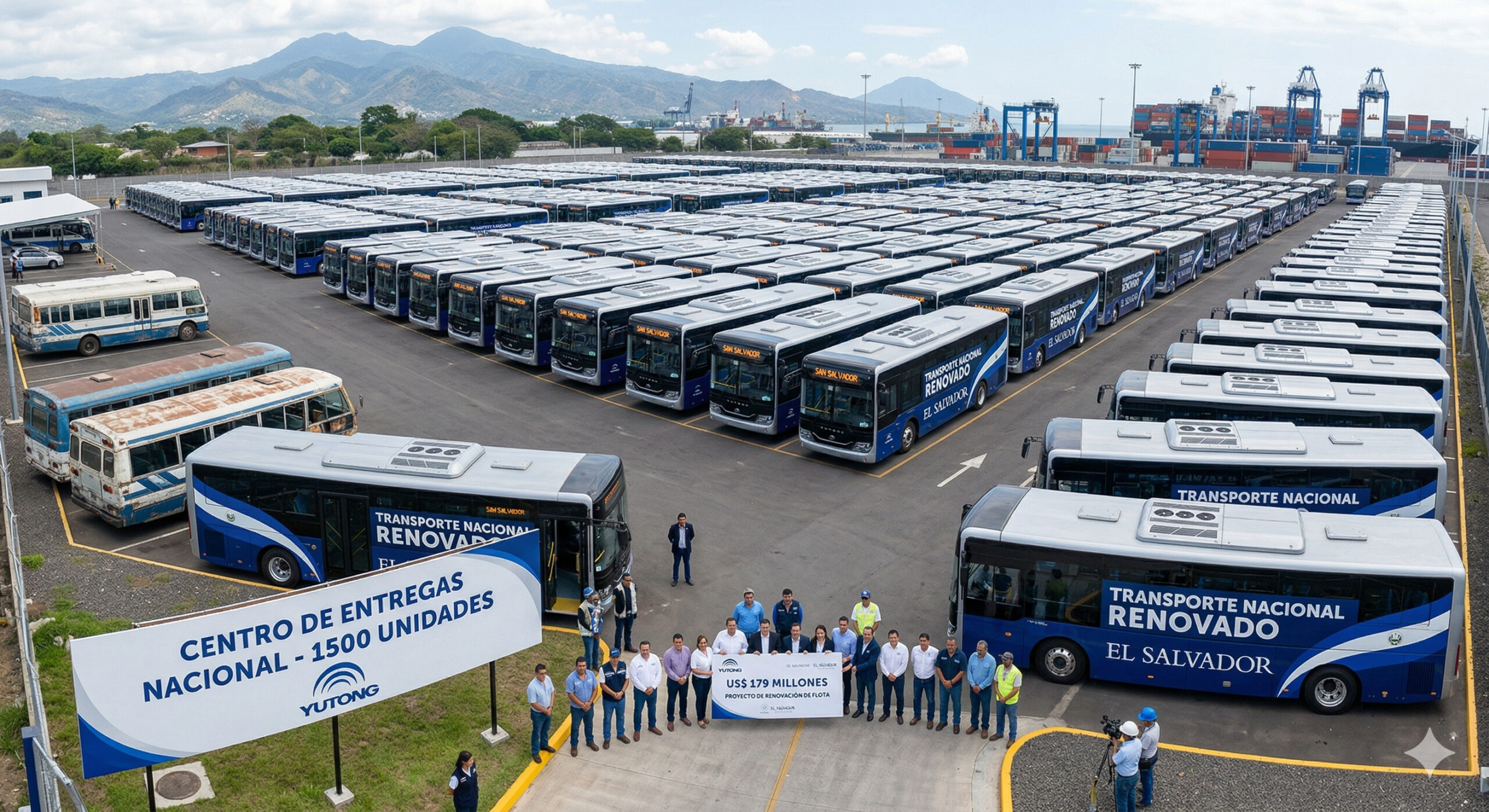
With 1,500 new buses financed by an international agreement, El Salvador is preparing the largest renewal in the history of its public transportation, a plan of $179 million with vehicles from the Chinese company Yutong that could replace practically the entire fleet of the country.
-
American Airlines starts selling trips as if they were flights, with check-in and baggage check at the airport, but on short routes, passengers board luxury buses connecting cities to major hubs in the U.S.

-
São Paulo surprises the world with a colossal railway network project that promises over 1,000 km of tracks, R$ 194 billion in investments, and 40 projects connecting the capital to the interior with fast and sustainable trains.

In addition to finding a new form of energy storage for electric car batteries, researchers estimate that increasing the use of carbon nanosheets could reduce the environmental impact caused by the disposal of peels as a byproduct of food manufacturing processes.
Understand the Process of Creating Nanosheets for Electric Car Batteries
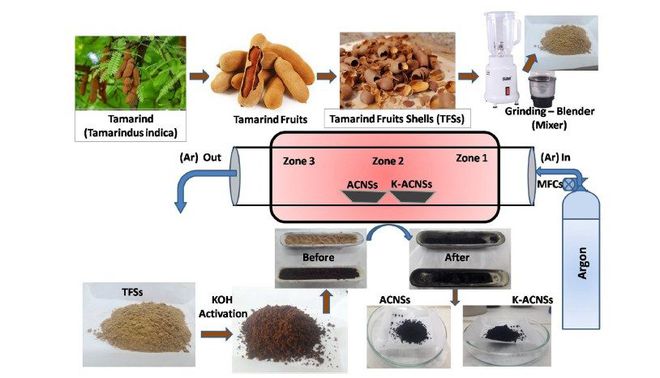
For the nanosheets to be created, scientists washed and dried the peels at a temperature of 100ºC for approximately six hours. Without the presence of water, they were ground and turned into a powder, which was then baked in a furnace for two and a half hours at around 800ºC.
In this process, oxygen is eliminated, and researchers managed to convert the material into thin carbon sheets. Since tamarind peels are naturally porous and rich in this element, they become ideal for manufacturing batteries for electric cars.
Carbon Nanosheets and Tamarind Peel Batteries
Carbon nanosheets are composed of carbon atoms arranged in interconnected hexagons, like a honeycomb, for example. The secret behind their energy storage capabilities lies in their porous structure.
The researchers’ idea now is to expand the studies so that the production of nanosheets from tamarind peels increases. The plan is to form partnerships with agricultural producers and also reduce the energy needed in the manufacturing process, making the project more ecological.
Researchers also intend to explore other types of fruit peels in the future to build more efficient and cost-effective energy storage devices.









Seja o primeiro a reagir!