





 Portuguese
  English
  Spanish
  2 min of reading
  0 comments


Innovative Project In Hawaii Uses Drones To Release Modified Mosquitoes And Combat Avian Malaria, Main Threat To Native Honeycreepers
In an attention-grabbing initiative, drones are being used to release millions of mosquitoes in Hawaiian forests. The action may seem strange, but it is part of a project to prevent the extinction of the native birds called honeycreepers.
These birds are known for their vibrant colors and varying beak shapes. Of the more than 50 species that existed, only 17 remain.
The main threat is avian malaria, transmitted by mosquitoes that are not native to the region. To tackle the problem, the American Bird Conservancy (ABC) and the organization Birds, Not Mosquitoes (BNM) created an unusual strategy.
-
The oceans are darkening all over the planet – what is happening?
-
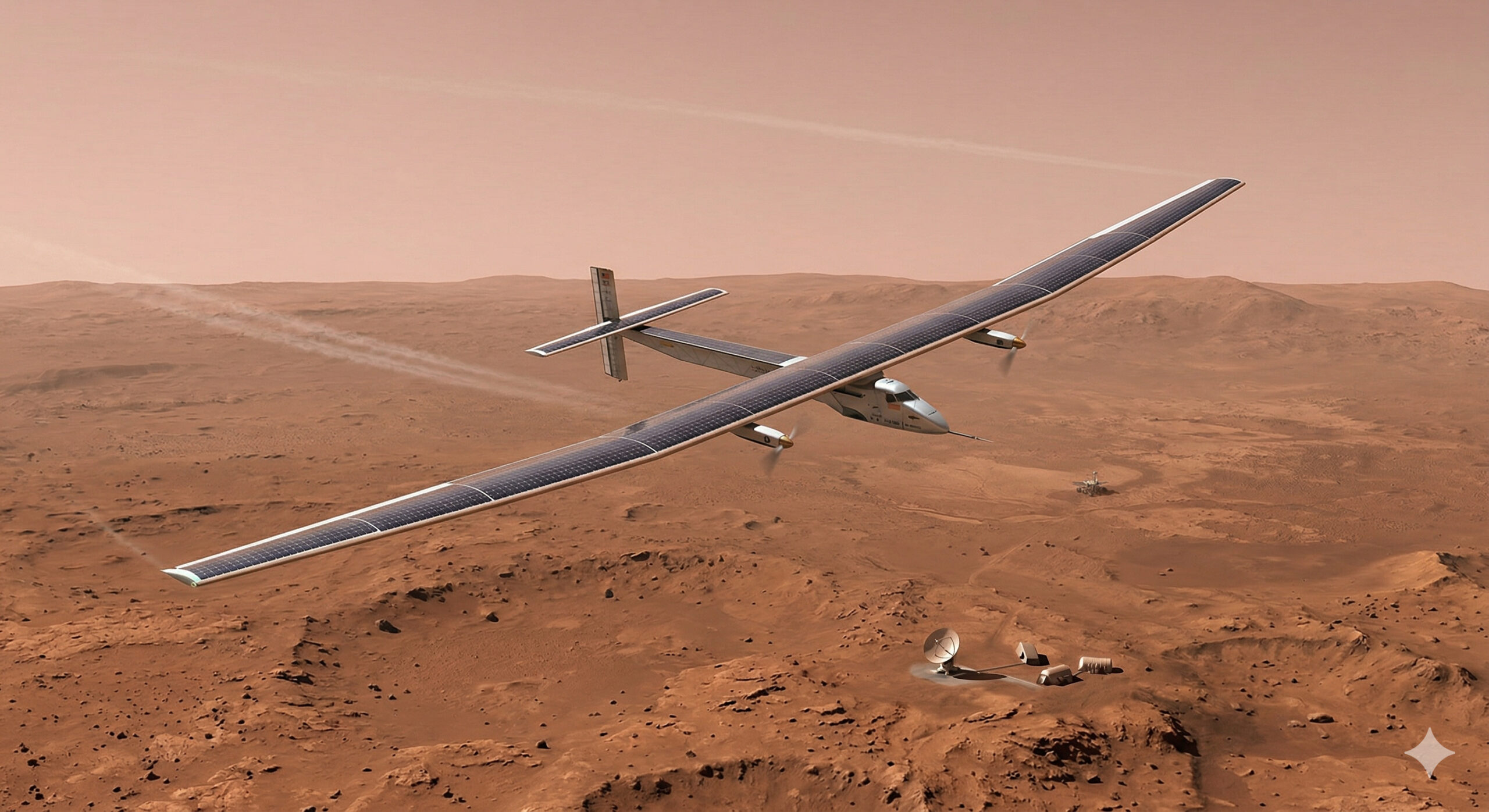
An engineer designs a solar plane to fly on Mars at an altitude of 1,000 meters and a speed of 300 km/h, covering 16,000 kilometers in a Martian year, 900 times the distance traveled by the Ingenuity helicopter in three years on the planet before experiencing a rotor failure, and NASA is already funding the feasibility study.
-
A new phenomenon of contactless magnetic friction intrigues scientists and questions a theory that has been valid since the 17th century.

-
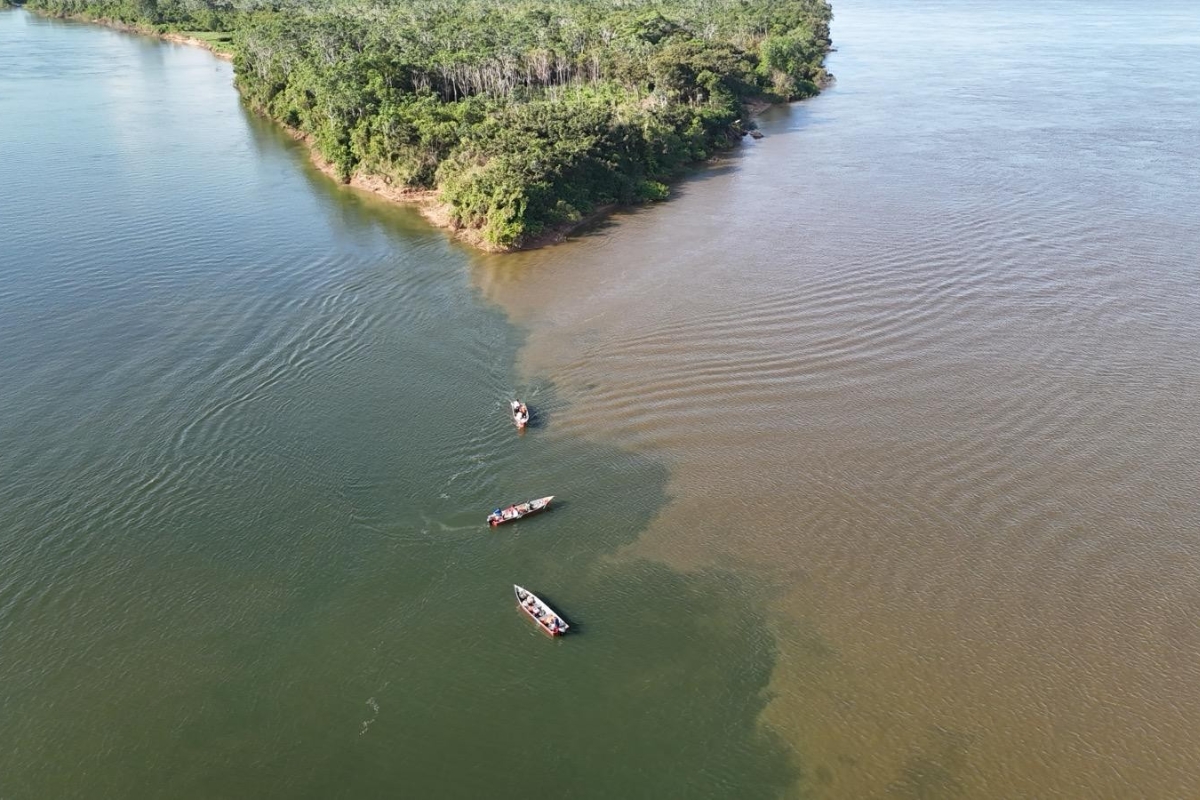
An impressive phenomenon in Northern Brazil causes rivers of different colors to flow side by side, revealing secrets about sediments, currents, and biodiversity.
The project involves releasing male mosquitoes of the species Culex quinquefasciatus, which have been bred in the laboratory. These mosquitoes do not bite and carry a bacterium called Wolbachia.
When they mate with wild females, the eggs do not develop. This reduces the mosquito population over time and helps control the transmission of the disease.
Previously, these mosquitoes were only released by helicopters. But in April 2025, drones were used for the first time.
According to Adam Knox, manager of ABC’s Mosquito Airborne Release Project, drones provide more flexibility to deal with Hawaii’s unstable weather and make operations safer.
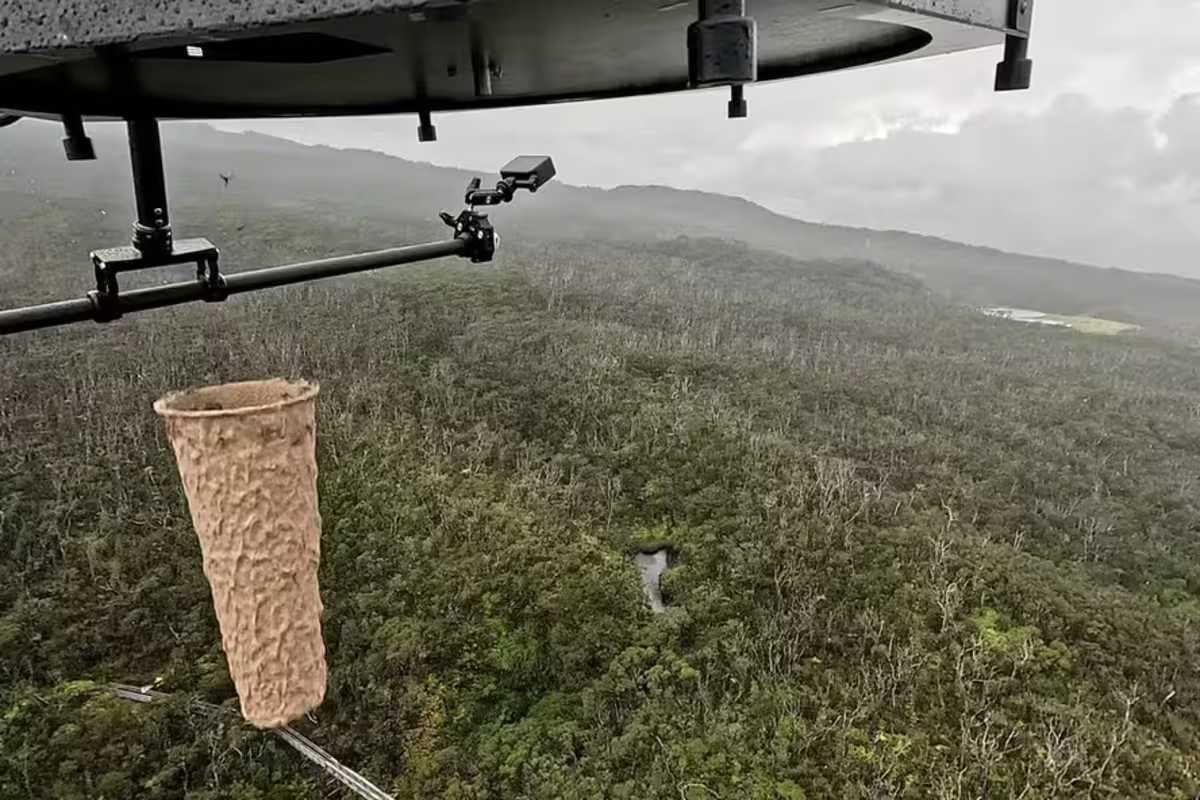
The mosquitoes are placed in biodegradable capsules. Each capsule carries about a thousand insects. These capsules are dropped from the sky and fall to the forest floor, protecting the mosquitoes until they can fly. Upon exposure to the environment, they begin to decompose.
Since the project’s start in November 2023, more than 40 million mosquitoes have been released on the islands of Maui and Kauai. The goal is to prevent the extinction of species such as the Kiwikiu, a type of honeycreeper that now has fewer than 150 individuals.
The introduction of drones was not straightforward. It was necessary to develop new hardware that could transport the capsules without damaging them. ABC engineers adapted the equipment so that the releases could be made remotely and safely.
Despite the good results, most releases still occur via helicopter. Testing with drones will continue, especially in hard-to-reach areas. The expectation is that gradually, these vehicles will gain more space in conservation efforts.
Chris Farmer, director of ABC’s Hawaii Program, states that technology could be decisive. According to him, the current generation has the chance to save species that are on the brink of disappearance.
With the use of drones and mosquito control, the group believes it is possible to restore the populations of honeycreeper birds.
With information from Revista Galileu.








Seja o primeiro a reagir!