Portuguese
  Spanish



Innovative Project In Hawaii Uses Drones To Release Modified Mosquitoes And Combat Avian Malaria, Main Threat To Native Honeycreepers
In an attention-grabbing initiative, drones are being used to release millions of mosquitoes in Hawaiian forests. The action may seem strange, but it is part of a project to prevent the extinction of the native birds called honeycreepers.
These birds are known for their vibrant colors and varying beak shapes. Of the more than 50 species that existed, only 17 remain.
The main threat is avian malaria, transmitted by mosquitoes that are not native to the region. To tackle the problem, the American Bird Conservancy (ABC) and the organization Birds, Not Mosquitoes (BNM) created an unusual strategy.
-
In Andradina, in the interior of SP, a tannery transformed tilapia skin that slaughterhouses used to throw away into exotic leather for bags, shoes, and even wedding dresses, producing about 2,000 pieces per month and exporting to seven countries, proving that fish waste has become high-value fashion.

-
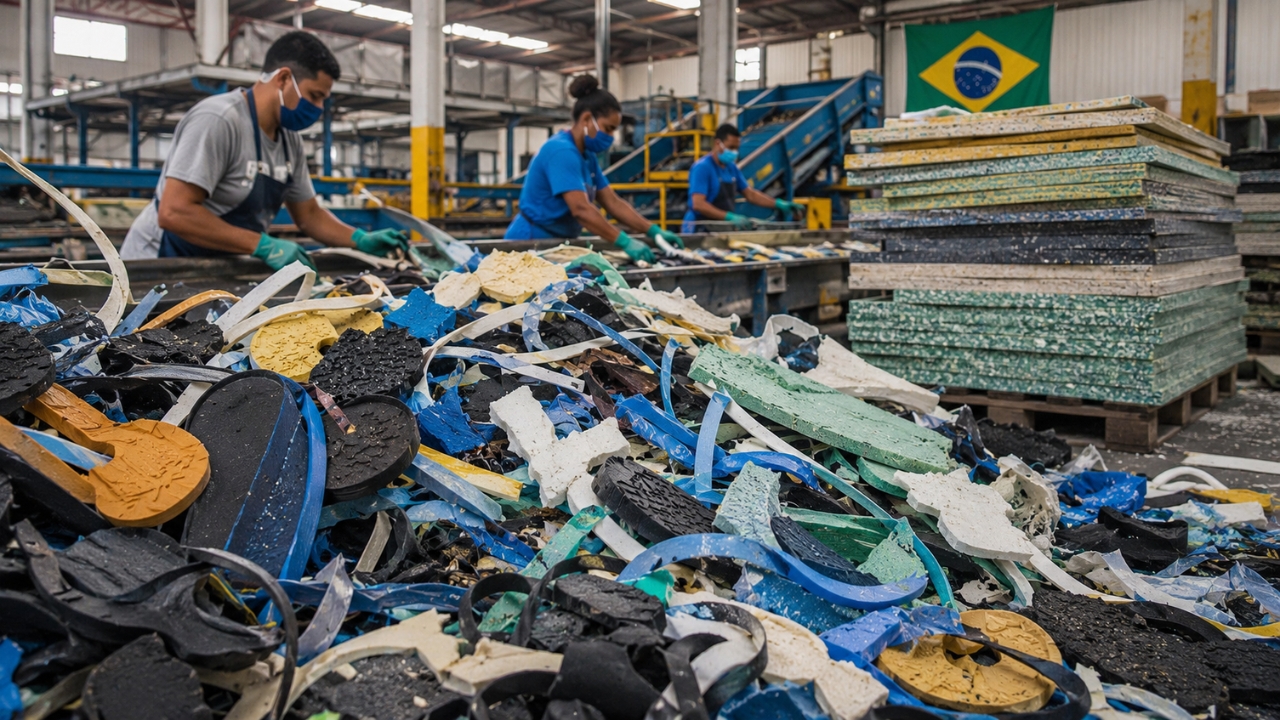
The industrial waste that even recyclers didn’t want has gained value in the interior of Bahia: two entrepreneurs invested R$ 2.8 million to transform 350 tons per year of foam, rubber, and plastic into boards that can replace wood and MDF.

-
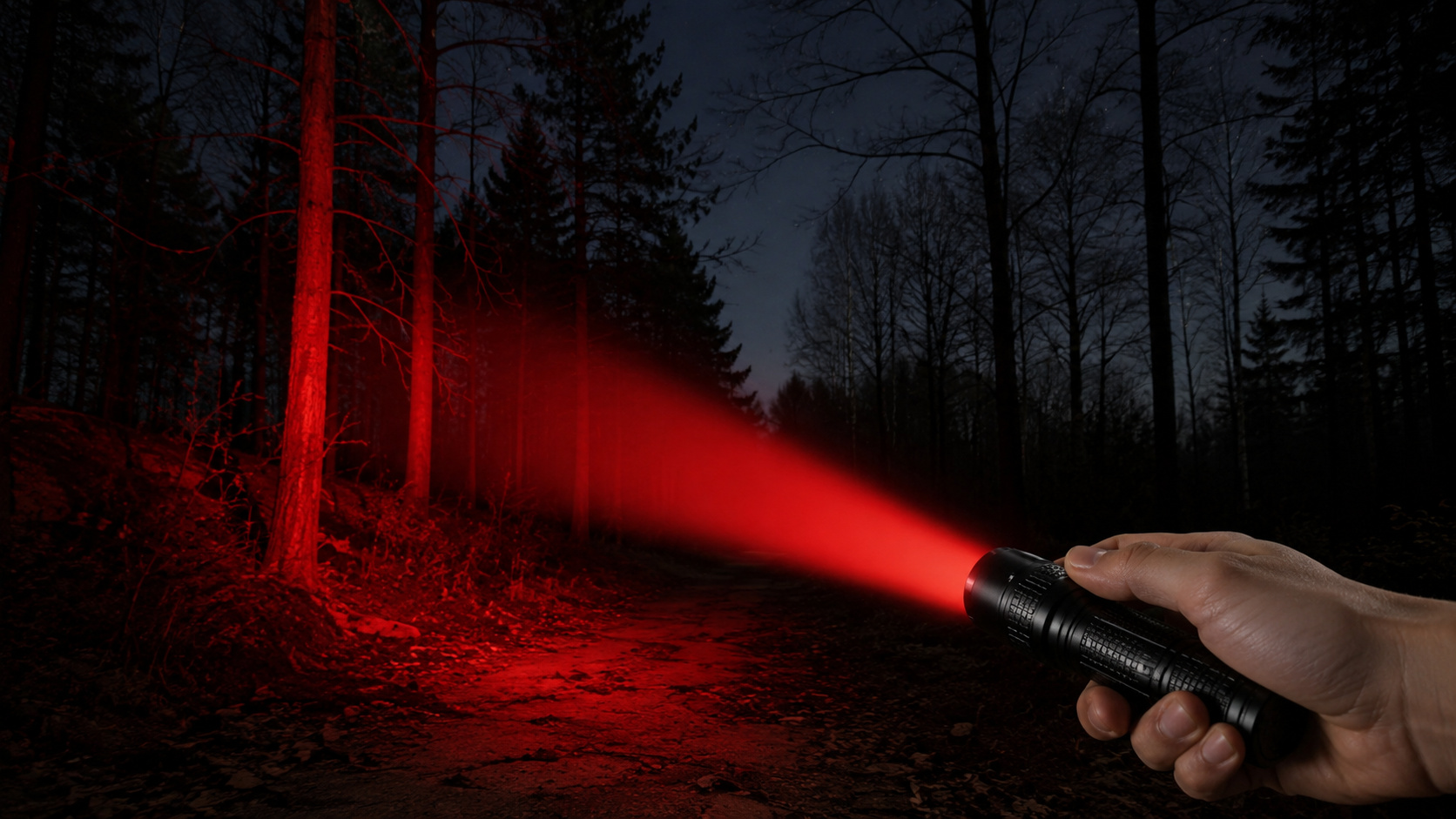
What is a red flashlight used for, after all? See why it is so commonly used at night.

-
He has never read a line of code, but he already knows how to work: the French company UMA presented in Paris the Northstar, its first AI-powered humanoid robot designed for factories and warehouses, capable of copying tasks just by observing an employee in action.


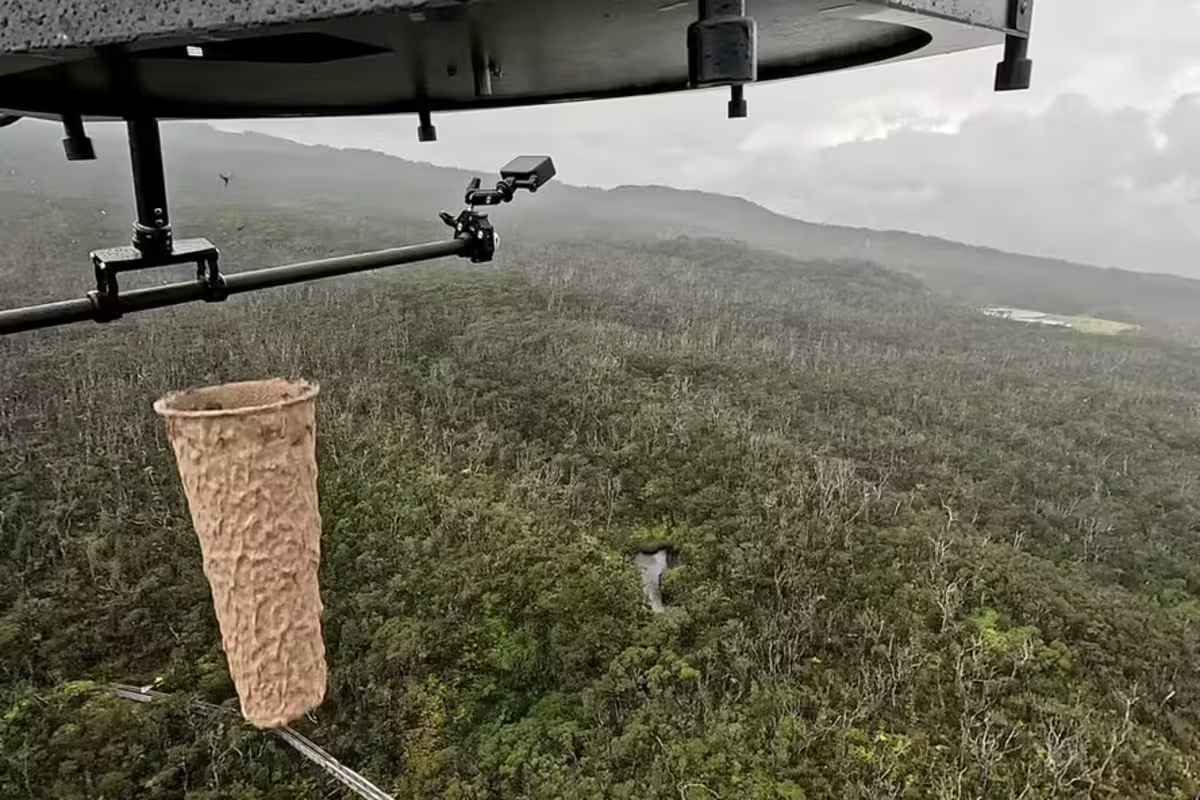
The project involves releasing male mosquitoes of the species Culex quinquefasciatus, which have been bred in the laboratory. These mosquitoes do not bite and carry a bacterium called Wolbachia.
When they mate with wild females, the eggs do not develop. This reduces the mosquito population over time and helps control the transmission of the disease.
Previously, these mosquitoes were only released by helicopters. But in April 2025, drones were used for the first time.
According to Adam Knox, manager of ABC’s Mosquito Airborne Release Project, drones provide more flexibility to deal with Hawaii’s unstable weather and make operations safer.
The mosquitoes are placed in biodegradable capsules. Each capsule carries about a thousand insects. These capsules are dropped from the sky and fall to the forest floor, protecting the mosquitoes until they can fly. Upon exposure to the environment, they begin to decompose.
Since the project’s start in November 2023, more than 40 million mosquitoes have been released on the islands of Maui and Kauai. The goal is to prevent the extinction of species such as the Kiwikiu, a type of honeycreeper that now has fewer than 150 individuals.
The introduction of drones was not straightforward. It was necessary to develop new hardware that could transport the capsules without damaging them. ABC engineers adapted the equipment so that the releases could be made remotely and safely.
Despite the good results, most releases still occur via helicopter. Testing with drones will continue, especially in hard-to-reach areas. The expectation is that gradually, these vehicles will gain more space in conservation efforts.
Chris Farmer, director of ABC’s Hawaii Program, states that technology could be decisive. According to him, the current generation has the chance to save species that are on the brink of disappearance.
With the use of drones and mosquito control, the group believes it is possible to restore the populations of honeycreeper birds.
With information from Revista Galileu.