Portuguese
 Spanish


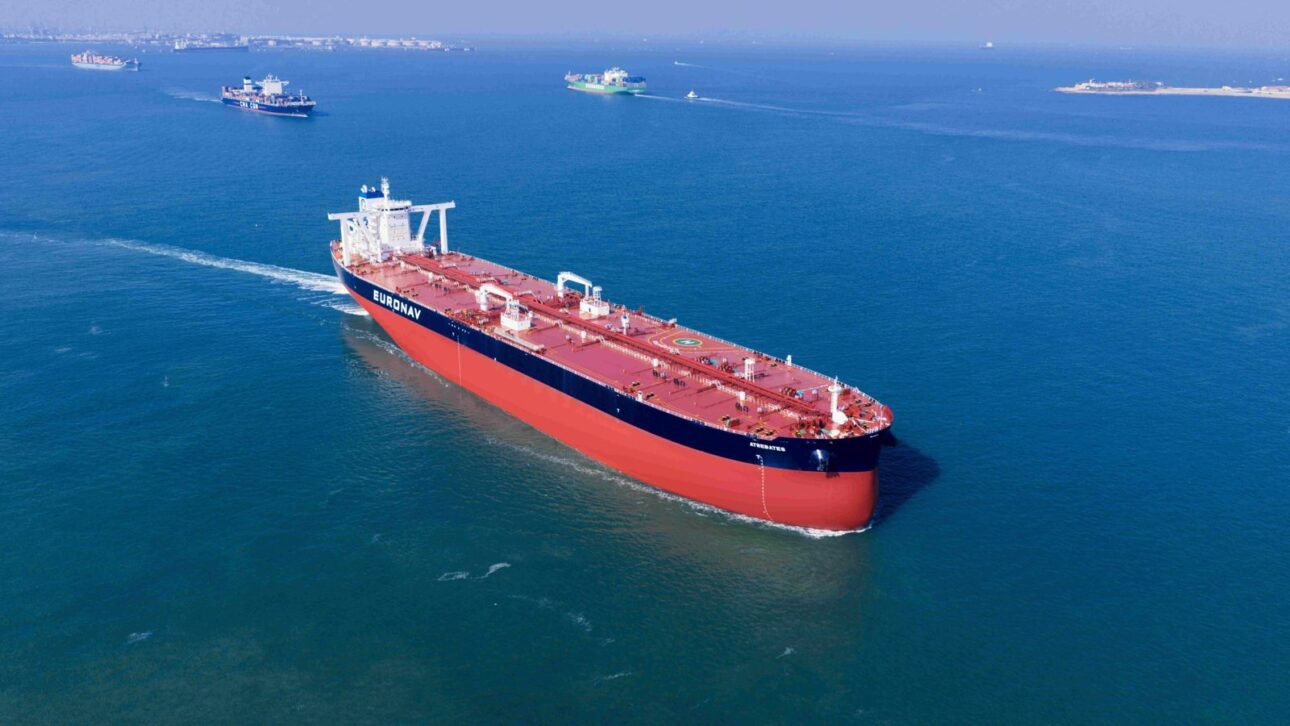

Belgian CMB.Tech’s report, released Tuesday, November 24, 2026, values a 15-year-old VLCC at $165 million, compared with $132 million for a new one. The company has already booked 59% of its fourth-quarter supertanker days at an average of $635,199 per day
A used supertanker with 15 years at sea is worth more today than a new ship. The comparison appears in the third-quarter report from CMB.Tech, released Tuesday, November 24, 2026.
The Belgian shipowner, which owns Euronav, published the release on its website. The U.S. site gCaptain detailed the figures the same day, drawing on the report and data from Clarksons.
A 15-year-old VLCC reached $165 million on the secondhand market. A new one costs $132 million. The 10-year average for a ship of that age is $46 million.
-
Siemens Gamesa reserves capacity for turbines over 15 MW for Green Volt, set to be the world’s largest floating wind farm

-
Petrobras considers targeted change in fuel pricing policy as oil stays below $90, director Laureano suggests permanent shift
-
At the launch of its $122 billion plan through 2031, Petrobras says it has no new public hiring process planned after bringing on 6,000 employees since 2023
-
Petrobras ships pre-salt crude to Japan for the first time, sending about 950,000 barrels from the Libra field to Idemitsu as the Hormuz crisis cuts Middle Eastern oil supplies


The surge is also reaching the Atlantic, the route used to ship South American oil. CMB.Tech says demand in the Middle East has drawn ships away from the region and sharply driven up freight rates.
What a 15-year-old supertanker is worth today
VLCC stands for very large crude carrier, the largest type of oil tanker in operation, also known as a supertanker. Each carries about 2 million barrels, according to a Bloomberg article republished by gCaptain in June.
The report says several sales closed at record levels in September and October. State-owned oil companies and trading houses competed for available ships.
The $165 million price is 3.6 times the historical average, a 259.7% increase, according to the company’s calculations. gCaptain puts the price about 25% above that of a new ship.
On the earnings call on November 24, Chief Financial Officer Ludovic Saverys said secondhand ships are expensive. The transcript was published by Motley Fool.
The reversal was already evident in October. On October 17, 2026, analyst Vandana Hari, founder of Vanda Insights, wrote on X in English that tankers had aged like fine wine.
In the post, she says a 10-year-old VLCC cost $180 million, 38% more than a new one at $130 million. A five-year-old ship, at $210 million, cost 62% more.
She notes that the last time used ships cost more than new ones was in 2008, shortly before the global financial crisis.
How much CMB.Tech earned per VLCC during the quarter
CMB.Tech’s average daily rate for VLCCs in the spot market was $149,945 in the third quarter. A year earlier, it was $30,486.
For the fourth quarter, the company has already booked 59% of its VLCC days at an average of $635,199 per day. For Suezmax vessels, which are smaller, the average is $377,164, with 68% of days booked.
Across the market, average rates for supertankers reached $804,601 per day in October. Middle East routes were the most expensive, while Atlantic routes topped $500,000.
On September 16, 2026, maritime intelligence firm Windward posted on X in English that the cost of chartering a very large crude carrier (VLCC) to transit the Strait of Hormuz had topped $1 million a day.
The post said it was the highest rate on record. The previous month, the daily rate was close to $500,000.
How higher freight rates affect Brazil
Brazil figures in CMB.Tech’s results in two ways. In oil, freight rates in the Atlantic rose as ships were drawn to the Middle East, while exports remained steady, particularly from South America.
The other factor is iron ore, cargo carried by the group’s bulk carriers. Brazilian exports fell 8.8% in the third quarter, down 8.7 million metric tons from a year earlier.
The company linked the decline to higher-cost miners, which cut production as diesel and freight costs rose. China shifted to buying more from Australia.
In oil, freight costs were already a significant factor in March. On March 4, 2026, eixos reported that the cost of chartering a VLCC was nearly 16% of the price of oil.
Historically, that share has ranged from 2.5% to 3.5%. Shell Brazil President Cristiano Pinto da Costa said higher freight costs could affect sales of Brazilian oil.
Petrobras said it was better protected. On March 6, director Claudio Schlosser said more than 30% of the state-run oil company’s freight was covered by long-term contracts, according to eixos.
Elsewhere in the market, that share is below 10%, the director said. He cited sales to markets outside the conflict zone, including India, China and Europe.
How Hormuz trapped ships in transshipment voyages
Higher freight rates do not reflect more oil being transported, CMB.Tech explains. They stem from reduced logistics efficiency around the Strait of Hormuz, which has been affected by the war with Iran.
AXS Marine data cited in the report show 10.9 million barrels per day leaving the Gulf in late October, up from 6.7 million in April.
Much of that oil is transferred from ship to ship in the Gulf of Oman. The company estimates that 141 tankers are dedicated solely to these shuttle voyages, 72% of them very large crude carriers (VLCCs).
Waiting adds even more time. A round trip on these voyages takes an average of 23 days, compared with 9 to 10 days under ideal conditions.
Reuters, in a story republished by BOE Report, spoke with KBC Securities analyst Kristof Samoy. He said some buyers are purchasing used ships solely to move oil out of Hormuz.
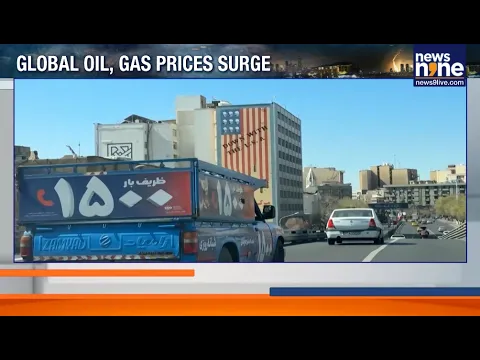
India’s NEWS9 Live showed the start of the surge in an English-language video dated March 3, 2026. The report says supertanker freight rates hit a record amid the war.
The video says shipping through Hormuz nearly ground to a halt after attacks blamed on Iran, and Brent rose almost 10%.

CMB.Tech profit rose to US$373.9 million
CMB.Tech earned US$373.9 million in the third quarter of 2026. Profit was US$17.3 million in the same period of 2025.
Revenue rose from US$454.2 million to US$802.9 million. EBITDA, a measure of cash generation, was US$562.3 million. The company will pay a dividend of US$0.65 per share on December 17.
Maritime publication Maritime Reporter summarized the results on X in English on the 24th. The post said net profit increased 20-fold, fueled by high freight rates and vessel sales.
Sales of used tankers generate gains for CMB.Tech
The 2023-built Suezmax tankers Brest and Brugge generated gains of about US$100.2 million in the third quarter.
In the fourth quarter, the 2016-built very large crude carrier (VLCC) Donoussa is expected to generate a gain of US$74.3 million. The Suezmax tankers Stella and Bristol are generating US$59.6 million and US$56.9 million, respectively.
On the conference call, Ludovic Saverys said the company sold nine very large crude carriers (VLCCs) and five Suezmax tankers in 2026, generating gains of more than US$670 million.
The remaining fleet is young. Euronav has four supertankers less than a year old, with another under construction, and 14 Suezmax tankers with an average age of 7.6 years.
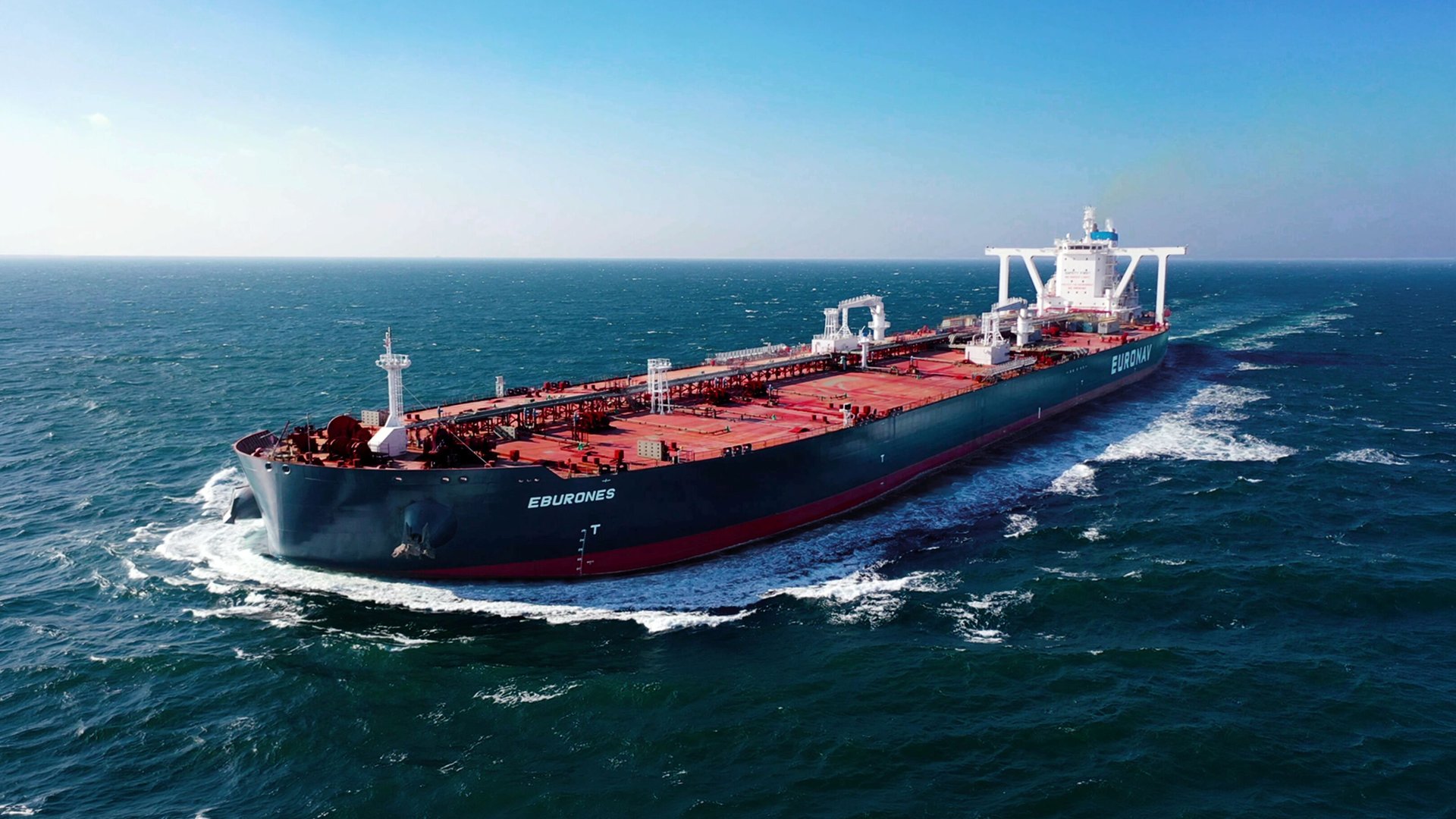
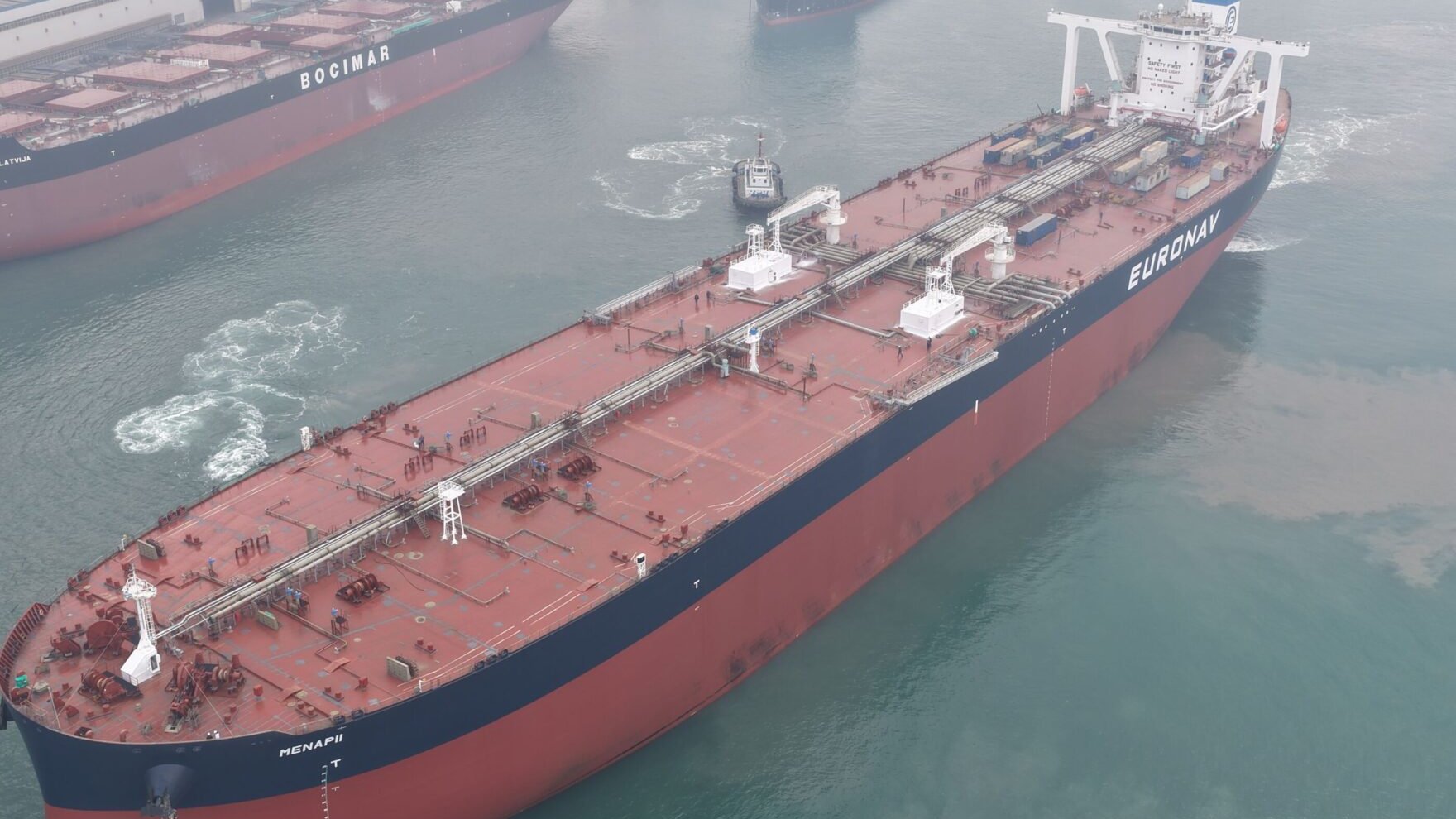
The very large crude carriers (VLCCs) Eburones, Atrebates and Menapii left China’s CSSC Qingdao Beihai shipyard in 2026. Each has a deadweight tonnage of 319,000 metric tons and measures 339.5 meters, according to the fleet specifications.
Clarksons records record sales of secondhand tankers
The figures are in line with those from Clarksons Research. On November 16, 2026, the website Splash247 reported that a 15-year-old very large crude carrier (VLCC) was worth US$165 million, up from US$62 million the previous December.
In the same data set, a five-year-old very large crude carrier (VLCC) was worth US$220 million. Clarksons’ benchmark for a new vessel was US$131.5 million.
From January through October, 588 tankers changed hands for US$29.7 billion. That included 124 very large crude carriers (VLCCs), compared with 78 in all of 2025.
On October 28, 2026, Capital Link posted on YouTube an English-language clip from an interview with Pankaj Khanna, CEO of shipowner Heidmar, on Bloomberg Intelligence’s Talking Transports podcast.
In the interview, he discusses tanker freight rates and the cost of building a new very large crude carrier (VLCC).

Freight rates fell in November but remain above average
Freight rates have already fallen from their peak. On November 16, gCaptain republished a Reuters article with data from the Baltic Exchange.
Rates on the Gulf of Oman-to-China route fell to about 308 points on the Worldscale scale on November 13. The record, set on October 8, was 841 points.
Gulf exporters returned to levels close to those seen before the war. More ships became available after unloading in Asia.
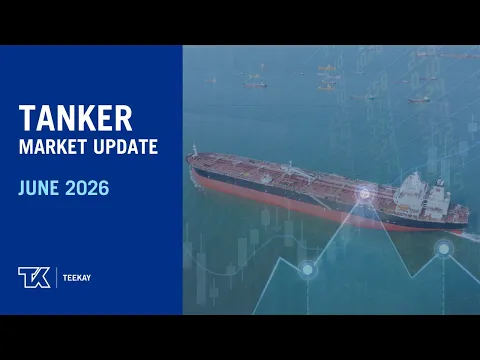
Shipping company Teekay discussed this volatility in a video in English published on YouTube on June 18, 2026. The chapter titles say the closure of the Strait of Hormuz caused the largest disruption to oil supply in history.
The video also shows ships stranded west of the strait and freight rates that have fallen from their March and April highs.
Record orders for new ships weigh on the market outlook
CMB.Tech warns that the situation will not last forever. The fleet of very large crude carriers (VLCCs) is expected to grow 7.1% in 2027, 16.1% in 2028 and 12.3% in 2029.
Orderbooks for very large crude carriers (VLCCs) and Suezmax vessels already exceed 30% of the existing fleet. Most deliveries are scheduled for 2028 and 2029.
On the conference call, Alexander Saverys described the current market as a once-in-a-generation moment. He also said he remains cautious about the medium-term outlook because of these orders.