





 Portuguese
  English
  Spanish
  4 min of reading
  0 comments


Technologies Created to Explore Space Today Are Part of Our Daily Lives — From the Kitchen to the Hospital, From the Car to the Cell Phone
When thinking of NASA, it’s common to imagine rockets, astronauts, and missions to Mars. But what many don’t know is that various technologies present in our daily lives were born out of the need to explore space.
The American space agency’s search for safe, lightweight, and effective solutions led to innovations that are now found at home, in cars, in medical offices, and even in sneakers.
From Clean Water to Sports: Inventions That Came from Space
Water filtration technology is one of the most well-known examples. Initially developed to keep astronauts supplied during long missions, this solution has since been used in home purifiers.
-
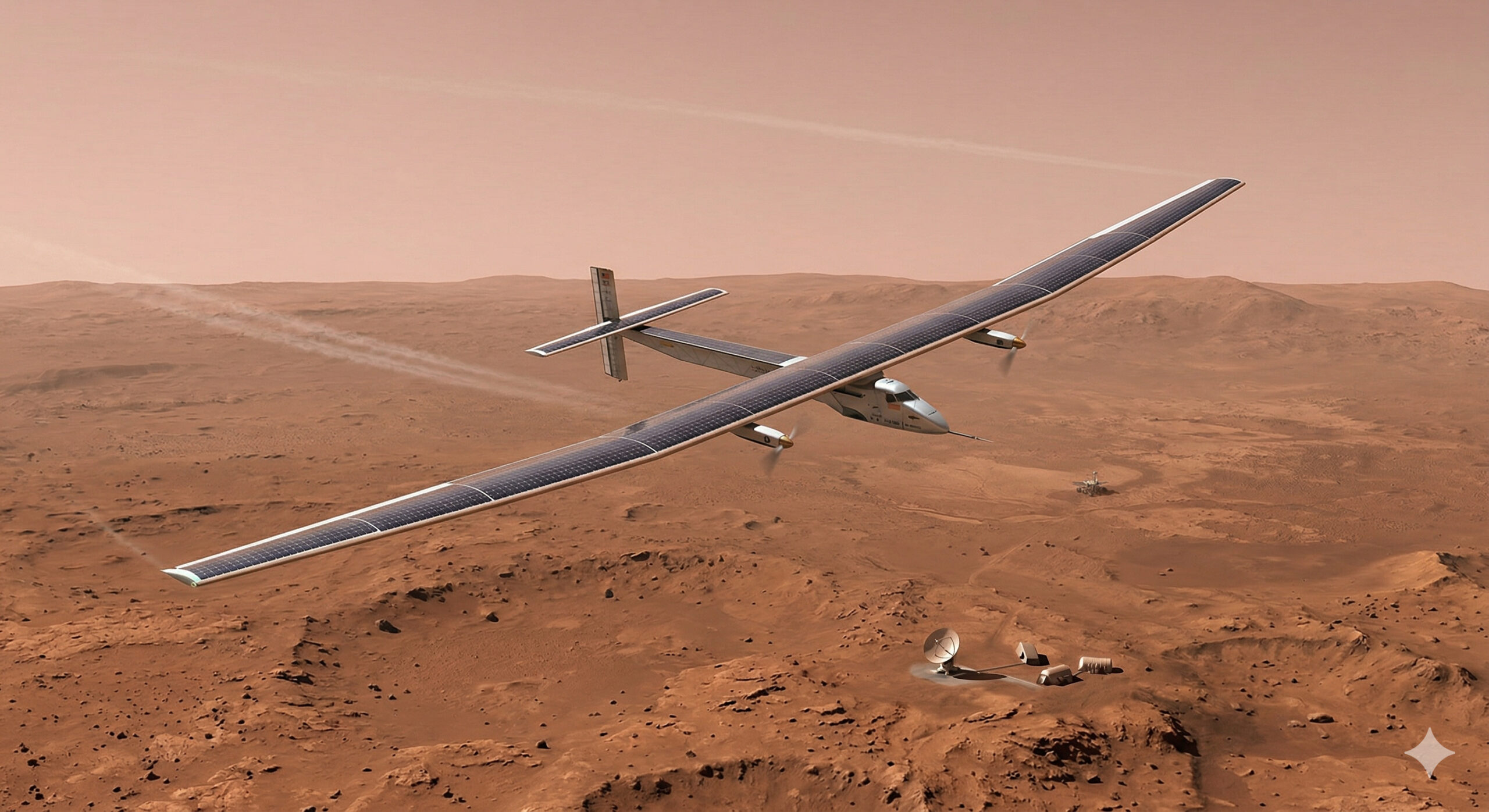
An engineer designs a solar plane to fly on Mars at an altitude of 1,000 meters and a speed of 300 km/h, covering 16,000 kilometers in a Martian year, 900 times the distance traveled by the Ingenuity helicopter in three years on the planet before experiencing a rotor failure, and NASA is already funding the feasibility study.
-
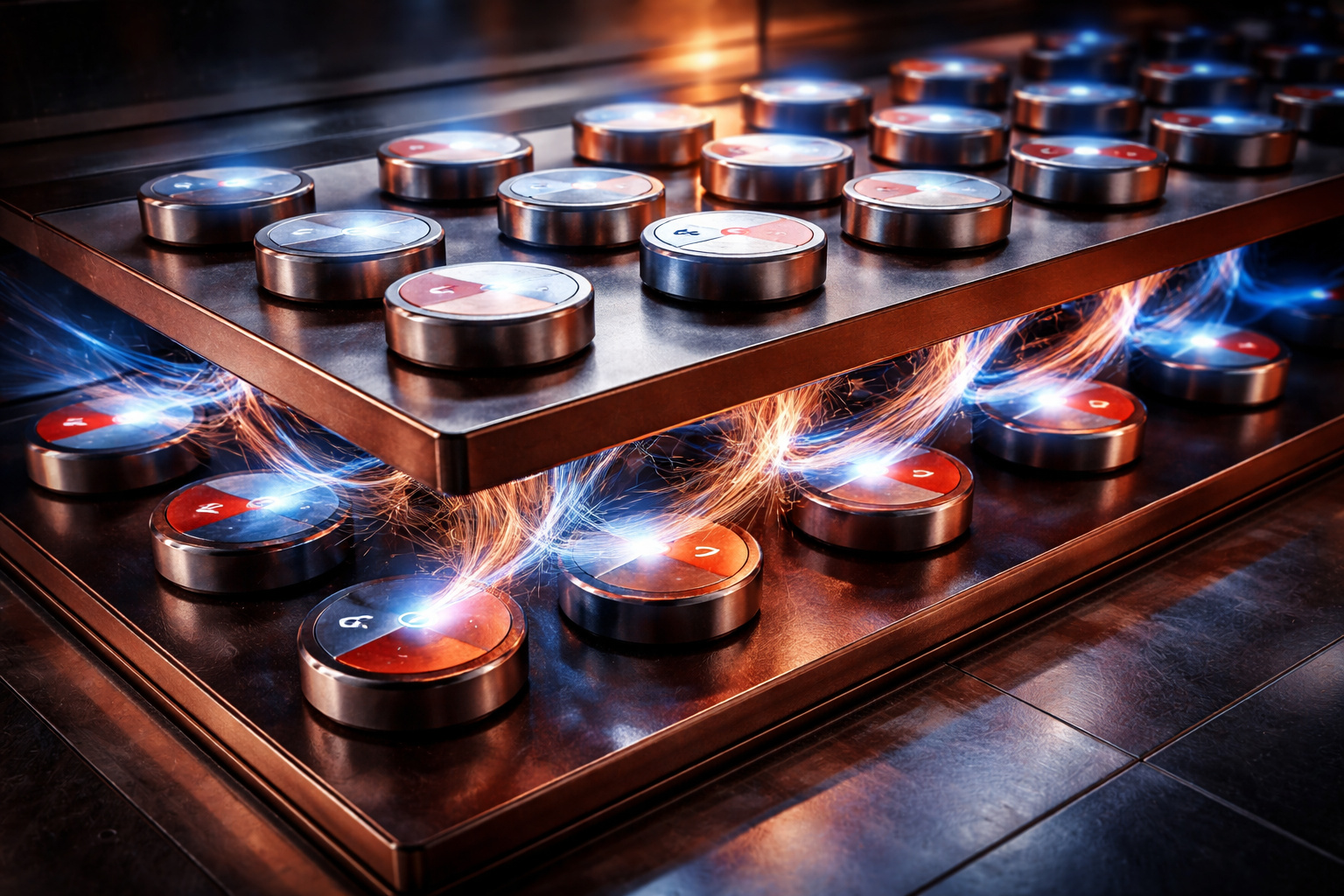
A new phenomenon of contactless magnetic friction intrigues scientists and questions a theory that has been valid since the 17th century.
-
An impressive phenomenon in Northern Brazil causes rivers of different colors to flow side by side, revealing secrets about sediments, currents, and biodiversity.

-
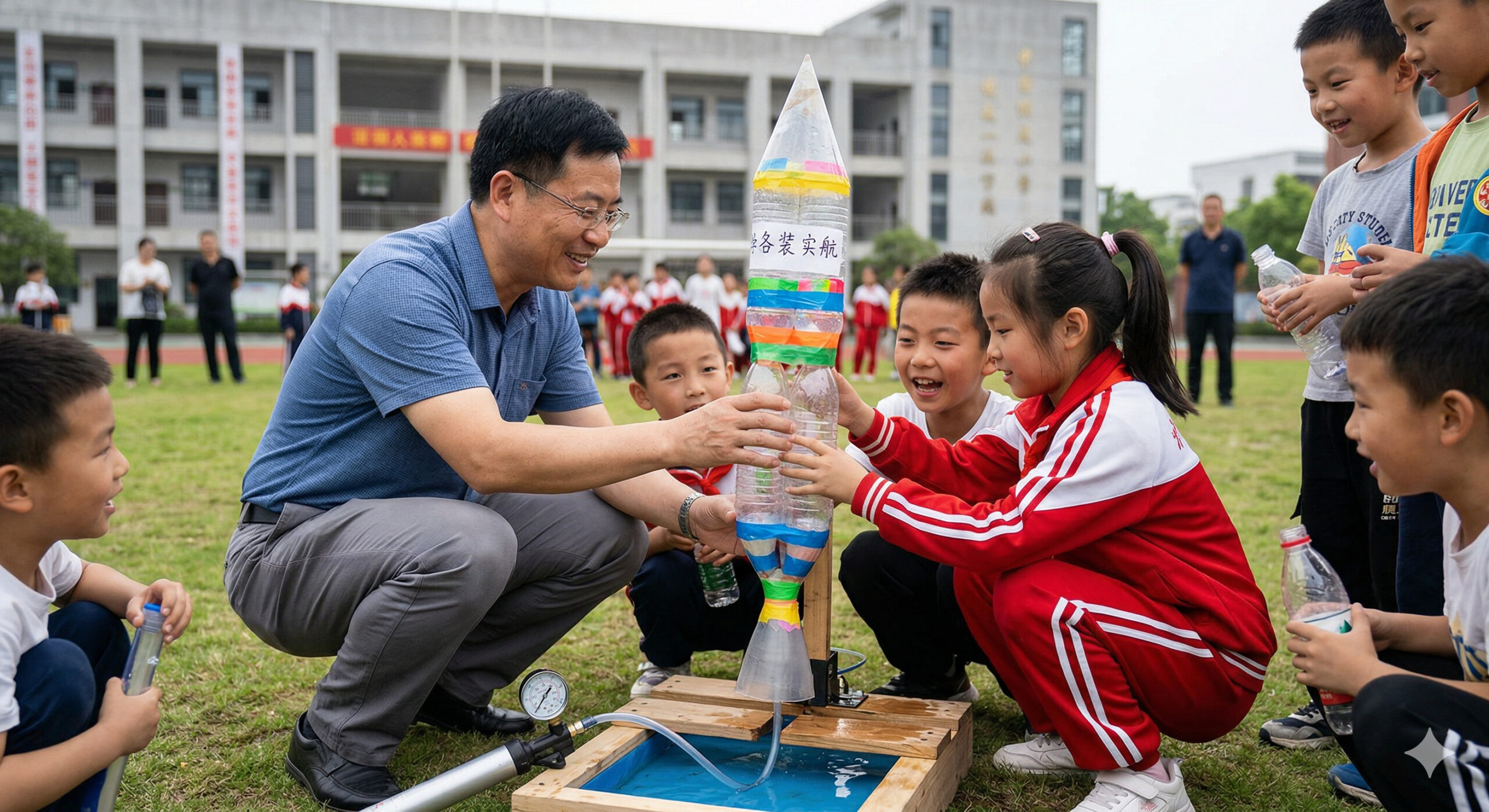
While many schools are still struggling with the basics, a teacher in China went viral for having elementary school students build a two-stage rocket using plastic bottles, water, and pressurized air in a science class that caught the attention of the entire world.

The lightweight and durable materials created for spacecraft have found their way into sports products and the automotive industry.
Medicine and Space: How NASA Helped in Diagnosis and Treatment
Various medical devices have roots in space research. One of the most popular is the infrared ear thermometer.
It originated from technology created to measure the temperature of stars. The result was a device capable of assessing body temperature quickly, accurately, and without direct contact.
Another advancement is MRI. The detailed imaging system used in modern medicine was refined based on image processing done during space missions. This allowed for improvements in disease diagnosis and more effective treatments.
Space Communication and the Internet We Use Today
NASA missions required efficient communication over long distances. This is how communication satellites emerged, which now ensure global internet connectivity.
Voice, video, and data circulate thanks to this infrastructure, essential for the operation of networks worldwide.
Additionally, the protocols created for the secure exchange of data between space equipment helped shape the systems currently used on the internet.
The challenge was great: to ensure that information reached Earth from space without errors. This effort resulted in more robust networks down here.
Space Materials That Became Common Items
Many people have used or seen Velcro. What few know is that it was first applied to space suits, making it easier to handle equipment in zero gravity. Today, it is found in clothing, footwear, and accessories.
Another example is non-stick coatings. Created to protect spacecraft components, this material was adapted for use in kitchen utensils.
Pans and skillets became more practical and easier to clean, all thanks to technology from space.
Automotive Safety Inspired by Astronauts
To ensure the safety of astronauts during landings, NASA developed impact cushioning systems.
This technology was later applied to cars. The result is safer vehicles, with a higher ability to absorb energy during collisions.
Research on materials like carbon fiber was also utilized. These lightweight and durable compounds made cars more efficient and with lower fuel consumption.
Besides safety, they contributed to the performance and sustainability of vehicles.
Space Sensors to Protect Lives on Earth
Sensors created to monitor the space environment now help forecast weather and detect natural disasters.
These devices are used in agriculture, aviation, and urban planning. Their origin lies in the climate studies of other planets.
Another example of application is smoke detectors. NASA developed sensors to identify hazardous gases in spacecraft. This technology was adapted, making domestic smoke alarms more sensitive and reliable.
Curiosities That Show How Space Exploration Is Close to You
Cell phone cameras, for example, were influenced by the miniaturization required for space missions. The technology allowed the creation of small and powerful lenses, ideal for mobile devices.
In the sports field, research on space suits led to lighter and more durable shoe soles, improving athletes’ comfort and performance.
Solar panels, so common in homes and businesses, benefited from advancements made to generate energy in space, where there are no traditional sources.
Finally, the GPS system also has NASA’s involvement. The agency helped develop the satellites that make real-time location navigation possible, whether for driving, running, or finding a restaurant.
Space exploration has brought much more than discoveries about the universe. It has also provided tools that improve our daily lives.
From safety to health, from connectivity to the kitchen, the technologies created to go beyond Earth continue to help us right here, every day.
With information from E.M Foco.






Seja o primeiro a reagir!