





 Portuguese
  English
  Spanish
 5 min of reading
  0 comments


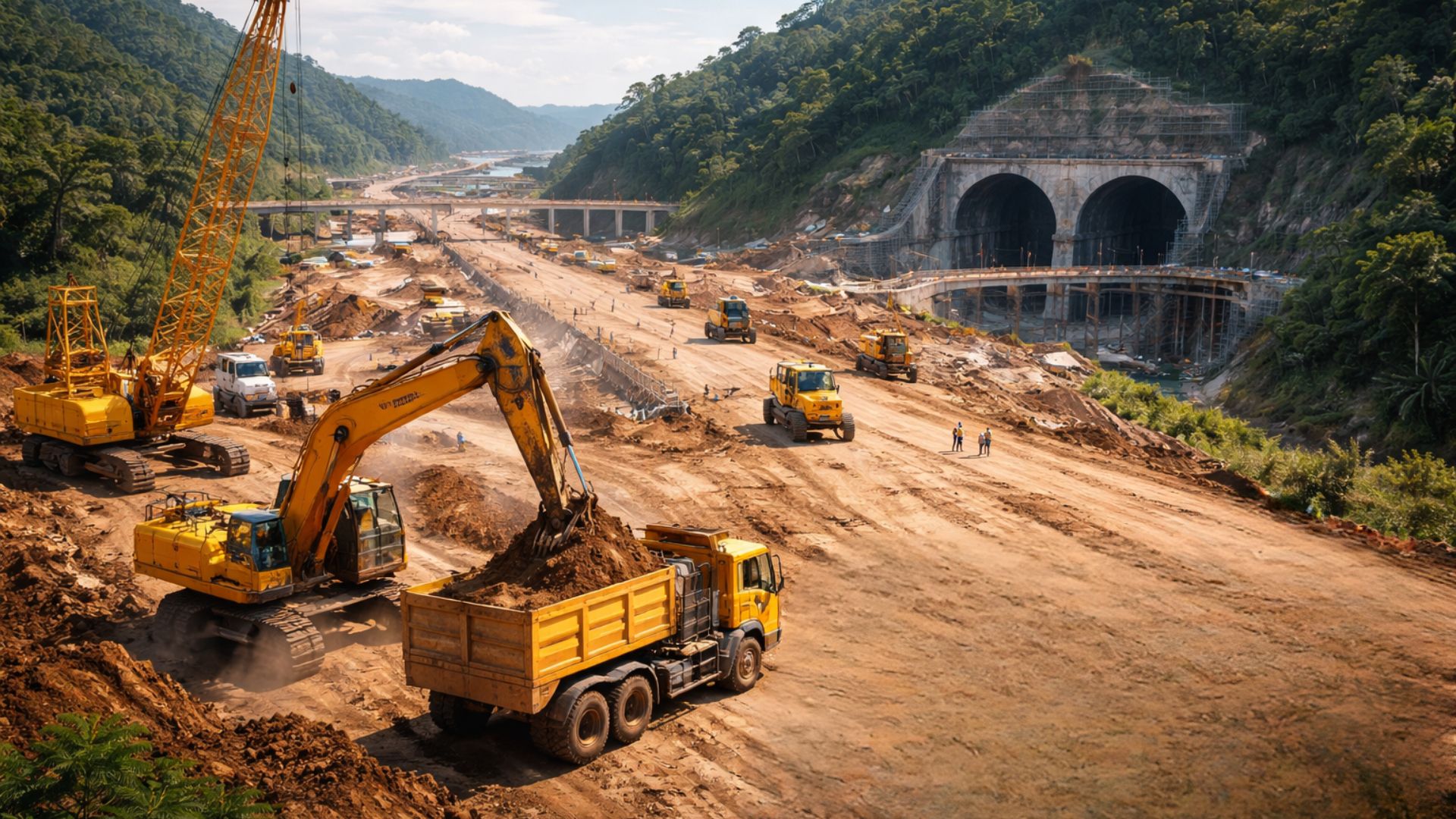
Via Mar Advances Behind the Scenes with Lot Project, Promise to Alleviate BR-101 and Toll Model via PPP, While Santa Catarina Designs a New Corridor of 145 Km Between Joinville and Florianópolis, Including a Double Tunnel of 1.2 Km and Projected Speed of Up to 120 Km/h.
The future Via Mar, planned by the government of Santa Catarina as an alternative to BR-101 on the North Coast, foresees 145 kilometers of highway between Joinville and the Greater Florianópolis Ring Road, with projected speed of up to 120 km/h and estimated investment between R$ 7.5 billion and R$ 9.2 billion.
By betting on this new corridor, the state management aims to reduce travel times that, on days of heavy traffic on BR-101, can take up to three hours, leading to around 60 minutes on specific stretches, depending on traffic flow and the points of origin and destination.
BR-101 at the Limit and the Bet on a Parallel Route on the North Coast
Under pressure from recurring queues, especially during peak tourist seasons, Via Mar was designed to offer a parallel route to the main roadway axis of the state, which concentrates local traffic, cargo transport, and through traffic on the same path.
-
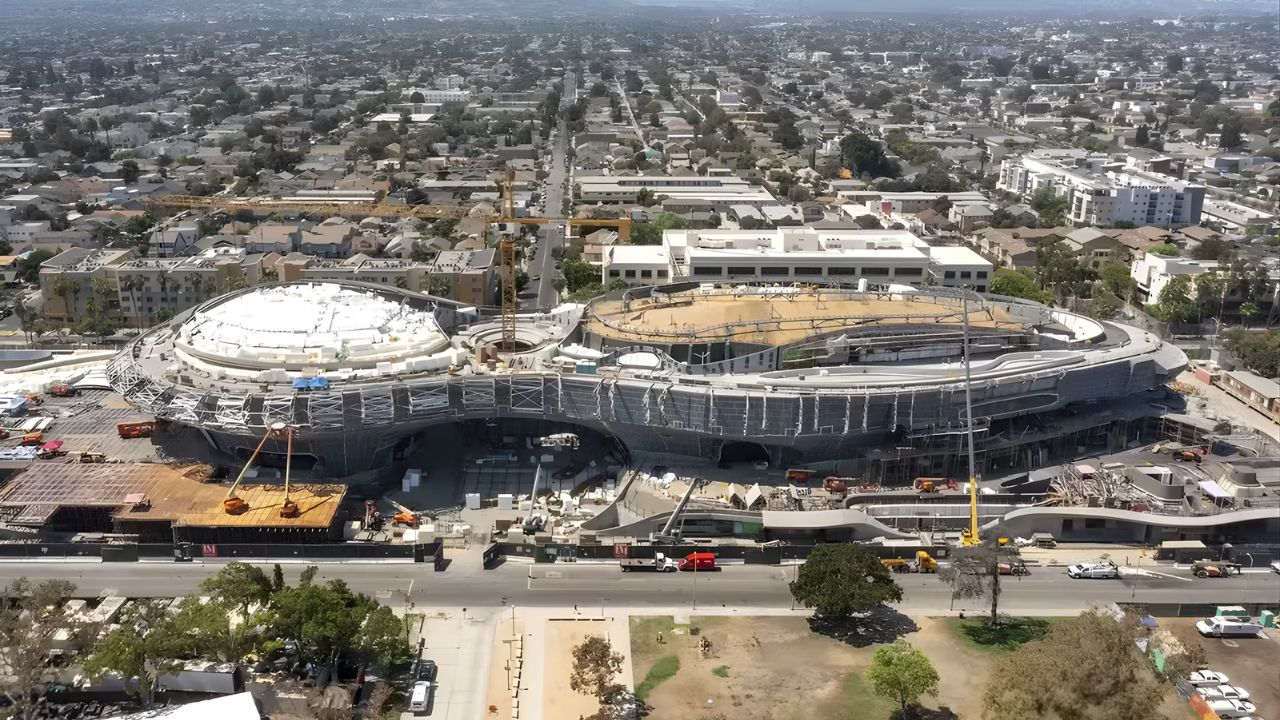
Created by George Lucas with over $1 billion, a futuristic museum in the shape of a spaceship with 1,500 curved panels is about to open in Los Angeles and will house one of the largest private collections of narrative art in the world.
-
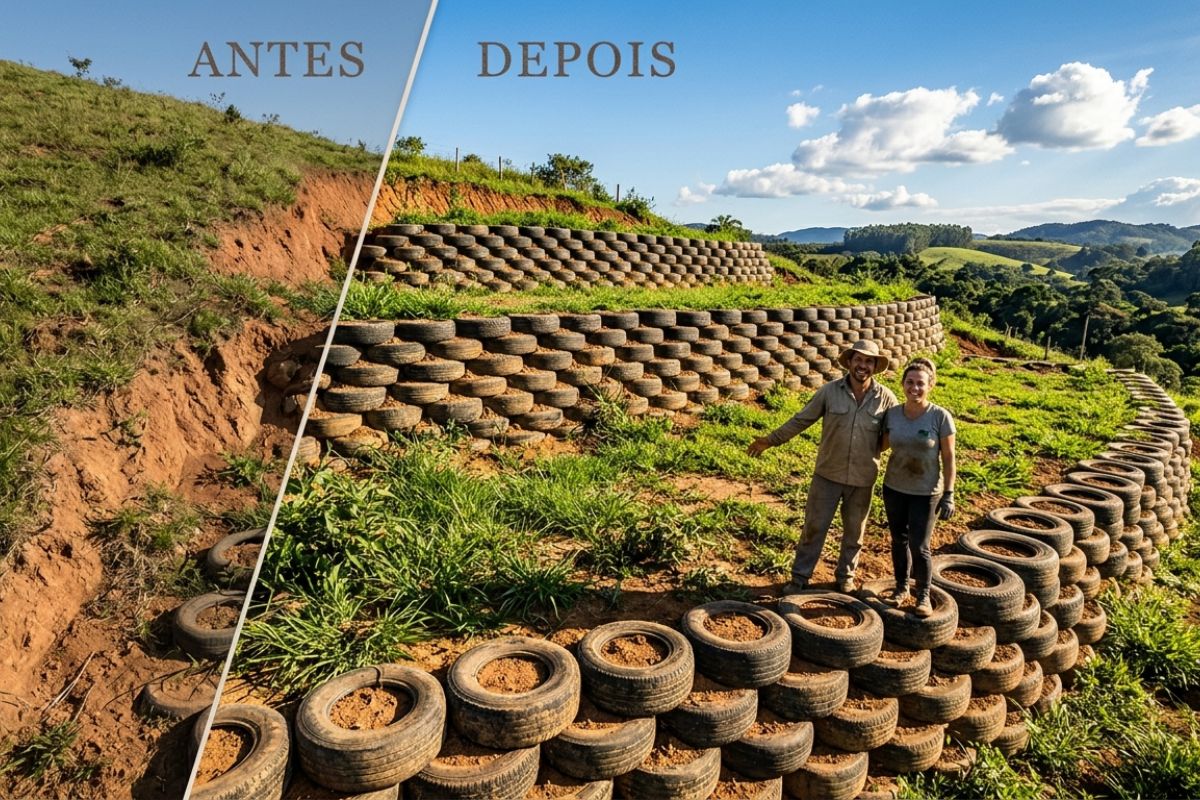
Couple shows how they built a retaining wall on their property using 400 old tires: sloped land turned into plateaus, tires are aligned, filled, and compacted with layers of soil, with grass helping in support and at almost zero cost.
-
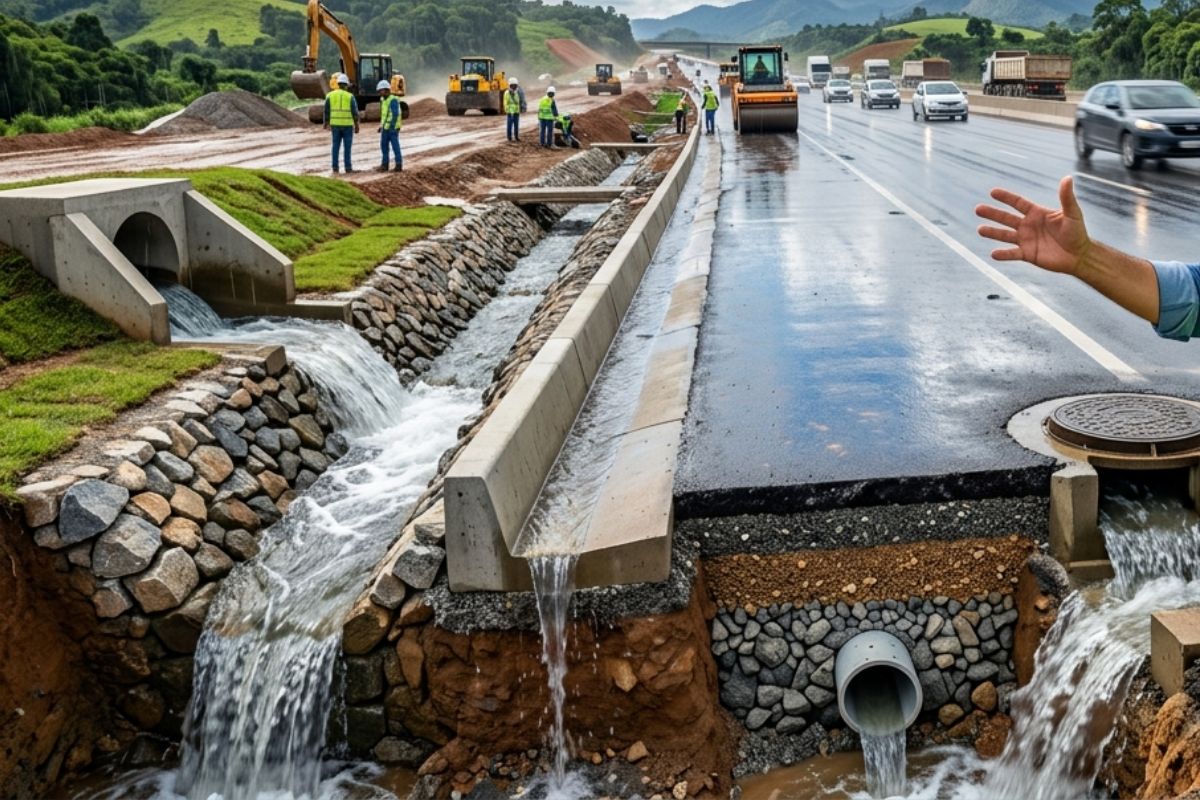
Engineer explains drainage during the rainy season: the difference between surface water and deep water, ditches, gutters, and water outlets on the road, as well as drains and drainage mattresses, to prevent erosion, aquaplaning, and flooding at the construction site today.
-
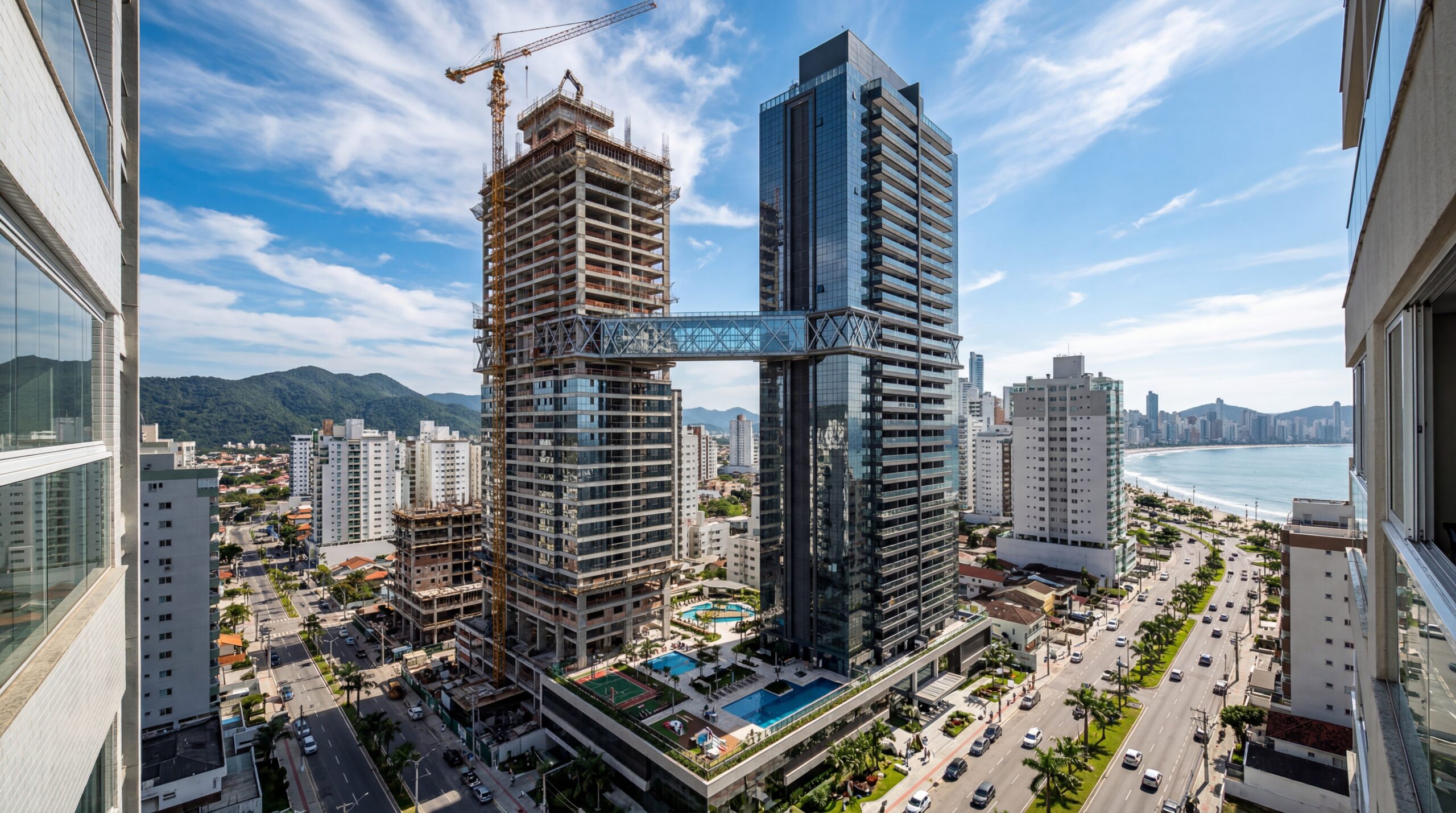
With 55 floors, 177 meters in height, a 15-meter walkway between the twin towers, ventilated facade, and 6,300 m² of leisure space, Ápice Towers already has one tower completed and another nearly at the top.

In addition to the impact on daily mobility, the project is presented by the government as a logistical piece for industrial drainage and for access to economic hubs in Northern Santa Catarina, reducing dependence on a single corridor and expanding regional highway capacity.
Route of Via Mar, Expected Capacity, and Main Structures
In the modeling released so far, the road connects Joinville to the Greater Florianópolis Ring Road, running along the North Coast, with an expectation of three lanes in each direction in parts of the route, a configuration mentioned in reports about the project.
One of the most sensitive structures in the package is the double tunnel of 1.2 kilometers expected in Itapema, included in the lot that encompasses the section between Itajaí and the capital’s ring road, described as the segment of greatest complexity.
Although complete detailing depends on the conclusion of the executive projects, the proposal presented by the state divides the undertaking into five lots, with service orders signed for four of them, a step that paved the way for the engineering phase.
Executive Projects in Five Lots and the Most Advanced Section
The government of Santa Catarina indicates that the executive projects are still being developed, with parts at different levels of progress, and the lot considered most mature to kick off first has been associated with the section connecting areas of Luiz Alves and Navegantes to Itajaí.
In this segment, local reports estimate a cost in the ballpark of R$ 2 billion for the first segment, a figure that serves as a preliminary reference linked to the size of the interventions, still without confirmation of a definitive schedule for the launch of the bid.

In parallel, a relevant front is in Joinville, where the lot designed to connect BRs 101 and 280 through the West region of the municipality appears with a significant portion of the engineering project underway and a completion projected for the second semester.
PPP, Toll, and the Billion-Dollar Investment in the State Highway
To enable the project, the strategy presented is the public-private partnership (PPP), with the state assuming studies and projects and the private sector responsible for execution and operation, including the installation of toll plazas along the highway.
The Via Mar is also described as the first state highway in Santa Catarina to charge tolls, a milestone that requires modeling for concessions, contractual guarantees, and oversight structures, in addition to compatibility with licensing and expropriations.
In the estimated range of R$ 7.5 billion to R$ 9.2 billion for the investment, variations in the tracing, special works of art, and engineering conditions weigh on the budget, with part of the debate focused precisely on segments that require more complex interventions.
Notice, Bidding, and Timelines Under Adjustment in the Concession Modeling
The public signaling around the notice indicates an attempt to accelerate the start, with mentions of a launch in March in some publications and, in others, the absence of a fixed deadline, due to the completion of projects and the bidding model.

At the same time, projections released in the press indicate that the start of works, in the scenario presented by the government, would not be immediate in all lots and could extend according to licenses, hiring, and the order of priority defined by the state.
Joinville, Connection with BR-280, and Link to the Industrial District
In Northern Santa Catarina, Via Mar is described as a connection capable of creating a route linking BR-101 and BR-280, with the potential to facilitate access to the industrial district and to distribute part of the flow currently concentrated in saturated stretches.
The forecast presented for this lot mentions 27 kilometers in the surroundings of Joinville, coordinating local and regional displacements, while the project seeks to operate as a parallel alternative to BR-101 and state highways that already absorb connection traffic.
Even with promises of time savings, the materials and reports themselves emphasize that the reduction to 60 minutes depends on the analyzed stretch and traffic conditions, as the impact varies according to vehicle volume, access points, and connection points.
In practice, the advancement to the construction phase tends to depend on the completion of executive projects, the structuring of the concession model, and the definition of the initial lot, decisions that influence costs, timelines, and the design of tolls along the corridor.





-

-

7 pessoas reagiram a isso.