





 Portuguese
  English
  Spanish
 4 min of reading
  0 comments


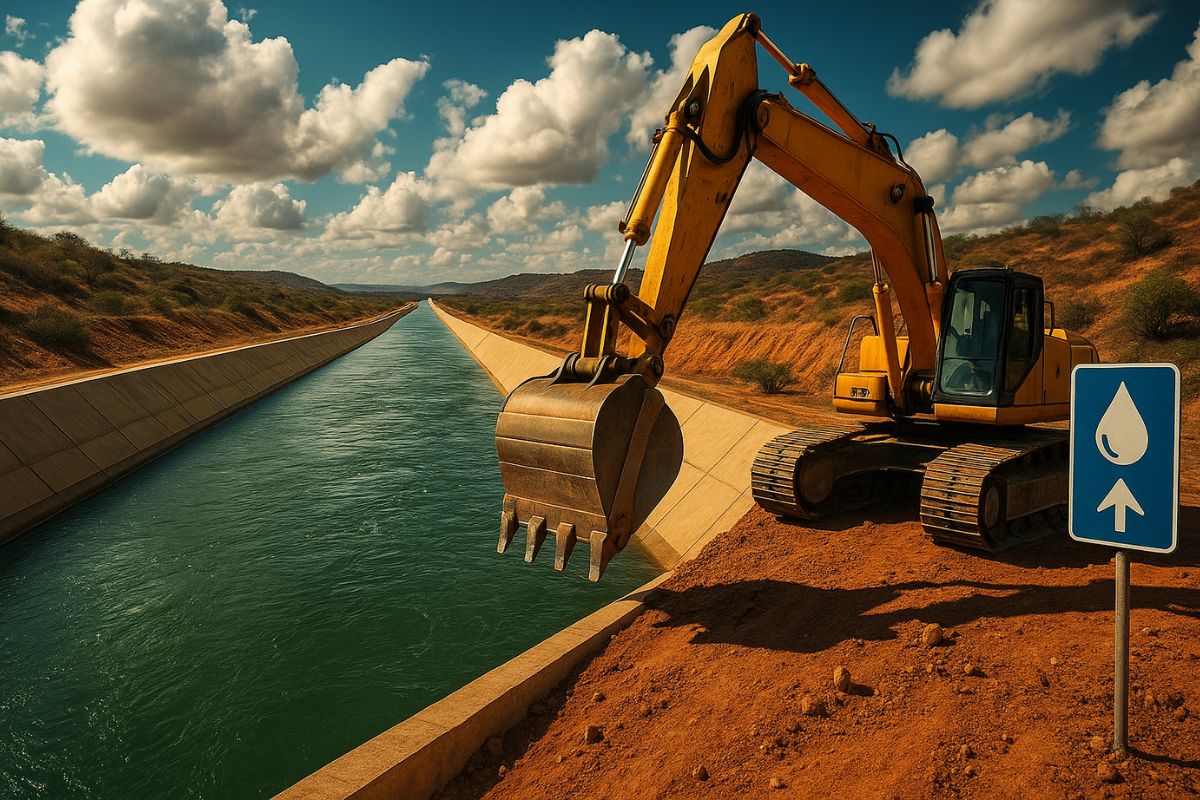
The Alagoas Sertão Canal totals 250 km planned, has already surpassed R$ 1 billion in investments and aims to supply 42 municipalities with water from the São Francisco River, boosting human consumption and irrigation
The Alagoas Sertão Canal is one of the largest waterworks in the Northeast and was designed to change the routine of the arid region of Alagoas. The structure captures water from the São Francisco River at the Moxotó reservoir and conducts it through a corridor of canals for human consumption and agricultural production in a region historically marked by drought.
With 250 km of total planned length, the project advances in segments and has already totaled over R$ 1 billion in funding. The official goal is to reach 42 cities served by 2026, enhancing water security, productivity in the field, and local income. In a state with strong water pressure, the canal acts as a safety net against drought.
What Is the Canal and How Does It Work
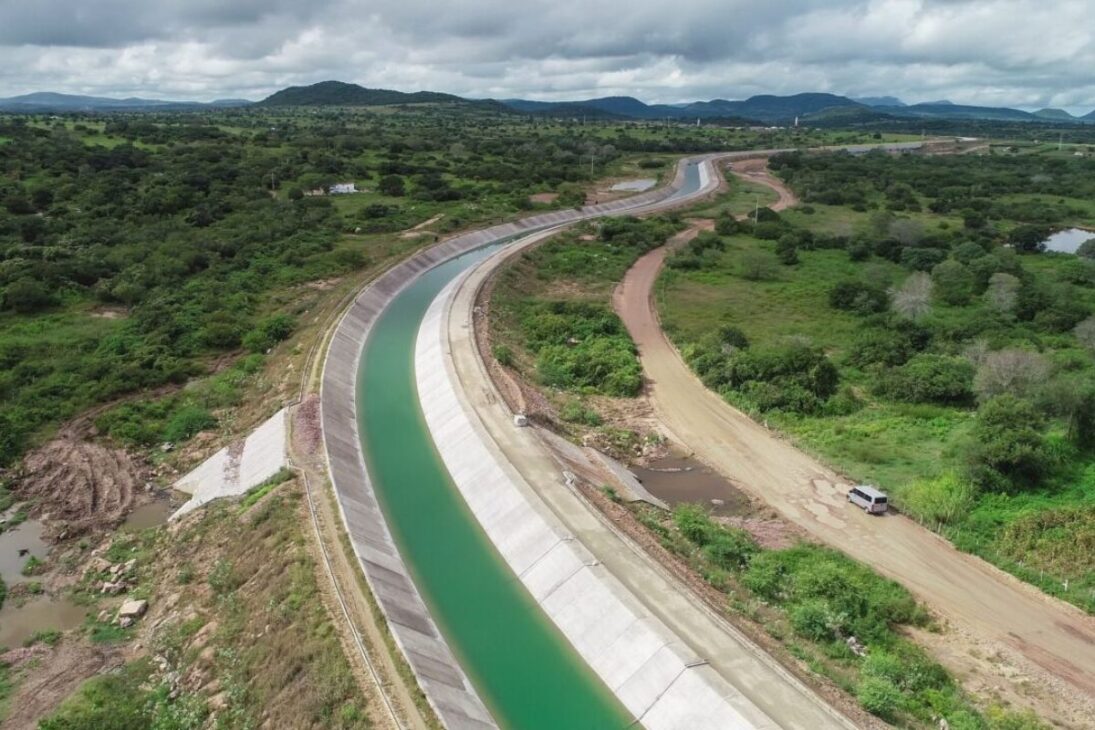
The Alagoas Sertão Canal captures water from the São Francisco River at the Moxotó Hydroelectric Plant and distributes the resource through excavated canals and control structures.
-
With a lifespan of up to 60 years and a cost up to 30% higher than conventional concrete, self-healing concrete is already being used in Brazil to eliminate leaks, reduce maintenance, and is changing the real cost of construction projects.

-
Engineered wood CLT challenges steel and concrete and promises construction that is up to 2x faster with a lower environmental impact in modern civil engineering.

-
Video: Retiree builds 26-meter Roman castle in his backyard with pieces from dozens of countries, ornamental grates from Libya, and a dragon made of recycled metal.

-
Bricks made with recycled Styrofoam and cassava glue cost R$ 0.40 and insulate walls, reducing internal temperature by 6°C using a technique that produces 50 units with just one 50 kg bag of cement.


The central idea is simple and powerful: bring water where it does not arrive regularly, reducing dependence on truck deliveries and intermittent wells.
The completed sections follow similar physical standards, with an average width of 15 meters and a depth close to 3 meters, in addition to water intake devices for communities and irrigation projects.
The more branches and delivery points operating, the greater the social and productive reach of the system.
Size, Schedule, and Goals
The complete project envisions 250 km divided into phases.
In 2015, Segment III was delivered, with 28.2 km, and by 2024, the axis had exceeded 123 km completed, with accelerated work between km 123.4 and 150.
The goal is to reach 42 municipalities by 2026, prioritizing Sertão and Agreste.
The expansion occurs through construction and operation milestones: completion of segments, interconnections, and opening of new delivery points.
Each kilometer that comes into service increases the number of families supplied and the irrigable area.
Who Benefits and How
The first impact is human: over 1 million people are within the estimated influence radius of the canal.
Regular water at home improves public health, frees up family time, and reduces municipal costs with emergency water supply.
In the fields, the economic effect is: producers can plant even during drought, plan harvests, and access markets.
Irrigation is the multiplier. In 2024, 9,500 hectares in the influence area were qualified for PPI projects, while the state allocated R$ 20 million in 2025 for irrigation linked to the canal.
When water is predictable, producers invest in technology, increasing productivity and income.
How Much It Costs and Who Pays
The venture has already surpassed R$ 1 billion in investments accounting for previous phases and new stages.
In 2024, over R$ 500 million were authorized for Segment 5, including R$ 565 million released to accelerate construction.
The funds come from the Federal Government and the Government of Alagoas, with the project included in the PAC.
In addition to construction capex, there are recurring costs: operation, maintenance, energy, and management of local demands.
Planning the financial sustainability of the system is as important as completing the kilometers of canal.
How Water Reaches Houses and Farms
Water travels along the main axis and goes to diversion stations, which feed urban pipelines and irrigated projects.
For the benefit to reach the end-user, it is necessary to integrate the canal with treatment stations, reservoirs, and municipal networks. Without this fine mesh, water comes close but does not reach the faucet.
In agriculture, municipalities and cooperatives organize irrigable plots with usage criteria, measurement, and billing.
Local governance defines who receives, how much they receive, and how they pay, ensuring continuous operation and reducing losses.
Bottlenecks and Risks That Need Attention
There are some critical points for success by 2026:
Municipal connections are still missing or undersized. Without pipelines, water treatment stations, and reservoirs, the social reach remains limited.
Losses and leaks in both new and old sections. Monitoring and preventive maintenance preserve flow and budget.
Budget regularity to complete construction and operate the system. Work stoppages raise costs and delay benefits.
Management of conflicting uses between human consumption and irrigation. Clear rules prevent disputes during scarcity periods.
What Changes with Completion by 2026
If the schedule is met, 42 cities will have a reliable source from the São Francisco. This means fewer collapses due to drought, more perennial crops, and more jobs.
In the medium term, the trend is reduction of costs with water emergencies, greater food security, and attraction of agro-industries for local processing.
When water arrives on time, the local economy shifts to a higher level. The challenge is to transform the kilometers of concrete into continuous service for the population and productivity for the fields.








Seja o primeiro a reagir!