





 Portuguese
  English
  Spanish
 5 min of reading
  55 comments


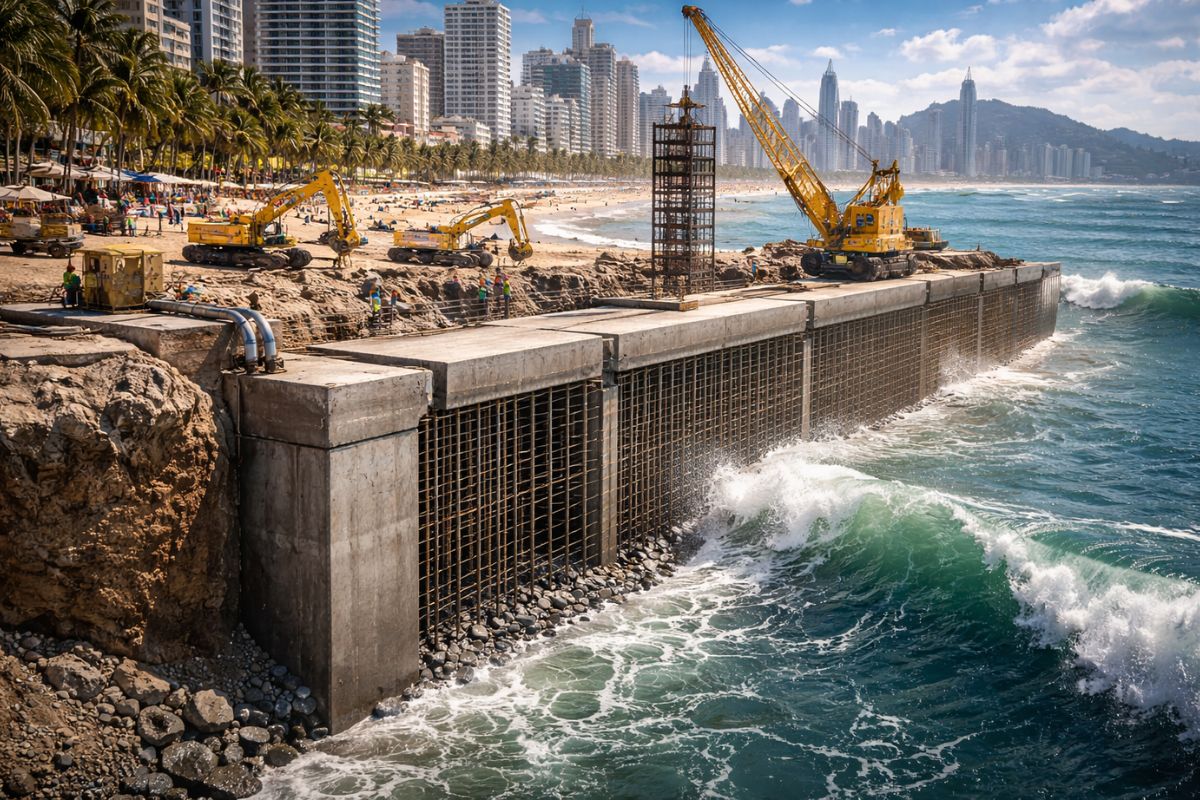


Balneário Camboriú Wall Becomes Silent Test: City Hall Cites Sea Advance at Central Beach, Talks About Erosion and Drainage, But the 6,000-Meter Subterranean Detail, Cost, and Deadline Expose Who Pays, Who Wins Now, and Why
The City Hall of Balneário Camboriú has started the construction of a wall underground at Central Beach with a direct goal: to reduce the impact of the sea advance on the sandy strip and on the beach infrastructure. The project foresees 6,000 meters in length and an estimated budget of R$ 31 million, including materials and labor.
In practice, the work relies on coastal engineering and urban drainage at the same time. The most expensive city in Brazil, which leads the ranking of average square meter prices according to a FipeZAP survey, is trying to respond to an increase in flooding after the sand widening, without admitting that the solution could change the behavior of the coast and redistribute risks.
What Is Being Built Under Central Beach

The wall described by the city hall is a subterranean containment element, installed between the sandy strip and the beach, with a depth of 2 meters and an underlying slab of 2 meters in width.
-
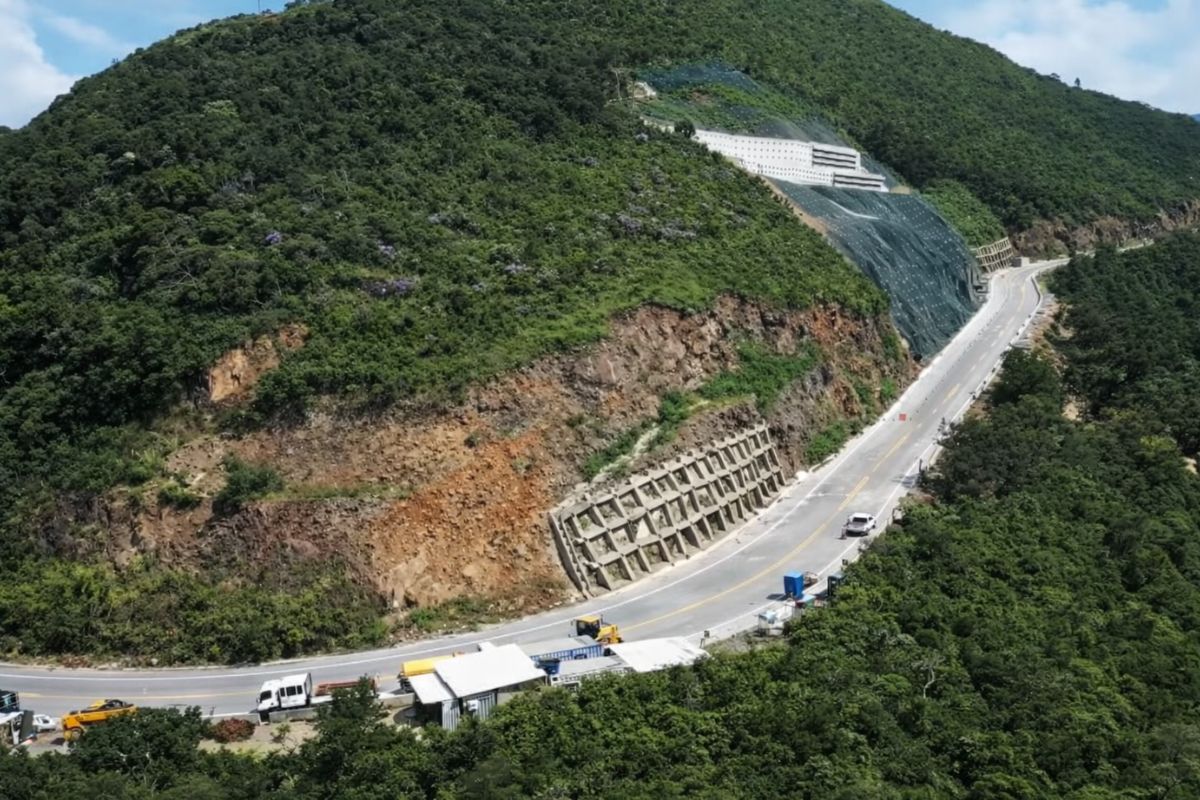
The section of Serra da Rocinha on BR-285 is now open in Timbé do Sul: 50 m tensioned curtains and top-down technique stabilize the slope, with a stairway duct controlling the water.
-
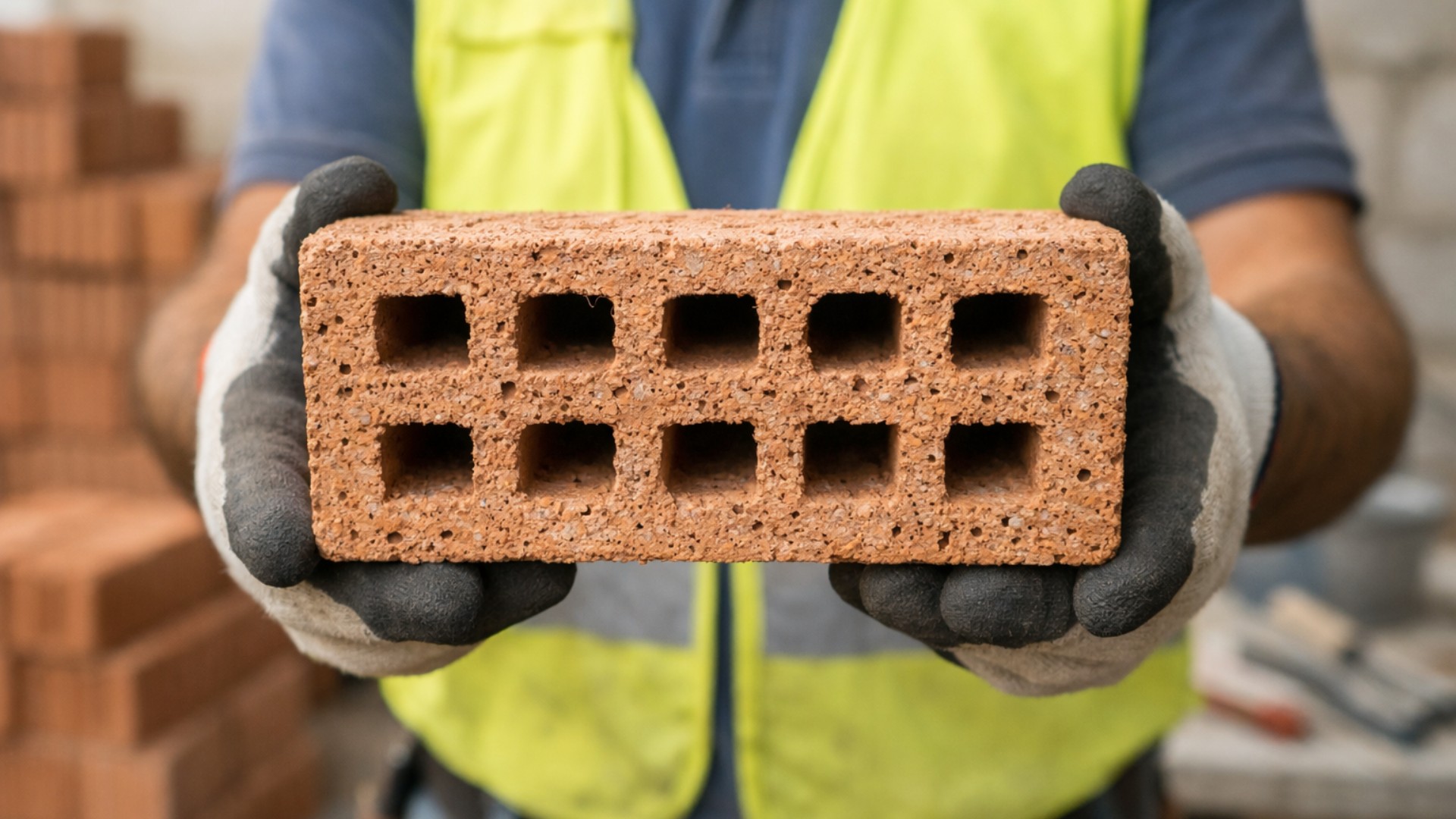
Scientists use sawdust mixed with clay to create a lighter brick, promising efficient thermal insulation and impressing by transforming waste into a solution for construction.
-
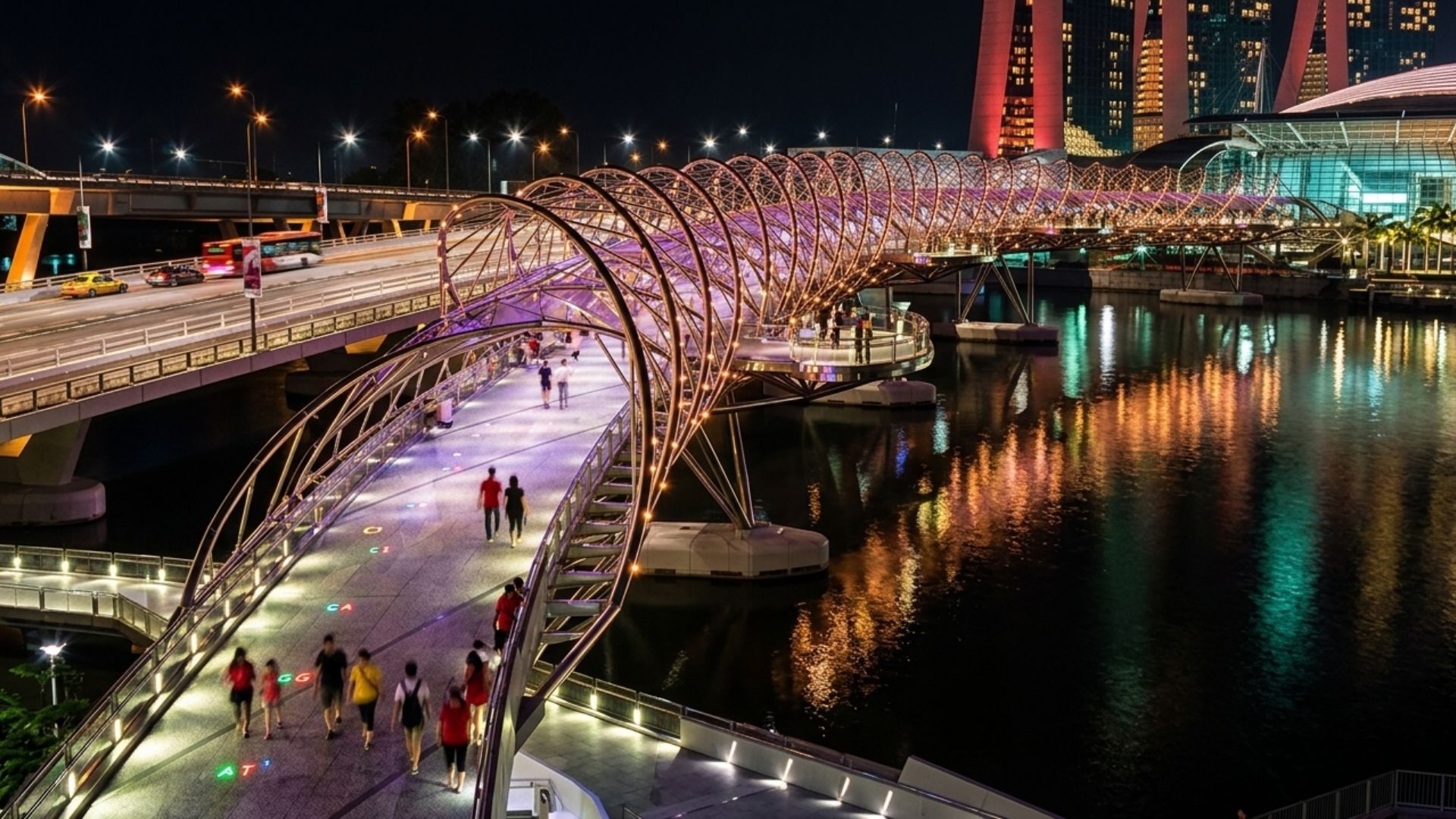
With a DNA shape, this bridge in Singapore draws attention in modern architecture and surprises tourists by transforming a simple crossing into an unforgettable visual experience in the urban heart.
-
Giant underwater pipeline begins to take shape with a R$ 134.7 million project at the Port of Santos: the 1.7 km structure uses 12-meter and 700 mm pipes to supply water to 450,000 people in Guarujá.
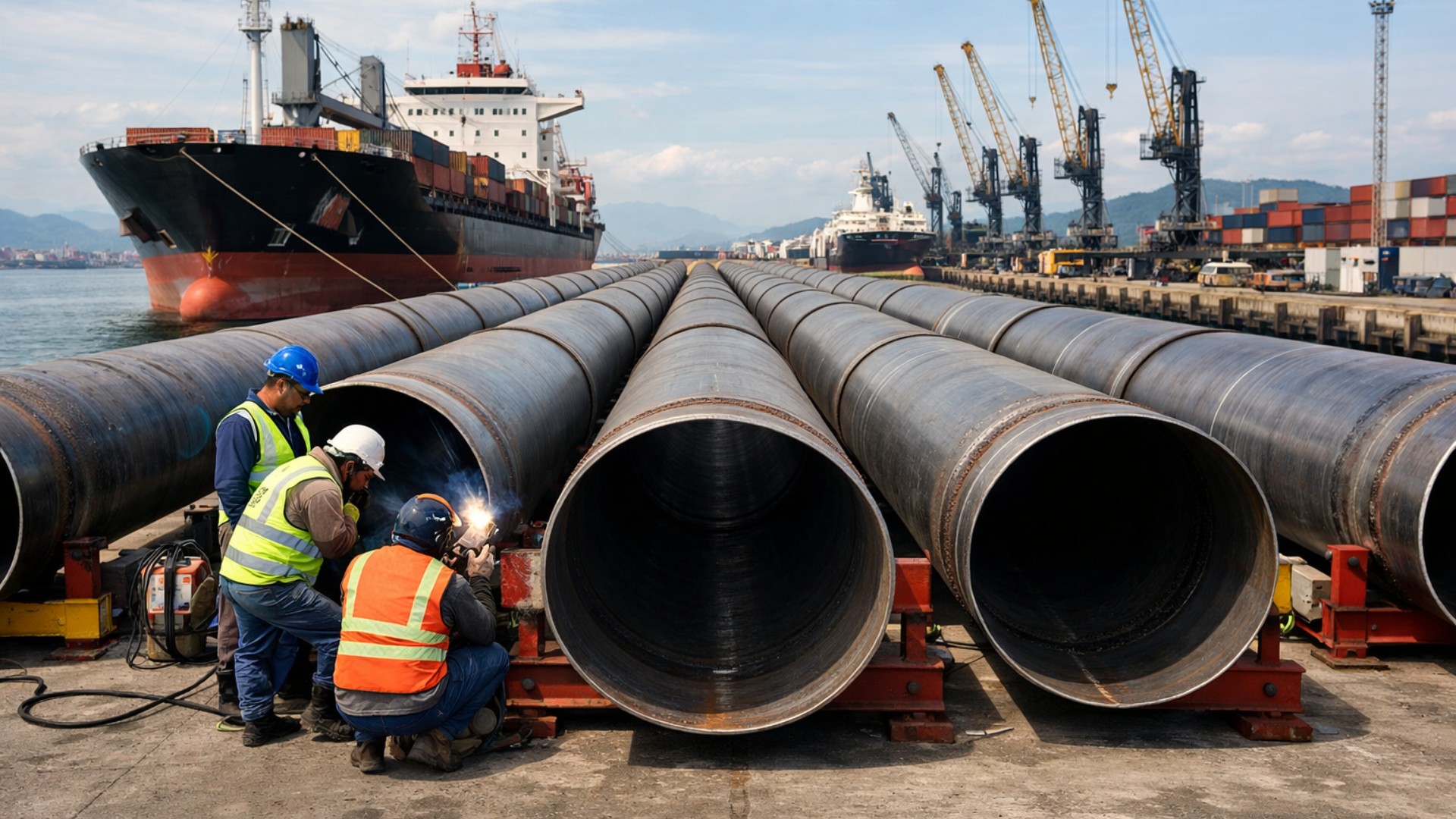

Instead of appearing as a visible barrier, the wall operates below the level where water circulates and where sand is reorganized, aiming to stabilize the section and reduce erosion associated with storm surges and higher tides.
From an operational standpoint, the promise is twofold.
The wall aims to limit the migration of sediments and the loss of sand due to erosive processes, while creating an additional defense for urban structures, including sidewalks, roads, and access points.
When the wall is underground, it does not resolve wave energy, but it can change the pathways through which water infiltrates and where sand shifts.
Why the Sea Advance Became Urgent in Balneário Camboriú

Balneário Camboriú experiences a typical paradox in highly valued coastal areas: the more the beach concentrates properties, commerce, and circulation, the less tolerance there is for interruptions due to flooding and beach instability.
The city hall associates the decision with the sea advance and erosion, but the immediate trigger reported is the increase in the frequency of flooding in the coastal area.
This situation gained weight after the widening of the sandy strip, which brought Central Beach to about 70 meters in width.
The widening improves the usable area for swimming and leisure, but it requires that drainage, runoff, and sediment dynamics be recalibrated.
In cities like Balneário Camboriú, an intervention on the sand changes the path of rainwater and alters where the energy of the waves meets the beach.
The Invisible Detail Between Drainage and Erosion
The city hall had already executed a macrod rainage project budgeted at R$ 53 million, but the local assessment is that the result was not as expected.
The new strategy combines the logic of drainage with a physical barrier that attempts to control the sea advance from below, as if the beach were gaining a second line of defense.
This is the point where the invisible detail decides everything: the interface between water, sand, and buried structures.
If the wall is implemented without integration with drainage and without controlling the water exit points, it may only displace the problem, concentrating pressure on neighboring sections.
In coastal engineering, controlling erosion is as important as preventing transferred erosion, when the impact shows up blocks away and not at the construction site.
How Much It Costs, Who Pays, and Who Is Left Out
The estimated cost of R$ 31 million is public, and the projected timeline is up to 20 months for the total delivery of the wall.
In terms of urban policy, this means that the city is putting tax money into infrastructure that protects highly valued private assets, in a seaside area where the average price of the square meter was cited at R$ 14,906 in the aforementioned survey.
The tension lies not only in the value but in the distribution of benefit and risk.
The wall protects Central Beach, where the density of buildings and services is higher, while other beaches and neighborhoods may continue to depend on simpler solutions, like drainage maintenance, cleaning of storm drains, and targeted interventions.
When the priority becomes the more expensive seaside, the technical question blends with the social question: which areas enter the protection map and which are left for later.
What Defines Whether the Wall Becomes a Solution or Another Cycle of Construction
The effectiveness of the wall depends on variables that do not appear in construction site photos: regularity of maintenance, integration with existing drainage, and the response of the beach system after extreme events.
Even a well-executed barrier needs to deal with groundwater, infiltration, and how the sand reshapes the surface after storm surges.
The transparency of measurement also weighs in.
If the city hall does not publish simple indicators, such as the frequency of flooding at Central Beach, critical erosion points, and maintenance costs, the discussion becomes only perception.
Without monitoring, the wall may seem like a solution for a few months and turn into a question when the sea advance pressures the sandy strip again.
Balneário Camboriú chose an underground wall as a technical and political response to the sea advance at Central Beach, with the promise of reducing erosion and providing predictability to the seaside.
The design and cost make it clear that the city treats the beach as critical infrastructure, not just as a landscape, and is willing to pay for long-term defense.
The lingering question is how this model will be replicated, monitored, and compared with alternatives, especially after a recent cycle of sand widening and macrod rainage that did not deliver the expected effect.
If the wall works, it becomes a reference; if it fails, it becomes a warning about how coastal works can transfer risks instead of eliminating the problem.
In your view, should this type of work against the sea advance in Balneário Camboriú be a public priority, and which detail do you think determines the outcome: drainage, maintenance, or the wall itself?







Não se brinca com a natureza !!! Não investiria um centavo nesse lugar
Aposto que quem fez 9 projeto não entende nada de engenharia costeira. Mesmo sem ver o projeto, é conceito básico da faixa dinâmica da praia de move muito ao longo do ano, dependendo das ressacas. Se em algum momento uma ressaca ou uma sequência de ressaca, descobri parcialmente o muro, ele passa a jogar contra, refletindo a ondas e amplificando o efeito de erosão. Chance de dar errado e de 90%. Não vejo tb que o engordamento não tenha n sido satisfatório. Não vejo nenhuma evidencia disso. Isso todo soa mais como narrativa pra emplacar uma obra cara por interesses políticos
Eu acho que essas obras são assalto aos cofres publicos