





 Portuguese
  English
  Spanish
 5 min of reading
  3 comments


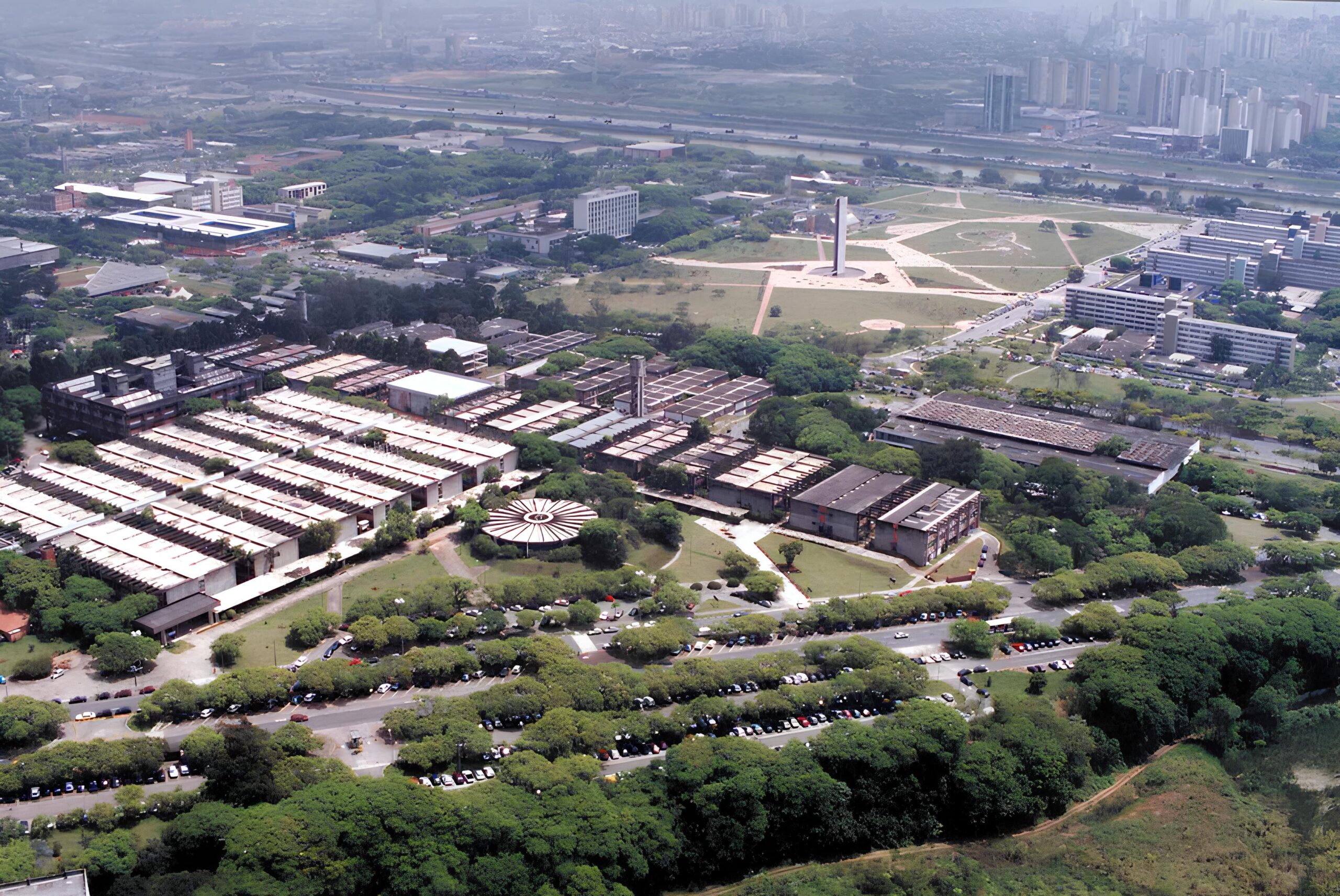


With 7.4 Million m², USP Is Larger Than The Vatican and Monaco Combined, Hosting 97 Thousand Students and Functioning as a City Within São Paulo.
Few people realize it, but within the city of São Paulo there exists a true hidden city under the name of university. With 7.4 million square meters of area, University of São Paulo (USP) is so large that it surpasses entire countries like the Vatican and the Principality of Monaco combined. Founded in 1934, USP is not only the largest higher education center in Brazil — it is a complete urban organism, with internal transport, hospitals, museums, banking agencies, restaurants, squares, and more than 97 thousand students moving around daily.
For many São Paulo residents, Cidade Universitária Armando de Salles Oliveira, in the Butantã neighborhood, is almost an autonomous territory within São Paulo — a space that pulses 24 hours a day with the movement of students, teachers, and researchers, housing one of the largest hospital and scientific complexes in Latin America.
A “Country” Within The City of São Paulo
The main campus of USP occupies an area of 7,443,770 square meters, equivalent to 7.44 km² — more than three times the size of Monaco (2.02 km²) and almost 17 times larger than the Vatican (0.44 km²).
-
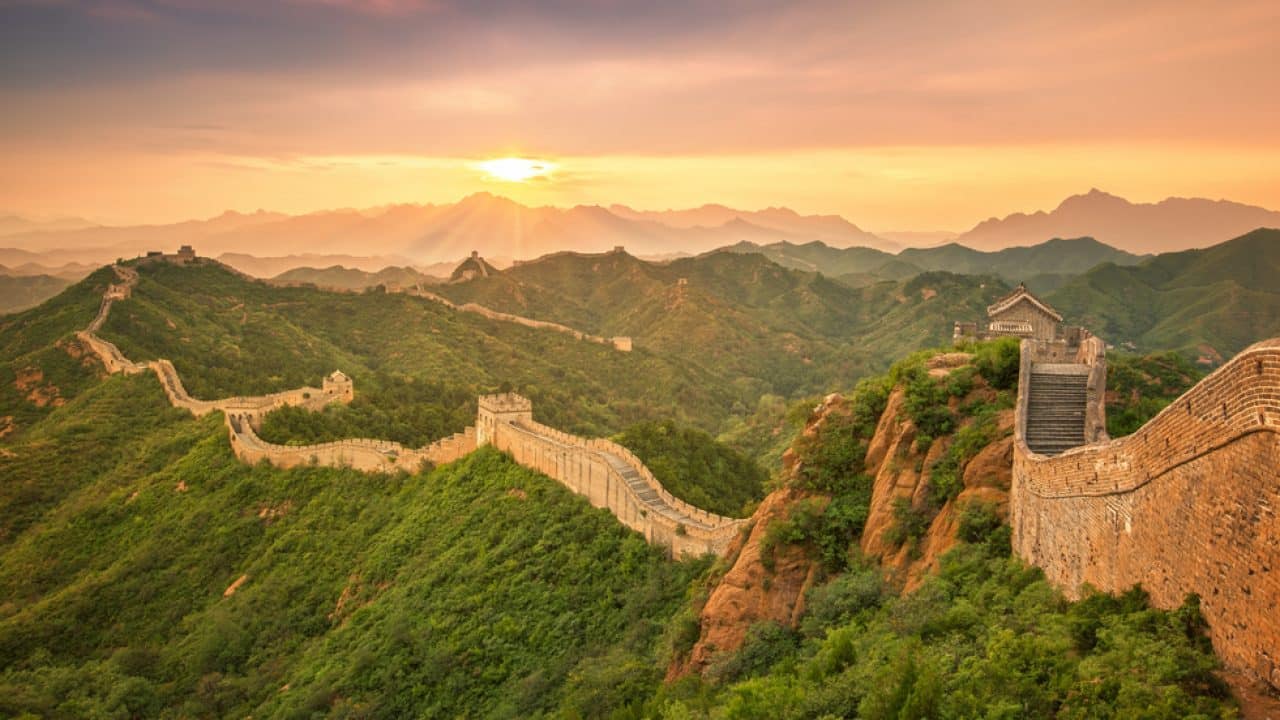
Why was the Great Wall of China built? The truth that many are unaware of!
-
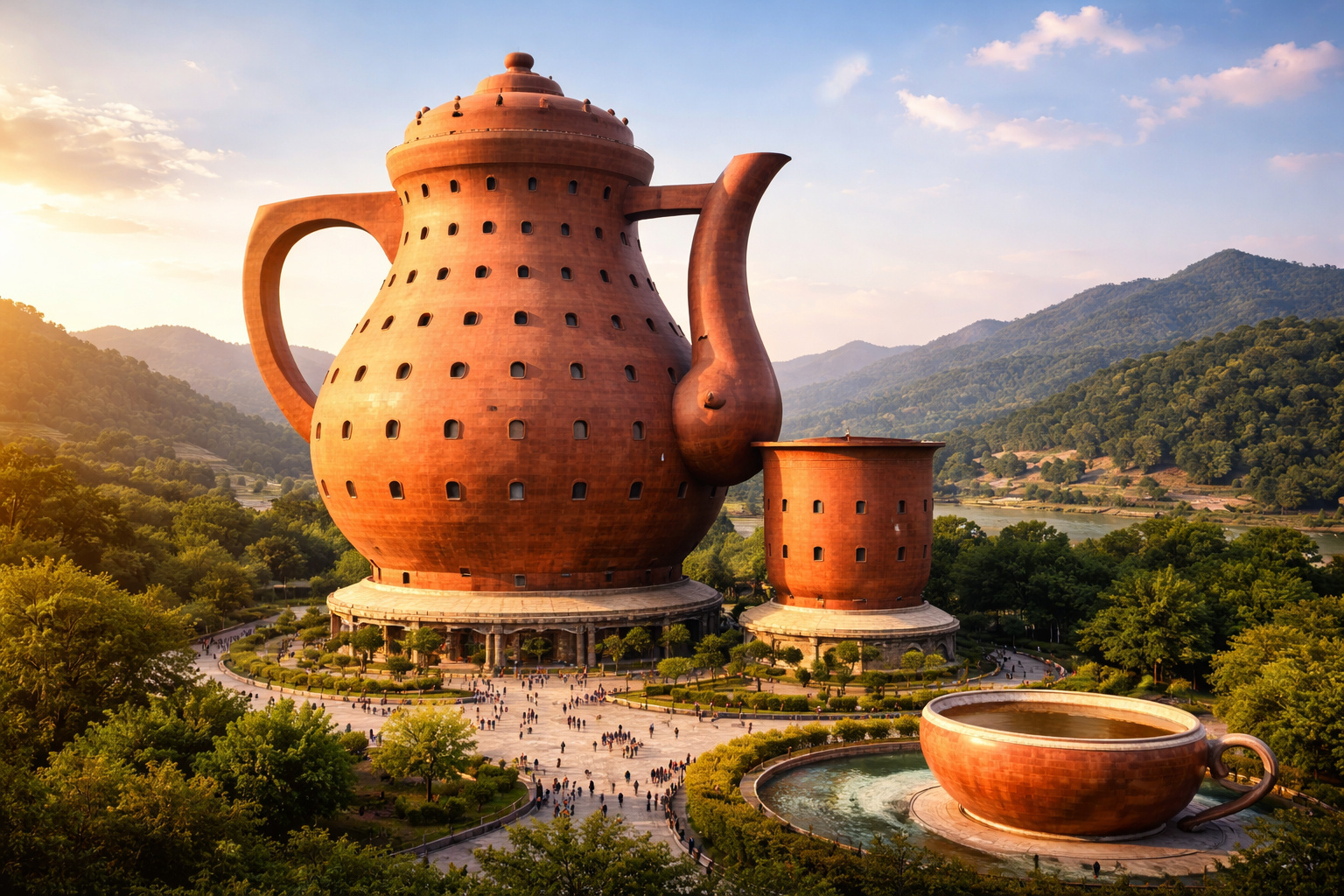
At 73.8 meters tall, the world’s tallest teapot-shaped building has 15 floors, ensures stability, and impresses with an internal space of 28,000 cubic meters.
-
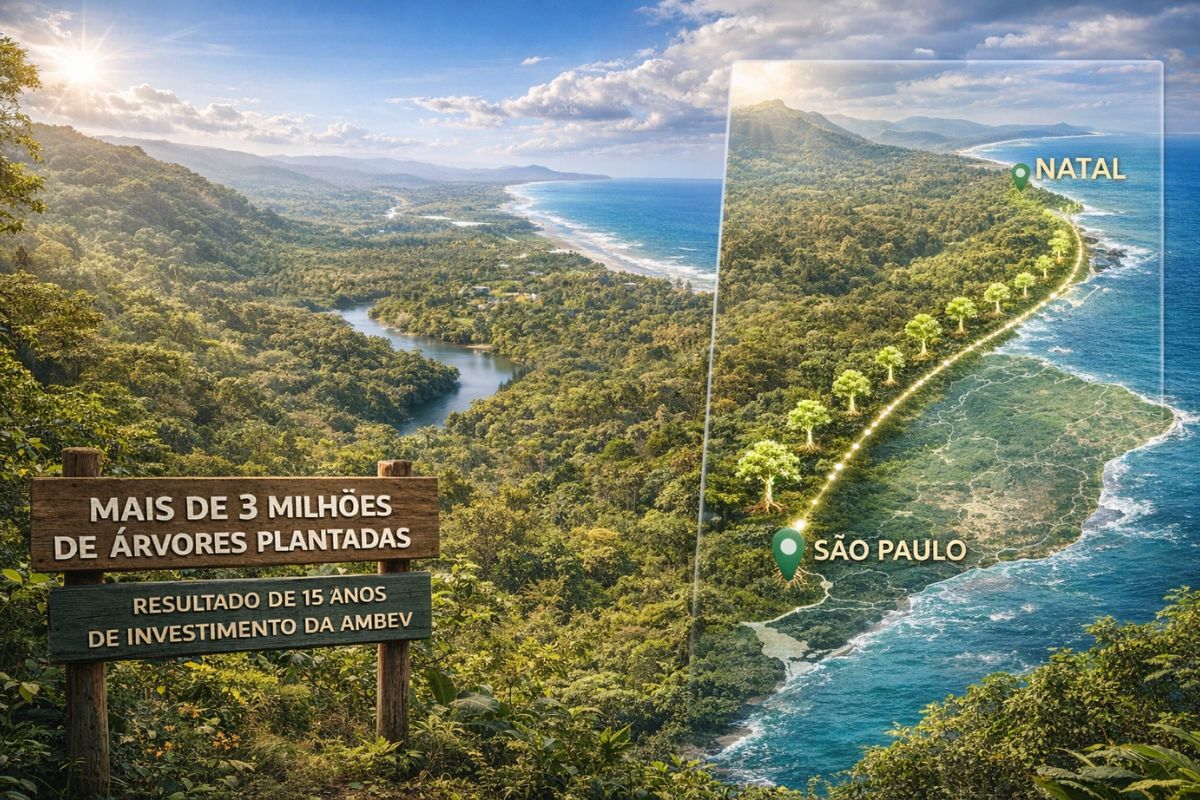
Ambev has planted over 3 million trees and restored an area equivalent to the coastline from São Paulo to Natal, and the result after 15 years of silent investment has finally appeared for all of Brazil to see.
-
A new AI collar technology for cattle eliminates physical fences, creates virtual barriers, monitors animals 24/7, and detects changes in behavior and health.


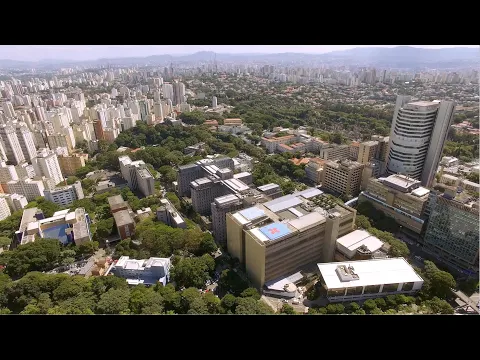

If it were a country, Cidade Universitária would have more inhabitants and area than some micro-nations recognized by the UN. Additionally, the internal urban infrastructure includes avenues, bike lanes, squares, circular bus lines, administrative buildings, sports centers, and even its own security and monitoring network.
On the urban map of the capital, USP stands out as one of the largest contiguous territorial blocks in the city — a vast green area between the Pinheiros River and the Rio Pequeno neighborhood, with an environmental and social impact that goes far beyond its borders.
History of The Largest University in Brazil
Founded in 1934, USP emerged from the merger of several higher education institutions in São Paulo, aiming to consolidate elite education and scientific research in a single center.
Inspired by integrated European university models, the institution was designed to unite technical, cultural, and scientific training in a spacious and self-sufficient physical space. Over time, it expanded into multiple campuses throughout the state — Ribeirão Preto, Piracicaba, São Carlos, Bauru, Lorena, Santos, and Pirassununga — but maintained its administrative and symbolic heart in São Paulo.
Today, USP is considered the best university in Latin America in various international rankings, such as the QS World University Rankings and Times Higher Education (THE).
Structure and Life Within The University City
With around 97 thousand students, 15 thousand staff, and thousands of daily visitors, the University City is a complete urban environment. It houses more than 700 buildings, including colleges, laboratories, research centers, student residences, and administrative bodies.
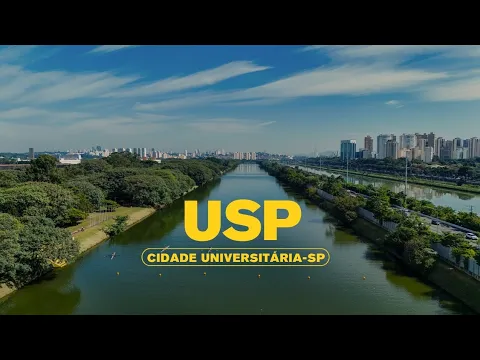
The infrastructure is worthy of a small city:
- Free internal transport: circular buses connect all colleges and institutes, functioning as an exclusive public transport system.
- Restaurants and food courts: the “bandejões” serve more than 20 thousand meals per day at symbolic prices.
- Bank branches and post offices: units of banks such as Banco do Brasil and Santander operate within the campus.
- Museums and cultural centers: the Museum of Archaeology and Ethnology, the Museum of Zoology, and the Museum of Contemporary Art are among the most renowned in the country.
- Hospitals and health centers: the University Hospital (HU) and the Hospital de Clínicas complex form a network of care linked to USP, with more than 2 thousand beds and 20 thousand healthcare professionals.
This infrastructure makes the campus self-sufficient, allowing students to spend entire days without needing to leave the University City.
Comparisons of Size: USP Versus The World
The size of USP is so impressive that it challenges urban imagination. In addition to being larger than the Vatican and Monaco, the campus has an area equivalent to an entire neighborhood in São Paulo, like Moema or Vila Mariana.
When compared to other universities, USP also stands out:
- It is twice the size of Harvard University in the United States (with 3.6 km²).
- It has an area similar to the University of Oxford in the United Kingdom, but with more academic buildings and a much higher population density.
- It is one of the few universities in the world with hospitals, museums, sports centers, and residential neighborhoods on the same territory.
The Scientific and Technological Heart of Brazil
More than an educational institution, USP is a hub of innovation and research that directly impacts the economy and science of the country.
According to data from CNPq and CAPES, more than 25% of Brazilian scientific production goes through research groups linked to USP. The university hosts more than 300 laboratories and is home to 20 cutting-edge institutes and colleges, including:
- Poli (School of Engineering): a reference in engineering in Latin America.
- FMUSP (School of Medicine): considered the best in South America.
- IME (Institute of Mathematics and Statistics): a center of excellence in technology and data.
- ECA (School of Communications and Arts): one of the most influential in the country in cultural training.
Additionally, USP is responsible for incubating startups and technology projects through the USP Scientific and Technological Park (Cietec), which hosts more than 200 innovative companies.
A Microcosm of Brazilian Society
Walking through the University City is like traversing a condensed portrait of Brazil: there are students from all states, of different social classes, accents, and life stories.
The presence of student scholarships, inclusion programs, and university accommodations has transformed USP into a showcase of Brazilian social diversity. It is common to find students who were the first in their families to enter higher education interacting with colleagues coming from private schools or other countries.
This human mosaic is part of the university’s identity — and also reinforces its social role: to train leaders, scientists, and professionals capable of thinking about Brazil in all its dimensions.
A City That Never Sleeps
During the day, thousands of students cross the internal avenues; at night, lights in laboratories and research centers remain on, with researchers working on scientific projects that could change the country.
Early in the morning, cyclists, athletes, and local residents enjoy the tree-lined paths. On weekends, families visit museums and cultural spaces, while university bands play in squares and sidewalks.
The University City is not just a campus — it is an urban organism that lives, breathes, and pulses like a metropolis within another metropolis.
The Legacy of a Power of Knowledge
With nearly 90 years of history, USP is the greatest symbol of public education excellence in Brazil. Its alumni are in all fields: from medicine to engineering, from politics to culture.
The university has produced dozens of ministers, internationally renowned researchers, and personalities who have shaped the history of the country.
And more than numbers or rankings, what keeps USP alive is the human impact: the power to transform lives, generate knowledge, and connect millions of Brazilians to science and quality education.






Acredito que houve uma falha na área apresentada. A área é de 3.700.000m2.
De onde vocês tiraram esse dado??? No site oficial da Prefeitura do Campus Capital-Butantã da USP consta que o Campus tem 4,7 milhões de m² e não 7,4 milhões.
Uma estrutura verdadeiramente imponente. Gostaria de explorar a Cidade Universitária pessoalmente algum dia. A matéria faz excelente uso de comparativas e de um marketing informacional adaptado à rápida leitura.