





 Português
  Inglês
  Espanhol
  6 min de leitura
  1 comentário





With Assembly in Up to 90 Days, Prefabricated Houses Spread Across Brazil, Making Home Ownership More Accessible Than Many BYD Electric Cars, Combining an Initial Price of R$ 55,000, Clean Construction, Speed, and Real Practicality for Families, Investors, Small Entrepreneurs, and Indebted Workers in Search of Safe Mobility
The prefabricated houses have ceased to be a TikTok curiosity and have become a real housing option in Brazil. In up to 90 days, a vacant lot can receive a compact house of 25 m² starting at R$ 55,000, with a ready structure, defined finish, and one detail that is hard to ignore: in many cases, it costs less than a BYD electric car.
In a market pressured by expensive properties, slow traditional construction, and increasingly costly materials, prefabricated houses meet the desires of those who want to own a home but can no longer handle a blown budget and endless construction. They are modules produced in a factory, delivered ready to the site, which reduces mess, bureaucracy, and waiting time. In practice, the promise is simple: three months of assembly and a key in hand for less than a brand new BYD Dolphin Mini.
What Are Prefabricated Houses and Why Have They Grown So Quickly?

The prefabricated houses are modern versions of modular or prefabricated homes.
-
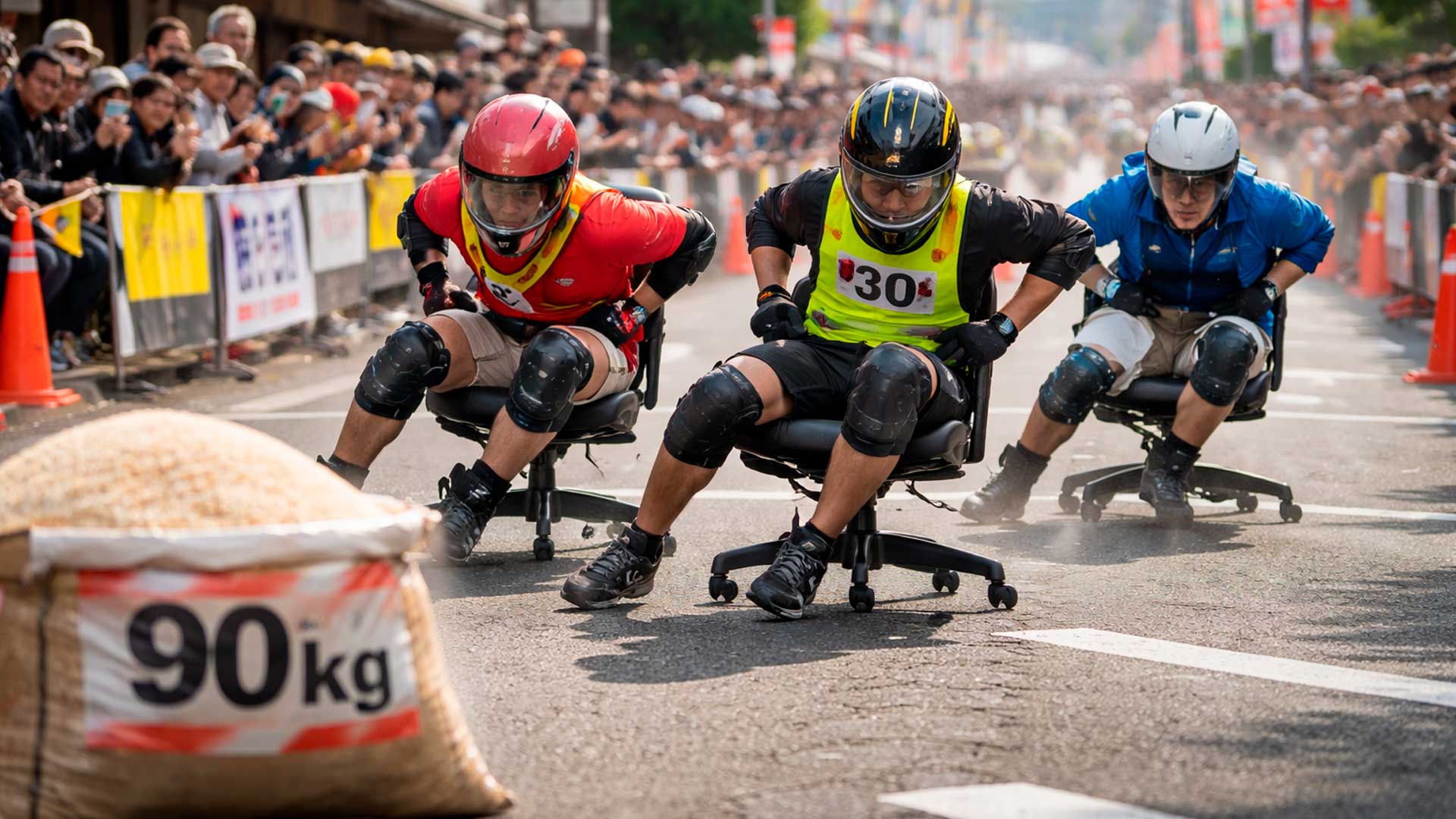
With an unusual prize, Japan transforms office chairs into a resistance race on the streets, ISU-1 Grand Prix grows, fills stages, and pays 90 kilograms of rice.
-
House in England with a 7.6-meter shark embedded in the roof attracts attention worldwide and becomes a curious attraction in Oxford.

-
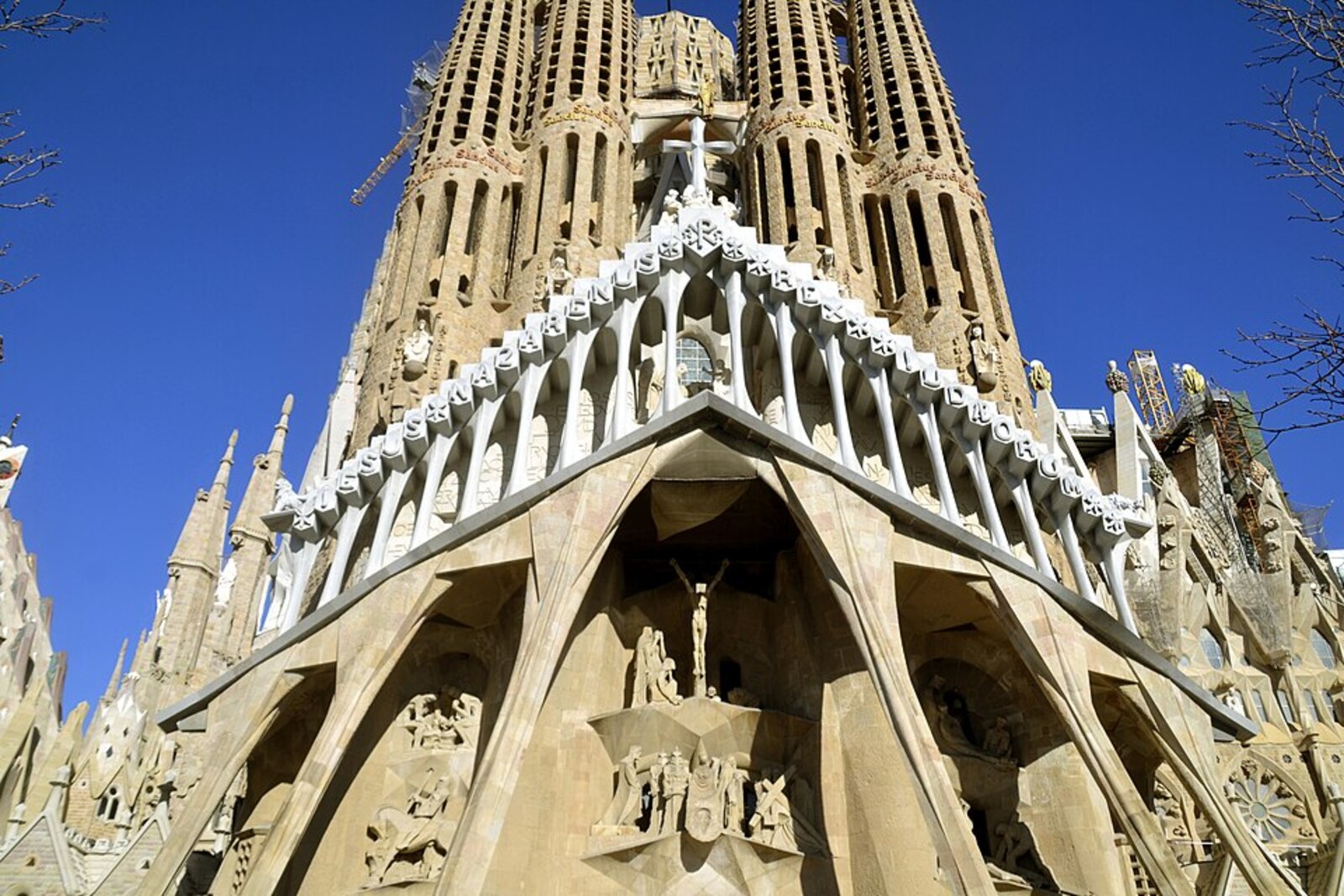
Masterpiece in Spain, under construction since 1882, receives 4.8 million visits in a year and impresses with its gigantism and architecture.
-
Attracting around 250,000 people a year, a lighthouse 200 meters from the sea, on a 60-meter high cliff, on the North Sea coast in Denmark, becomes one of the most impressive examples of how nature can threaten historical buildings.


Instead of building everything brick by brick, the structure is produced in an industrial environment, in stages, in modules.
These modules travel to the client’s lot and are assembled like carefully numbered puzzle pieces.
This format has narrowed the gap between concept and reality.
With quality control done in the factory, the prefabricated houses manage to maintain a more uniform standard of finishing, insulation, and structure.
While traditional construction suffers from material delays, rain, and improvisation on-site, modular assembly operates under a production line logic.
For those looking at the timeline, this difference means going from “whenever” to a deadline of up to 90 days with far fewer surprises.
How Much Do Prefabricated Houses Cost and How Do They Compare to a BYD Electric Car?
The question fueling the hype is straightforward: how much does a prefabricated house ready in up to 90 days cost?
According to market data cited in the sector, a compact model starts at around R$ 55,000, placing these units in the same range – or even below – an entry-level BYD electric car.
In practice, the pricing breakdown works more or less like this: a Compact house, with 25 m², falls in the range of R$ 55,000 to R$ 65,000 and can be assembled in up to 90 days.
A Family House model, with 40 m², ranges between R$ 70,000 and R$ 85,000, also with a timeline of about 90 days. Meanwhile, an Expanded House, with 60 m², comes in at R$ 100,000 to R$ 120,000, with assembly estimated between 90 and 120 days.
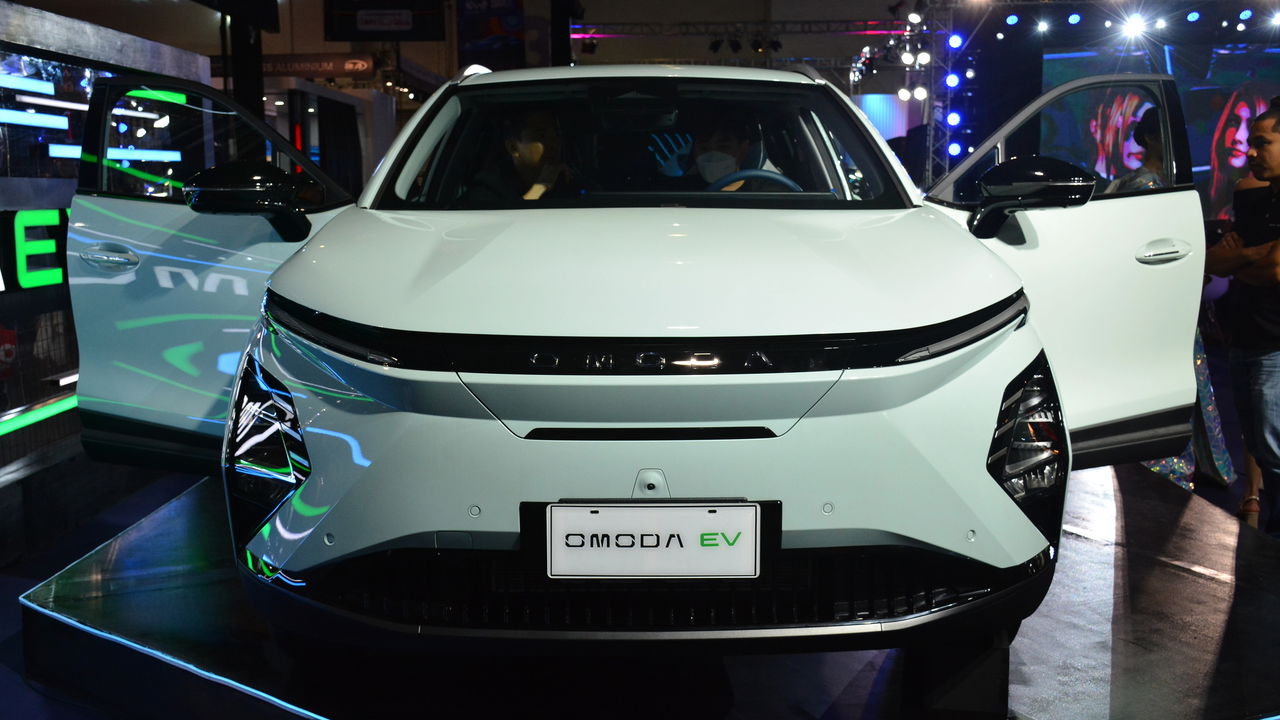
When consumers line up a Compact house and a BYD Dolphin Mini electric car on the same spreadsheet, the surprise comes quickly.
The BYD starts at around R$ 99,990 for PcD with exemption and can reach approximately R$ 119,990 depending on the version.
In other words, a 25 m² prefabricated house can cost practically half of a BYD electric car, with the difference being that, at the end of the day, it’s a roof over one’s head, not just a means of transportation.
Why Can Prefabricated Houses Be Cheaper Than Traditional Construction?
The cost secret of prefabricated houses isn’t about miracles, but processes.
Since much of the structure is produced in a factory, material waste decreases, rework lessens, and the use of labor on-site is significantly lower.
Less improvisation and more controlled repetition means lower costs per square meter.
Another point is climate risk. In a conventional construction project, weeks of rain can halt work, delay schedules, generate extra daily costs, and raise prices.
In the case of prefabricated houses, since the bulk of the work happens in the factory, the weather has much less impact.
The lot receives a foundation and preparation, and the rest arrives virtually ready. The result is a more predictable final cost, with fewer surprises when it’s time to pay the bill.
Practical Advantages: Clean Construction, Short Timeline, and Future Flexibility
Beyond price, prefabricated houses offer a list of advantages that resonate well with Brazilians tired of endless renovations.
The first is the clean construction, with much less debris than a traditional job site.
No more months of dumpsters at the door, neighbors complaining about endless dust, and materials scattered around.
The second advantage is the timeline: assembly in up to 90 days for compact and family models, with some larger versions taking up to 120 days.
In a scenario where conventional construction easily exceeds a year, this time gain weighs heavily in decision-making.
The third advantage is flexibility. Since the approach is modular, buyers can start with a Compact or Family unit and later expand the property, either with new modules or layout adaptations.
For those looking to test a vacation lot or set up a quick rental space, the modular nature of prefabricated houses becomes a strategic advantage.
Home Ownership, Refuge, or Investment: For Whom Does This Model Make More Sense in Brazil?
The classic profile is that of someone seeking the home ownership and cannot face the cost of traditional construction.
For this audience, entry-level prefabricated houses, in the range of R$ 55,000 to R$ 65,000, serve as an entry point into the real estate market, especially on lots already paid off through inheritance or a previous family purchase.
Another group eyeing prefabricated houses seeks refuge in the countryside or tourist areas, either for personal use or to list on short-term rental platforms.
A Family House or Expanded House can turn into a chalet, compact loft, or mini guesthouse, as long as the design complies with local regulations.
Instead of buying a BYD electric car as their first major investment, many people are starting to consider transforming the same money into a small real estate asset.
There are also small entrepreneurs who see in prefabricated houses an opportunity to set up an office, studio, clinic, or store on their own land.
With a 90-day timeline and a fixed cost, this model allows better planning for business openings, something much more challenging in open renovations filled with unforeseen events.
What to Observe Before Closing a Deal on a Prefabricated House
Even with all the advantages, purchasing prefabricated houses requires attention. It’s worth carefully comparing square footage, finishing standards, type of foundation required, and what is or isn’t included in the advertised price.
Not every prefabricated house costing R$ 55,000 delivers the same package, so reading the contract and technical specifications becomes a requirement rather than a detail.
Another point is to align the timeline well.
Although the 90-day assembly period is a significant attraction, it’s essential to understand when the countdown begins: the signing of the contract, the clearance of the lot, the payment of the down payment.
Like any construction project, even industrialized, prefabricated houses depend on logistics, team scheduling, and site conditions.
The more the buyer understands this flow, the lower the chance of disappointment.
Conclusion: Prefabricated Houses as the New “Popular Car” of Brazilian Housing
At the end of the day, the comparison that continues to stand out is the same: for something between R$ 55,000 and R$ 65,000, one can have a prefabricated house ready in 90 days, while a BYD electric car easily falls into the range of R$ 100,000 or more.
In a country where mobility is important, but having a roof is a priority, the math speaks loudly.
Whether this trend will consolidate as a new standard for accessing home ownership in Brazil still depends on regulation, credit availability, and consumer confidence.
But the movement is already underway: prefabricated houses are moving from a distant promise to a tangible product, with fixed pricing, short timelines, and modern visual appeal.
In many family budgets, the choice is becoming quite concrete.
So, looking at your finances and your current life situation, would you first invest in prefabricated houses or in a BYD electric car – and why?








Eu quero . Moro próximo a São José do Rio Preto: Poloni . Já tenho o terreno.