





 English
  Francês
  Alemão
  Italiano
  Japonês
  Norueguês
  Portuguese
  Spanish
  4 min of reading
  0 comments


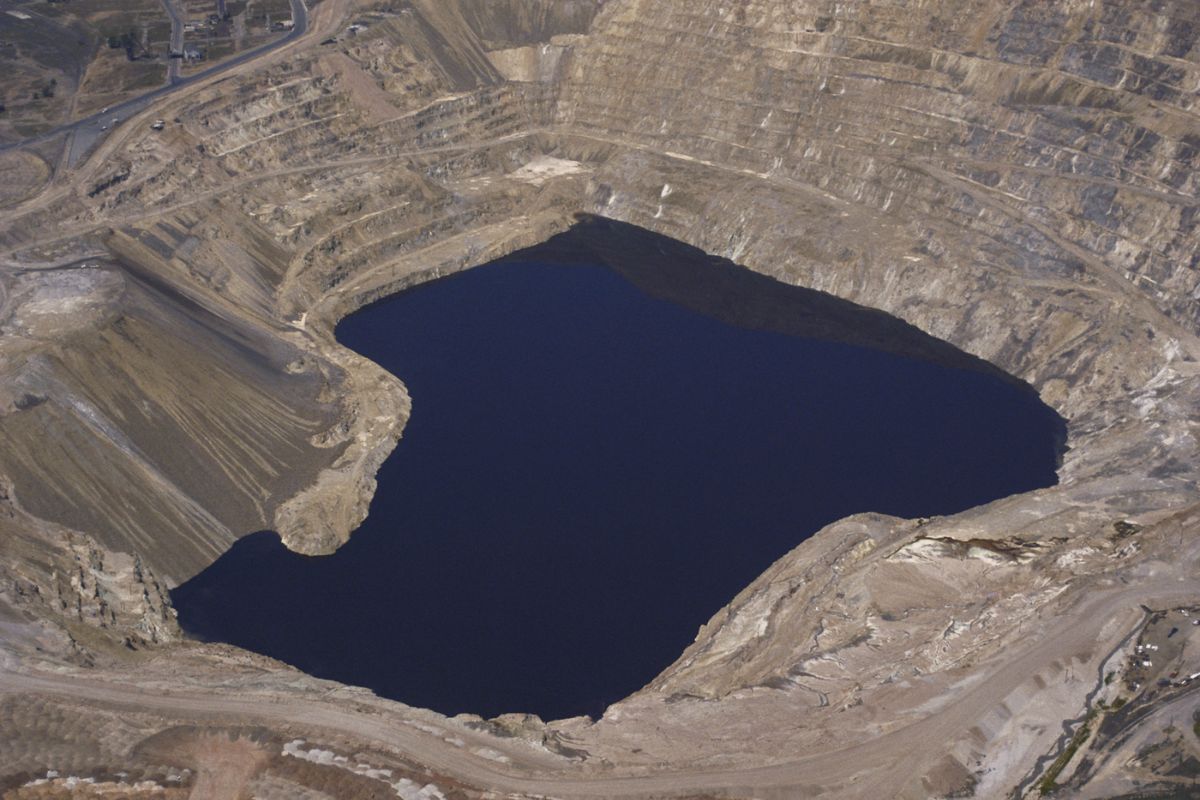
The Berkeley Pit Emerged from Decades of Mining in an Old Copper Mine in the United States and Today Houses Billions of Liters of Acidic Water Contaminated by Heavy Metals, Resulting from Chemical Reactions Triggered by Mineral Exploration That Transformed a Gigantic Pit into One of the Most Well-Known Environmental Liabilities in the Country
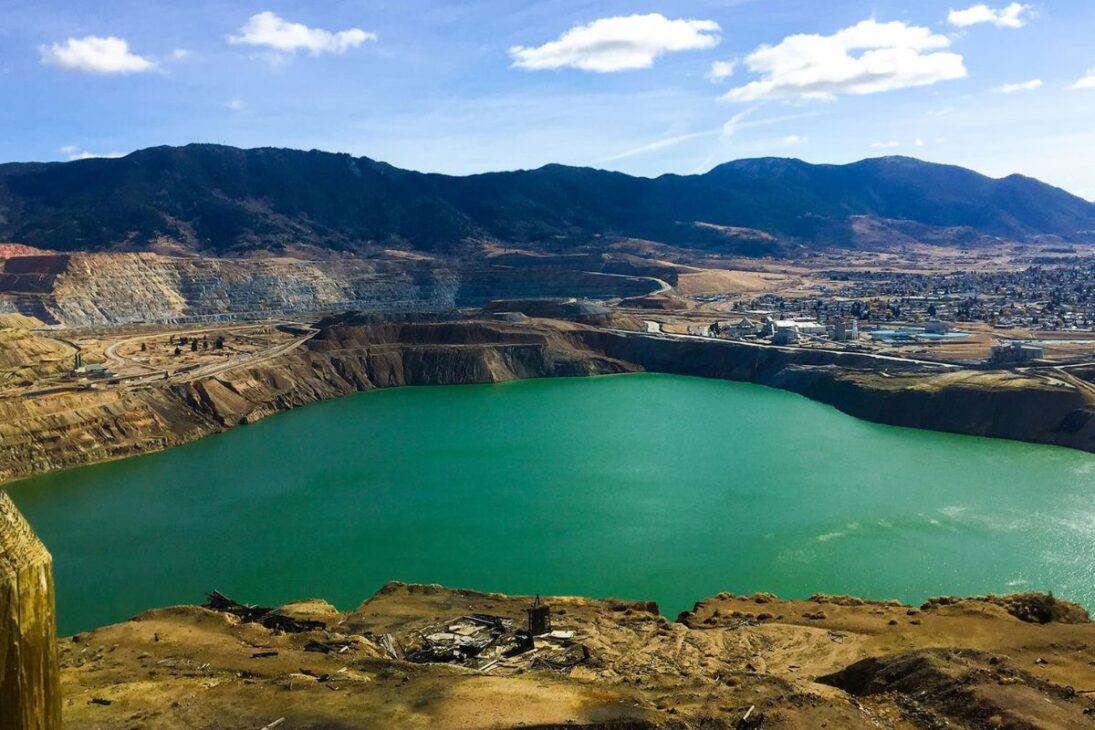
The Berkeley Pit is today a massive toxic crater located in Butte, Montana, in the United States. What was once a giant copper mine has turned into a highly acidic lake loaded with heavy metals.
With about 1.6 km long, 800 meters wide, and more than 540 meters deep, the Berkeley Pit has become one of the most emblematic examples of the environmental impact left by large-scale mining.
How the Gigantic Mine That Became the Berkeley Pit Was Born
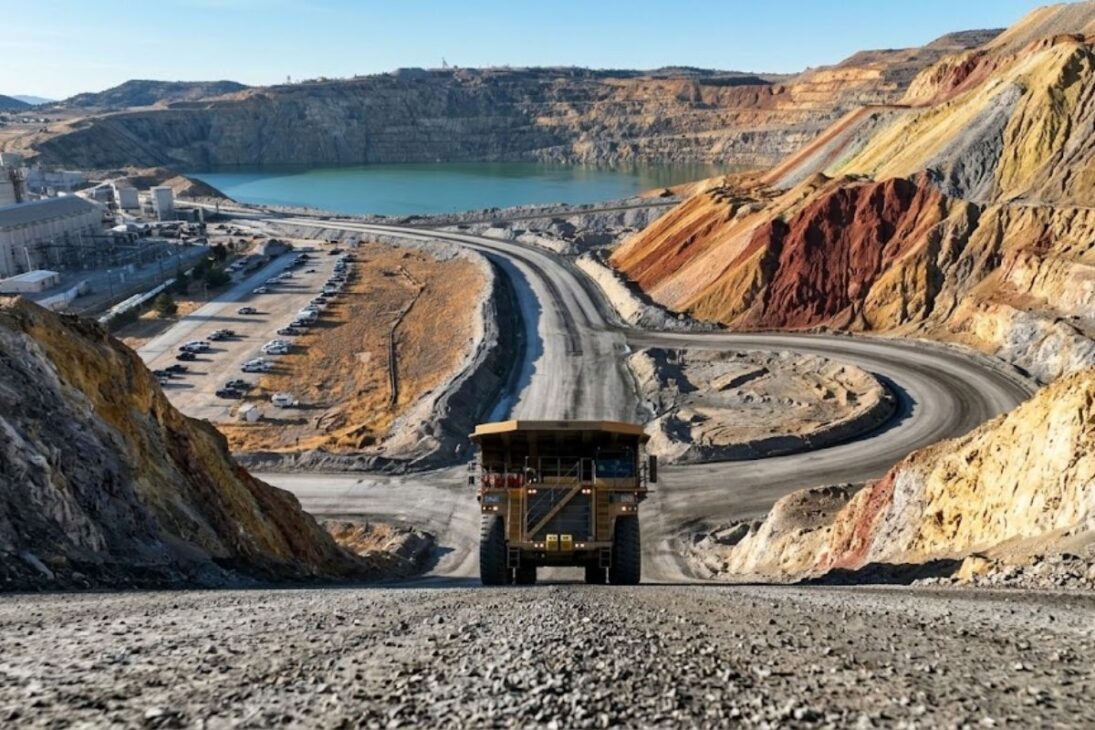
The story of the Berkeley Pit begins in 1955, when the area was transformed into a huge open-pit copper mine.
-
Kawasaki surprises by revealing a 140-ton aircraft capable of winning wars without a single shot and bets on ultra-secret technology to protect Japan by 2027.

-
A trick with a fan and a PET bottle goes viral in the extreme heat of 2026 and promises to cool the environment while using almost no electricity.

-
A 176,000-hectare farm in the Northeast is up for sale for R$ 1.2 billion, featuring a runway, fuel station, river, schools, and warehouses, and has become a phenomenon on social media due to its size, which surpasses that of Brazilian capitals.
-
Finding a 3.9 mm larva of the lionfish in the Amazon raises maximum alert and indicates that the invader may already be reproducing in the region.


At the time, Butte was considered one of the most important mining centers in the United States.
For decades, mining companies removed enormous amounts of rock to reach underground layers rich in copper and other metals.
This process completely altered the region’s landscape and created a gigantic pit visible from miles away.
Mining in the area, however, had been ongoing since the late 19th century.
Billion of pounds of ore were extracted over more than a century, transforming the local economy and consolidating the city as an industrial hub.
The Chemical Process That Transformed the Mine into a Toxic Lake
The environmental problem of the Berkeley Pit began to intensify when mining exposed large amounts of sulfide minerals present in the rocks.
When these minerals come into contact with air and water, a chemical reaction occurs that produces sulfuric acid.
This phenomenon is known as acid mine drainage.
Over time, the acid dissolved metals present in the surrounding rocks.
Among them are copper, arsenic, cadmium, and zinc, which began to mix with the water accumulating in the pit.
The result was the formation of an extremely acidic lake loaded with toxic substances.
The Moment the Berkeley Pit Began to Fill with Water
The definitive transformation of the Berkeley Pit occurred in 1982, when mining operations were halted.
During the mine’s operation, giant pumps kept the pit dry.
When these pumps were turned off, groundwater began to slowly flood the space.
Over the years, billions of liters of acidic water accumulated inside the crater.
Today, the Berkeley Pit contains more than 2.5 billion gallons of contaminated water.
This massive volume transformed the former mine into a chemical lake practically incapable of sustaining life.
The Environmental Challenge of Controlling the Berkeley Pit
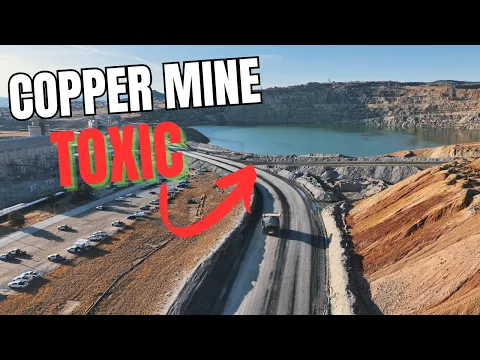

The acidity level of the water in the Berkeley Pit is comparable to that of battery acid, making the environment extremely dangerous.
To prevent the contaminated water from exceeding the limits of the crater and reaching rivers or aquifers in the region, a continuous monitoring system has been established.
The United States Environmental Protection Agency (EPA) oversees the site as part of the Superfund program, aimed at areas with severe environmental contamination.
In this system, water is constantly pumped, treated, and then safely disposed of.
Even so, the scale of contamination means that the cleanup process can take decades.
One of the Largest Environmental Liabilities of Modern Mining
The Berkeley Pit has become a global symbol of the environmental impacts of intensive mining.
The very size of the crater reveals the scale of industrial activity that occurred at the site.
In addition to acid drainage, mining waste known as tailings has been deposited near the pit for decades.
These materials contained metallic particles and sulfide minerals that also contributed to increasing water contamination.
Today, the site serves as a warning about the environmental consequences of large mining operations.
Despite recovery efforts, the Berkeley Pit still represents a complex environmental challenge.
The Berkeley Pit is one of the most striking examples of how mineral exploration can permanently transform a landscape.
What was once a mine responsible for boosting the economy of a town has become a massive crater filled with acidic water and heavy metals.
Decades after the end of mining, the site still requires constant monitoring to prevent contamination from spreading to other areas.
The case raises an important question about industrial development and environmental responsibility.
In your opinion, should places like the Berkeley Pit be fully restored or preserved as a historical alert about the impacts of mining?






Seja o primeiro a reagir!