Portuguese
  Spanish


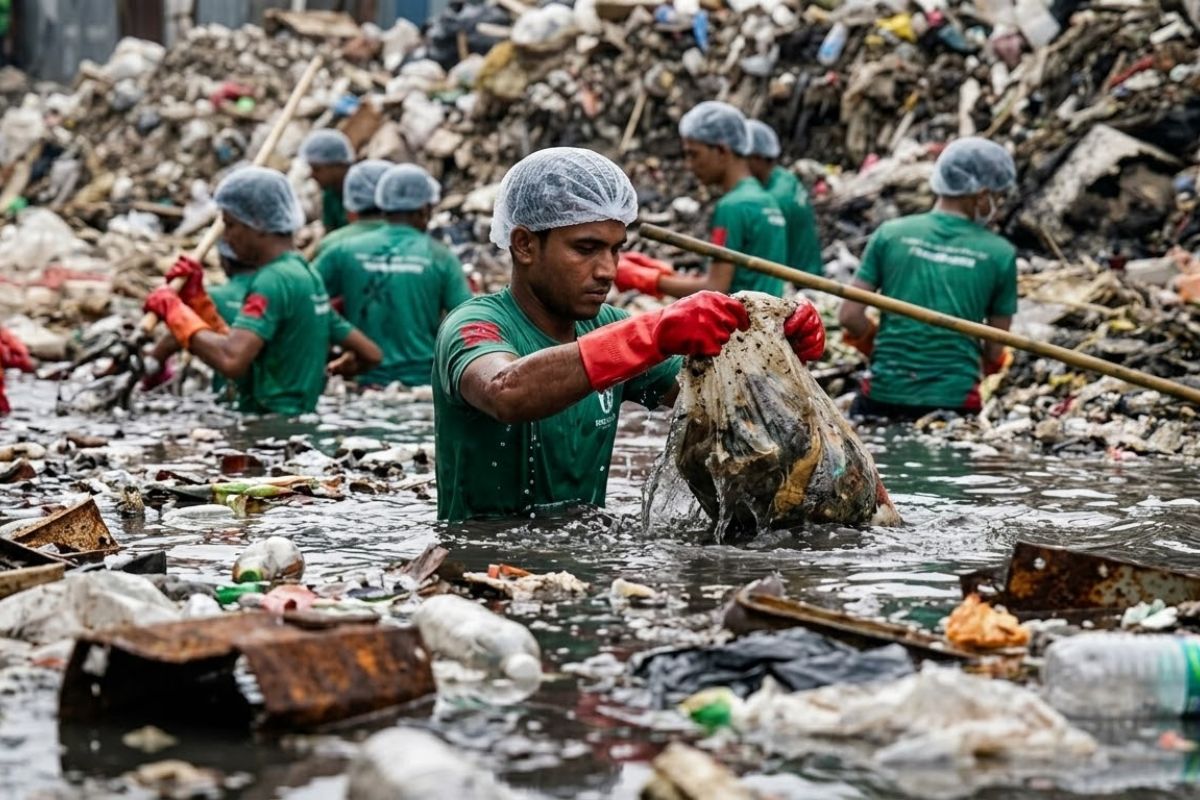

For Years, Bangladesh Coexisted with Trash-Saturated Rivers, Blocked Drains, and One of the Highest Population Densities on the Planet, Creating a Persistent Environmental Crisis Until a Community Movement Began Mobilizing Thousands of Volunteers to Remove Waste from the Streets and Transform Entire Neighborhoods
The Problem of Trash in Bangladesh Seemed Impossible to Solve. In Densely Populated Cities, Tons of Waste Accumulated on the Streets, Clogged Channels, and Ended Up in the Rivers Flowing Through Major Urban Areas.
With More Than 160 Million Inhabitants Living in a Relatively Small Territory, Trash Became Part of the Daily Landscape. But a Volunteer Mobilization Initiated by Ordinary Citizens Began to Show That Even a Scenario Considered Irreversible Can Change.
An Environmental Crisis Worsened by Population Density
Bangladesh has Approximately 147,000 Square Kilometers of Territory, an Area Similar to Greece. The Difference Lies in the Population.
-
Flushing Toilet Paper in Brazil Could Gradually Damage Home Plumbing, Experts Warn

-
Meet the Fascinating Cassowary: The Bird That Resembles a Dinosaur, Runs Like an Athlete, Crosses Rivers with Ease, and Plays a Crucial Role in Tropical Forests
-
Brazil Deploys Water-Landing Ambulance Planes in the Amazon, Cutting Travel Time from 3 Hours to 12 Minutes to Reach Isolated Communities

-
Early Commercial Flights Used Wicker Chairs Without Seatbelts to Save Weight Before Modern Safety Standards Transformed Air Travel


While the European Country Houses Just Over 10 Million Inhabitants, Bangladesh Concentrates More Than 160 Million People, Making It One of the Most Densely Populated Regions on The Planet.
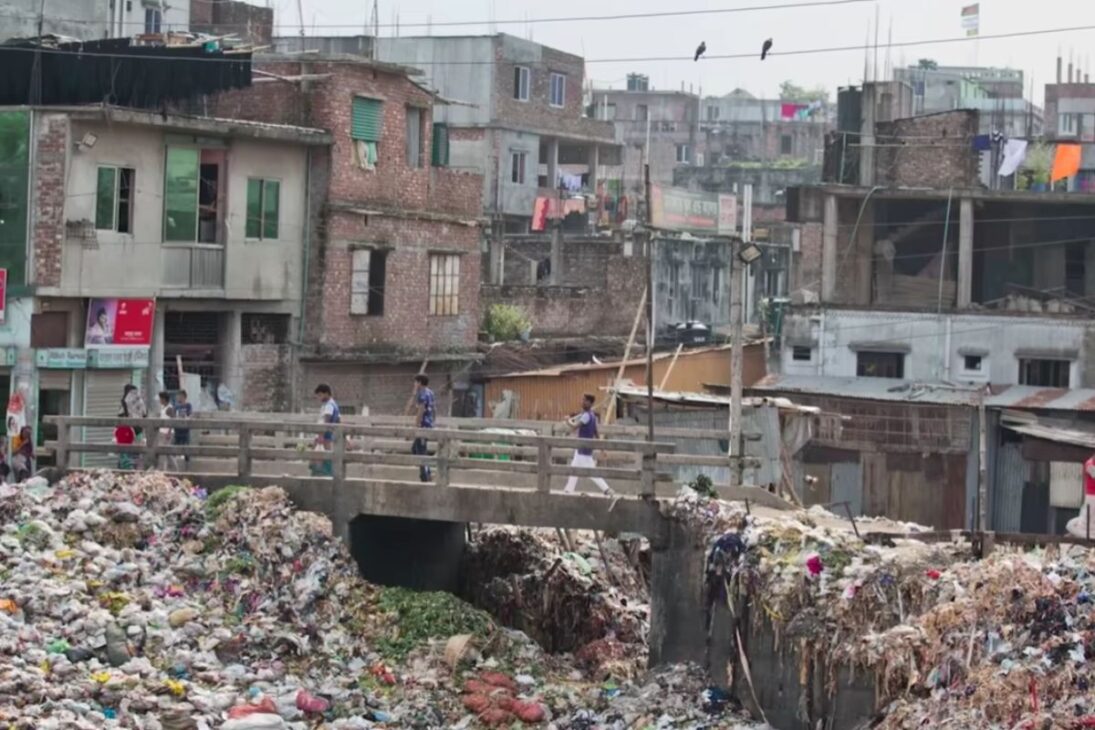
This Extreme Concentration Generates a Direct Impact on Waste Production. In Dense Urban Areas, Waste Accumulates Quickly, and When Infrastructure Does Not Keep Up with Population Growth, the Result is Visible.
Streets Turned into Waste Deposits, Blocked Channels, and Rivers Covered in Plastic Have Become Common Scenes in Several Cities.
Over Time, the Problem Stopped Being Just Aesthetic and Started Representing an Environmental and Sanitary Risk.
The River That Became a Symbol of the Trash Crisis
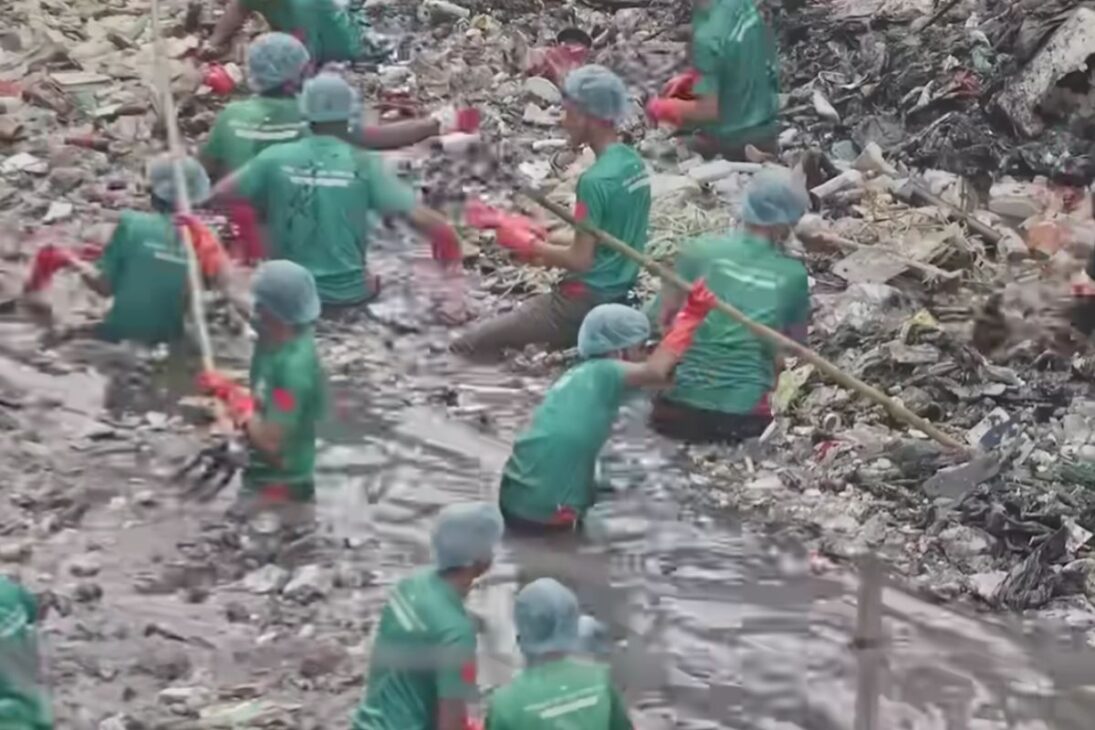
In the Capital Dhaka, One of the Most Densely Populated Megacities in the World, Pollution Has Reached a Critical Point.
The City Houses About 21 Million Inhabitants, and Much of the Waste Produced Eventually Ends Up in the Buriganga River, One of the Main Watercourses in the Region.
It is Estimated That Approximately 4,500 Tons of Solid Waste are Dumped Daily into the River.
In Addition, Industrial Tannery Releases About 21,600 Cubic Meters of Toxic Effluents Daily, Containing Heavy Metals Such as Cadmium, Chromium, and Lead.
The Result is a Deeply Degraded Ecosystem.
In Certain Sections, the Water Has Lost So Much Oxygen that Aquatic Life Has Virtually Disappeared.
This Scenario Has Turned the River into a Symbol of the Environmental Crisis Caused by Excessive Waste and Industrial Expansion.
The Birth of a Movement Against Trash
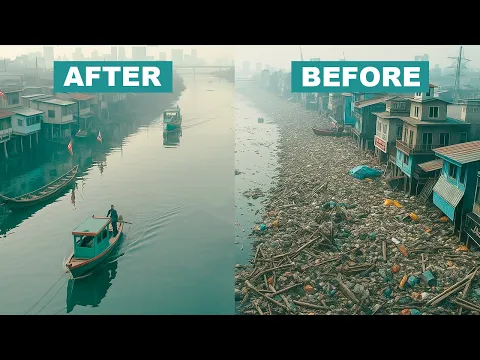

In the Face of This Reality, An Unexpected Initiative Began to Emerge.
In 2016, Bangladeshi Youth Fared Udin Launched a Volunteer Movement Called BD Clean, With an Ambitious Proposal: To Combat Waste Throughout the Country.
The Project Started Simply.
Small Groups of Volunteers Began Organizing Clean-Up Campaigns in Streets, Channels, and Abandoned Areas.
The Idea Was Simple: Remove Visible Waste While Changing People’s Behavior.
Over Time, the Mobilization Grew Rapidly.
What Began as a Local Action Began Involving Thousands of People in Different Cities.
Clean-Up Campaigns That Began to Change Entire Neighborhoods
Activities Organized by the Movement Started Happening Regularly in Various Regions.
Volunteers Gather with Gloves, Shovels, and Buckets to Remove Waste from Streets, Drains, and Abandoned Lots.
These Clean-Up Campaigns Became Community Events Involving Residents, Merchants, and Students.
Channels Previously Blocked by Waste Started Flowing Again After Being Cleaned Manually.
In Some Areas, Old Makeshift Dumps Were Transformed into Small Green Spaces or Community Areas.
Cities Like Chattogram and Rajshahi Reported Visible Changes in Neighborhoods That Previously Accumulated Large Amounts of Waste.
A Movement That Gained National Dimension
Almost a Decade After Its Creation, BD Clean Has Transformed into an Organization Present Throughout Bangladesh.
Today, the Movement Has More Than 44,000 Volunteers Spread Across the Country.
Actions Go Beyond Collecting Waste.
The Group Also Promotes Tree Planting, Environmental Education, and Awareness Campaigns.
In One of the Initiatives, Volunteers Planted 150,000 Trees in a Single Day. A Few Years Later, This Number Exceeded 300,000 Trees Planted in Coordinated Actions.
The Central Strategy of the Movement is Not Just to Clean, but to Transform Daily Habits.
Each Participant Commits to Never Disposing of Waste in Inappropriate Places.
Cultural Change: The Most Difficult Challenge
Experts Point Out That the Issue of Waste Does Not Depend Solely on Infrastructure.
In Many Cases, the Problem is Related to Collective Behavior.
For Decades, the Combination of Rapid Urbanization, Lack of Planning, and Limited Public Services Contributed to Creating a Culture of Indifference Towards Waste.
When the Environment Already Seems Completely Degraded, Many People Stop Believing That Cleaning is Possible.
Therefore, the Movement Relies on a Simple Principle: Setting an Example.
By Cleaning Streets and Public Spaces, Volunteers Aim to Show That Small Actions Can Trigger Greater Changes.
Bangladesh Still Faces Enormous Environmental Challenges Related to Waste, Industrial Pollution, and Rapid Urban Growth.
But the Mobilization of Thousands of Volunteers Shows That Real Transformations Can Begin Outside Traditional Government Structures.
The Cleaning of Streets, Rivers, and Entire Neighborhoods Started with Small Teams of Determined Citizens.
Today, the Movement Represents a Cultural Shift That Goes Beyond Waste Removal.
Now the Question Remains.
If an Entire Country Can Start Changing Its Relationship with Waste Through Volunteer Actions, Do You Believe Something Similar Could Happen in Large Brazilian Cities?