





 Portuguese
  English
  Spanish
  3 min of reading
  0 comments


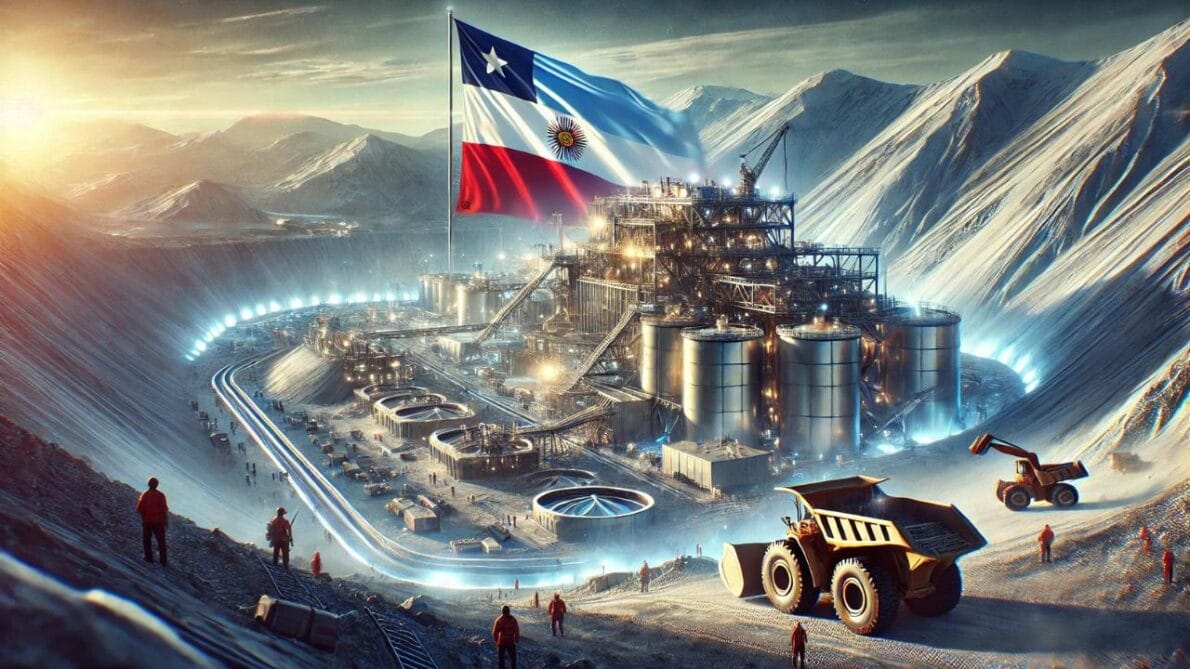
Argentina Soon to Surpass Chile in Global Lithium Production
The global lithium production is in full swing, and Argentina is set to dethrone Chile from that throne. Even with the slowdown in electric vehicle sales, lithium remains a key component in the technological revolution. Let’s understand how Argentina is moving to lead this market and what challenges and opportunities lie ahead.
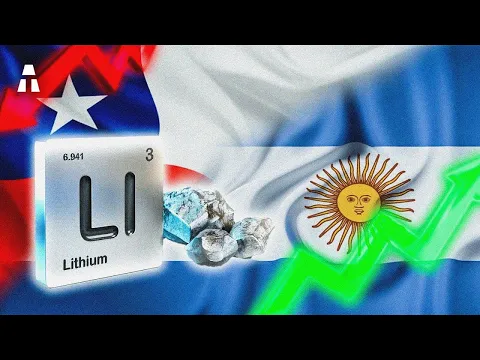
When we talk about global lithium production in Latin America, Chile has always been the benchmark. However, this hegemony is threatened by Argentina, which continues to grow in the sector. Argentina is currently the fourth largest lithium producer in the world, behind only Australia, China, and Chile. However, projections suggest that by 2030, the country may become the largest lithium producer in Latin America, surpassing its neighbor.
The Main Driver Is the Increase in Investments in Lithium Mining in Argentina
But what is driving this change? The main driver is the increase in investments in lithium mining in Argentina. In 2022, mining exports in the country reached historic levels, totaling 3.86 billion dollars. International companies are betting heavily on Argentina, attracted by deregulation policies and tax incentives implemented by the new government of Javier Milei.
-
Brazil extracts 26.3 million tons of ore from what was previously treated as waste, transforming residues into wealth, producing over 3 million tons of sand, and demonstrating how national mining is relearning to generate value.
-
A $3.5 billion megaproject in Latin America pumps desalinated seawater at 1,050 liters per second over 194 km to keep a copper supermine in the Andes operational for another 20 years.
-
A hidden mine in the Andes valued at nearly R$ 1 trillion is starting to attract global attention, containing copper, gold, and silver, and raises an intriguing question: why do Argentina and Chile need to act together to exploit this gigantic wealth?
-
A silent discovery in the interior of Bahia could change the future of energy in Brazil: a uranium reserve in Lagoa Real has an estimated capacity to produce 400 tons per year and is already attracting the attention of energy sector specialists.
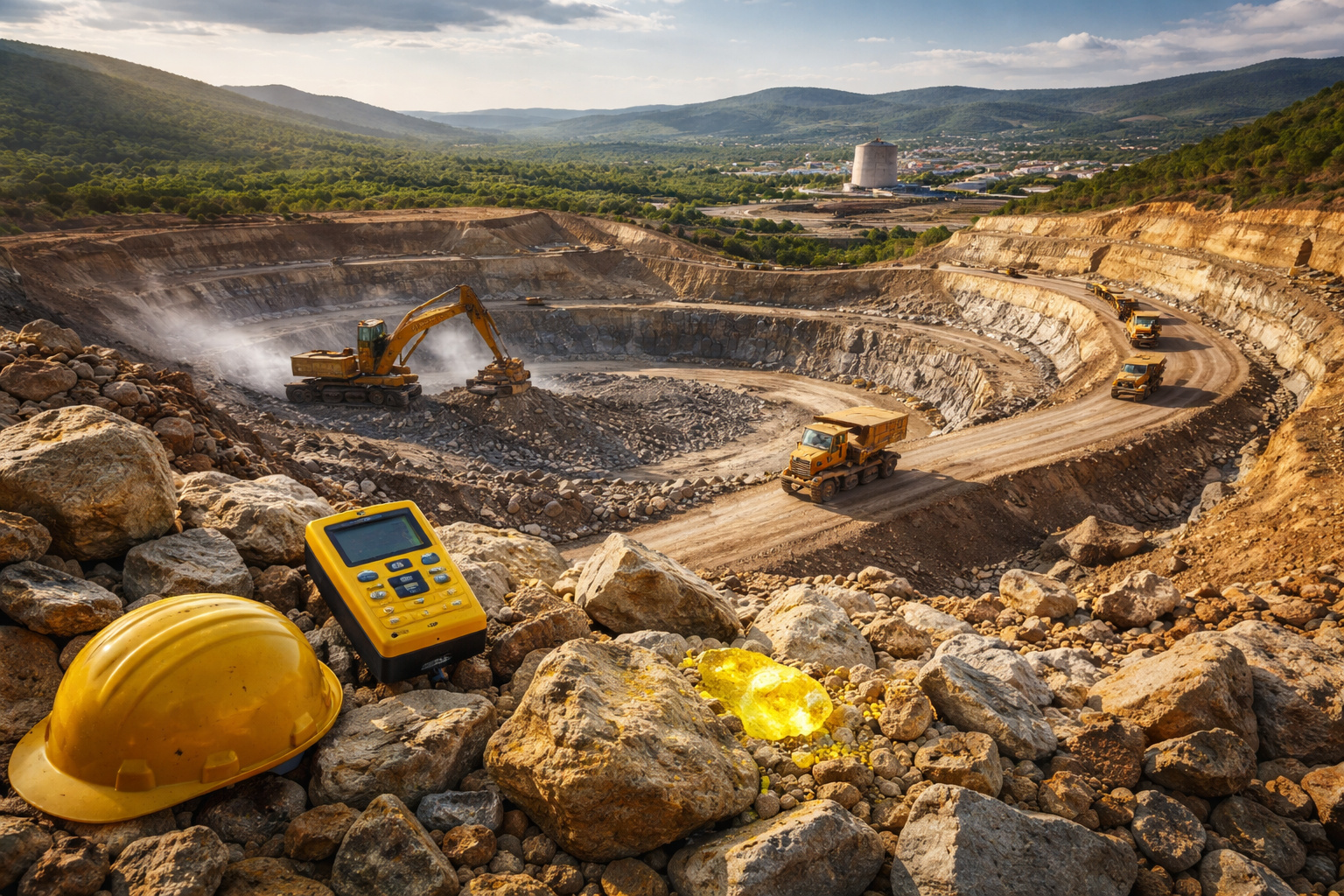

Major Extraction Projects

Argentina has two major lithium extraction projects in operation, located in the provinces of Catamarca and Salta. Both are expected to double production by next year. There are more than ten projects in development that should further increase the country’s production capacity. This growth could cause Argentina’s global lithium production to increase fivefold this year and up to ten times by 2027.
Arrival of Mining Companies Has Generated Protests
Despite the positive economic outlook, the expansion of lithium mining in Argentina is not without controversy. The arrival of mining companies has sparked protests, especially among indigenous communities living in the Lithium Triangle, an area rich in lithium reserves that spans parts of Argentina, Bolivia, and Chile. These communities fear for the scarcity of drinking water, as lithium extraction requires large amounts of water, directly impacting their way of life.
Chile Holds 36% of Global Lithium Reserves
Meanwhile, Chile, which currently holds 36% of global lithium reserves, faces its own challenges. Chilean President Gabriel Borik recently announced that the State would take a majority stake in the sector, which many interpret as an attempt at nationalization. This measure has generated discontent among business owners in the sector, who are now seeking opportunities in Argentina.
Argentina Attracts Increasing Investments
With a more favorable business environment, Argentina is attracting more and more investments. In November 2023, a major French mining and metallurgy company announced the acquisition of several lithium deposits in Argentina, after already having invested hundreds of millions of dollars in the country.
The rise of Argentina in the lithium market is a direct reflection of more open economic policies and efforts to attract investors. However, the race for the title of largest lithium producer in Latin America also raises important environmental and social issues that need to be addressed. It remains to be seen whether Argentina will manage to balance economic development with the preservation of local communities’ rights and environmental sustainability.
In a scenario where global lithium production is crucial for the global energy transition, Argentina has the chance to stand out, as long as it can skillfully navigate the challenges that arise along the way.






Seja o primeiro a reagir!