






 Portuguese
  Spanish


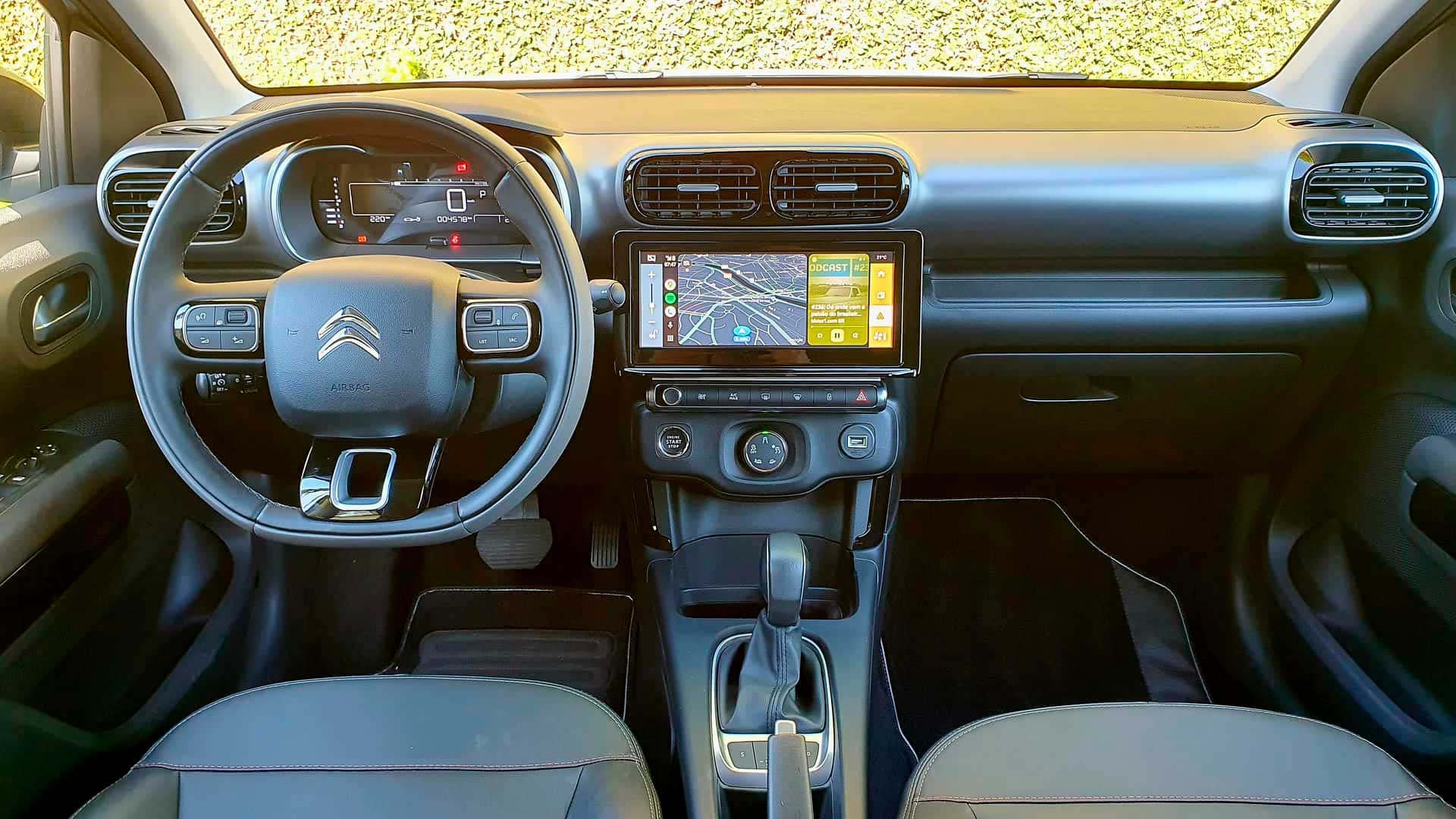


Compact SUV from Citroën with 1.6 THP Turbo Engine of up to 173 hp, Six-Speed Automatic Transmission, and Complete Safety Package Keeps Low Depreciation in the Fipe Table and is Now Seen as a Rational Alternative to 1.0 Hatch Zero Kilometers.
In a market where zero-kilometer compact SUVs are already reaching or surpassing R$ 100 thousand, attracting attention while used is not a simple task. The Citroën C4 Cactus Shine 1.6 THP 2019 achieves this feat by combining the performance of a more expensive car with the price of a basic 1.0 model. For those willing to look favorably at used cars, it becomes one of the “finds” of the Fipe Table.
According to recent data from the Fipe Table of November 2025, the C4 Cactus Shine Pack 1.6 THP 2019 has an average price around R$ 75.8 thousand, remaining in the highest price range of the line but with a drop of about 20 percent compared to its launch value. In other words, it depreciated less than many of its competing compact SUVs during the same period, which typically lose much more than that.
The secret lies in the well-known 1.6 THP Turbo engine, with up to 173 hp and 24.5 kgfm of torque, developed in partnership between the former PSA Peugeot Citroën group and BMW. This engine is combined with the six-speed automatic transmission from the Japanese Aisin, a set widely used in other models and well-regarded by repair professionals for its robustness.
-
Nissan Kicks S Direct 2018: Affordable Used SUV with Over 13 km/l Fuel Efficiency, 432-Liter Trunk, and CVT Automatic Transmission

-
Iconic Orange Double-Decker Bus, a Dutch Fan Favorite for Over 20 Years, Arrives in Texas for the World Cup After Touring Brazil, England, Qatar, and More
-
$100 Million Hypercar Collection, Including Ferrari LaFerrari and McLaren Speedtail, Found Abandoned at Los Angeles Airport
-
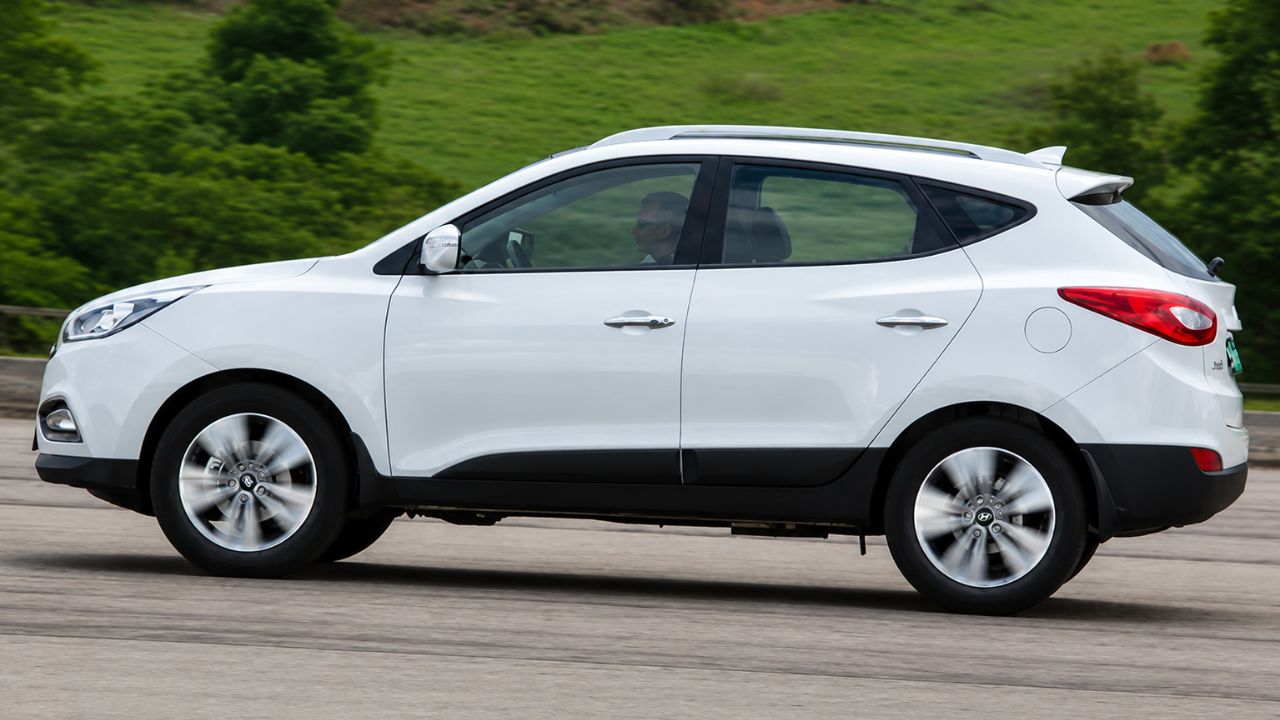
Hyundai ix35 2019: A Forgotten SUV with 2.0 Engine and 650 km Range Costs Less Than a New Kwid in Brazil


Not by chance, the model has returned to the spotlight in recent reports from specialized media, which highlight it as a rational purchase among used SUVs with turbo engines. The idea is simple and straightforward: pay the price of a popular 1.0 car and take home a SUV with the performance of models that currently cost over R$ 150 thousand.
Price, Depreciation, and Position of C4 Cactus THP in the Fipe Table

In practice, the C4 Cactus Shine THP 2019 has solidified at the top of the model range among used cars. Data collected by automotive portals show the C4 Cactus 2019 ranging from about R$ 65.7 thousand for non-turbo versions to R$ 75.8 thousand for the Shine Pack 1.6 THP automatic configuration, always referring to the average national price.
When comparing the French SUV with a Renault Kwid Outsider 1.0 zero kilometers, the situation becomes interesting. Surveys on sites like Mobiauto and iCarros indicate the Kwid Outsider 2025 priced between R$ 74 thousand and R$ 82 thousand, while a report from the Mundo do Automóvel portal for PCD cites offers nearing R$ 85 thousand at some dealerships.
In practice, those with a budget for a new adventurous 1.0 hatch can, with a small difference, step into a 173 hp turbo SUV with several additional features.
Another point that favors the C4 Cactus THP is its low relative depreciation within the compact SUV segment. While many aspirated options lose well over 20 percent in just a few years, the French model remains valued due to its strong mechanical package and good demand among enthusiasts, which helps in future resale.

1.6 THP Engine from BMW Origin Delivers Performance of More Expensive Cars
The highlight of the package is the 1.6 THP turbo flex engine, the result of a joint venture between PSA and BMW, known for the “Prince” project.
It is a modern four-cylinder engine, with direct injection and turbo, calibrated to deliver up to 173 hp with ethanol and 24.5 kgfm of torque even at low RPM. In practice, this means quick responses during overtakes and significantly more vigorous starts than the average of aspirated 1.6 SUVs.
Tests conducted by specialized publications indicate acceleration from 0 to 100 km/h of around 7.5 seconds and a maximum speed close to 212 km/h, numbers that place the C4 Cactus Shine THP in a similar category to much more expensive turbo SUVs. Recent evaluations highlight that the model surprises owners of VW T-Cross and Jeep Renegade T270 in highway recoveries, with good power delivery even at higher speeds.
Fuel Consumption, Range, and Safety Package of the Used SUV
Despite its strong performance, the fuel consumption of the C4 Cactus THP is reasonable for a compact turbo SUV. Data from technical sheets and the Brazilian Vehicle Labeling Program indicate averages around 7.2 km/l with ethanol and 10.4 km/l with gasoline in the city, reaching about 12.6 km/l with gasoline on the highway. For those who drive a lot on highways, the balance between power and efficiency ends up being one of the model’s strong points.
With a 55-liter tank, the range is also pleasing in real use. Using the average consumption figures, the C4 Cactus THP can cover between 396 and 572 km in the city and up to 693 km on the highway, allowing for longer trips with fewer stops for refueling. For those used to 1.0 cars, the cost per kilometer is higher, but compensated by the performance and comfort on the road.
In terms of safety, the C4 Cactus Shine 2019 stands out for offering features that are still lacking in many new entry-level cars. The version comes with six airbags, ABS brakes, electronic stability and traction control, hill start assist, and ADAS assistance package, with front collision warning, automatic emergency braking, and lane departure warning. This set places the SUV in a higher level of protection for the family.
The package is complemented by features such as rear camera, parking sensors, headlights with LED daytime running lights, cruise control, and speed limiter. Additionally, the multimedia system with a touchscreen and mirroring for Android Auto and Apple CarPlay keeps the car updated in terms of connectivity. For those coming from a basic 1.0 hatch, the leap in equipment is large and noticeable in everyday use.
For Whom the C4 Cactus THP 2019 Makes Sense Today
The Citroën C4 Cactus Shine THP 2019 makes more sense for drivers looking to move up from a popular 1.0, but who do not want or cannot afford R$ 150 thousand for a new turbo SUV. This audience tends to value performance, safety, and technology, and is willing to consider a well-maintained used car instead of a simpler new model. In this context, the French model appears as a strong cost-benefit option.
On the other hand, it is important to remember that the THP engine requires timely maintenance, the use of high-quality fuel, and adherence to oil change intervals, just like any modern turbo engine. Experts and mechanics emphasize that when these precautions are followed, the setup shows good reliability, but negligent owners may face expensive problems. Therefore, before purchasing, it is worth investing in a detailed inspection and checking the vehicle’s service history.
Another factor weighing into the decision is the prejudice some of the Brazilian public has against the Citroën brand and its after-sales network, a recurring theme in forums and reviews. Those living in capitals and large cities tend to find more ease in obtaining parts and assistance, while in smaller towns this support might be more limited. Nevertheless, the good availability of components shared with other Peugeot and Citroën models helps mitigate these risks.
Ultimately, the C4 Cactus Shine THP 2019 is a classic case of a rationally interesting car with emotionally controversial aspects. On one hand, it offers a powerful engine, low depreciation, a complete safety package, and a competitive price compared to much simpler cars. On the other hand, it requires discipline in maintenance and a willingness to embrace a used Citroën in a market that still views the brand with skepticism.
If you had the money for a Kwid Outsider zero kilometers, would you consider taking on a used Citroën turbo SUV with a BMW engine or would you stick with a “risk-free” 1.0 hatch? Let us know in the comments which side you’re on and whether you think it’s worth investing in performance and safety or in the peace of mind of driving a more basic zero-kilometer car off the lot.








Tratado como tendo motor de alta tecnologia, consegue ter baixo nível de valores de manutenção e alto desempenho. O problema é que por aqui a ignorância abunda e **** tendem a acreditar que estão sempre em carroça e isso prejudica qualquer veículo. Brasileiro está e sempre estará em nível de Fusca.