





 Portuguese
  English
  Spanish
 5 min of reading
  0 comments


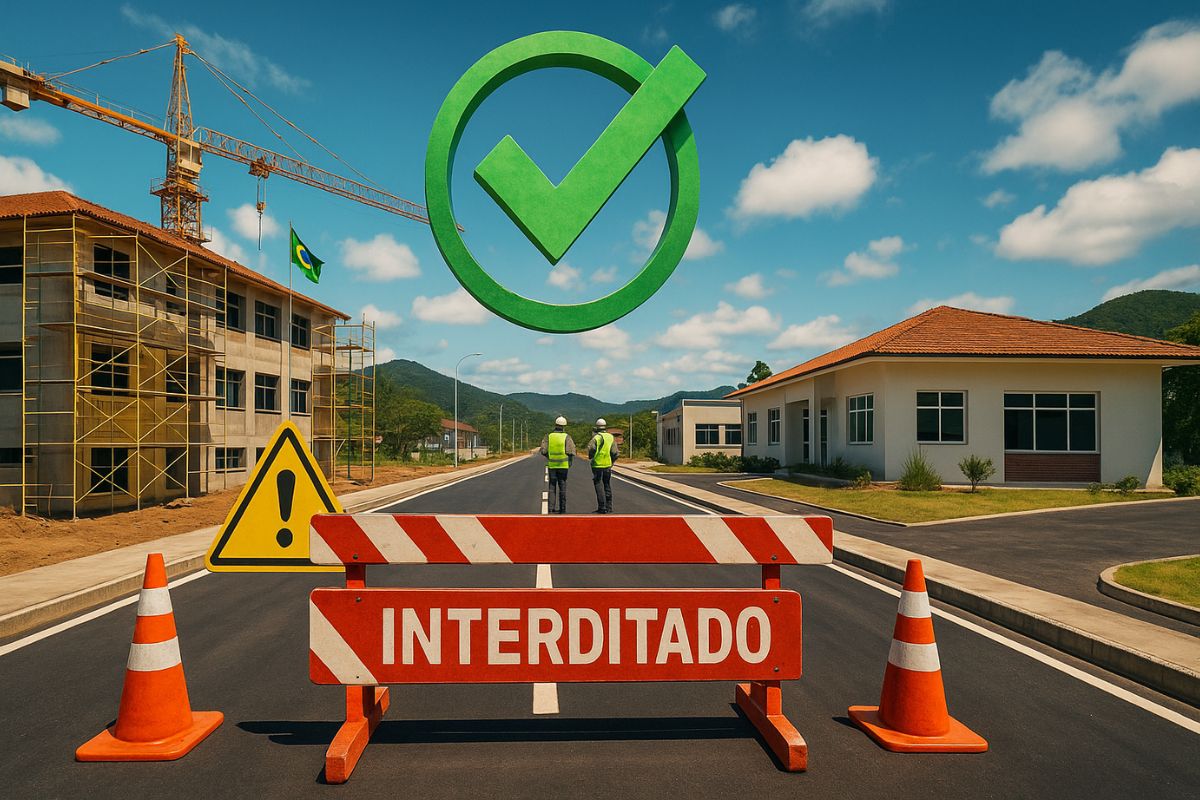
Works Can Only Be Inaugurated After Completion in City of SC, With Full Inspection and Proven Operation
With works under stricter surveillance, Ibirama, in Santa Catarina, adopts an unprecedented rule that prevents the inauguration of any public facility that is not 100 percent completed, inspected, and fully operational, changing the political logic around public works and pressuring for greater responsibility in the use of public funds. This directive applies to works such as schools, health posts, avenues, squares, and leisure structures, prioritizing actual delivery to the population over symbolic agendas and plaque ceremonies.
In practice, this means that works can no longer be inaugurated just with facades completed, empty rooms, or non-operational systems. The city hall conditions the authorization for inauguration on technical reports, operational tests, and verification of criteria such as accessibility, safety, and compliance with regulations. This measure responds to previous administrations that left works incomplete or barely functional, generating frustration among residents and questioning the proper application of resources.
Works Will Only Be Inaugurated With Proven Operation

The new policy establishes that no municipal public work will be inaugurated without a rigorous inspection that proves its physical and operational completion.
-
Russian engineers create an innovative propeller blade for aircraft that could completely change the way airplanes and helicopters operate.

-
Couple finishes building PVC chalet on the beach on the last day, with air conditioning and curtains, but discovers the bathroom drain is inverted: water escapes from the drain, risking breaking the floor, and the rush continues before the trip.

-
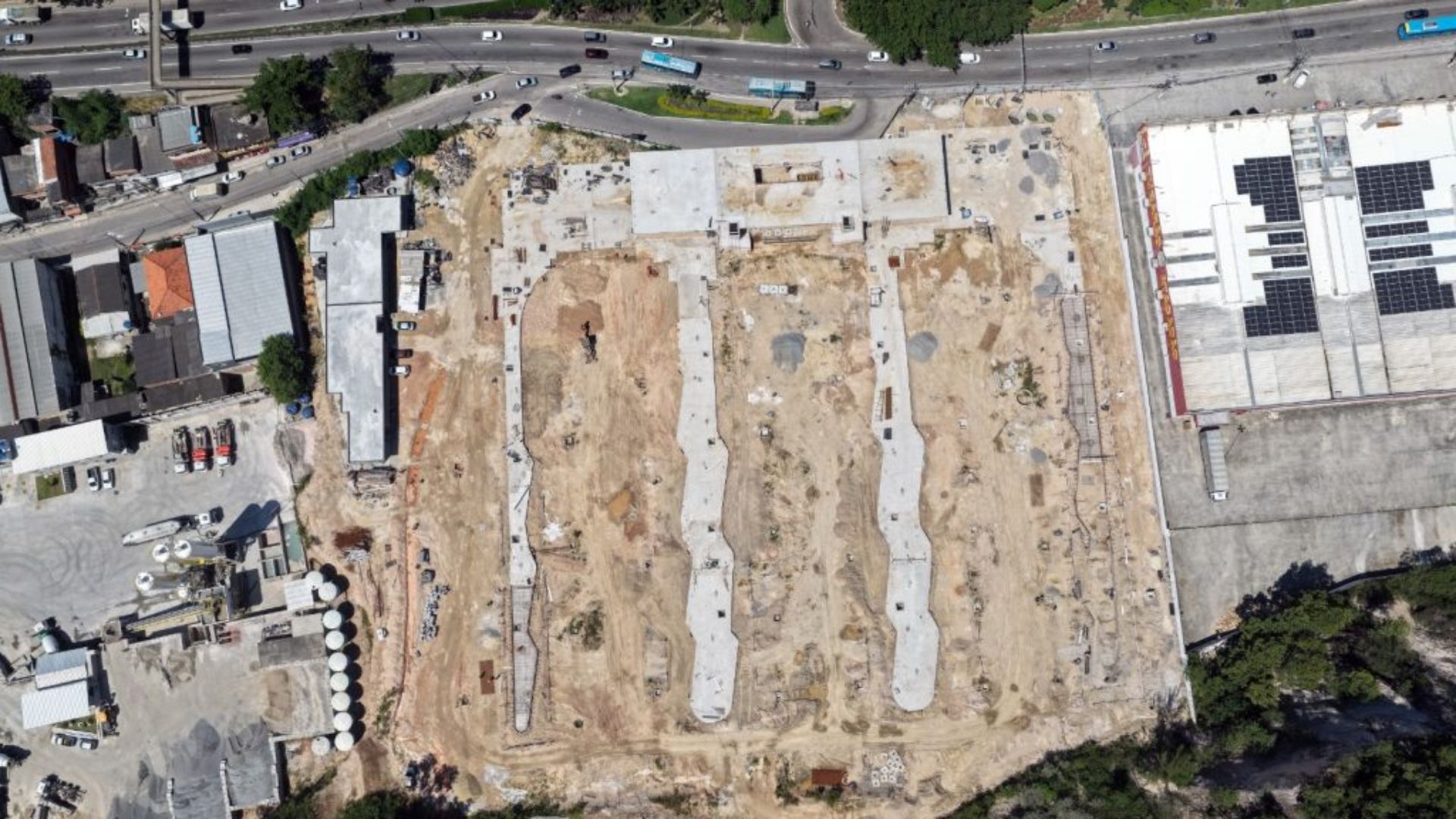
Niterói surprises with a mega project of R$ 34 million and advances in the new Caramujo Bus Terminal, promising to revolutionize urban mobility by 2027.
-
A slatted wall that looks like it cost thousands of reais was made for just R$ 90, and the secret lies not in expensive materials but in careful planning, correct spacing, and uniform layers of finishing.


It is not enough to “deliver the key” or open the gate. The inauguration is only authorized after works such as schools, health units, or urban roads demonstrate actual conditions for use by the population.
The focus is on three central fronts.
First, ensuring that works meet the contracted scope without last-minute cuts in structure, materials, or essential systems.
Second, preventing buildings and facilities from being used merely as political showcases, without serving day-to-day demands.
Third, creating an internal quality standard that serves as a reference for future bids and contracts.
By limiting the inauguration to works that are effectively ready, the municipality reduces the space for rushed deliveries in election periods and strengthens the logic of continuous public service, rather than sporadic actions focused solely on the official photo.
Technical Inspections and Transparency in the Delivery of Works
The core of the change is the reinforcement of technical inspections.
Before any inauguration, city hall teams must check structures, electrical and hydraulic installations, accessibility, signage, and compliance with current regulations.
Only after this check do the works receive approval for official delivery.
This routine, in addition to being technical, has a political impact.
Works that could have been inaugurated with safety or operational issues now need to pass through a stricter filter, increasing the responsibility of managers, contractors, and inspection teams.
The administration also works to publish inspection reports, allowing residents to follow the status of each project in simple language.
By associating inauguration with technical verification, the city hall seeks to provide transparency to the complete cycle of works, from contracting to delivery.
This reduces the risk of resource waste on poorly executed projects and sends a clear message to the market: contracts must be fulfilled with a higher standard of quality.
Impact of the New Rule on the Lives of the Population
For the residents of Ibirama, the measure translates into an expectation of delivery of works that are truly usable, not just visually impressive buildings.
The idea is that a school is inaugurated with ready classrooms, functioning systems, guaranteed accessibility, and conditions for immediate start of classes, and that a health post begins operations without structural improvisations.
This care also affects urban infrastructure.
Works on roads inaugurated only after the completion of signage, drainage, and paving reduce risks of accidents, flooding, and rework.
In the long term, this contributes to valuing neighborhoods, improving mobility, and strengthening the population’s trust in the municipality’s ability to plan and deliver infrastructure responsibly.
Even though the new model may extend inauguration timelines in some cases, the message is clear.
It is preferable to postpone the ceremony than to deliver incomplete works, which would require constant corrections and increase maintenance costs for the government itself.
When Rigorous Management of Works Becomes an Example for Other Municipalities
The decision by Ibirama to link inauguration to the actual completion of works has begun to attract interest from neighboring cities.
Managers from other municipalities are already seeking information about the policy, evaluating how to adapt similar mechanisms to their realities.
The goal is to replicate the combination of mandatory technical inspection, clear operational criteria, and transparent communication with society.
By demonstrating that works can be managed with a focus on functionality, rather than just political schedules, the municipality positions itself as a reference in good governance.
This demonstration effect tends to gain strength as results are realized in everyday life, with fewer symbolic inaugurations and more facilities effectively in operation.
Thus, the experience of Ibirama reinforces a management line in which every real invested in works needs to convert into delivered service, visible urban impact, and concrete improvement in people’s lives, rather than just formal budget execution indicators.
How the Population Can Follow and Monitor the Works
Even with stricter rules, the role of society remains central.
Residents can follow the progress of works through the official communications from the city hall, the inspection reports, and direct observation of the construction site and the surrounding areas of the interventions.
Participating in public hearings, municipal councils, and accountability channels helps pressure for realistic timelines, quality execution, and quick corrections when problems arise.
By understanding that works should only be inaugurated when fully complete, the population gains a more objective criterion for demanding results.
Instead of focusing only on the date of the ceremony, the discussion shifts to whether the facility is truly ready to operate, meets regulations, and responds to local priorities.
This alignment between the internal rules of the city hall and social oversight tends to consolidate a healthier cycle of planning, execution, and delivery of works, in which public interest prevails over short-term agendas.
In the end, the rigor adopted in Ibirama raises a question that applies to any Brazilian city. Do you think that all public works should only be inaugurated after being fully completed and operational, or are there situations where partial deliveries still make sense?










-

-

-

4 pessoas reagiram a isso.