





 Portuguese
  English
  Spanish
 4 min of reading


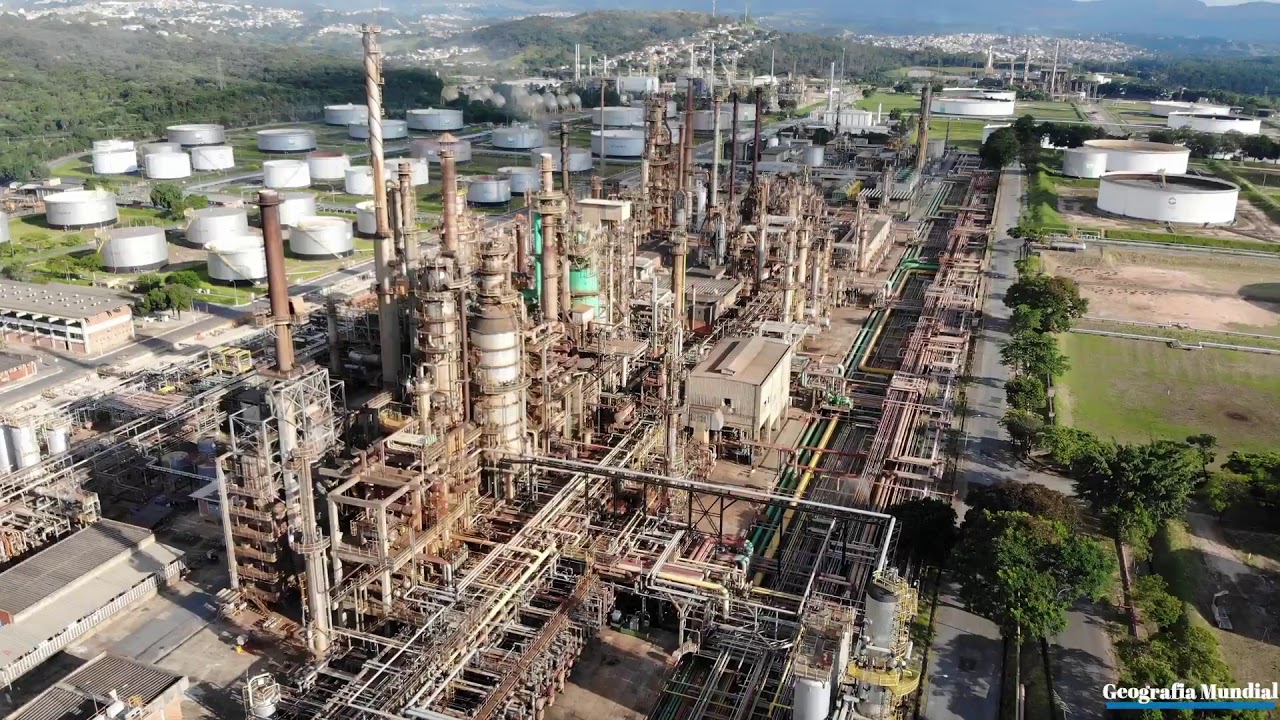
In An Estimate Made By Sindipetro, The Consequences Of The Privatization Of The Refinery Of Petrobras May Affect The Employment Of 2,5 Thousand People
In a report published by the Brasil de Fato portal, the Gabriel Passos Refinery (Regap) of Petrobras, which has an authorized refining capacity of 166 thousand barrels of oil per day, was put up for sale in 2019 by the federal government. The consequences of the privatization of Regap are still incalculable, but according to estimates from the Minas Gerais Oil Workers’ Union (Sindipetro-MG), it may affect the employment of 2,5 thousand people, a number that doubles during industrial park maintenance periods. Check out this news: Petrobras Considers The Possibility Of Raising Fuel Prices Again At The Refineries
- ArcelorMittal, One Of The Leading Companies In The Global Steel Market, Is Accepting Applications For Its Internship Program 2022
- LG Is Offering Internship Positions For 2022 In The Regions Of Goiânia And Belo Horizonte
- Solar Coca-Cola Opens 400 Positions For Free Vocational Training Courses For Adolescents And Young People In Alagoas
- How To Ensure Investments So That Companies Have An Interest In Establishing And Creating Jobs In The Naval Sector Of Rio State?
- Chinese BYD Plans To Launch The Song Plus In Brazil, A Hybrid SUV With 1,200km Of Range
Sale Of Petrobras Refineries
The Director of Sindipetro-MG and the Unified Federation of Oil Workers (FUP), Anselmo Braga, says that “The company that buys Regap will continue to have the Minas Gerais market at its disposal. We say that, in fact, companies are not buying the refineries, but the market. That makes no sense. It’s like there’s only one bakery in a city that sells all the bread produced and is privatized. Does it make sense to argue that the price of bread will decrease if there’s a guarantee of selling everything that’s produced?” he questions.
Braga is referring to the main argument of the federal government used to justify the sale of the refineries, which would be a way to increase competition, thereby stimulating the decrease in the price of final products. However, he emphasizes that “there is no competition in this market, even though authorization has existed since the 1990s for private companies to operate both in refining and in oil extraction.”
-
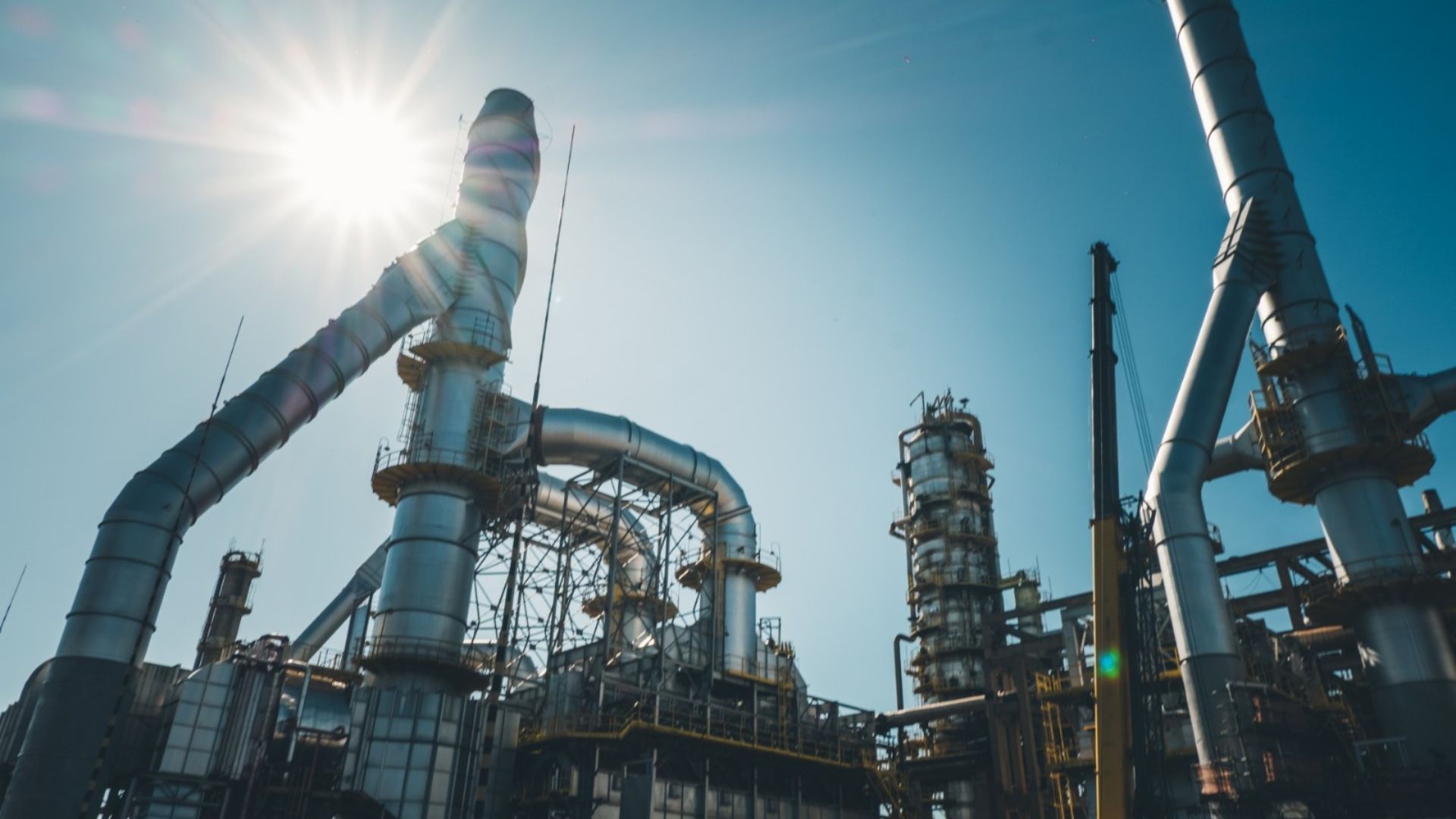
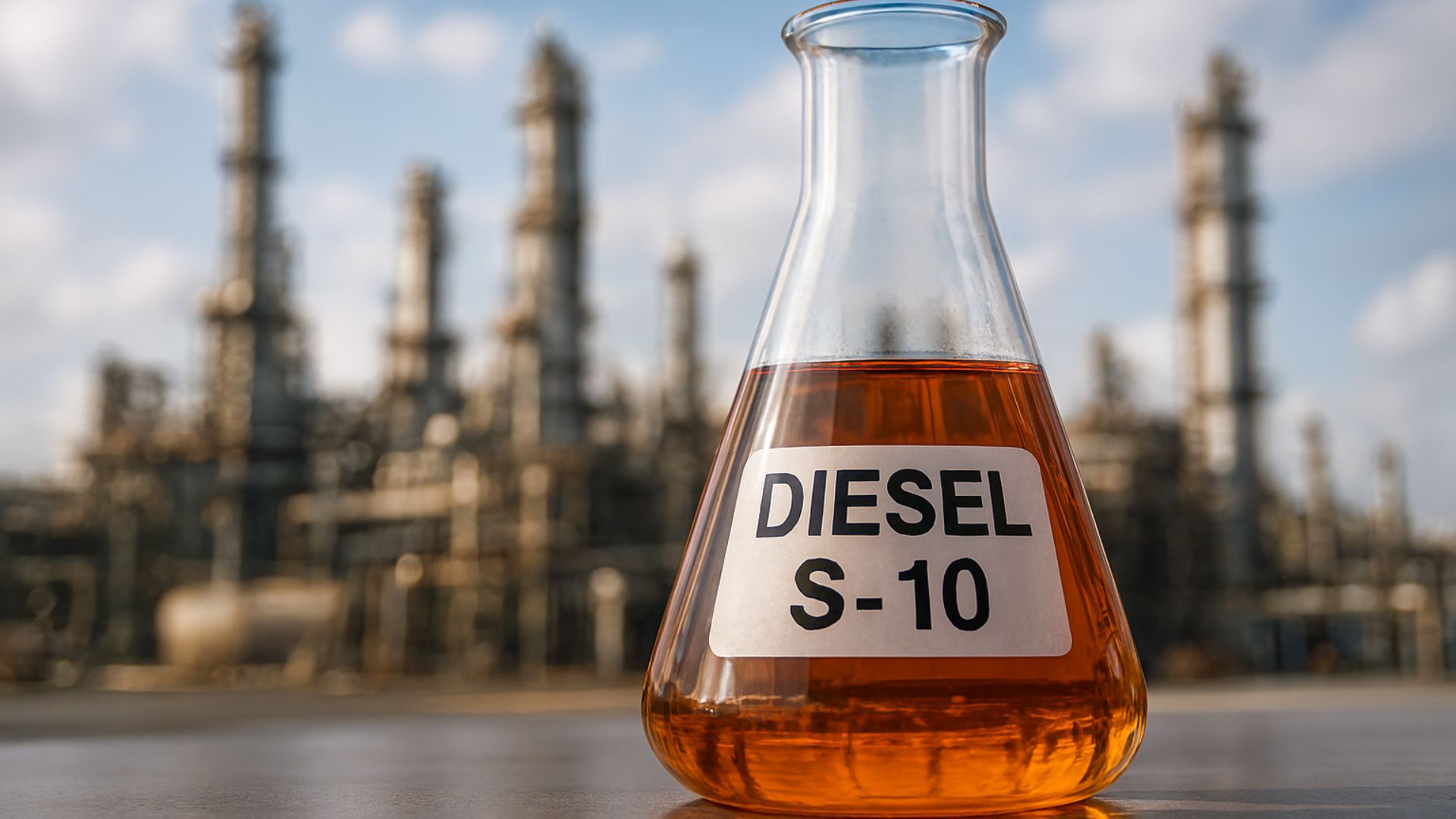
Petrobras Expands Refining in Brazil, Increases Production of Diesel S-10 and Gasoline, Enhances Operational Efficiency, and Reduces Import Dependence Between 2023 and 2025
-
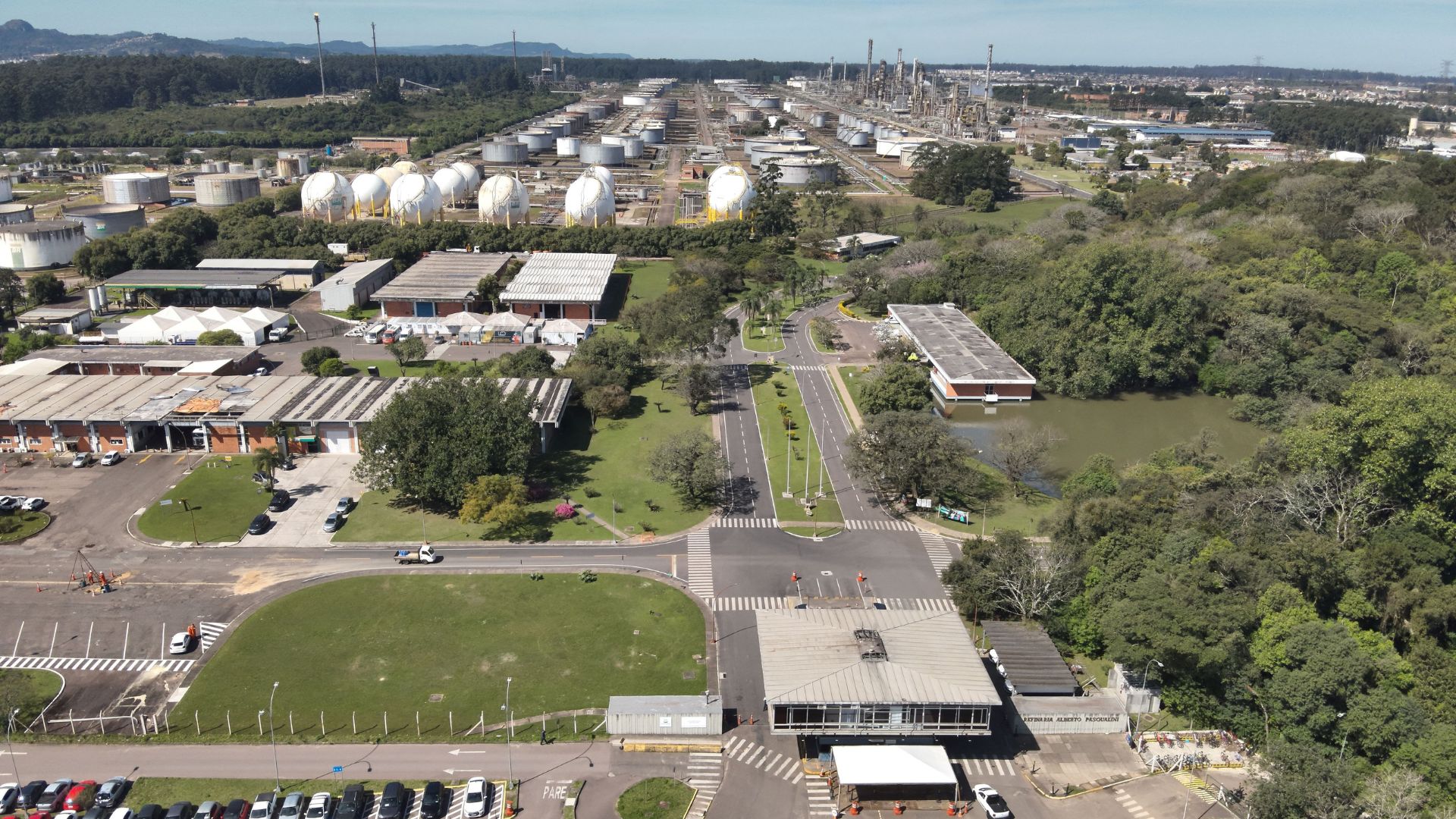
Petrobras’ Refap Sets Historic Records for Gasoline and S-10 Diesel Production in Canoas in Q4 2025, Surpassing Previous Figures
-
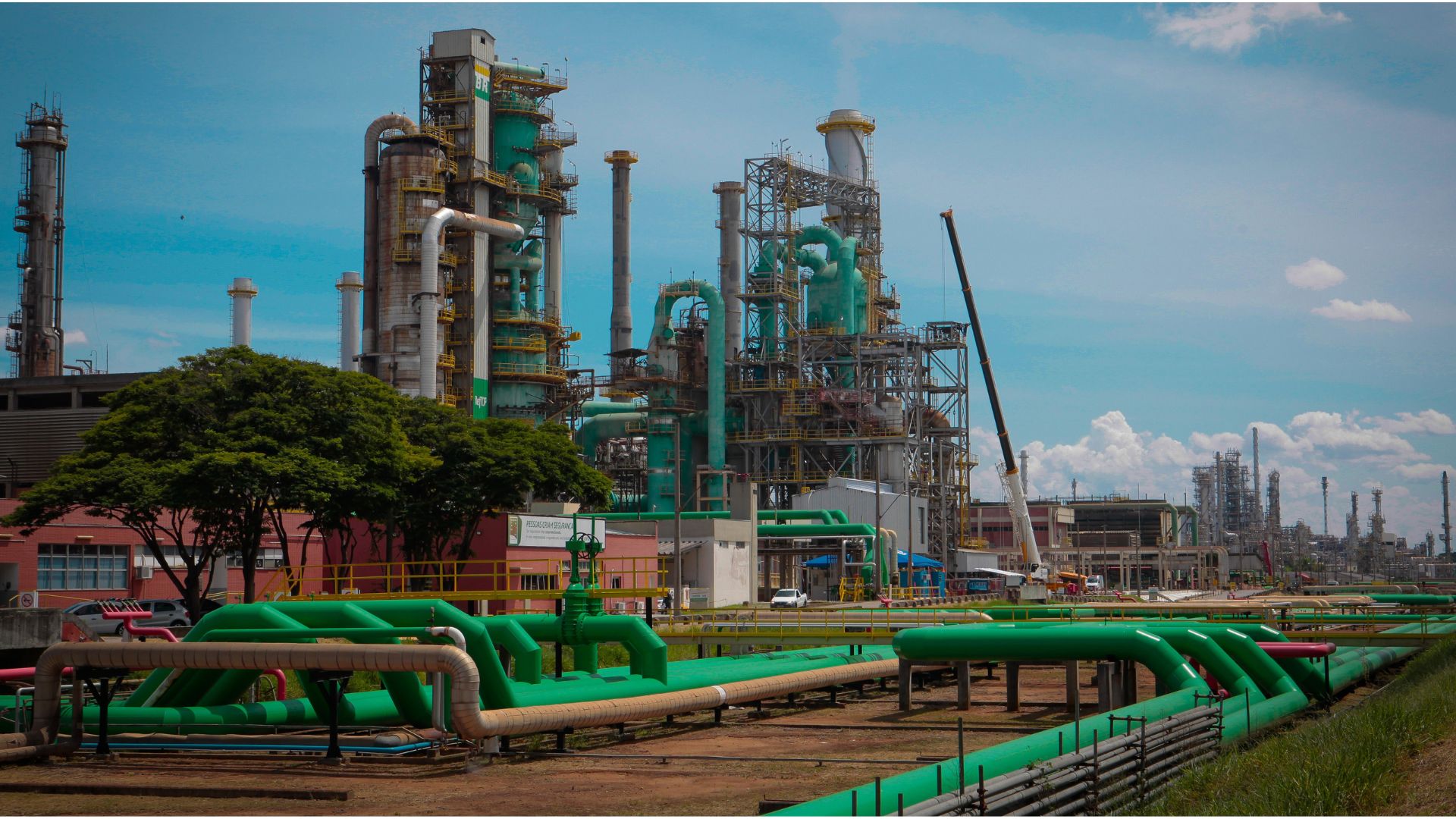
Revap Starts Operation of Modernized HDT and Petrobras Expands S-10 Diesel Production by 80% at the Refinery, Boosting Supply of Less Polluting Fuel in Brazil
-
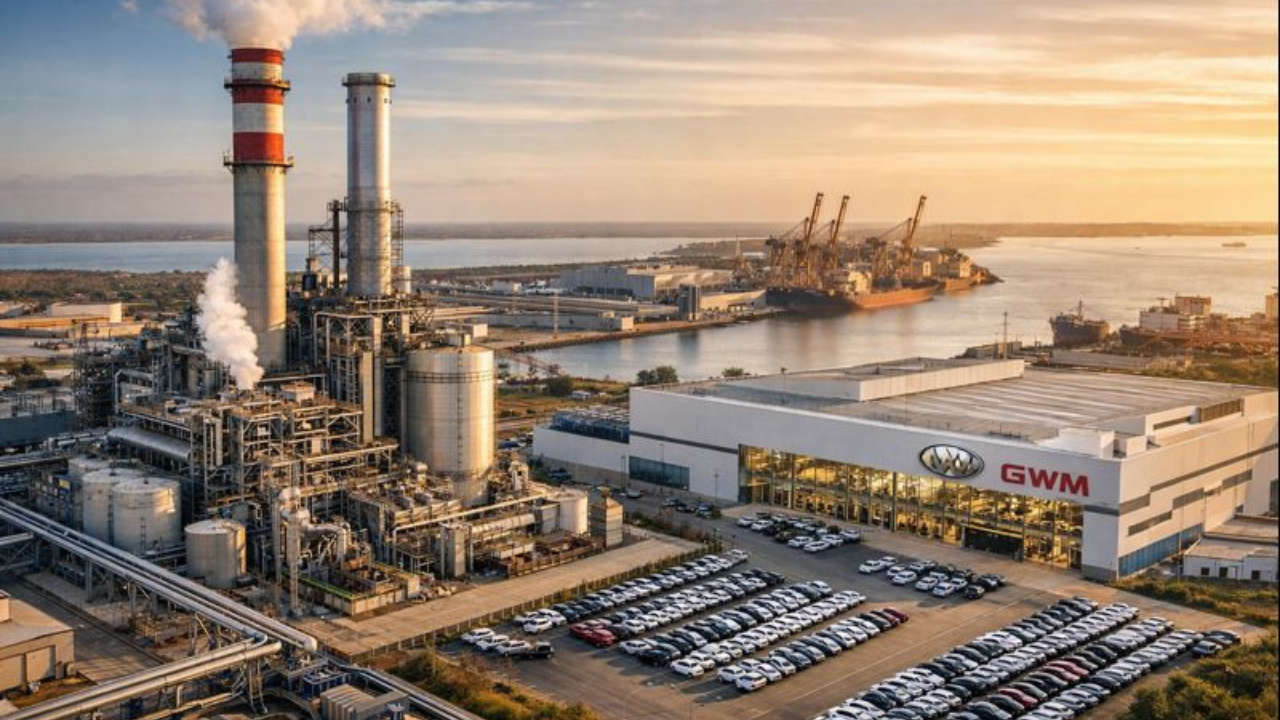
Thermal Power Plant in Rio Grande do Sul Is Key to Attracting GWM
More Details About The Location
Located in Betim, in the Metropolitan Region of Belo Horizonte, the Gabriel Passos Refinery (Regap) is considered the largest unit of Petrobras in Minas Gerais. With 53 years of operation, the plant supplies the entire state, except for a portion of the Triângulo Mineiro, and the Federal District with various products such as gasoline, diesel, cooking gas, fuel oil, petroleum green coke, turpentine, and aviation kerosene.
Petrobras workers have reported that the privatization of Regap, in the state of Minas Gerais, which is part of the sale of a package of 8 refineries in the country, is an attack on national sovereignty. The prices of products, such as gasoline and diesel, could become even more expensive, as explained by Anselmo Braga, director of Sindipetro-MG and the Unified Federation of Oil Workers (FUP).
Check It Out: Sales Of Petrobras Refineries May Be Delayed Due To The Risk Of Interference In Fuel Prices
Less than a month until the first deadline set by CADE (Administrative Council for Economic Defense) for the sale of its refineries, Petrobras has suspended negotiations for three of the eight units included in its divestment plan. For analysts and executives in the sector, the fear of intervention generated by the recurring statements from the government and its allies amid rising prices is hindering discussions and may postpone the process of opening the refining segment until after the 2022 elections.
Petrobras states that it “remains fully committed” to the sale of eight refineries, which represent about 50% of Brazil’s fuel production capacity, but internally it is already known that the current deadlines will not be met. A month ago, the Director of Exploration and Production of the Company, Fernando Borges, acknowledged in a virtual event that the risk of political interference makes investments in refining in the country difficult. However, the company chose not to comment on the matter.





Seja o primeiro a reagir!