





 Portuguese
  English
  Spanish
  4 min of reading
  19 comments


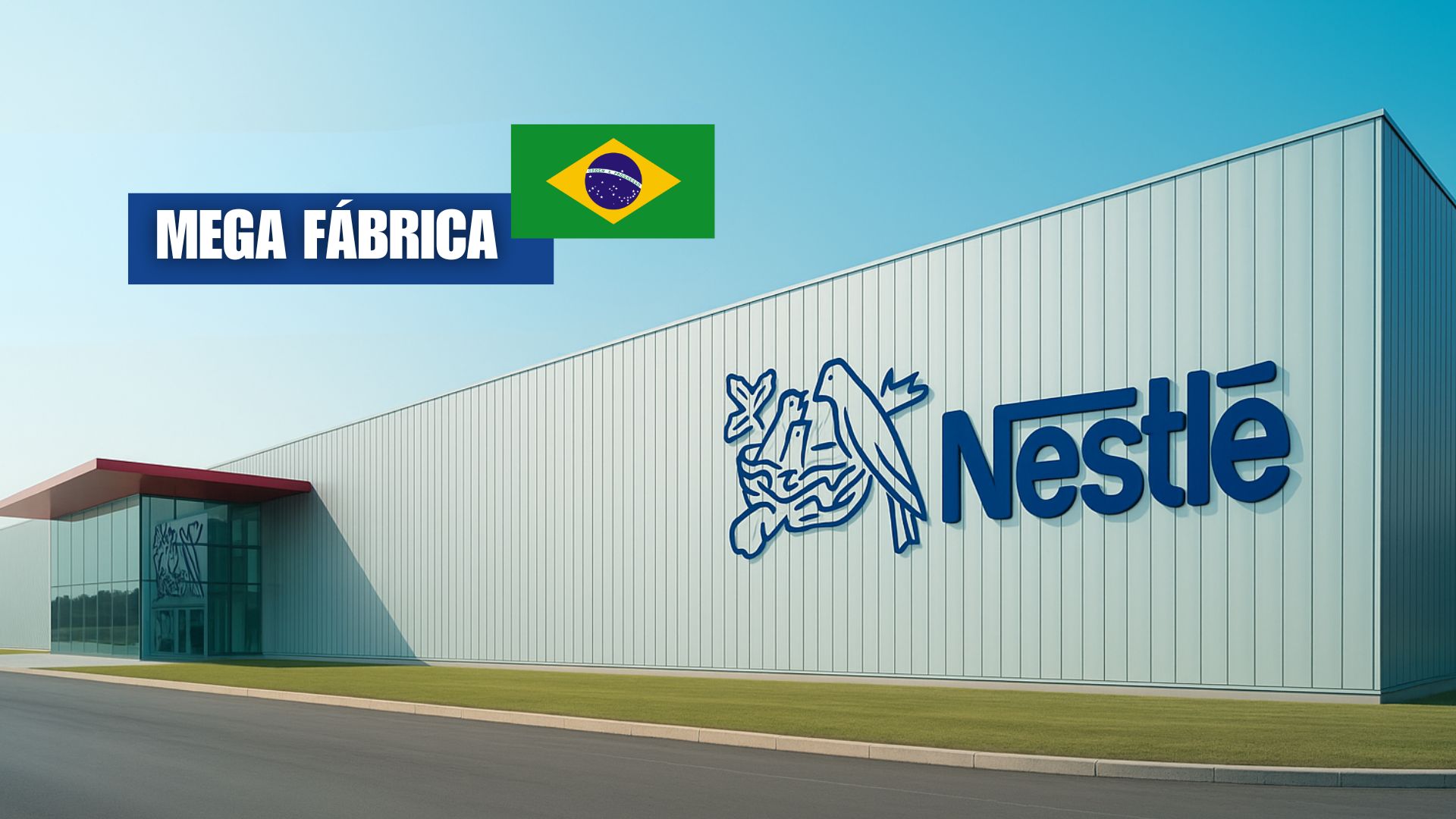


Nestlé Confirms Billion-Dollar Investment in Century-Old Factory in Araras (SP), Which Will Be Modernized with Artificial Intelligence, New Industrial Building, and a Focus on Exports, Strengthening the City’s Role as a Strategic Pole in the Coffee Market.
Nestlé has confirmed Araras (SP) as the focus of its new investment cycle in coffee in Brazil. A total of R$ 1 billion by 2028 will be invested to modernize and expand the soluble coffee unit.
The plan includes a 10% increase in capacity — currently 37 thousand tons per year —, the use of artificial intelligence in the industrial process, and maintaining Araras as an exporting hub, with shipments to over 65 countries.
The operation has 1,062 employees and supports between 3 thousand and 5 thousand indirect jobs in services and the supply chain, according to The Agribiz, which published the information this Wednesday (3).
-
Inflation in March reaches 0.88% according to IBGE and pressures the Brazilian economy, impacting family budgets and requiring more strategic decisions to maintain financial control.
-
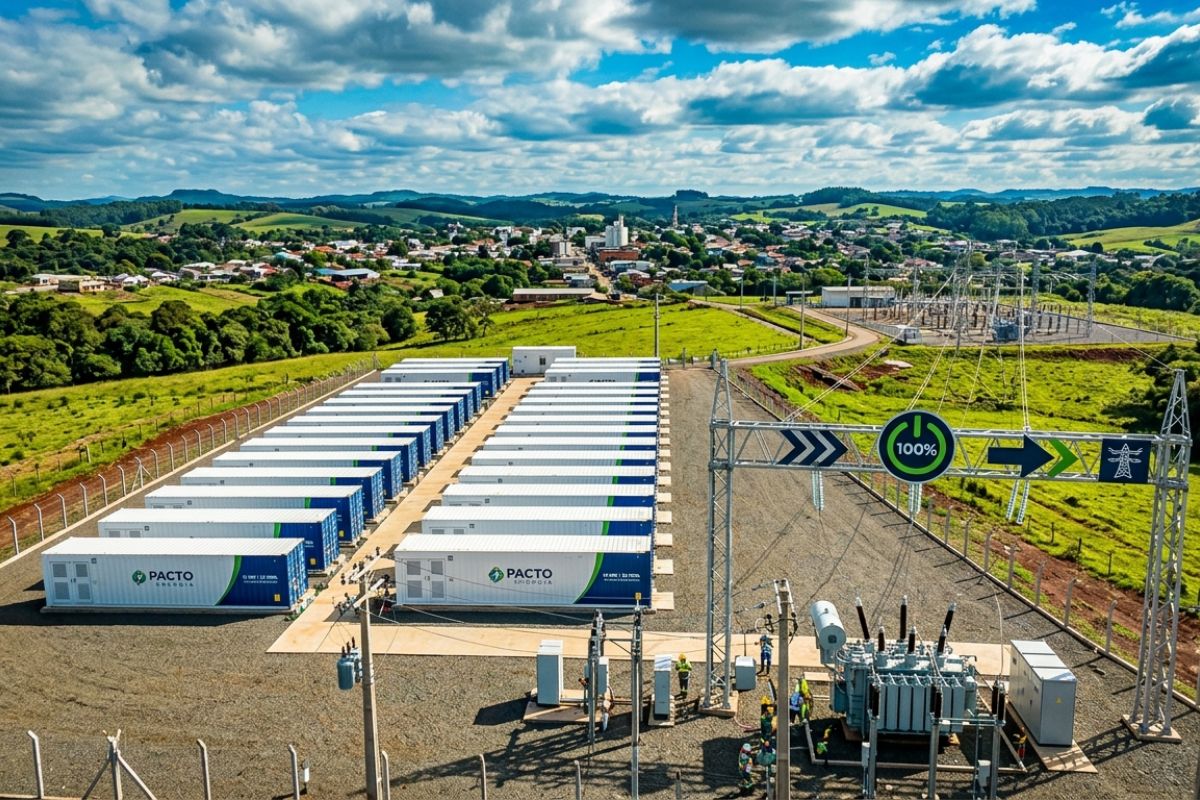
In Paraná, distributor Pacto connects 100% of the load in Coronel Vivida to batteries: a BES of 10 MW and 20 MWh costs just over R$ 30 million and lowers the local tariff now.
-
With a dependence of up to 80% on gas imported from the United States, Mexico is responding with a robust energy strategy, betting on shale gas, creating a scientific committee, and preparing to expand natural gas production to reduce vulnerability and strengthen its energy security in the coming years.
-
The United States proposes to Brazil a critical minerals agreement with a minimum price to combat Chinese dumping and priority for investment, but the Planalto is blocking the signing out of fear of upsetting China and due to electoral calculations in a year of competition.

Billion-Dollar Investment and Araras’ Role in the Company’s Plan
The injection of R$ 1 billion makes the Araras factory the champion of investments among the 18 units of the multinational in the country through 2028.
This measure adds to the R$ 500 million announced in May to strengthen the coffee business in Brazil, within a broader budget of R$ 7 billion in the country by 2028.
By concentrating the expansion in Araras, the company preserves the city’s historical vocation in the brand’s journey in Brazil, which began in 1921 with the production of condensed milk.
What Changes in the Plant: Seven-Story Building and Energy Efficiency
The financial package includes the construction of a seven-story building dedicated to the extraction, roasting, and drying stages of coffee.
In addition to automation, the factory will adopt solutions to reduce energy consumption.
According to the unit’s director, Fábio Kuhn, there will be heat recovery from the process: “We will also capture the steam that comes from the coffee extraction to turn it into energy.”
Since the 1980s, the unit has been using spent coffee grounds as biomass in the thermal system, according to The Agribiz.
Production Capacity, Portfolio, and Exports
With modernization, capacity will increase from the current 37 thousand t/year in soluble coffee to a level 10% higher.
On a daily basis, the unit delivers an average of 33 thousand tons annually of the Nescafé brand and maintains a broad portfolio, with 189 products among glass jars, sachets, and cans.
A significant portion of this production goes to Chile, Canada, and African countries, markets that account for 30% to 40% of the volume exported by the plant, without detriment to national supply.
The capsules are still manufactured in Montes Claros (MG).
How Nescafé is Made: Industrial Stages and AI Control
The journey of the bean to the final product goes through roasting, grinding, and extraction — a stage similar to brewed coffee, but on an industrial scale.
Next, the concentrate undergoes evaporation to gain density and is then dried and converted into powder.
Under normal conditions, the entire cycle takes about eight hours, with continuous monitoring of process variables.
The plant is highly mechanized, with robotized storage and distribution, and is already operating with support from artificial intelligence tools for control and predictability.
Raw Material and Recipes: Conilon and Arabica in Different Proportions
To feed the lines, the factory receives 70 thousand tons of green coffee annually.
The average composition of the input is 90% Conilon — mostly from Espírito Santo — and 10% Arabica, primarily from Minas Gerais.
The blends vary depending on the product: there are about 140 recipes registered, including items 100% Arabica.
The definition of the blends aims to meet the flavor and consistency standards required for soluble coffee, with fine adjustments guided by process data and sensory panels, as highlighted by The Agribiz.
Jobs, Local Chains, and History of the Unit
The Araras unit employs 1,062 direct collaborators and also produces chocolate drinks, which expands the diversity of functions and shifts.
In the vicinity, the movement of suppliers, logistics, services, and commerce generates between 3 thousand and 5 thousand indirect jobs.
Founded over a century ago, the plant started out to manufacture condensed milk and has gained new vocations over time, including that of exporting soluble coffee.
Today, it integrates a network that includes the operation of capsules in Montes Claros, specialized in NESCAFÉ Dolce Gusto.
Why Araras Remains Strategic for Nestlé
The continuity of investments by Nestlé in the city combines industrial infrastructure, qualified labor, and logistics capable of serving both domestic and international markets.
Moreover, the project reinforces the adoption of 4.0 industry technologies and energy-saving practices, aligned with corporate efficiency goals.
By expanding capacity, the company positions itself to meet the demand of established markets while also supporting new launches in the soluble portfolio.
With the project expected to be completed by 2028 and the promise of productivity gains, the bet on Araras is likely to redefine the scale and technological standard of soluble coffee made in Brazil.
In your opinion, what effects of this Nestlé investment should be felt first: jobs in the region, supply for export, or innovation in the process?





O País que é o maior produtor de café assiste os estrangeiros expertos ganhando dinheiro e nos extorquindo com seus preços absurdos no mercado interno. Tudo isso porque aqui com a cotação do dólar e euro já é mais barato o custo de produção e exportação, afinal, o lucro fica com a matriz Suíça.
Deixem o café mais barato pra os EUA, não é isso que eles querem??! Ou exportem pra lá o café Guandu. Viva a nossa soberania!!
É sabido que os maiores produtores de café do Brasil são os Estados do Espírito Santo e Minas Gerais. No Espírito Santo cerca de 90% e Exportação. A Nestlé me abre uma indústria em São Paulo, com toda a infraestrutura logística e portuária do Espírito Santo. Realmente a reforma tributária precisa entrar em vigor e acabar com as incoerências existentes. Parabéns a Araras, ganhando uma multinacional sem sequer ser maior produtora de café do Brasil.
Se você leu o texto deve saber que essa fábrica já existe a bastante tempo. Desde 1921 a Nestlé está em Araras e vem ampliando e modernizando a sua planta industrial. Por qual motivo abriria uma nova planta em uma cidade qualquer do ES e MG?
Araras SP tem a primeira fabrica da Nestlé no Brasil, inaugurada em 1921, a planta é gigantesca, um complexo que gera emprego pra boa parte da cidade e região, aliás, a cidade de Araras cresceu no entorno da fábrica.