






 Portuguese
  Spanish
  2 min of reading


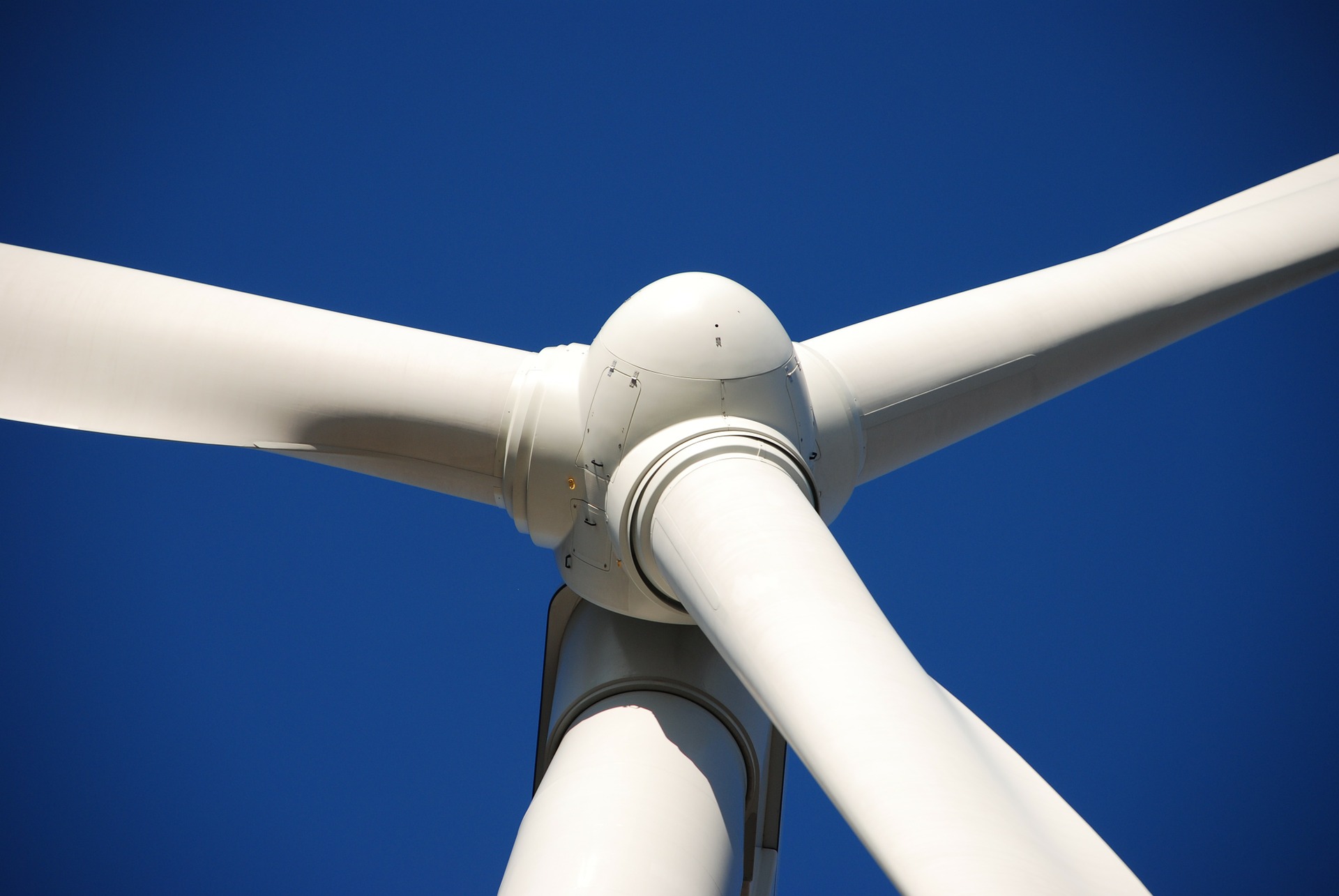
Technology Will Advance And Everything Indicates That The Use Of Wind Energy Will Become Much Cheaper In The Future
In a study by Lawrence Berkeley National Laboratory (Berkeley Lab), one of the world’s leading experts in wind energy, came an encouraging piece of news for the future of clean energy. The entity believes that it will become increasingly cheaper to have wind energy at home.
The main reasons are advancements in technology and also commercial breakthroughs, such as government incentives and tax reductions.
Experts at Berkeley Lab believe that by 2035, the costs of wind energy will decrease by between 17% and 35%. By 2050, the cost reduction is expected to be between 37% and 49%.
-
Brazilian scientists are simultaneously advancing two research projects on clean hydrogen and driving solutions that could transform the energy matrix, enhance industrial competitiveness, and accelerate large-scale emission reduction targets.

-
Advancement in renewable energy: A R$ 150 million project launched by Petrobras and Finep aims to create state-of-the-art electrolyzers for green hydrogen, strengthening national research and preparing Brazil to compete in a billion-dollar energy market.
-
Illiterate or semi-literate grandmothers were trained to repair solar systems, open rural workshops, and light up homes that still depended on kerosene.
-
The world has bet on green hydrogen as the fuel of the future, but now faces the side effect: producing 1 kilogram requires about 9 liters of ultrapure water, and the largest projects on the planet are precisely in the driest regions of the Earth, where water is already scarce for people.





This cost reduction will be driven by much larger and even more efficient wind turbines, along with lower overall costs for implementing the technology.
The Berkeley Lab had conducted a similar study in 2015, which showed a cost forecast that is double the new assessment:
”Wind energy has experienced accelerated cost reductions in recent years, both onshore and offshore, rendering previous cost predictions obsolete”, it pointed out.
The study also highlights that even with advanced onshore and offshore technology, there is still much room for new improvements in technology and even greater cost reductions.
Consequently, studies still indicate that there is a 10% chance that costs will be even higher than the most likely scenario: between 38% and 53% by 2035 and 54% to 64% by 2050.
More Technology To Reduce Wind Energy Costs
The study reveals that one of the main reasons to believe that wind energy will be much cheaper in the future is the size of the turbine.
Onshore energy is expected to see an increase in generator ratings, rising to 5.5 MW in 2050, up from 2.5 MW in 2019. Additionally, factors such as rotor diameter and hub heights should make towers even more efficient.
Offshore energy is also expected to gain more ground in the market.
If costs continue to decline, future wind energy will have an even greater market share: ”If all else remains equal, these trends will allow wind to play a larger role in global energy supply than previously thought, while also facilitating the decarbonization of the energy sector”, said Joachim Seel.





Be the first to react!