





 Portuguese
  English
  Spanish
  7 min of reading
  2 comments


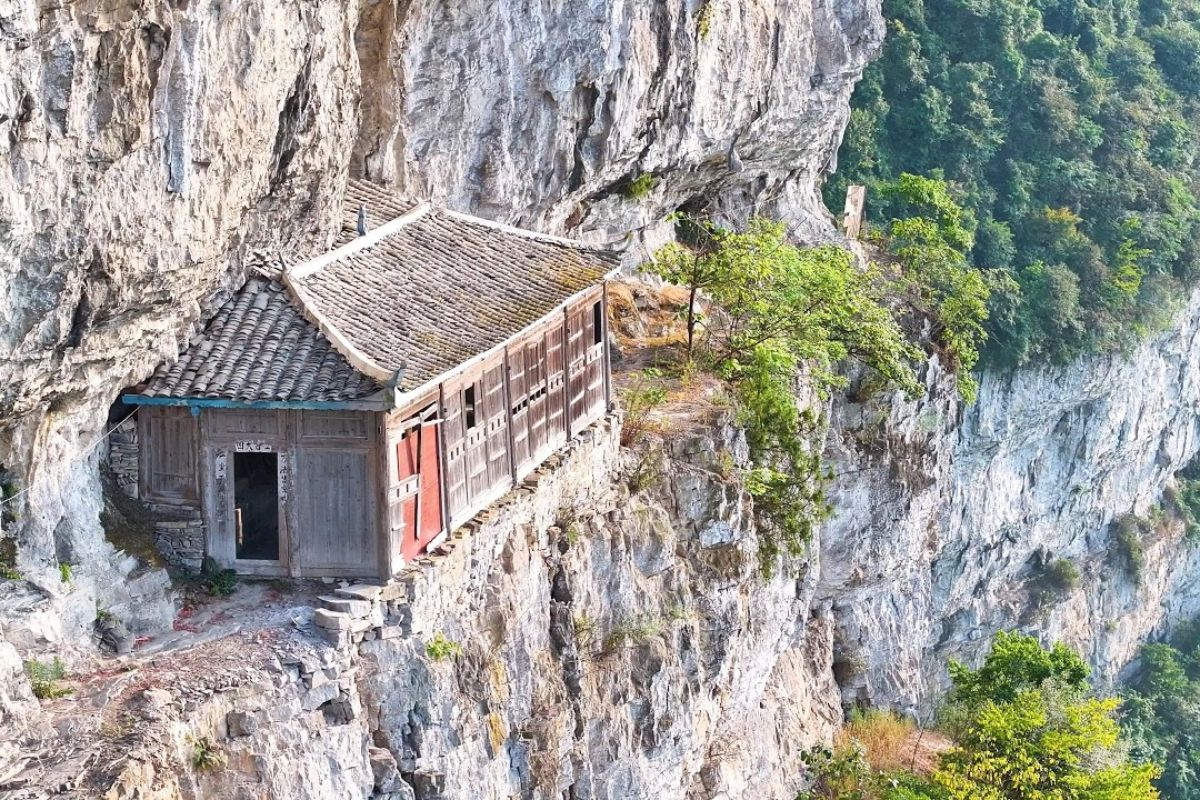


Centennial House Suspended on a Cliff Over 1,000 Meters Exposes the Limit Between Extreme Geography, Faith, and Traditional Construction Techniques, with Dangerous Access via Steep Trails and a Secret Temple Protected by the Very Difficulty of Reaching It in the Mountains of Guizhou.
Reaching the centennial house suspended requires a long walk along the steep slopes of the Guizhou mountains, starting from a small village below the cliff, where vehicles can no longer advance and the entire journey relies solely on physical endurance and careful attention to each step. Along the ascent, the steep elevation reveals how unlikely the impossible construction that balances over 1,000 meters in altitude seems, at a point where any mistake can be very costly.
On the way, the constant sound of insects, the panoramic view of Langdong Town in the distance, and the succession of curves, stones, and narrow stretches reinforce the feeling of absolute isolation. As the trail moves away from the urban area and delves deeper into the Guizhou mountains, the landscape combines dense forests, vertical cliffs, and sections where the dangerous access is marked by hand-carved passages in the rock, iron chains to support the hands, and points where visitors need to walk sideways to continue advancing.
Guizhou Mountains and the Context of the Impossible Construction
The Guizhou mountains are known for their steep slopes, deep valleys, and abrupt changes in altitude, creating a scenario where any fixed structure already represents a challenge, let alone a centennial house suspended on a sheer rock wall.
-
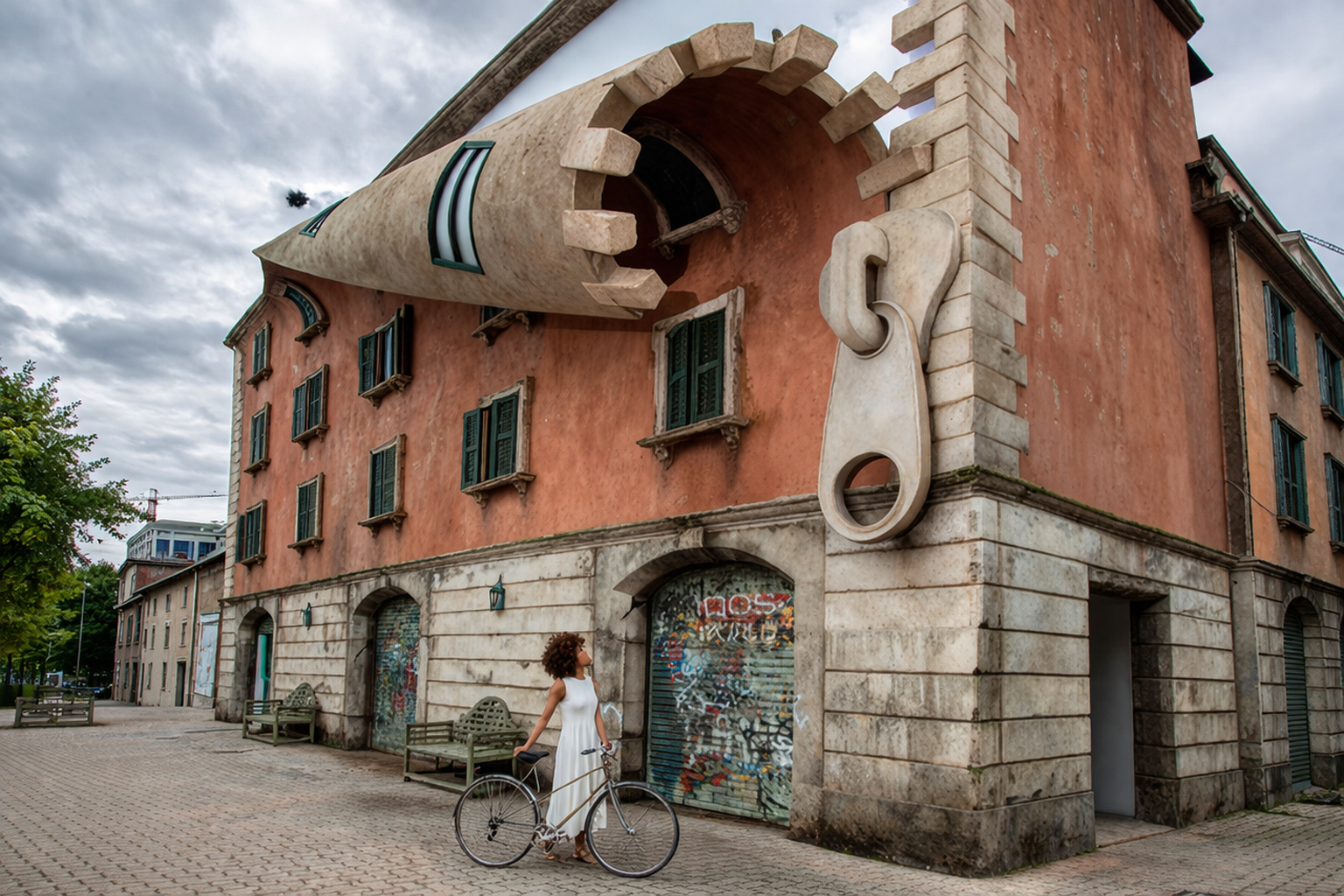
With a façade that resembles a giant zipper, the building in Milan creates a sense of strangeness, featuring lighting that transforms engineering and attracts the attention of residents and tourists.
-
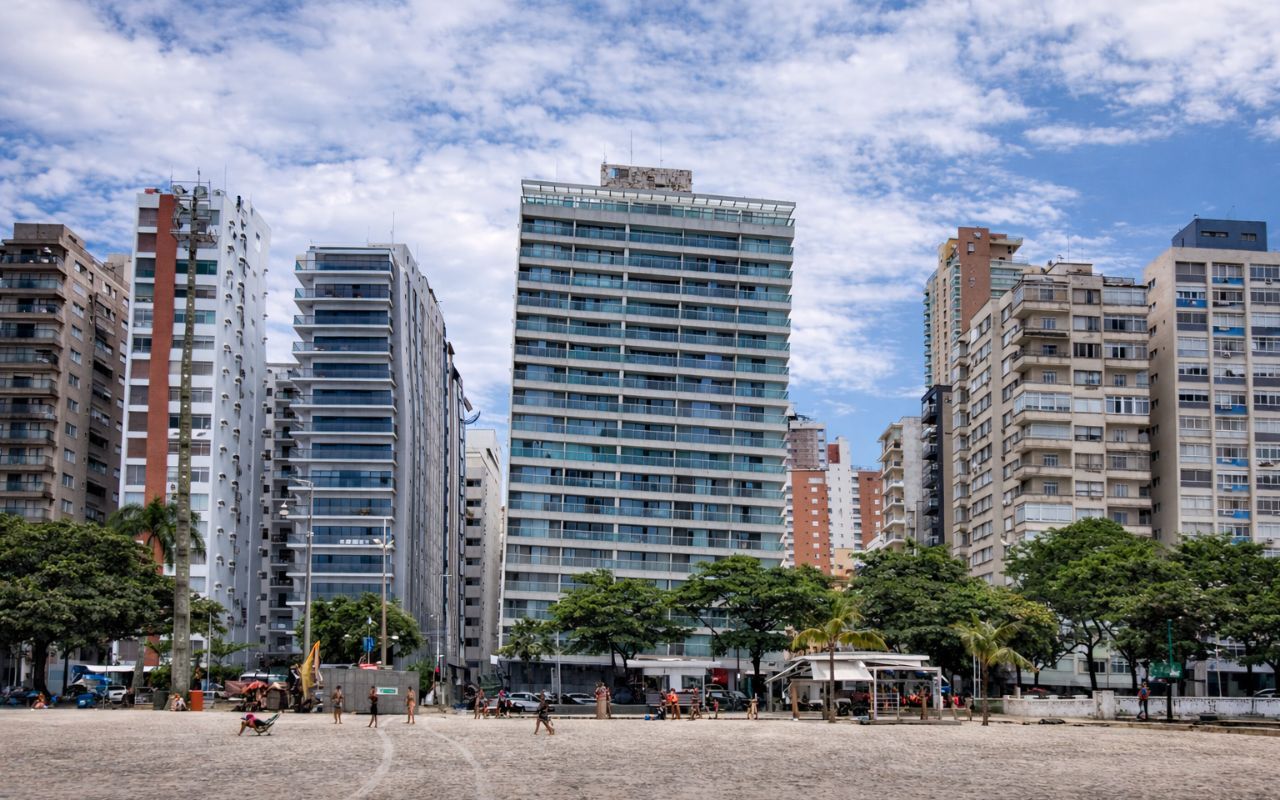
The Brazilian city has 319 crooked buildings built on sandy soil without proper deep foundations, houses the largest beach garden in the world, with over 5 km, and is still considered the birthplace of surfing — meet Santos, in São Paulo.
-
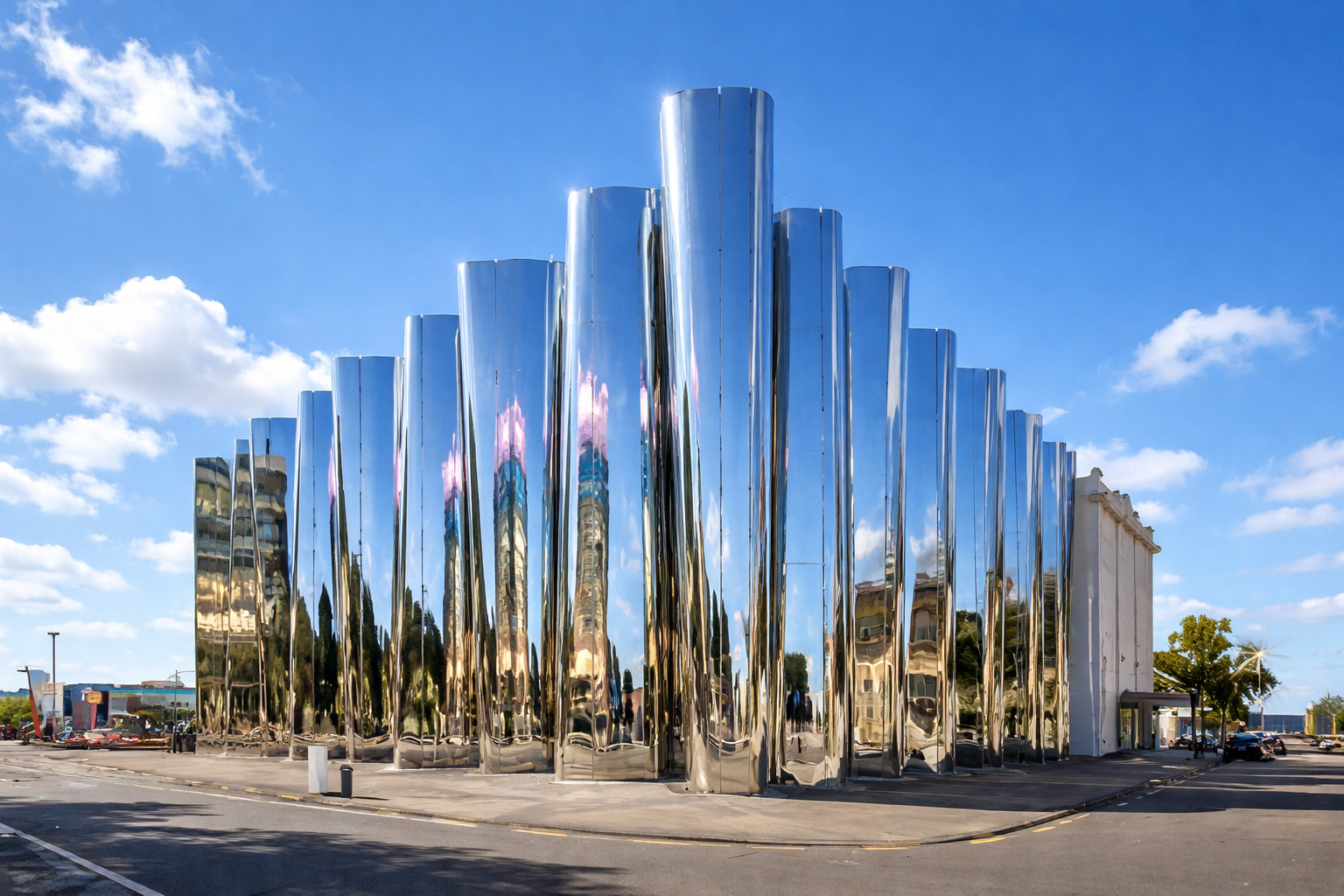
New Zealand builds a shimmering building that vibrates, featuring a 62-seat cinema, moving sculptures, and an environment where sound, light, and energy are felt in the body.
-
Two colored cubes of 2.5 m transform a public bathroom into a selfie spot in Western Australia, costing up to 75% less than traditional construction and helping to reduce vandalism in public spaces.

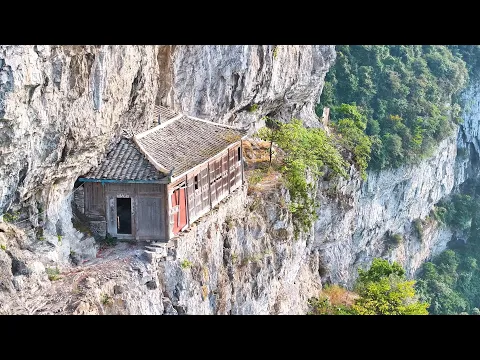
In this environment, the notion of impossible construction ceases to be a metaphor and literally describes the human effort required to erect and maintain a structure on such an exposed cliff.
The view of the house itself, nestled at the edge of the cliff, reinforces the idea that here, extreme risk, religious devotion, and a precise reading of the terrain combine.
The access path, which starts relatively wide and well-marked, narrows as altitude is gained, transforming into a sequence of irregular steps, stone slabs, and stretches where the wall seems to close in on those climbing.
At various points, the dangerous access requires the use of hands to climb and the iron chain fixed to the rock, highlighting that this is not a common tourist path but a physically demanding pilgrimage route shaped by the relief of the Guizhou mountains and the need to reach the secret temple embedded in the cliff.
From the Village to the Cliff: The Experience of Dangerous Access

The hike begins in the village at the foot of the mountain, where the last vehicle stopping point marks the transition from the comfort of the road to the reality of the trail.
From there, the ascent proceeds along a dirt and stone path that, according to locals, takes about an hour to reach the area where one can first see the centennial house suspended on the cliff wall.
Along the way, the hiker passes through shaded sections under forests, open areas with views of the valleys, and points where heat, humidity, and slope make the effort continuous.
As elevation increases, the landscape opens up and the city of Langdong appears in the background as a visual reference, reinforcing the scale of the elevation gained.
At the same time, the path becomes more technical: the irregular ground, steep cliff sections, and narrow passages transform the dangerous access into a central part of the experience.
In certain points, the trail follows the mountain’s ridge, with a direct view of the abyss, while in others it passes alongside bamboo groves that seem to have been planted or preserved to stabilize the terrain and protect the path to the secret temple.
Xizhu Temple: Historical Relic in the Guizhou Mountains
Before reaching the centennial house suspended that appears in the video, visitors first arrive at Xizhu Temple, a historical structure recognized as a unit for the protection of cultural relics in the Qiandongnan region.
The site includes a large stone gate, thick walls, and a walled area that marks the transition between the wild slope and the religious space.
Over time, the stone gate has visible cracks, but still conveys a sense of solidity and symbolic barrier, as if a single guardian could control entry.
Plates and stone inscriptions record that the temple originated during the Qing Dynasty, with references to the 13th year of the Jiaqing reign and the 25th year of the Daoguang reign, indicating over 200 years of history.
The records also mention damages and reconstructions during the Guangxu reign, in the Republic of China, and as recently as 2003, a new restoration phase with resources raised by monks, believers, and local residents.
The result is a relatively well-preserved secret temple, where inner courtyards, worship halls, statues of deities, and merit monuments coexist with moss, broken tiles, and the natural wear of the high-humidity environment of the Guizhou mountains.
Wood Architecture and the Centennial House Suspended on the Cliff
Continuing ahead, an even narrower path leads from the main area of Xizhu Temple to the centennial house suspended that dominates the cliff.
The path is literally carved into the rock, with improvised steps and sections where one must hold onto the iron chain to overcome an elevation that approaches vertical.
Below, the drop is almost straight down to the valley, making each step a confirmation of the impossible construction nature of this work embedded in the mountain wall.
Nearby, inscriptions on stones and small donor monuments reinforce the devotional character of the site.
Upon finally reaching the centennial house suspended, visitors find a structure entirely made of wood, based on traditional joinery techniques, without relying on metal nails as in modern constructions.
On the outside, the weathered wood and the precise joinery of the beams suggest decades of exposure to the elements, even though it is partially protected by the sheltered position of the cliff, where wind and rain arrive softened.
Inside, the environment surprises by seeming more recent, with signs of continuous maintenance, presence of religious statues, simple daily-use utensils, and elements like a trunk adapted to play a type of bell or gong.
A Secret Temple in Balance With the Abyss
From the balcony and openings of the centennial house suspended, the view of the valley below is broad, revealing houses, fertile fields, watercourses, and mountains in sequence, composing a scene reminiscent of a traditional painting.
This relationship between extreme altitude, the void right in front, and the everyday life continuing in miniature down below helps explain why many pilgrims describe the place as a secret temple in permanent balance with the abyss.
This is not merely a tourist spot but a space of devotion literally built on the edge of risk.
The setting formed by the Guizhou mountains, the dangerous access trail, Xizhu Temple, and the centennial house suspended reveals a rare layer of interaction between geography, faith, and traditional construction techniques.
The impossible construction, built on a cliff that borders verticality, continues to raise objective questions about how materials were transported, how workers positioned themselves on the rock, and what methods were adopted to raise walls, beams, and roofs in such a hostile environment.
Even today, with modern equipment available, the physical effort and risks involved in any intervention at the site remain high.
In the end, the experience of reaching this secret temple suspended on the sheer cliff shows that the preservation of the site depends both on the policies for the protection of cultural relics and the ability to keep the dangerous access under control, without turning the region into a mass destination.
The combination of the demanding trail, extreme cliff, and wooden architecture aligned with the geography of the Guizhou mountains helps explain why this centennial house suspended remains, at the same time, a symbol of devotion, resistance, and physical limit for those willing to face the path.
The story of the centennial house suspended in the Guizhou mountains, associated with Xizhu Temple and the long dangerous access carved into the rock, raises an important debate about how far devotion and traditional engineering can go when confronted with a scenario of impossible construction.
In a country that combines modern megaprojects with ancestral temples, this specific collective stands out for remaining discreet, protected by the very difficulty of access and the character of a secret temple embedded in the cliff.
As local authorities and religious communities seek to reconcile preservation, safety, and visitor flow, the centennial house suspended remains there, defying time, gravity, and logic, as a physical landmark of all that the topography of the Guizhou mountains imposes on those who try to master it.
In light of this reality, the question for the reader is: would you face this dangerous access to see up close an impossible construction like this and enter a secret temple suspended over the abyss?









Bom lugar para morar muito sossegado
Lugar isolado e maravilhoso!